Content Menu
● OTC Availability of Lidocaine Products
● Common OTC Lidocaine Forms and Their Applications
● Key Uses of OTC Lidocaine in Daily Life
● Benefits Compared to Prescription Options
● Safety Guidelines, Side Effects, and Precautions
● Why Pure Lidocaine Powder Remains Restricted
● Legal and Regulatory Landscape by Country
● OEM Manufacturing: Partnering with Experts like supplybenzocaine.co.uk
● Alternatives When Lidocaine Isn't Ideal
● Practical Application Tips and Best Practices
● Emerging Trends and Innovations
● FAQ
>> 1. Can I buy lidocaine cream over the counter?
>> 2. Is lidocaine powder available without a prescription?
>> 3. What are the safe concentration limits for OTC lidocaine?
>> 4. Can OTC lidocaine be used on broken skin or large areas?
>> 5. How can businesses source lidocaine for OEM production?
Lidocaine is a widely used local anesthetic that provides effective pain relief in various topical forms, making it a staple in both medical and everyday self-care routines. Many consumers wonder about its over-the-counter (OTC) availability, as options abound for minor ailments, but restrictions apply to higher concentrations and raw forms.
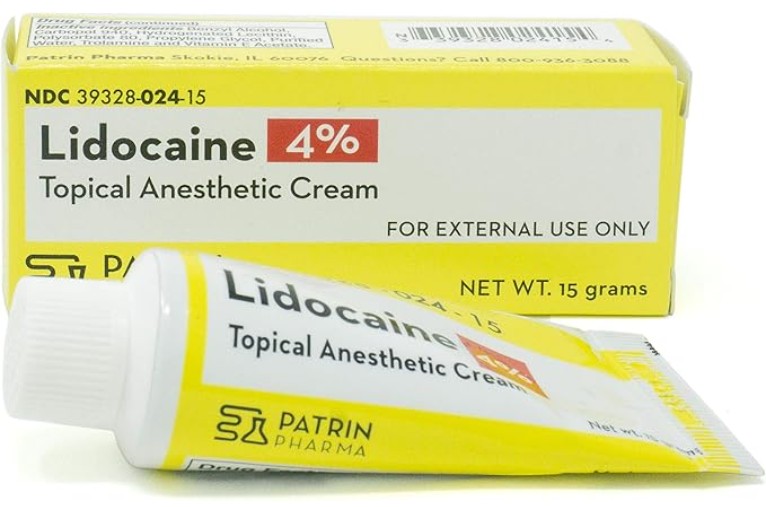
Lidocaine, also known by its alternative name lignocaine, is a member of the amino amide class of local anesthetics. It functions by blocking sodium channels within nerve cell membranes, which effectively interrupts the transmission of pain signals to the brain. This mechanism allows it to numb specific areas quickly and reliably. First synthesized in the 1940s by Swedish chemists Nils Löfgren and Bengt Lundqvist, lidocaine has since evolved into an indispensable tool across medical, dental, cosmetic, and even veterinary fields.
In its topical form, lidocaine is applied directly to the skin, mucous membranes, or minor wounds to deliver localized numbing effects. Common concentrations for consumer products range from 2% to 5%, with OTC versions typically capped at 4-5% to balance efficacy and safety. Prescription-strength products, such as Lidoderm 5% patches, are designed for more severe conditions like postherpetic neuralgia, while OTC creams and gels address everyday issues like minor burns, insect bites, or muscle soreness. Beyond pain relief, lidocaine plays a crucial role in procedures such as minor surgeries, dental work, and even tattooing, where rapid onset is key. Its versatility stems from its fast-acting nature—numbing often begins within minutes—and relatively short duration, making it ideal for temporary relief without long-term sedation.
The compound's stability and low systemic absorption when used topically contribute to its popularity. In pharmaceutical manufacturing, lidocaine is often combined with other agents like prilocaine in products such as EMLA cream for enhanced penetration. For biotech firms and medical device producers, understanding lidocaine's properties is essential for developing innovative delivery systems, from advanced patches to transdermal gels.
The short answer is yes, you can purchase certain lidocaine products over the counter in many countries, including the US, UK, EU, and parts of Asia. Topical creams, gels, ointments, and patches with up to 5% lidocaine are widely available at pharmacies, supermarkets, and online retailers without needing a prescription. Popular brands include Aspercreme with 4% lidocaine, Salonpas Lidocaine patches, and generic options from stores like CVS, Walgreens, or Boots in the UK. These products are classified as external analgesics under regulatory guidelines, allowing consumers easy access for self-treatment of minor pains.
However, not all lidocaine forms are OTC. Pure lidocaine powder, high-concentration injectables, or viscous oral gels (used for mouth sores) generally require a prescription or are restricted to licensed professionals. This is due to the risks of overdose, improper dosing, or systemic toxicity if mishandled. For instance, in the US, the FDA permits OTC sales for products up to 5% under specific monographs but issues warnings against applying them to large areas, broken skin, or sensitive regions. In the UK, while skin creams for procedures like vaccinations are available at pharmacies, freely OTC access is limited to lower strengths. Regulations vary globally—China, for example, tightly controls raw material exports for industrial use, while Canada and Australia mirror US/UK limits.
Consumers should always verify local laws, as misuse can lead to regulatory issues. For businesses in biotech, pharma, or medical devices, sourcing compliant OTC-formulated lidocaine is straightforward through established suppliers, ensuring products meet international standards like GMP.
OTC lidocaine is packaged in convenient, user-friendly formats tailored for home use. Creams and gels offer quick absorption, ideal for sunburns, rashes, minor cuts, or itching—simply apply a thin layer up to three or four times daily. Patches provide targeted, hands-free relief for up to 12 hours, perfect for back pain, arthritis, or neuropathic discomfort. Sprays and roll-ons deliver non-greasy application for sports injuries, bruises, or insect bites, drying rapidly without residue. Ointments, being thicker, offer prolonged numbing for joint pain or hemorrhoids.
Each form incorporates stabilizers, emollients, and sometimes cooling agents like menthol to enhance comfort and efficacy. In cosmetic and wellness sectors, these are staples for pre-procedure numbing, such as laser treatments, waxing, or microneedling. Athletes and fitness enthusiasts favor roll-ons for rapid recovery from strains, while parents use approved gels for teething or minor scrapes in children over two years old.
The applications of OTC lidocaine extend far beyond basic pain relief, making it a versatile household essential. It effectively numbs skin for superficial issues like cold sores, razor burns, or jellyfish stings. In sports medicine, it's applied to reduce discomfort from sprains, enabling quicker return to activity. Hemorrhoid sufferers find relief from creams designed for anal use, while dental users (with approved products) soothe canker sores.
Professionally, lidocaine features in medical devices like numbing sprays for endoscopies or patches integrated into wearable pain tech. In biotech R&D, it's a base for experimental transdermal systems delivering other drugs. Importantly, it's not suitable for deep wounds, eyes, mouth (beyond specific gels), or genitals without medical guidance, as absorption rates increase dramatically in those areas.
OTC lidocaine shines for mild, acute needs due to its accessibility and affordability—often $5-20 per package versus $50+ for prescriptions. It activates in 15-30 minutes, lasting 1-4 hours, with minimal additives for broad tolerance. Prescription versions, like 5% Lidoderm, offer higher potency and longer wear (up to 12 hours) for chronic issues but require doctor visits and insurance navigation.
OTC products undergo streamlined FDA monograph approval, ensuring safety for general use, while prescriptions demand full clinical trials. For cost-conscious consumers, OTC saves time and money; for severe pain, prescriptions provide superior duration. Businesses formulating their own lines can blend the best of both via OEM customization.
Safe use hinges on adherence: apply sparingly to intact skin, limit to 3-4 applications daily, and avoid covering unless specified. Overapplication risks lidocaine entering the bloodstream, potentially causing dizziness, confusion, seizures, or cardiac irregularities—especially in children, elderly, or those with liver impairment. Common side effects include temporary redness, itching, or burning; severe allergic reactions (rash, swelling) warrant immediate medical attention.
Precautions include patch-testing for sensitivities, avoiding use with infections, large burns, or alongside blood pressure meds/anti-arrhythmics. Pregnant or breastfeeding individuals should consult physicians. Storage at room temperature (15-30°C) preserves 2-3 year shelf life; discard if separated or discolored.
Unlike formulated OTC products, raw lidocaine powder isn't available over the counter because it poses significant risks without proper dilution and stabilization. Inaccurate dosing can lead to toxicity, and it's unsuitable for untrained users. This form is reserved for manufacturers producing creams, patches, or injectables under GMP conditions. Industrial buyers, such as brand owners or wholesalers, source it from certified Chinese factories for OEM services, ensuring >99% purity via HPLC testing.
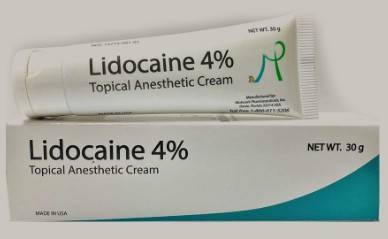
Navigating regulations is crucial. In the US, OTC tops out at 5% for topicals; powders are DEA-scheduled for controls. The UK/EU allows pharmacy sales for creams, full OTC for patches. China excels in B2B exports with strict pharma oversight. Canada and Australia enforce similar caps, emphasizing consumer safety bulletins.
For foreign brands, wholesalers, and producers in biotech, pharma, and medical devices, supplybenzocaine.co.uk offers turnkey OEM from our Chinese factory. We specialize in R&D, production, and sales of lidocaine powder, custom creams (2-5% strengths), patches, and devices. GMP-certified, we handle formulation, private labeling, packaging, and compliance for FDA/UKCA/CE marks. Clients save 30-50% on costs with MOQs from 100kg, scaling to millions. Our process includes quality assays, stability testing, and global shipping. Innovations like liposomal gels or nano-patches are available, tapping 2026's 15% market growth in topical anesthetics.
Options include benzocaine sprays (20% OTC), prilocaine combos (prescription EMLA), or non-numbing agents like capsaicin creams, menthol rubs, or CBD topicals. Each suits specific needs—benzocaine for mucosal use, capsaicin for neuropathic pain.
Start with clean, dry skin; apply thinly and rub in gently. Wait 30-60 minutes for peak effect; wash hands post-use. For patches, rotate sites daily. Always read labels for age restrictions (typically 2+ years).
By 2026, liposomal encapsulation prolongs release, while smart patches integrate sensors for timed dosing. Biotech firms leverage these for combo therapies, with Asia leading production.
Over-the-counter lidocaine offers convenient relief for minor pains through accessible creams, gels, patches, and sprays up to 5%, but raw powder and higher strengths demand professional handling. Whether for personal use or business scaling, safety and compliance are paramount. As a leading Chinese factory (supplybenzocaine.co.uk), we empower global brands, wholesalers, and producers with premium OEM services in biotech, pharma, and medical devices. Contact us today for free quotes, samples, COAs, and custom solutions—elevate your product line with reliable, cost-effective manufacturing! Contact us to get more information!
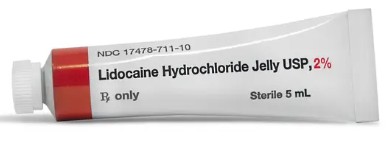
Yes, topical lidocaine creams and gels up to 4-5% concentration are available over the counter in pharmacies and stores worldwide for minor pain relief, such as burns or itches.
No, pure lidocaine powder is not sold over the counter; it's restricted to licensed manufacturers and requires regulatory compliance for safe formulation into consumer products.
Safe OTC limits are generally 4-5% for topicals to prevent toxicity; higher strengths need prescriptions and medical supervision.
No, it's intended for intact skin only in small amounts; avoid broken skin, large areas, or mucous membranes to minimize absorption risks—consult a doctor for wounds.
Partner with GMP-certified factories like supplybenzocaine.co.uk for high-purity powder, custom formulations, labeling, and global export compliance starting at low MOQs.
1. https://www.goodrx.com/lidocaine-otc/what-is
2. https://www.supplybenzocaine.co.uk/can-you-buy-lidocaine-powder-over-the-counter.html
3. https://enclarapharmacia.com/palliative-pearls/comparing-prescription-and-over-the-counter-lidocaine-patches
4. https://www.supplybenzocaine.co.uk/Article/list-r20.html
5. https://www.nhs.uk/medicines/lidocaine-skin-cream/about-lidocaine-skin-cream/
6. https://ap5.yuanlongbiologicals.com/benzocaine-and-lidocaine/
7. https://www.mayoclinic.org/drugs-supplements/lidocaine-topical-application-route/description/drg-20072776
Hot tags: Over The Counter Lidocaine, Buy Lidocaine Cream Online, Lidocaine Pain Relief, OTC Lidocaine Products, Lidocaine Cream 5%, Lidocaine Gel for Pain, Best Lidocaine Cream, Lidocaine Patch OTC, Lidocaine Anesthetic Cream, Where to Buy Lidocaine