Content Menu
>> Advanced and Off-Label Uses
● Lidocaine in Modern Manufacturing
● FAQ
>> 1. Is lidocaine safe for daily use?
>> 2. What is the strongest OTC lidocaine?
>> 3. Can pregnant women use OTC lidocaine?
>> 4. How does lidocaine differ from benzocaine?
>> 5. Where to source bulk lidocaine for OEM?
Lidocaine stands as one of the most versatile and widely used local anesthetics available today, offering effective pain relief for a range of minor ailments and medical procedures. In many countries, certain topical formulations of lidocaine can indeed be purchased over the counter without a prescription, making it accessible for everyday use.[1][2]

Lidocaine belongs to the amide class of local anesthetics, working by blocking sodium channels in nerve cell membranes to interrupt pain signal transmission from the affected area to the brain. First synthesized in 1943 by Swedish chemists Nils Löfgren and Bengt Lundqvist at the University of Stockholm, it marked a significant advancement over earlier anesthetics like cocaine and procaine due to its improved stability, reduced allergenicity, and reliable performance. Clinically introduced in 1948 by anesthesiologist Torsten Gordh, lidocaine quickly became a staple in medical practice worldwide.[3][4]
This compound exists in multiple delivery forms, including topical creams, gels, ointments, sprays, adhesive patches, and injectable solutions. Topical applications numb the skin surface for minor procedures such as wound cleaning or tattooing, while injectable versions provide deeper anesthesia for dental extractions, minor surgeries, or nerve blocks. Its rapid onset—typically within 2-5 minutes for topical use—and intermediate duration of action (1-2 hours) make it ideal for both short-term relief and procedural support. Beyond anesthesia, lidocaine finds use in cardiac care as an antiarrhythmic agent when administered intravenously to stabilize irregular heart rhythms, particularly ventricular tachycardia.[5][6]
Lidocaine excels in managing acute and chronic pain from various sources. Topically, it soothes minor burns, sunburns, cuts, abrasions, insect bites, and itchy rashes by desensitizing nerve endings in the skin. For anorectal discomfort, such as hemorrhoids or anal fissures, specialized creams and ointments deliver targeted relief. Athletes and individuals with muscle strains or joint pain benefit from roll-on applicators and patches that provide localized numbing without greasiness.[7][8]
In dermatology, lidocaine preparations prepare skin for laser treatments, microneedling, or waxing by minimizing discomfort. Dentists routinely employ injectable lidocaine for root canals, fillings, and extractions, often combined with epinephrine to prolong effects and reduce bleeding. Over-the-counter products like Aspercreme or Bengay incorporate lidocaine for backaches, arthritis, and sports injuries, offering non-opioid pain management.[9]
During medical procedures, lidocaine numbs mucous membranes for endoscopies, bronchoscopies, and nasogastric tube insertions. Urologists apply it as a gel or jelly to anesthetize the urethra prior to cystoscopy or catheterization, reducing patient distress. In emergency settings, paramedics use lidocaine sprays for intubation or wound suturing. For pediatric care, viscous lidocaine solutions coat sore throats or mouth ulcers, though dosing requires caution in young children.[8][10]
Neuropathic conditions like post-herpetic neuralgia or diabetic neuropathy respond well to lidocaine patches, which deliver steady transdermal absorption. Some studies explore its role in premature ejaculation treatment via topical sprays. In veterinary medicine, similar formulations numb animals during examinations or minor surgeries. Intravenous infusions treat certain arrhythmias unresponsive to other therapies.[6][11]
The U.S. Food and Drug Administration (FDA) classifies topical lidocaine up to 5% concentration as over-the-counter (OTC) for external use on intact skin. Popular products include 4% creams, 5% patches, and roll-ons sold at pharmacies like Walmart, CVS, and online retailers. These address pain from muscles, joints, and minor skin irritations. However, injectable forms, viscous solutions for mucous membranes, or compounded high-strength preparations (above 5%) mandate prescriptions due to risks of systemic absorption and toxicity. The FDA has issued warnings about unregulated compounded creams, which have caused seizures and deaths from overdose.[2][12][1]
In the United Kingdom, topical lidocaine up to 4% is available OTC for surface anesthesia, with products like gels for hemorrhoids or insect bites. European Union nations such as Ireland, Belgium, Latvia, and Germany permit similar low-dose OTC sales, often for cosmetic or minor medical uses. The European Medicines Agency oversees stricter controls on injectables and higher concentrations. Australia, New Zealand, and Canada mirror these guidelines, allowing 2-5% topicals without prescription while requiring professional oversight for invasive applications.[13][14]
Hong Kong, Saudi Arabia, Abu Dhabi, and Namibia authorize OTC topical lidocaine for consumer use. In China, while domestic sales face stringent controls as a dual-use pharmaceutical, factories export GMP-compliant products globally. Japan and South Korea regulate it similarly to the West, with OTC creams for pain relief. Always verify local pharmacy laws, as import restrictions or labeling requirements vary.[15][13]
Lidocaine arrives in diverse formats tailored to specific needs. Creams (4-5%) spread easily over large areas for burns or muscle pain, absorbing quickly without residue. Gels (2-4%) suit moist areas like hemorrhoids, providing cooling sensations alongside numbing. Patches (4-5%) adhere for 8-12 hours, ideal for chronic back or knee pain, delivering consistent dosing transdermally.
Roll-ons and sprays (4%) target precise spots like shoulders or feet, with non-aerosol options preventing inhalation risks. Ointments offer occlusive barriers for deeper penetration on dry skin. Viscous liquids coat oral or urethral tissues. For industrial or OEM use, bulk powders enable custom formulation into private-label products. Each form balances efficacy, convenience, and safety profiles.[10][16]
Begin by cleaning and drying the affected area. Apply a thin layer—not exceeding 2-3 grams per dose—for adults, massaging gently until absorbed. Repeat up to 3-4 times daily, spacing applications 3-4 hours apart. Wash hands thoroughly post-use to avoid accidental transfer to eyes or mouth. Children over 12 follow adult guidelines proportionally; those under 3 require physician approval.[16][17]
Enhance safety by testing a small patch first for allergies. Avoid broken skin, open wounds, or mucous membranes unless specified. Do not combine with heating pads, saunas, or tight bandages, as these increase absorption and toxicity risk. Limit continuous use to one week; discontinue if no improvement occurs. Store at room temperature, away from children and pets.
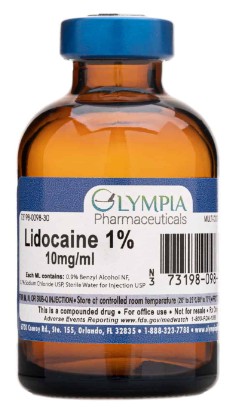
Most users experience mild, transient effects like temporary redness, swelling, or blanching at the application site. Itching or a burning sensation may occur initially but subsides quickly. Rare allergic reactions manifest as hives, rash, or difficulty breathing—seek emergency care immediately.[17]
Overdose from excessive application or occlusion leads to serious systemic effects: dizziness, confusion, tremors, seizures, slowed heartbeat, or respiratory depression. Children and those with liver impairment face heightened risks due to slower metabolism. Interactions with antiarrhythmics, beta-blockers, or CYP3A4 inhibitors amplify dangers. Always adhere to labeled maximums.[11]
The quest for safer anesthetics drove lidocaine's creation amid World War II shortages of cocaine-derived options. Löfgren's team tested over 200 compounds before perfecting lidocaine (initially Xylocaine), patented in 1944. Commercial production began in 1947 via Astra AB, revolutionizing anesthesiology. By the 1950s, it dominated dental and surgical fields. Modern innovations include liposomal formulations for prolonged release and nanotechnology for targeted delivery.[4][3]
China leads global lidocaine production, with factories adhering to GMP, ISO 13485, and FDA standards for export. Specialized biotech facilities synthesize high-purity active pharmaceutical ingredients (APIs) from precursors, then formulate into finished dosage forms. OEM services customize concentrations, packaging, and branding for international wholesalers, brands, and producers.
At supplybenzocaine.co.uk, operations span R&D, production, and quality control for lidocaine creams, gels, patches, and powders. Scalable lines handle volumes from pilot batches to millions of units, ensuring compliance with EU REACH, US TSCA, and destination-country regs. Stability testing, microbial controls, and cleanroom environments guarantee product integrity. Competitive pricing stems from vertical integration and efficient supply chains.[18][19][20]
Lidocaine provides reliable, accessible OTC pain relief worldwide when regulations permit, complemented by prescription strength for advanced needs. Proper use minimizes risks while maximizing benefits for millions daily. As a premier Chinese factory specializing in biotech, pharma, and medical devices at supplybenzocaine.co.uk, we offer top-tier OEM lidocaine solutions—tailored creams, gels, patches—for your brand. Contact us now for quotes, samples, and seamless global partnerships to boost your product portfolio![1][2]
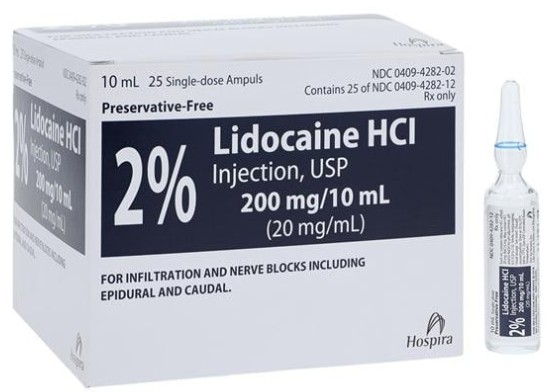
Yes, short-term topical use up to 7 days on intact skin follows package directions safely. Consult a doctor for extended needs or underlying conditions.[16][17]
Up to 5% in creams or patches, such as anorectal formulas. Never exceed dosing to prevent toxicity.[1]
Category B status indicates low topical risk, but always seek medical advice first.[2]
Lidocaine (amide) offers longer duration and lower allergy rates than benzocaine (ester).[6]
GMP-certified Chinese factories like supplybenzocaine.co.uk provide customizable, high-quality production.[20][21]
[1](https://curistrelief.com/products/lidocaine-cream-5-numbing-relief-max)
[2](https://www.goodrx.com/lidocaine-otc/what-is)
[3](https://www.sciencedirect.com/science/article/abs/pii/S0040402020308358)
[4](https://www.woodlibrarymuseum.org/museum/lidocaine/)
[5](https://go.drugbank.com/drugs/DB00281)
[6](https://en.wikipedia.org/wiki/Lidocaine)
[7](https://www.aspercreme.com/en-us/products/roll-on/lidocaine-roll-on)
[8](https://www.webmd.com/drugs/2/drug-11492/lidocaine-viscous-mucous-membrane/details)
[9](https://www.walmart.com/browse/health-medicine/lidocaine-cream/976760_6972993_1835235)
[10](https://www.singhealth.com.sg/medicine/lignocaine-2-gel)
[11](https://www.ncbi.nlm.nih.gov/books/NBK482479/)
[12](https://www.hmpgloballearningnetwork.com/site/thederm/article/7737)
[13](https://archive.hshsl.umaryland.edu/bitstreams/5c421bfd-caa3-4618-b1d0-aee1b21cff81/download)
[14](https://straitsresearch.com/report/europe-lidocaine-market)
[15](https://english.mee.gov.cn/Resources/laws/regulations/Natural_Conservation_Biosafety/201708/t20170803_419100.shtml)
[16](https://www.aspercreme.com/en-us/products/cream/lidocaine-pain-relief-cream)
[17](https://www.mayoclinic.org/drugs-supplements/lidocaine-topical-application-route/description/drg-20072776)
[18](https://www.made-in-china.com/products-search/hot-china-products/Lidocaine_Factory.html)
[19](https://www.sandoopharma.com/products/lidocaine-hydrochloride.html)
[20](https://www.supplybenzocaine.co.uk/the-best-lidocaine-products-available-online-a-comprehensive-guide.html)
[21](https://www.supplybenzocaine.co.uk/does-lidocaine-powder-rock-up.html)
Hot tags: Lidocaine Over The Counter, Buy Lidocaine Online, Lidocaine Cream OTC, Lidocaine Pain Relief, Topical Anesthetic Lidocaine, Lidocaine Patch Availability, FDA Lidocaine Guidelines, Best Lidocaine Products, Lidocaine for Hemorrhoids, OTC Pain Relief Options