Content Menu
● What is Lidocaine Injection?
● Medical Uses of Lidocaine Injection
● Alternatives to Lidocaine Injection
● Proper Administration Techniques
● Our OEM Services at supplybenzocaine.co.uk
● FAQ
>> 1. Is lidocaine injection safe for home use?
>> 2. What is the maximum safe dose of lidocaine injection?
>> 3. Can children or pregnant women receive lidocaine injections?
>> 4. How does injectable lidocaine differ from topical or patch forms?
>> 5. How can I source bulk, compliant lidocaine injections for my brand?
Lidocaine injection is not available over the counter in most countries worldwide, including the US, UK, EU, and China, because it is classified as a prescription-only medication to ensure safe medical administration. This restriction protects patients from potential misuse, overdose, and severe toxicity risks associated with injectable local anesthetics.[1][2][3]
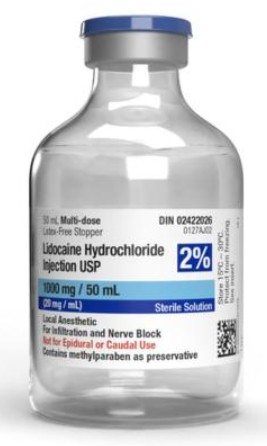
Lidocaine injection belongs to the amide class of local anesthetics, functioning by blocking voltage-gated sodium channels in nerve membranes, which prevents the generation and conduction of nerve impulses. Typically supplied in sterile solutions of 1%, 2%, or higher concentrations within glass vials, ampoules, or pre-filled syringes, it is designed for precise dosing in clinical settings. The hydrochloride salt form ensures stability and solubility, with common volumes ranging from 2ml to 50ml per container for various procedural needs.[2][3][4][5][6]
This anesthetic offers rapid onset, usually within 2-5 minutes, and provides anesthesia lasting 1-2 hours, depending on the site and adjuncts like epinephrine, which prolongs effects by vasoconstriction. Metabolized primarily by the liver via cytochrome P450 enzymes into monoethylglycinexylidide (MEGX) and glycinexylidide (GX), both active metabolites, it requires caution in patients with hepatic impairment. Healthcare professionals rely on it for a broad spectrum of applications, from minor outpatient procedures to critical care interventions.[3][2]
Lidocaine injection serves as a cornerstone for local and regional anesthesia in surgical, dental, and obstetric contexts, numbing specific areas without affecting consciousness. In dermatological and minor surgical procedures, such as laceration repairs or skin biopsies, it is infiltrated subcutaneously to provide immediate pain relief. For dental work, nerve blocks target branches like the inferior alveolar nerve for mandibular anesthesia, enabling painless extractions or fillings.[4][7][8]
Beyond anesthesia, intravenous lidocaine treats ventricular arrhythmias, particularly in post-myocardial infarction patients or during cardiac resuscitation when amiodarone is unavailable. It stabilizes cardiac membranes by suppressing automaticity in ectopic foci. Off-label uses include intravesical instillation for interstitial cystitis pain relief and perioperative analgesia in abdominal surgeries to reduce opioid requirements. In emergency trauma care, intraosseous administration facilitates vascular access in pediatric or hypovolemic patients by minimizing insertion discomfort.[2][3]
Regulatory frameworks strictly control lidocaine injection due to its injectable nature and potential for abuse or error. In the United States, the FDA designates injectable forms as prescription-only under Schedule not applicable but with boxed warnings for toxicity; only low-concentration topicals (under 5%) may be OTC for superficial use. Violations, such as selling unregistered high-strength products, prompt FDA enforcement actions, as seen in warnings against compounded pain relief patches.[10][1]
The United Kingdom follows MHRA guidelines mirroring the US, requiring prescriptions for injections while allowing nurse-led administration under protocols. In the European Union, EMA harmonizes classifications, listing lidocaine injections as prescription medicines across member states, with veterinary uses separately regulated. New Zealand's Medsafe aligns with Australia's TGA Schedule 4 (prescription-only), prohibiting OTC sales.[11][2]
China enforces stringent controls via the NMPA, mandating prescriptions and GMP compliance for production, with export requirements including certificates of analysis for international trade. Globally, purchasing without prescription risks legal penalties, counterfeit products, or contamination, emphasizing the need for licensed pharmacies or hospitals.[12][1]
Releasing lidocaine injection OTC would expose the public to grave dangers, including central nervous system (CNS) excitation leading to seizures, coma, or respiratory arrest. Systemic absorption varies by vascularity of the injection site—highly vascular areas like the neck or intercostal spaces elevate plasma levels rapidly, exceeding safe thresholds of 5 mcg/mL for initial symptoms like tinnitus or metallic taste.[13][3][2]
Overdose incidents have surged, particularly from compounded topicals applied to large areas or mucous membranes, causing cardiovascular collapse. Children and the elderly are vulnerable; infants under 3 years face methemoglobinemia risks from prilocaine relatives, though lidocaine itself carries warnings. Self-administration bypasses critical steps like aspiration to detect intravascular placement, which could precipitate arrhythmias via direct coronary injection.[7][13][2]
Professional oversight ensures calculated maximum doses—typically 4.5 mg/kg without epinephrine, up to 7 mg/kg with—and monitoring for early toxicity signs. Historical data from poison centers show OTC confusion with injectables contributes to preventable hospitalizations.[8][14]

Mild side effects encompass injection site reactions like erythema, edema, or transient paresthesia. Systemic effects progress from CNS (lightheadedness, nystagmus) to severe (grand mal seizures, apnea). Cardiovascular manifestations include hypotension, bradycardia, or asystole at plasma levels above 20 mcg/mL.[1][3][2]
Allergic reactions, though rare (amide anesthetics <1%), manifest as urticaria or anaphylaxis; true allergies favor ester alternatives like procaine. Drug interactions amplify risks—cimetidine inhibits metabolism, beta-blockers blunt compensatory tachycardia, and opioids synergize respiratory depression. Contraindications include second/third-degree heart block, severe liver disease, and concurrent antiarrhythmics like mexiletine.[9][2]
Toxicity treatment follows ACLS protocols: airway management, benzodiazepines for seizures, and intravenous lipid emulsion (Intralipid 20%) as a reversal agent binding free drug. Preventive strategies include incremental dosing, epinephrine addition for infiltration, and sodium bicarbonate buffering to neutralize sting on injection.[8][2]
For superficial pain, OTC topical lidocaine patches (5%) or gels offer non-invasive relief for conditions like post-herpetic neuralgia or minor burns. Longer-acting bupivacaine provides 4-8 hours of anesthesia for major nerve blocks, while ropivacaine offers less cardiotoxicity. Articaine excels in dentistry due to superior bone diffusion.[15][1][8]
Non-pharmacologic options include cryotherapy, TENS units, or acupuncture for chronic pain. For arrhythmias, current AHA guidelines favor amiodarone over lidocaine in shock-refractory VF/VT. Patient-specific factors guide selection, always under medical evaluation.[3]
Sterile technique is paramount: draw from multi-dose vials using 25-27G needles for infiltration, confirming no blood return via aspiration. Slow injection (1 mL/min) minimizes discomfort; buffering 1:10 with 8.4% sodium bicarbonate raises pH, reducing nociceptor activation. Regional blocks require anatomic landmarks—e.g., interscalene for shoulder surgery targets the brachial plexus at C5-C7.[2][7]
Patient monitoring includes pulse oximetry, ECG, and verbal contact during procedures exceeding 1 mg/kg. Post-administration, observe for 30 minutes for delayed toxicity. Instructional videos demonstrate bevel-up skin puncture at 30-45 degrees for optimal tissue spread.[2]
supplybenzocaine.co.uk operates as a premier Chinese factory dedicated to biotechnology, pharmaceutical health, and medical device R&D, production, and sales.[user context] Specializing in OEM/ODM services, we supply international brands, wholesalers, and manufacturers with GMP-certified lidocaine injections, including 1% and 2% HCl formulations in customizable vials (2ml-50ml), ampoules, or cartridges.[5][12]
Our state-of-the-art facilities ensure USP/EP compliance, sterile filling under ISO 8 cleanrooms, and full traceability with batch testing for purity (>99%), endotoxin levels, and stability. Packaging options include unit cartons of 10, private labeling, and serialization for EU FMD compliance. We handle export documentation, including CoA, MSDS, and free sale certificates, streamlining global distribution.[12]
Competitive MOQs start at 10,000 units, with lead times of 4-6 weeks and scalable production up to millions annually. Quality assurance incorporates HPLC analysis, pyrogen testing, and third-party validation. Past collaborations include EU dermatology brands and US dental suppliers, attesting to our reliability. By partnering with us, clients access cost-effective, high-quality anesthetics tailored to market needs, from preservative-free options to epinephrine combos.
Lidocaine injection's prescription-only status underscores its potency and the necessity for professional handling to avert serious adverse events. Businesses seeking superior OEM production should contact supplybenzocaine.co.uk immediately for personalized consultations, competitive quotes, free samples, and seamless integration into your supply chain—unlock premium quality and efficiency today![1][3]
No, professional administration is essential to manage dosing, monitor complications, and prevent life-threatening toxicity like seizures or cardiac arrest.[3][2]
Without epinephrine, 4.5 mg/kg; with epinephrine, up to 7 mg/kg, adjusted for patient weight and procedure—always calculated by clinicians.[8][2]
Yes, with reduced dosing; neonates require 1-2 mg/kg max, and pregnancy category B status permits use in labor epidurals under monitoring.[2]
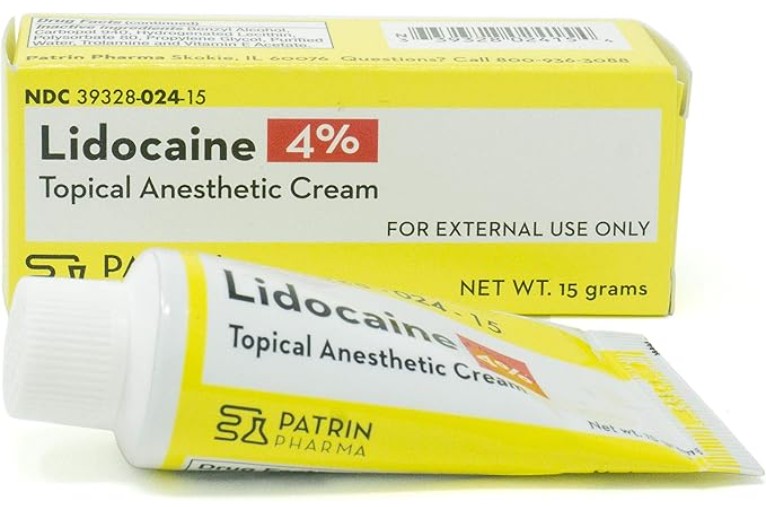
Injections achieve profound, rapid, site-specific anesthesia; topicals provide superficial relief and are OTC but limited by absorption barriers.[15][1]
Partner with certified OEM providers like supplybenzocaine.co.uk for GMP lidocaine tailored to your specifications, packaging, and regulatory needs.[12]
[1](https://plushcare.com/xylocaine-lidocaine-prescription)
[2](https://www.medsafe.govt.nz/profs/class/Agendas/Agen73/Lignocaine.pdf)
[3](https://www.ncbi.nlm.nih.gov/books/NBK539881/)
[4](https://www.pfizermedical.com/lidocaine-hydrochloride/indications-usage)
[5](https://formativepharma.com/pharmaceutical-products/lidocaine-hydrochloride-injection-usp-1-vials/)
[6](https://supply.unicef.org/s1555215.html)
[7](https://www.youtube.com/watch?v=xLEKTIVt2QY)
[8](https://www.scribd.com/document/402807904/local-anesthetic-injection-chart-ofa)
[9](https://www.mayoclinic.org/drugs-supplements/lidocaine-injection-route/description/drg-20452273)
[10](https://www.drugoffice.gov.hk/eps/upload/eps_news/53117/ZH/1/News%20bulletin%2027%20Mar%202024%20(Lignocaine).pdf)
[11](https://www.ema.europa.eu/en/documents/mrl-report/lidocaine-porcine-species-european-public-mrl-assessment-report-epmar-cvmp_en.pdf)
[12](https://www.sonwuapi.com/api-powder/99-lidocaine-powder.html)
[13](https://today.uic.edu/lidocaine-poisonings-rise-despite-overall-drop-in-local-anesthetic-toxicity/)
[14](https://www.poison.org/articles/lidocaine-can-cause-harmful-effects-172)
[15](https://www.goodrx.com/lidocaine/what-is)
Hot tags: Lidocaine Injection Over The Counter, Buy Lidocaine Online, Lidocaine Prescription Requirements, OTC Lidocaine Availability, Lidocaine Injection Uses, Local Anesthetic Lidocaine, Lidocaine Injection Side Effects, Where To Buy Lidocaine, Lidocaine Injection Dosage, Lidocaine Injection Alternatives