Content Menu
● Common Forms and Uses of Lidocaine
● Why Lidocaine Powder is Not Sold Over the Counter
>> Need for Expertise in Formulation
● Over-the-Counter Alternatives Containing Lidocaine
● How to Use Lidocaine Products Safely
● Buying Lidocaine Powder for Industrial or Research Use
● The Growing Demand for OEM Lidocaine Products
● FAQ
>> 1. Can I buy lidocaine powder without a prescription?
>> 2. What over-the-counter lidocaine products are available?
>> 3. Is it safe to use pure lidocaine powder directly on my skin?
>> 4. How do manufacturers purchase lidocaine powder?
>> 5. What are the possible side effects of topical lidocaine products?
Lidocaine is a widely known and extensively used local anesthetic and topical pain reliever. It offers effective numbing properties during minor medical procedures and provides relief from pain caused by various conditions affecting the skin and tissue. Among consumers and professionals alike, a common question arises: Can you buy lidocaine powder over the counter? This article will provide a detailed explanation about the availability, safety, applications, and regulations surrounding lidocaine powder and its other forms, with a focus on accessibility to the general public.
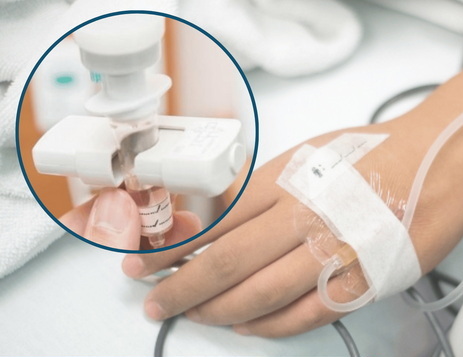
Lidocaine, chemically named 2-(diethylamino)-N-(2,6-dimethylphenyl)acetamide, is a local anesthetic agent primarily used to block nerve signals in a targeted region of the body. Lidocaine works by inhibiting the ionic fluxes required for the initiation and conduction of nerve impulses, which results in localized numbness or analgesia. This mechanism makes it highly valuable in medicine, dentistry, dermatology, and cosmetic procedures.
The compound was first synthesized in the 1940s and has since become one of the most widely used local anesthetics worldwide. Its rapid onset and intermediate duration of action make it a preferred choice over earlier local anesthetics such as procaine.
Lidocaine is available in multiple formulations, each designed to suit specific medical or consumer needs. The range includes:
- Creams and Ointments: Typically used to relieve minor burns, insect bites, sunburn, hemorrhoids, and skin irritations. These usually contain 2% to 5% lidocaine.
- Sprays: Used for topical anesthesia in dental work or superficial medical procedures.
- Gels: Often applied for numbing mucous membranes or skin before injections or cosmetic treatments.
- Patches: Adhesive patches infused with lidocaine (often 5%) are used to treat localized nerve pain, including postherpetic neuralgia.
- Injectable Solutions: Used by healthcare professionals for anesthesia during surgery or dental work.
- Powder: Pure lidocaine powder is primarily used as a raw pharmaceutical intermediate for manufacturing these various finished dosage forms.
In dental practices, lidocaine blocks pain effectively for procedures such as fillings and extractions. In dermatology and cosmetic clinics, lidocaine formulations mitigate pain during tattooing, laser treatments, and minor surgeries.
Despite lidocaine's popularity, pure lidocaine powder itself is generally not available for sale over the counter to the general public. There are several reasons for this restriction:
Lidocaine in its powder form is highly concentrated and potent. Without precise handling and accurate measurement, there is a significant risk of overdose, leading to potentially life-threatening toxicity. Symptoms of lidocaine overdose include dizziness, respiratory depression, seizures, cardiac arrhythmias, or even cardiac arrest. Consequently, raw powder handling requires specialized knowledge and dosing expertise.
Because of its potency and risk profile, lidocaine powder is classified as a controlled or prescription-only substance in many countries. Pharmaceutical regulation authorities strictly oversee its sale and distribution to prevent misuse and accidental poisoning.
Lidocaine powder is a raw material intended to be formulated into creams, gels, sprays, or patches. This compounding process requires proper chemical knowledge, equipment, and quality control standards to ensure the end product is safe and effective. Unregulated use of raw powder is unsafe and is prohibited in most jurisdictions.
Therefore, while lidocaine-containing products formulated for consumer use are widely available, the raw powder is restricted to manufacturers, wholesalers, and licensed professionals.
The good news for consumers seeking pain relief is that various over-the-counter (OTC) lidocaine products are readily available and legally sold in pharmacies, drug stores, and supermarkets. These include:
- Lidocaine Creams and Gels: Typically formulated with concentrations ranging from 2% to 5%, these products numb the skin's surface to relieve minor burns, cuts, insect bites, and irritation. They are commonly used for temporary relief and are safe when used as directed.
- Topical Sprays: Lidocaine sprays provide a fast-acting numbing effect applied to relatively small areas. They are frequently used for temporary relief from pain and itching.
- Pain Relief Patches: These adhesive patches deliver a localized 5% dose of lidocaine to penetrate and relieve nerve pain. They are particularly useful for conditions like shingles-related pain (postherpetic neuralgia).
- Combination Products: Some OTC items combine lidocaine with other analgesics or anti-inflammatory agents for enhanced pain relief.
These OTC products are designed with specific concentration limits that balance efficacy with safety to make them effective for everyday consumer use. The dosing instructions and warnings help prevent misuse and adverse effects.
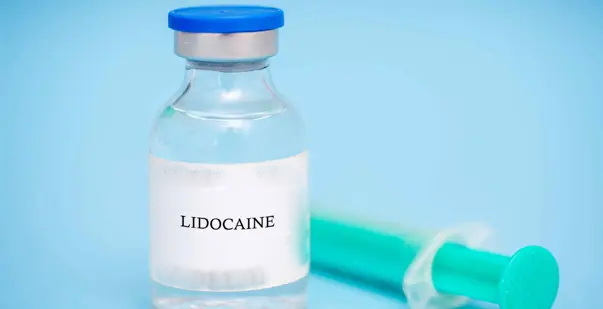
For consumers choosing OTC lidocaine formulations, safe application ensures optimal benefit with minimal risk. Important guidelines include:
- Follow package instructions carefully, especially regarding dosage, frequency, and maximum area of application.
- Avoid using lidocaine products on large areas, broken skin, or mucous membranes unless indicated.
- Do not exceed the recommended dose, as systemic absorption may cause side effects.
- Discontinue use and seek medical advice if you experience allergic reactions such as rash, itching, dizziness, or breathing difficulties.
- Do not use multiple products containing lidocaine simultaneously without consulting a healthcare provider.
- Keep products out of reach of children and pets.
Lidocaine-containing topical products are meant for temporary relief. If pain persists or worsens, professional medical evaluation is advised.
For pharmaceutical manufacturers, biotech companies, laboratories, or compounding pharmacies, sourcing high-quality lidocaine powder is essential. The bulk powder serves as a raw material in the manufacture of creams, gels, sprays, and injectables. When buying lidocaine powder in bulk, buyers need to consider the following:
- Quality and Purity: Pharmaceutical-grade lidocaine powder meets established purity specifications and undergoes stringent quality control to ensure safety and efficacy in finished products.
- Regulatory Compliance: Suppliers require buyers to provide necessary licenses, certifications, and credentials to comply with relevant laws governing controlled substances.
- Secure Packaging and Handling: Lidocaine powder must be shipped and stored under controlled conditions to preserve stability and prevent contamination.
- Reliable Supplier: Partnering with reputable manufacturers who comply with Good Manufacturing Practices (GMP) ensures consistent product quality.
In countries like China and India, many reliable suppliers specialize in pharmaceutical intermediates, including lidocaine powder. Buyers can source raw materials according to their needs and arrange for OEM services to develop private label products.
The expanding global demand for topical anesthetics and pain relief products has driven interest in OEM (Original Equipment Manufacturer) services. Brand owners, wholesalers, and retailers seek trusted partners who can supply high-quality lidocaine powders and finished formulations compliant with international standards.
By collaborating with experienced manufacturers, businesses can:
- Access a wide variety of lidocaine-based formulations.
- Customize product concentrations, packaging, and branding.
- Benefit from competitive pricing due to scale and manufacturing expertise.
- Ensure regulatory compliance and product safety with professional support.
This is particularly important in markets with complex regulatory environments where professional manufacturing safeguards help ensure lawful distribution and market success.
In summary, pure lidocaine powder is not available over the counter mainly due to safety, regulatory, and formulation concerns. Consumers can find many OTC lidocaine-containing products—such as creams, sprays, gels, and patches—that offer safe, effective topical pain relief at regulated concentrations. For manufacturers and licensed professionals, lidocaine powder is accessible as a raw material for pharmaceutical compounding and production under strict regulatory oversight.
As a Chinese factory specializing in biotechnology, pharmaceuticals, and medical devices, we provide high-quality lidocaine powders and OEM services tailored to global brands, wholesalers, and production companies. Contact us today to explore premium lidocaine raw materials and customized solutions that can elevate your product offerings and meet your commercial needs efficiently.

No. Lidocaine powder in raw form is generally not sold over the counter. It is a controlled substance in many countries, requiring professional licensing or prescription. It is primarily available to pharmaceutical manufacturers and licensed healthcare professionals.
Common OTC products contain lidocaine in concentrations ranging from 2% to 5%. These include creams, gels, sprays, and patches designed for temporary relief of minor pain, itching, and skin irritation.
No. Pure lidocaine powder is highly concentrated and requires proper dilution and formulation by professionals. Direct use on skin can cause overdose, allergic reactions, or toxicity.
Manufacturers purchase pharmaceutical-grade lidocaine powder from licensed suppliers or chemical manufacturers. They must meet regulatory requirements and certifications to legally handle and use the raw material.
Side effects may include skin irritation, redness, allergic reactions, localized numbness extending beyond the application site, or systemic effects if overused. Always follow usage instructions and consult healthcare providers if adverse symptoms occur.
Hot tags: Lidocaine Powder Over The Counter, Buy Lidocaine Online, OTC Lidocaine Purchase, Lidocaine Availability, Local Anesthetic Purchase, Lidocaine Cream OTC, Where to Buy Lidocaine, Lidocaine for Pain Relief, Lidocaine Online Store, Lidocaine Prescription Requirements