Content Menu
● Why Do Some People Ask if You Can Get High Off Lidocaine Powder?
● How Does Lidocaine Powder Affect the Body?
>> Systemic Toxicity (from overdose or improper use)
● Can Using Lidocaine Powder Recreationally Cause a High?
● The Role of Lidocaine Powder in Medical and Pharmaceutical Fields
● Safety and Responsible Use of Lidocaine Powder
● Frequently Asked Questions (FAQs)
>> 1. Can lidocaine powder make you feel intoxicated or high?
>> 2. What are the risks of misusing lidocaine powder?
>> 3. How is lidocaine powder normally used?
>> 4. What should I do in case of lidocaine overdose?
>> 5. Can lidocaine powder cause allergic reactions?
Lidocaine is widely known as a local anesthetic used to numb tissue in a specific area. It is frequently used in medical and dental procedures, as well as in topical creams and patches to relieve pain. However, a common question that arises, especially regarding powdered lidocaine, is whether it can produce a “high” or euphoric effect similar to recreational drugs. The short answer is: lidocaine powder is not intended to produce a high and using it improperly can be dangerous and potentially life-threatening. This article explores the effects of lidocaine, its risks, and the misconception about getting high from lidocaine powder.
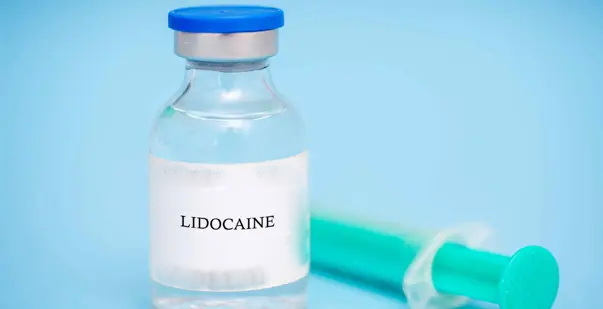
Lidocaine is a synthetic local anesthetic that works by blocking nerve signals in the body. It is used medically to prevent pain during minor surgeries, dental work, and other procedures. The compound comes in various forms, such as gels, creams, liquids, sprays, injections, and powders. The powder form is often used in pharmaceutical manufacturing and compounding, as well as in the production of topical anesthetics.
Lidocaine's primary mechanism is to block sodium channels on nerve cells, preventing the transmission of pain signals to the brain. This effect leads to numbness, not euphoria or a “high.” By interfering with the nerve signal transmission, lidocaine helps in making the targeted area insensitive to pain without affecting the person's consciousness or mood in the intended therapeutic applications.
The curiosity about whether lidocaine can cause a high likely stems from reports of neurological side effects that resemble intoxication. High doses or accidental overdoses of lidocaine can cause symptoms affecting the central nervous system (CNS), such as dizziness, euphoria, hallucinations, and seizures. These effects, however, are not recreational or safe, but rather signs of toxic lidocaine exposure.
In some cases, misuse of lidocaine—often through unsafe routes like ingestion, inhalation, or injection in non-medical contexts—can lead to systemic toxicity marked by nervousness, agitation, tingling sensations, euphoria, hallucinations, seizures, and unconsciousness. These symptoms are caused by the drug's interference with electrical activity in the brain and can endanger life rather than provide any pleasurable sensation.
The misconception that such symptoms might equate to a “high” is dangerous because it obscures the severe health risks associated with inappropriate use of lidocaine powder. Instead of recreational pleasure, the manifestations are signs of poisoning and require urgent medical assistance.
When lidocaine powder is used correctly in medical contexts (e.g., compounded into creams or injections), it numbs the targeted area without significant systemic effects. However, misuse or overdose causes lidocaine to enter the bloodstream in larger amounts, which can then affect the brain and heart causing toxicity symptoms.
When applied or injected properly, lidocaine produces numbness and loss of sensation in the area being treated. Patients may sometimes experience temporary redness or a mild burning sensation at the application site, but these are generally mild and transient.
If sufficient amounts of lidocaine enter the bloodstream, it may cause several adverse effects affecting the central nervous system and cardiovascular system:
- CNS Excitation: This phase includes symptoms such as dizziness, nervousness, restlessness, euphoria, hallucinations, and muscle twitching. These effects are signs of nervous system irritation and are not safe or pleasurable.
- CNS Depression: At higher doses, lidocaine causes sedation, drowsiness, confusion, respiratory depression, and even coma. This suppression of brain function can be fatal.
- Cardiovascular Issues: Lidocaine toxicity can lead to hypotension (low blood pressure), arrhythmias (irregular heartbeats), and in severe cases, cardiac arrest.
Because of these dangers, lidocaine overdose is a medical emergency that requires prompt treatment, often involving management of airway, breathing, circulation, and sometimes the use of intravenous lipid emulsions to bind the drug in the bloodstream.

The scientific consensus is that lidocaine is not a drug of abuse and does not produce a safe or desirable high when used improperly. The CNS symptoms observed with overdose are signs of toxicity and require immediate medical attention. These effects should never be mistaken for recreational highs.
Some individuals have experimented with snorting, injecting, or ingesting lidocaine powder in hopes of achieving psychoactive effects. Such practices are extremely dangerous. Not only do they provide no safe euphoric effect, but they also increase the risk of life-threatening complications such as seizures, cardiac arrest, respiratory failure, coma, and death.
Unlike opioids or stimulants, lidocaine does not interact directly with the brain's reward centers to cause addiction or pleasurable highs. Its action is localized nerve signal blockade or, at high doses, toxic disruption of nerve and cardiac function.
Therefore, attempts to misuse lidocaine powder as a recreational drug are strongly discouraged by medical professionals and pharmacologists alike.
Lidocaine powder is primarily used under controlled conditions in pharmaceutical manufacturing. It is a raw material that can be compounded or formulated into various delivery methods including creams, gels, sprays, or injectable solutions. Its purity, quality, and formulation are tightly regulated to ensure safety and efficacy.
Pharmaceutical companies and compounding pharmacies rely on pharmaceutical-grade lidocaine powder to create products tailored to specific medical needs. For example, lidocaine patches are used for localized pain management in conditions like postherpetic neuralgia; lidocaine injections are common in dental and minor surgical procedures.
Effective medical use of lidocaine promotes patient comfort and pain control with minimal side effects when administered by trained healthcare professionals.
Lidocaine powder should only be handled by trained professionals and used as directed for medical or pharmaceutical purposes. Improper use or handling can have serious consequences.
Some key safety considerations include:
- Only use products approved and formulated for medical uses.
- Avoid applying lidocaine powder extensively or on broken skin to prevent increased absorption and risk of toxicity.
- Never attempt to ingest, snort, or inject lidocaine powder outside medical supervision.
- Be aware of possible allergic reactions, which, although rare, include rash, swelling, itching, and difficulty breathing.
- In case of any adverse reaction or suspicion of overdose, seek emergency medical attention promptly.
Adherence to guidelines from regulatory authorities on lidocaine products ensures safe and effective pain management.
Lidocaine powder is a potent local anesthetic meant for professional medical use and does not produce a recreational high. While CNS effects like euphoria or hallucinations can occur due to toxicity from misuse or overdose, these are dangerous symptoms indicating poisoning rather than a desirable effect. Improper use of lidocaine powder poses severe health risks, including seizures and cardiac arrest, and should be strictly avoided.
For safe and effective supply of high-quality lidocaine powder and related pharmaceutical products, it is essential to consult professional manufacturers and suppliers who provide certified OEM services. Trustworthy suppliers ensure pharmaceutical-grade purity and safety compliance, critical for the healthcare industry and end-users.
If you are seeking reliable, quality-controlled lidocaine powder for pharmaceutical or medical use, please contact us. We specialize in producing high-purity lidocaine and OEM services customized for overseas brand owners, wholesalers, and manufacturers, based in China.

No, lidocaine powder is not intended to cause intoxication or a pleasurable high. Symptoms like dizziness or euphoria during overdose are signs of toxicity and are dangerous.
Misuse can cause serious side effects including seizures, heart problems, respiratory failure, and even death. It is not safe for recreational use.
It is usually compounded into topical products, injections, or patches by licensed pharmacists or manufacturers for medical anesthesia and pain relief.
Seek immediate medical attention. Signs include confusion, seizures, irregular heartbeat, and difficulty breathing. Emergency treatment may be required.
Yes, although rare, allergic reactions may include rash, swelling, itching, and breathing difficulties. Stop use and seek medical help if symptoms occur.