Content Menu
● Novocaine vs Modern Anesthetics
● OTC Alternatives to Novocaine
● Manufacturing Local Anesthetics
● OEM Services for Brands, Wholesalers, and Manufacturers
● FAQ
>> 1. Is Novocaine available over the counter?
>> 2. What are effective OTC substitutes for Novocaine?
>> 3. How does benzocaine compare to lidocaine for pain relief?
>> 4. Can Chinese factories provide OEM benzocaine services?
>> 5. What are the main risks of OTC local anesthetics?
Novocaine, once a household name in dental anesthesia, cannot be purchased over the counter at typical drugstores due to its status as a prescription-only injectable anesthetic in most countries. While modern alternatives like benzocaine and lidocaine provide accessible options for minor pain relief, understanding Novocaine's role, history, and limitations helps clarify why it's not available for casual purchase. This article delves deep into its composition, uses, alternatives, risks, manufacturing processes, and opportunities for brands seeking OEM supplies.
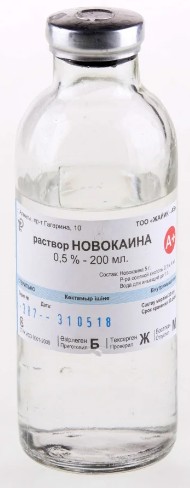
Novocaine, chemically known as procaine hydrochloride, belongs to the ester-type local anesthetics family. It works by blocking sodium channels in nerve membranes, preventing the transmission of pain signals from the affected area to the brain. Introduced as a safer alternative to cocaine, Novocaine revolutionized dentistry and minor surgery by allowing painless procedures without general anesthesia.
Dentists typically administer it via injection into the gums or tissues surrounding the treatment site. The anesthetic diffuses quickly, numbing the area within 2 to 5 minutes. Its effects last 30 to 90 minutes for soft tissue and slightly less for bone, making it suitable for shorter procedures like simple fillings or extractions. However, its relatively short duration and potential for allergic reactions led to its decline in favor of more advanced options.
Novocaine's chemical structure, a derivative of para-aminobenzoic acid (PABA), contributes to its metabolism by plasma cholinesterases in the body. This process breaks it down into para-aminobenzoic acid and diethylaminoethanol, which are then excreted. Unlike amides such as lidocaine, esters like procaine carry a higher risk of hypersensitivity because PABA can trigger immune responses in some patients.
The story of Novocaine begins in 1905 when German chemist Alfred Einhorn first synthesized procaine at the Hoechst pharmaceutical company. Seeking a non-addictive substitute for cocaine, which was widely used but notoriously dangerous due to its addictive properties and systemic toxicity, Einhorn's creation marked a pivotal moment in medical history.
By 1907, Novocaine entered clinical practice, quickly gaining traction during World War I for battlefield surgeries. Its stability, low cost, and relative safety made it ideal for field conditions. Post-war, it became a staple in dental offices worldwide, with the brand name "Novocaine" becoming synonymous with dental anesthesia—much like "Kleenex" for tissues.
The mid-20th century brought challenges. Reports of adverse reactions, including convulsions, hypotension, and rare fatalities from intravascular injection, prompted research into better alternatives. By the 1940s, lidocaine emerged as a superior amide anesthetic with faster onset, longer duration, and fewer ester-related allergies. Today, Novocaine survives in niche applications, such as spinal anesthesia or diagnostic nerve blocks, but its dental heyday has passed.
Lidocaine, introduced in 1948, largely supplanted Novocaine due to its amide structure, which resists hydrolysis and provides prolonged numbness. Lidocaine acts within 1 to 2 minutes and lasts 1 to 3 hours, ideal for complex procedures like root canals or implants. It also vasoconstricts less, reducing the need for epinephrine additives that extend duration but raise heart rates.
Articaine and bupivacaine represent further evolutions. Articaine, with its thiophene ring, penetrates bone better for mandibular blocks, while bupivacaine offers extended relief for postoperative pain. All these block voltage-gated sodium channels similarly, but differences in protein binding, pKa, and lipid solubility dictate their clinical profiles.
Safety profiles vary too. Procaine's ester linkage increases allergy risk (up to 1% of patients), often manifesting as urticaria or anaphylaxis. Amides like lidocaine trigger true allergies far less frequently (1 in 10,000). Vasoconstrictors like epinephrine, commonly added to all, minimize systemic absorption but demand caution in cardiac patients.
Pure injectable Novocaine requires a prescription from a licensed healthcare provider and is dispensed solely through pharmacies for professional use. Retail chains like CVS, Walgreens, or Boots do not stock it on shelves due to FDA and equivalent regulations classifying it as a controlled substance for injection. Attempting to buy it without authorization violates pharmaceutical laws.
This restriction stems from risks of misuse, improper dosing, and lack of sterile administration training among laypeople. Injectables demand precise sterile technique to avoid infections like abscesses or endocarditis. Drugstores prioritize consumer safety by limiting access to topical OTC products only.
Internationally, rules align similarly. In the EU, procaine falls under prescription anesthetics, while the UK MHRA enforces strict controls. Online pharmacies occasionally offer it with telehealth prescriptions, but legitimacy varies—beware counterfeit risks.
For minor oral irritations, benzocaine reigns as the go-to OTC option. Available in 5-20% concentrations in gels, sprays, lozenges, and ointments, it numbs mucous membranes rapidly for canker sores, teething pain, or post-procedure soreness. Brands like Orajel or Anbesol deliver relief within 15-30 seconds, lasting 10-30 minutes.
Lidocaine viscous solutions (2%) treat mouth ulcers or burns OTC in some regions, while 4-5% patches soothe skin or joint pain. Lidocaine absorbs transdermally, providing 4-12 hours of relief without injection. Dibucaine (0.25-1%) and pramoxine offer gentler alternatives for sensitive skin.
These topicals suit self-care but pale against injectables' depth. They numb surface nerves only, ineffective for deep dental work. Always patch-test and adhere to age/dosage limits, especially avoiding benzocaine in infants due to methemoglobinemia risks.
Dentists deploy local anesthetics for virtually all invasive procedures. Fillings require pulpal anesthesia to eliminate drill pain; extractions demand full inferior alveolar nerve blocks for lower teeth. Root canals involve multiple injections for prolonged access, while periodontal surgery uses topical-plus-infiltrative combos.
Modern protocols emphasize patient comfort with buffered anesthetics (adding sodium bicarbonate to neutralize pH) and computer-controlled delivery systems like The Wand, minimizing tissue distortion and pain from rapid injection. Pediatric dentistry favors flavored topicals pre-injection.
Beyond teeth, orthodontics uses anesthetics for bracket placements, and oral surgery for biopsies or implants. Emergency care employs them for trauma like avulsed teeth. Duration tailoring—epinephrine-free for short jobs, high-concentration for long—optimizes outcomes.
All local anesthetics carry risks proportional to dose and site. Procaine's rapid intravascular uptake can cause CNS excitation (tinnitus, seizures) or depression (respiratory arrest). Cardiovascular effects include bradycardia or arrhythmias, especially with epinephrine.
True allergies are rare; most "reactions" stem from sulfite preservatives or psychogenic vasovagal responses. Methemoglobinemia, a benzocaine hallmark, reduces blood oxygen-carrying capacity, presenting as cyanosis—treatable with methylene blue.
Overdose prevention hinges on maximum recommended doses: 7mg/kg for procaine, 4.5mg/kg for lidocaine. Monitoring via electronic dental records and vital signs checks safeguards patients. Contraindications include liver disease (amides), pseudocholinesterase deficiency (esters), and pregnancy category C status.
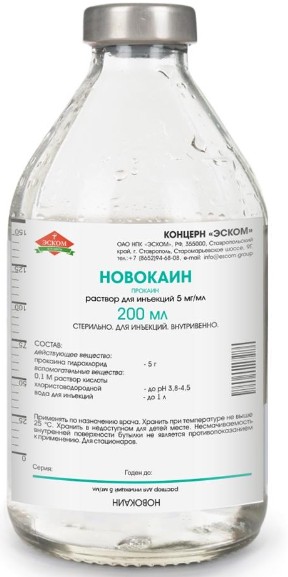
Producing pharmaceutical-grade anesthetics demands GMP-certified facilities with cleanrooms (ISO 7/8). Synthesis starts with precursor chemicals: procaine from p-aminobenzoic acid and diethylaminoethanol via esterification, purified via recrystallization.
Formulation blends active with mannitol, sodium chloride for isotonicity, and water for injection. pH adjusts to 3.3-5.5 for stability. Filling occurs aseptically into glass cartridges or vials, followed by autoclaving at 121°C. Terminal sterilization ensures sterility assurance levels of 10^-6.
Quality control spans HPLC assays (99.5%+ purity), endotoxin testing (LAL <0.5 EU/ml), and particle counts. Packaging includes tamper-evident seals. Stability studies confirm 2-3 year shelf lives under refrigeration.
Chinese biotech factories excel in OEM local anesthetics, supplying powders, solutions, and custom formulations to global brands. Specializing in benzocaine (99.9% USP), lidocaine HCl, and procaine for dental, medical device, and pharma applications, they offer scalability from lab batches to tons.
Services encompass private labeling, API synthesis, finished dosage forms (sprays, gels, injectables), and regulatory dossiers (DMF, COS, CEP). Competitive edges include 30-50% cost savings versus Western producers, MOQs as low as 1kg, and door-to-door shipping. Compliance with FDA, EMA, and JP standards, plus third-party audits (SGS, BV), assures reliability.
For abroad brand owners, wholesalers, and producers, these partners streamline supply chains. Custom blends—like benzocaine-lidocaine combos or flavored topicals—accelerate market entry. Traceability via blockchain and COAs per batch fosters trust.
Novocaine's unavailability at drugstores underscores the divide between professional injectables and safe OTC topicals like benzocaine for everyday relief. From its groundbreaking history to modern manufacturing innovations, local anesthetics continue powering pain-free healthcare. Brands, wholesalers, and producers ready to elevate their lines with premium OEM solutions—contact supplybenzocaine.co.uk now for tailored quotes, free samples, and seamless global partnerships! Contact us to get more information!

No, Novocaine (procaine) is a prescription-only injectable anesthetic, unavailable at retail drugstores due to safety regulations requiring professional administration.
Benzocaine (5-20%) in sprays or gels and lidocaine 4% patches provide quick topical numbing for minor oral or skin pain, fully accessible without prescription.
Lidocaine offers longer-lasting effects at lower concentrations for deeper penetration, while benzocaine acts faster on surfaces; both are safe topically but not interchangeable for all uses.
Yes, facilities like supplybenzocaine.co.uk deliver pharmaceutical-grade benzocaine powders and formulations with customization, compliance, and competitive pricing for international clients.
Overuse risks methemoglobinemia (benzocaine) or allergic reactions; always follow dosing, avoid in children under 2, and seek medical advice for persistent pain.
1. https://www.goodrx.com/lidocaine/what-is
2. https://toothandpen.com/treatment/whats-the-difference-between-novocaine-and-lidocaine/
3. https://yubacitydentistry.com/oral-surgery/anesthetics-a-dental-care-staple/
4. https://pubmed.ncbi.nlm.nih.gov/37750534/
5. https://sacramentofamilydentist.com/numb-and-number-the-curious-case-of-novocaines-lasting-legacy/
6. https://www.benzocainefactory.com
7. https://curistrelief.com/blogs/curist/benzocaine-vs-lidocaine-better-pain-relief
8. https://www.law.cornell.edu/cfr/text/21/346.10
9. https://enclarapharmacia.com/palliative-pearls/comparing-prescription-and-over-the-counter-lidocaine-patches
10. https://www.coralreefdental.com/blog/how-long-does-novocaine-last
11. https://mintminidentalimplants.com/computerized-novocaine-system-in-wilkes-barre-pa/
12. https://www.youtube.com/watch?v=CdZHeZoHpy8
13. https://www.terrybinnscatalog.com/Americaine-20-Benzocaine-Topical-Anesthetic-Spray-p/3301001.htm
14. https://curistrelief.com/products/lidocaine-4-patch-maximum-strength-20-patches
15. https://patents.google.com/patent/CN102793691A/en
16. https://www.foxbiochemicals.com/china-local-anesthesia-dental-factory/
17. https://www.supplybenzocaine.co.uk/where-to-buy-cheap-benzocaine.html
18. https://www.brugadadrugs.org/generic-vs-brand-names/
19. https://www.shutterstock.com/search/dental-novocaine
20. https://www.youtube.com/watch?v=Md_l2Nja6Yk
Hot tags: Novocaine Purchase, Buy Novocaine Online, Novocaine Drugstore Availability, Novocaine Over The Counter, Novocaine Prescription Requirements, Novocaine Alternatives, Novocaine Uses, Novocaine Side Effects, Novocaine Cost, Novocaine Pain Relief