Content Menu
● What Is Paracetamol (Acetaminophen)?
● What Is It Called in the USA?
● Where Can You Buy It in America?
● Forms, Strengths, and Typical Dosages
● Safety, Maximum Daily Dose, and Liver Risk
● Common US Brand Names and Combination Products
● Regulatory Perspective in the United States
● How International Buyers and Brands Should View the US Market
● OEM Acetaminophen / Paracetamol Manufacturing Support
● How to Choose a Reliable OEM Partner for Acetaminophen Products
● Practical Tips for Consumers Buying Acetaminophen in the US
● How Brand Owners Can Position Acetaminophen Products
● FAQs About Buying Paracetamol (Acetaminophen) in America
>> 1. Is paracetamol over the counter in the USA?
>> 2. What is the maximum daily dose of acetaminophen for adults?
>> 3. How can I tell if a US cold or flu product contains acetaminophen?
>> 4. Are there prescription medicines in the US that contain acetaminophen?
>> 5. Can OEM manufacturers supply acetaminophen products for export markets?
Yes, you can buy the medicine known worldwide as paracetamol in the United States, but it is almost always labeled as acetaminophen instead of “paracetamol.” It is widely available over the counter in pharmacies, supermarkets, convenience stores, and reputable online retailers across America.[1][2][3]
Paracetamol is one of the most commonly used medicines for relieving mild to moderate pain and reducing fever in adults and children. In the US, the same active ingredient is called acetaminophen and is found in hundreds of prescription and over‑the‑counter (OTC) medicines.[2][3][4][1]
Paracetamol/acetaminophen works mainly in the central nervous system, altering the way the body perceives pain and helping to lower elevated body temperature. Because of its relatively favorable safety profile when taken at recommended doses, it is often chosen as a first‑line option for headaches, toothaches, muscle pain, menstrual pain, and fever.[4][2]
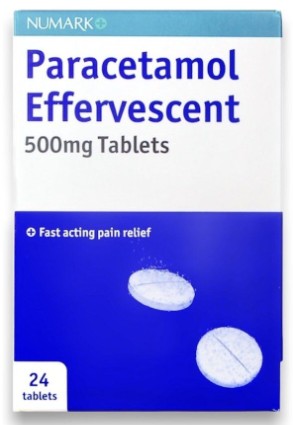
Outside the US, especially in Europe, Asia, and many Commonwealth countries, the drug is universally known as paracetamol. In America, however, the official non‑proprietary name is acetaminophen, and that is the term you see on US packaging and Drug Facts labels.[1][2]
On US OTC labels, “acetaminophen” is clearly listed under the “Active ingredient” section, often followed by the amount per tablet or per 5 ml of liquid. For travelers or importers, recognizing this naming difference is essential so that the correct product is selected and used safely.[3][2][1]
Acetaminophen is sold over the counter throughout the United States and is considered one of the most common active ingredients in non‑prescription medicines. You do not need a doctor's prescription to purchase standard OTC acetaminophen products.[3][1]
Typical purchase channels include:
- Major pharmacy chains such as CVS, Walgreens, and Rite Aid.[5][3]
- Supermarkets, warehouse clubs, and big‑box retailers.[5][3]
- Convenience stores and gas‑station shops that stock basic pain relievers.[5]
- Large e‑commerce and pharmacy platforms offering home delivery.[6][5]
Both branded products and generic store brands are widely stocked, giving consumers multiple price and packaging options. For international wholesalers and brand owners, this broad distribution illustrates the strong and stable demand for acetaminophen pain‑relief products in the US market.[1][3][5]
In the US market, acetaminophen is available in an extensive range of dosage forms to suit different age groups and clinical needs. This versatility makes it suitable for home use, clinical use, and private‑label development.[4][1]
Common dosage forms include:
- Tablets and caplets (immediate‑release and extended‑release).[4][1]
- Capsules, softgels, and chewable tablets.[1][4]
- Oral liquids and suspensions for adults and children.[4][1]
- Rectal suppositories for patients who cannot take oral medicines.[2][4]
- Intravenous (IV) formulations used in hospitals for more controlled pain and fever management.[2][4]
For adults using immediate‑release OTC products, typical doses often range from 325 mg to 650 mg every 4 to 6 hours as needed, depending on the product instructions. Many “extra‑strength” products provide 500 mg per tablet or caplet, with clear instructions not to exceed the maximum total daily dose.[7][8][6]
Pediatric products have weight‑ and age‑based dosing, usually specified in mg/kg, and require careful reading of the dosing table and the use of an accurate measuring device. International buyers planning pediatric product lines must pay particular attention to regional dosing guidelines and labeling rules for children's medicines.[8][4]
Despite its widespread use and good safety profile at recommended doses, acetaminophen can cause severe liver damage when taken in excessive amounts. It is one of the leading causes of acute liver failure in many countries, which is why regulators and healthcare professionals stress strict adherence to dosing guidelines.[9][10]
For most adults, the commonly accepted maximum total daily dose from all acetaminophen‑containing products is 4,000 mg per day. Many experts and organizations advise staying below this limit, particularly for patients with preexisting liver disease, chronic alcohol use, or those taking multiple medicines that may contain acetaminophen.[11][7]
A major risk is “accidental overdose,” which happens when a person takes separate products for pain, cold, and flu that all contain acetaminophen without realizing it. To reduce this risk, healthcare authorities recommend that consumers always read the Drug Facts label and look specifically for the word “acetaminophen” among the active ingredients.[11][3]
Acetaminophen appears in both single‑ingredient and combination products, and many consumers recognize brand names rather than the generic name. For foreign visitors or new arrivals in the US, identifying these brands can make purchasing decisions easier.[3][1]
Widely known single‑ingredient brands and types include:
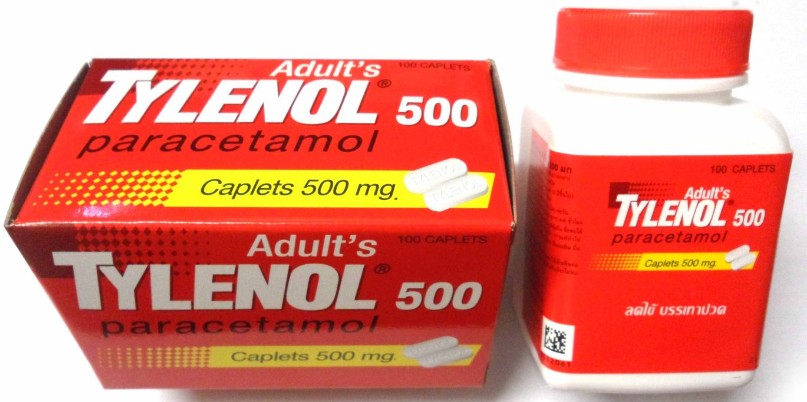
- Tylenol products, which offer regular strength, extra strength, and extended‑release formulations for adults.[12][6]
- A range of store‑brand generics marketed simply as “Acetaminophen” with the retailer's brand name, often at more competitive prices.[3][5]
In addition, acetaminophen is part of many combination medicines, such as:
- Multi‑symptom cold and flu products that also contain decongestants, antihistamines, or cough suppressants.[3]
- Prescription pain medications combining acetaminophen with opioids such as hydrocodone or oxycodone, in which the acetaminophen component per tablet is limited to 325 mg.[13][9]
For both OTC and prescription combinations, labels must clearly list acetaminophen as an active ingredient and include liver safety warnings. This transparency helps healthcare providers and patients monitor total daily intake and avoid harmful overdoses.[9][11][1]
The US Food and Drug Administration (FDA) treats acetaminophen regulation as a high‑priority public health topic due to its heavy use and potential for liver toxicity. The agency issues guidelines on labeling, strength limits, and safety warnings to minimize preventable harm.[9][1]
Notable measures include:
- Asking manufacturers of prescription combination products to limit acetaminophen content to no more than 325 mg per dosage unit.[9]
- Requiring clear liver warning statements on OTC labels, alerting users about the risks of exceeding the recommended dose or combining with heavy alcohol consumption.[11][1]
- Encouraging healthcare professionals to educate patients about checking all medications for acetaminophen content, especially when managing pain and cold/flu symptoms simultaneously.[11][9]
For international brands preparing to enter or expand in the US, aligning with these regulatory expectations is crucial for product approval, distribution, and long‑term market success.[1][9]
From a commercial perspective, the US acetaminophen segment offers substantial and steady demand, but competition and compliance requirements are both high. Understanding the local terminology, product categories, and regulatory environment helps overseas brands design suitable strategies.[1][3]
Key points for overseas stakeholders:
- All US packaging, marketing materials, and technical documents must use the term “acetaminophen,” not “paracetamol,” for products sold in the American market.[2][1]
- The Drug Facts label format, including sections such as “Active ingredient,” “Uses,” “Warnings,” and “Directions,” must conform to FDA standards.[1]
- Strength per dosage unit, dosage instructions, and warnings should mirror current FDA guidance and leading market practices to build trust with regulators, distributors, and end consumers.[9][1]
Global brands and wholesalers frequently collaborate with experienced OEM manufacturers who can handle formulation, production, and packaging that meet US and other international standards simultaneously. This allows brand owners to concentrate on marketing, channel development, and customer service while their manufacturing partner handles technical and regulatory complexity.
A Chinese factory active in biotechnology, pharmaceutical health products, and medical devices can provide comprehensive OEM services for acetaminophen (paracetamol) formulations targeting different global markets. With integrated R&D, production, and export capabilities, such a partner can help foreign brands quickly launch or expand their pain‑relief product lines.
Typical OEM services for acetaminophen products may include:
- Development and production of bulk tablets, caplets, capsules, powders, and oral liquids according to customer‑specified strengths and compositions.[4]
- Custom private‑label packaging, including bottles, blisters, and sachets designed to follow local language, regulatory, and branding requirements.[1]
- Support with technical documentation such as specifications, certificates of analysis, stability data, and other dossiers needed for import and registration processes.
For buyers focused on North America, Europe, Latin America, or other regions, a flexible OEM partner can adjust labeling, leaflets, and claims to align with regional regulations while keeping formulation quality consistent. This capability is particularly valuable for distributors who manage multiple brands or SKUs across several countries.[4]
Selecting the right OEM manufacturer is critical for building a sustainable paracetamol/acetaminophen business, especially in regulated markets. A capable partner ensures consistent quality, reliable supply, and documentation that satisfies regulators and key customers.
Important criteria when evaluating OEM partners include:
- Robust quality systems, such as GMP‑aligned production conditions, validated processes, in‑process controls, and complete batch traceability.
- Demonstrated experience with pain‑relief and antipyretic products, including both single‑ingredient acetaminophen and common combination formulas.[4]
- Ability to provide flexible minimum order quantities (MOQs), customized packaging configurations, and multilingual support for artwork and documentation.
- Professional export experience, including familiarity with logistics, customs requirements, and long‑distance shipping of pharmaceutical goods.
For brand owners and wholesalers focusing on OEM cooperation, it is advisable to request product samples, audit quality documentation, and conduct small pilot orders before scaling up. This staged approach helps verify product performance, packaging durability, and market feedback in real conditions.
For end consumers and travelers purchasing acetaminophen products in America, a few practical habits help ensure safe and effective use. These habits are also useful for pharmacists, retailers, and healthcare professionals when educating customers.[11][3]
Useful tips include:
- Always identify acetaminophen by reading the “Active ingredient” section on the Drug Facts label, especially if you are used to the name “paracetamol” in your home country.[3]
- Check all medicines you are taking (pain relief, cold and flu, allergy, sleep aids) to ensure you are not double‑counting acetaminophen from multiple products.[11][3]
- Follow the dosing instructions precisely and never exceed the daily maximum, even if pain or fever persists, unless advised by a healthcare professional.[7][11]
- Avoid mixing heavy alcohol use with high doses or prolonged use of acetaminophen, because this combination can significantly increase liver toxicity risk.[10][11]
- Seek medical advice promptly if you suspect overdose, experience severe nausea, vomiting, or upper abdominal pain after taking high doses, or if you have underlying liver problems.[10]
These basic steps are simple but very effective in reducing the risk of liver damage while still benefiting from the pain‑relief and fever‑reduction properties of acetaminophen.[10][11]
For international brand owners, wholesalers, and private‑label operators, positioning acetaminophen products goes beyond simple pain relief and requires careful product strategy. Understanding local consumer expectations, competitive products, and regulatory constraints helps build a strong and differentiated product line.[3][1]
Strategic considerations include:
- Deciding on a focused product portfolio, such as basic adult tablets, pediatric syrups, and a small selection of combination products, rather than too many overlapping SKUs.[1][3]
- Positioning value‑oriented store‑brand equivalents against premium branded products with enhanced packaging, child‑resistant closures, or added features like extended‑release technology.[6][12]
- Ensuring packaging design clearly communicates strength, dosage, usage age group, and key warnings so consumers can quickly understand and trust the product.[1]
Working with a manufacturing partner that can handle both formulation and packaging design enables faster time to market and consistent branding across regions. This is especially helpful for companies that operate in multiple languages or distribute through both retail and online channels.
Paracetamol is absolutely available in America, but it is marketed under the name “acetaminophen,” and that is the term consumers must look for on US packaging and Drug Facts labels. The medicine is widely sold over the counter in pharmacies, supermarkets, and online stores in many dosage forms and strengths, with clear guidance on dosing and liver‑safety precautions.[2][9][3][1]
For international brand owners, wholesalers, and distributors, acetaminophen represents a mature yet continually important category, provided that products are formulated, labeled, and marketed in line with US regulatory expectations. If you are planning to launch or expand your own acetaminophen (paracetamol) product line and need an experienced OEM manufacturer in biotechnology and pharmaceutical health products, you are warmly invited to contact our Chinese factory team to discuss customized formulations, packaging options, and long‑term win‑win cooperation.[9][1]
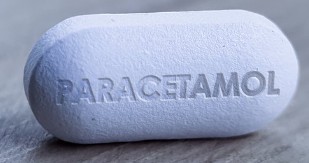
Yes. In the United States, paracetamol (under the name acetaminophen) is sold over the counter without a prescription in pharmacies, supermarkets, and online channels. It is one of the most commonly used OTC pain‑relief and fever‑reduction medicines nationwide.[14][3][1]
For most adults, the commonly cited maximum total daily dose from all acetaminophen‑containing products is 4,000 mg per day. Many experts suggest staying below this limit, especially for people with liver conditions, chronic alcohol use, or those taking multiple medications.[7][11]
You should carefully read the Drug Facts label and look under “Active ingredient.” If the product contains acetaminophen, it will be listed there, and you must include that amount in your total daily intake to avoid accidental overdose.[11][3]
Yes. Several prescription painkillers combine acetaminophen with opioids such as hydrocodone or oxycodone, but each dosage unit is now limited to 325 mg of acetaminophen to improve safety. Patients using these medicines still need to monitor their total daily acetaminophen dose and avoid combining them with OTC products that also contain acetaminophen.[13][9][11]
Yes, qualified OEM manufacturers can supply acetaminophen (paracetamol) in various dosage forms—tablets, capsules, liquids, and combinations—tailored for different international markets. They can also provide private‑label packaging and documentation support to help brand owners meet local regulatory, labeling, and registration requirements in regions such as North America and Europe.[4][1]
[1](https://www.fda.gov/drugs/information-drug-class/acetaminophen)
[2](https://en.wikipedia.org/wiki/Paracetamol)
[3](https://www.bemedwise.org/health-research-and-reports/health-resources-and-toolkits/acetaminophen/acetaminophen-containing/)
[4](https://www.ncbi.nlm.nih.gov/books/NBK482369/)
[5](https://www.walmart.com/c/kp/paracetamol)
[6](https://www.tylenolprofessional.com/products-dosage-adult)
[7](https://reference.medscape.com/drug/tylenol-acetaminophen-343346)
[8](https://www.stlouischildrens.org/health-resources/dosage-tables/acetaminophen-tylenol-dosage-table)
[9](https://www.fda.gov/drugs/drug-safety-and-availability/fda-drug-safety-communication-prescription-acetaminophen-products-be-limited-325-mg-dosage-unit)
[10](https://emedicine.medscape.com/article/820200-overview)
[11](https://www.fda.gov/consumers/consumer-updates/dont-overuse-acetaminophen)
[12](https://www.tylenol.com/safety-dosing/dosage-for-adults)
[13](https://tnpharm.org/fda-recommendation-to-discontinue-prescribing-dispensing-acetaminophen-combination-drug-products-with-more-than-325-mg/)
[14](https://medlineplus.gov/druginfo/meds/a681004.html)
Hot tags: Paracetamol Availability USA, Buy Acetaminophen Online, Paracetamol Over The Counter, Where To Buy Paracetamol, Paracetamol Brand Names USA, Acetaminophen vs Paracetamol, Paracetamol Purchase Limit USA, Paracetamol Dosage Forms, Buy Tylenol Online, Paracetamol Prescription Requirements