Content Menu
● What Is Benzocaine for Tooth Pain?
● Typical Strengths of Benzocaine for Oral Use
● Can You Buy “Stronger” Benzocaine?
● How Stronger Benzocaine Works in the Mouth
● Safety Issues With Higher‑Strength Benzocaine
● Recommended Dosage and How to Use Stronger Benzocaine
● OTC vs Professional Benzocaine Products
● When to Avoid Stronger Benzocaine
● Practical Home Strategies Alongside Benzocaine
● Stronger Benzocaine in OEM and Private‑Label Projects
● Marketing Stronger Benzocaine Tooth Pain Products
● FAQ About Stronger Benzocaine for Tooth Pain
>> (1) How strong can benzocaine tooth gel be?
>> (2) Is 20% benzocaine safe for toothache?
>> (3) Can I keep using benzocaine instead of seeing a dentist?
>> (4) What are the symptoms of benzocaine‑related methemoglobinemia?
>> (5) Can OEM manufacturers customize benzocaine strength and packaging?
Yes, you can buy stronger benzocaine products for tooth pain, usually in higher concentrations around 10–20%, but they must be used carefully and only for short‑term relief. Stronger benzocaine can numb tooth pain quickly, yet it also carries safety risks such as methemoglobinemia if misused or overused.[1][2][3][4][5]
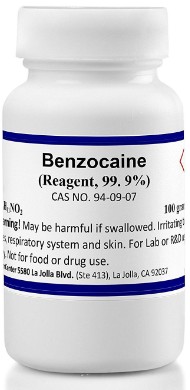
Benzocaine is a local anesthetic that temporarily blocks pain signals in nerves, giving fast but short‑acting relief for toothache and other oral pain. It is found in many over‑the‑counter dental gels, liquids, and ointments designed to be applied directly to the gum or cavity area.[2][5][6][7]
- Common uses include toothache, mouth ulcers, minor gum injuries, and irritation from dentures or braces.[6][7]
- It does not treat the underlying dental problem, so professional dental diagnosis is still necessary.[7][1]
Benzocaine works by stabilizing the neuronal membrane so that sodium ions cannot enter nerve cells, which prevents the generation and conduction of pain impulses. This mechanism produces localized numbness at the surface without affecting consciousness or general sensation in the rest of the body.[2][6][7]
Because benzocaine is poorly soluble in water, it typically remains at the surface where it is applied, making it suitable for topical oral preparations rather than injections. Its onset of action is usually within seconds to a couple of minutes, but the duration of relief is relatively short compared with injectable anesthetics.[1][7][2]
Most dental benzocaine products contain between 5% and 20% benzocaine, with 10% and 20% being the most common strengths for tooth pain gels. Studies show that both 10% and 20% benzocaine gels are effective, and 20% can reduce pain in a slightly higher proportion of patients.[8][9][10][1][2]
- Typical strengths on the market: 5%, 6.3%, 7.5%, 10%, and 20% in gels, liquids, and solutions.[8][2]
- Clinical data indicate that 7.5%–20% benzocaine gels provide statistically significant relief of toothache compared with placebo vehicle gels.[9][10][1]
The main difference patients notice between lower and higher strengths is the intensity and sometimes the speed of numbness rather than how long the effect lasts. In many trials, clinically meaningful pain reduction occurred within minutes for both 10% and 20% benzocaine gels.[10][9][1]
However, increased concentration beyond a certain point does not linearly increase benefit and may only raise the risk of adverse events. For this reason, most consumer formulations remain capped at around 20% for oral use instead of moving to extremely high percentages.[5][9][2]
For consumers, “stronger” usually refers to a higher benzocaine concentration (for example, 20% instead of 10%) or a formulation that clings better to the tooth area. In many countries, adults can buy up to about 20% benzocaine oral gels over the counter, provided they follow the package directions.[5][1][2][8]
- Clinical trials show that 20% benzocaine gel has a higher responder rate (about 87%) than 10% gel (about 81%) for toothache pain relief.[9][10][1]
- However, using more gel than directed or applying it too frequently increases the risk of side effects without giving proportionally more pain relief.[4][11][9]
Regulatory authorities generally allow stronger benzocaine products to remain available but require clear warnings on labels about methemoglobinemia and other adverse effects. Manufacturers must balance potency with safety and ensure that product information is understandable to non‑medical users.[3][11][12][5]
For business buyers, “stronger” can also mean more optimized delivery systems—such as mucoadhesive gels, precision applicators, and improved flavor masking—which make the same concentration feel more effective to end users. These formulation optimizations are often achieved through custom development projects with experienced OEM partners rather than simple off‑the‑shelf products.[2][8]
When applied to the gum or tooth cavity, benzocaine diffuses into the superficial nerve endings and blocks voltage‑gated sodium channels, preventing depolarization. Without depolarization, pain signals from the damaged or inflamed tooth cannot travel along the nerve fibers to the central nervous system.[6][7][2]
A higher concentration typically creates a steeper diffusion gradient, allowing more molecules to reach the nerve endings in a short period, which explains the rapid numbness reported with stronger gels. However, once the surface tissue has absorbed as much as it can, extra product applied on top offers little additional benefit and may increase systemic exposure.[1][2][9]
Saliva flow, chewing, and tongue movement can gradually dilute and remove benzocaine from the application site, which limits the duration of pain relief. This is why labels often recommend reapplication only after several hours and not continuously throughout the day.[7][2][8][1]
While benzocaine is generally well tolerated when used correctly, stronger or excessive doses can cause a rare but serious blood condition called methemoglobinemia, which reduces oxygen‑carrying capacity. Regulatory agencies report cases of methemoglobinemia, including fatalities, after benzocaine use, especially with oral products and sprays.[12][13][3][4][5]
- Symptoms include pale or blue skin, lips, or nail beds, shortness of breath, fatigue, headache, rapid heart rate, confusion, or light‑headedness, usually within minutes to 2 hours of use.[13][3][4]
- Authorities advise avoiding oral benzocaine in infants and children under 2 years and using only small amounts in older children and adults, up to 4 times daily for a limited number of days.[11][12][5]
Methemoglobinemia occurs when hemoglobin is oxidized to methemoglobin, which cannot bind oxygen effectively. In severe cases, oxygen delivery to tissues drops, leading to organ damage and life‑threatening complications if not treated promptly.[3][4][13]
Risk factors include very frequent applications, use over large mucosal areas, concomitant oxidizing drugs, genetic predisposition, and underlying cardiopulmonary disease. Because symptoms may be nonspecific at first, users and caregivers must be educated to recognize early warning signs rather than simply applying more anesthetic to fight persistent pain.[4][11][13][3][5]
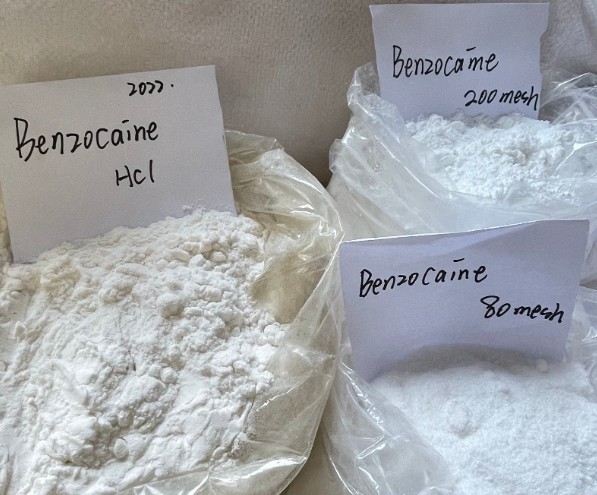
For adults and children over 2 years, directions commonly recommend applying a thin layer of 10–20% benzocaine gel to the painful area up to 3–4 times per day. Labels also usually advise using the smallest amount that works and not using the product for more than about 7 consecutive days without medical advice.[11][2][5][8]
- Apply directly to the affected tooth and surrounding gum using a clean finger, cotton swab, or applicator, and avoid swallowing the excess gel.[7][8][1]
- If pain persists, worsens, or is accompanied by swelling, fever, or difficulty swallowing, seek urgent dental or medical care rather than simply increasing the benzocaine dose.[5][6][7]
Some key technique points further improve safety and effectiveness when using a stronger benzocaine formulation.[2][1]
- Dry the gum or tooth surface lightly with a clean tissue or cotton roll before application to help the gel adhere.[1][7]
- Do not eat immediately after application to prevent accidental ingestion and to allow the product to stay in place longer.[2][7]
- Keep the product out of reach of children and do not let them apply it unsupervised.[11][5]
Most benzocaine tooth pain products available to the public are non‑prescription, while some higher‑risk forms (such as concentrated sprays for procedures) are used only by dental professionals. Dentists may also use other local anesthetics or combinations under controlled conditions for more profound or longer‑lasting anesthesia than typical OTC gels.[6][8][5][2]
- OTC products are designed for short‑term self‑care, whereas professional products are used with monitoring, equipment, and emergency management capability.[12][5][6]
- For severe or deep tooth pain, a dentist's injection or other definitive intervention (such as drainage, filling, or root canal) is safer and more effective than repeatedly applying strong benzocaine.[7][1]
Professional products may have different excipient systems, spray devices, or applicators that deliver anesthetic to deeper tissues or larger fields for procedures such as extractions and scaling. Because of higher exposure risk, medical and dental professionals are trained to recognize and manage adverse events, including methemoglobinemia.[13][3][5][6][2]
Certain groups are at higher risk from high‑strength benzocaine, and in these cases alternative approaches should be considered. These higher‑risk groups include infants and children under 2 years, people with congenital methemoglobinemia, G6PD deficiency, or serious heart and lung disease, and those with known benzocaine allergy.[3][4][13][5][11]
- Regulators specifically advise against using benzocaine oral products for teething or mouth pain in infants and young toddlers due to serious safety reports.[12][13][5]
- Anyone who develops breathing difficulty, unusual fatigue, or bluish discoloration after benzocaine use should stop immediately and seek emergency care.[4][13][3]
People who have experienced previous allergic reactions to local anesthetics of the ester type should also avoid benzocaine. Symptoms such as rash, itching, swelling, or difficulty breathing after prior use must be treated as warning signs.[6][2]
Pregnant and breastfeeding women should consult healthcare providers before using stronger benzocaine products, as data are more limited in these populations. Whenever uncertainty exists about safety, professional advice is preferable to unmonitored self‑medication.[5][6]
Even when stronger benzocaine is available, combining it with simple home measures can make tooth pain more manageable while waiting for dental care.[1][6]
- Oral analgesics such as ibuprofen or paracetamol/acetaminophen, taken according to local guidelines and individual medical history, can reduce inflammatory pain.[6][1]
- Rinsing gently with warm salt water may help decrease local inflammation and wash away debris that irritates exposed nerves.[7][1]
Cold compresses applied to the cheek over the painful area may temporarily reduce swelling and dull pain. Avoid placing ice directly on the tooth or gum because extreme temperature changes can worsen sensitivity.[1][6][7]
Avoid very hot, cold, or sugary foods and drinks, as these can trigger sharp pain in exposed or decayed teeth. If the tooth is broken or has a lost filling, temporary dental materials from a pharmacy may provide protection until a dentist can perform a definitive repair.[7][1]
For brand owners, wholesalers, and manufacturers, stronger benzocaine formulations can be developed as private‑label dental products under strict regulatory and GMP frameworks. Customization typically covers benzocaine concentration (within the 5–20% range), excipient systems, flavoring, packaging formats, and labeling to meet local market regulations.[8][2][5]
- A Chinese factory with integrated R&D, production, and sales capacity can offer OEM benzocaine gels and liquids tailored for different regional compliance requirements and target consumer segments.
- Services may include formulation development, stability testing, batch documentation, export registration support, and multi‑language packaging design for overseas brands.
Different markets may demand different “feel” and positioning of the product, such as extra‑fast action, sensitive‑tooth focus, or family‑oriented formulas with strong safety messaging. Through OEM cooperation, partners can create distinct product lines while relying on the same underlying manufacturing platform and quality system.[2]
In addition, technical teams can advise on aligning product claims with clinical evidence, such as emphasizing rapid onset or targeted relief for toothache within a legally acceptable framework. This evidence‑based approach helps brands differentiate genuinely high‑performance tooth pain products rather than relying only on marketing language.[10][9][2][5][1]
From a commercial perspective, educating consumers on both benefits and safe use is essential when marketing stronger benzocaine products. Clear front‑of‑pack communication about concentration, indications, age limits, and usage frequency can reduce misuse and build trust.[3][11][5]
- Educational inserts, websites, and customer support channels can explain how benzocaine works, why dose limits exist, and when to seek dental care instead of repeated self‑treatment.[13][12][3]
- For B2B buyers, technical dossiers, certificates, and stability data support listing with major pharmacy chains and online platforms.[2][5]
Digital content such as explanatory videos and infographics helps simplify complex topics like methemoglobinemia for non‑specialist audiences. OEM partners with experience in international markets can assist clients in adapting these materials for different regulatory environments and languages.[4][3]
Stronger benzocaine products for tooth pain, typically in the 10–20% range, can provide fast, short‑term relief when used correctly, but they do not cure the underlying dental problem and carry important safety warnings. Responsible use, attention to dose limits, and awareness of methemoglobinemia risks are essential, especially when selecting higher‑strength formulations for at‑home toothache relief.[9][4][11][3][5][1]
For overseas brands, wholesalers, and manufacturers seeking reliable benzocaine tooth pain solutions, OEM cooperation with a compliant Chinese factory offers a way to develop customized, higher‑strength dental gels with robust quality control and export support. To discuss formulations, regulatory needs, packaging options, and pricing for stronger benzocaine toothache products, contact our team now and get tailored OEM solutions for your target markets.
Most oral benzocaine gels for consumers range from 5% to 20%, with 10% and 20% being the usual “strong” options available over the counter. Higher concentrations or special forms are typically reserved for professional use by dentists and medical staff.[8][2][5][6][1]
Clinical trials show that 20% benzocaine is effective and generally well tolerated when used at recommended doses for short periods. However, overuse or use in high‑risk patients can trigger methemoglobinemia, so it must be used sparingly and in line with label instructions.[10][4][9][3][5][1]
Benzocaine only numbs pain temporarily and does not treat infections, fractures, or deep cavities. Persistent or severe toothache always needs professional dental evaluation, and repeated use of strong benzocaine should not replace proper treatment.[5][6][1][7]
Symptoms include gray or blue skin, lips, or nails, shortness of breath, rapid heartbeat, fatigue, confusion, headache, and light‑headedness, usually appearing within minutes to 2 hours after use. These signs require immediate medical attention and discontinuation of benzocaine.[4][12][13][3]
Yes, qualified OEM manufacturers can adjust benzocaine concentration within the regulatory range, modify excipients and flavors, and design specific tubes, applicators, or cartons according to client brand requirements. They can also support documentation and quality audits to help international partners meet local compliance standards.[8][2][5]
[1](https://pubmed.ncbi.nlm.nih.gov/23633700/)
[2](https://www.rxlist.com/benzocaine/generic-drug.htm)
[3](https://www.fda.gov/drugs/drug-safety-and-availability/risk-serious-and-potentially-fatal-blood-disorder-prompts-fda-action-oral-over-counter-benzocaine)
[4](https://pharmacyservices.utah.edu/alerts/2018/06/benzocaine-over-counter-products-can-increase-risk-of-serious-or-life-threatening)
[5](https://www.fda.gov/drugs/postmarket-drug-safety-information-patients-and-providers/safety-information-benzocaine-containing-products)
[6](https://www.mayoclinic.org/drugs-supplements/benzocaine-oral-route-oromucosal-route/description/drg-20072824)
[7](https://my.clevelandclinic.org/health/drugs/20991-benzocaine-dental-or-oral-gel-paste-or-solution)
[8](https://www.droracle.ai/articles/34265/what-is-the-recommended-dose-and-frequency-of-benzocaine)
[9](https://pmc.ncbi.nlm.nih.gov/articles/PMC3844156/)
[10](https://www.ovid.com/journals/jebd/pdf/10.1016/j.jebdp.2013.10.010~10--and-20-percent-benzocaine-gels-are-effective-for-the)
[11](https://www.acmt.net/wp-content/uploads/2022/06/FAQ_Oral-Numbing-Gels.pdf)
[12](https://www.fda.gov/drugs/fda-drug-safety-podcasts/fda-drug-safety-podcast-risk-serious-and-potentially-fatal-blood-disorder-prompts-fda-action-oral)
[13](https://www.asahq.org/advocacy-and-asapac/fda-and-washington-alerts/fda-alerts/2018/05/oral-otc-benzocaine-products-drug-safety-comms-risk-of-serious-potentially-fatal-blood-disorder)
Hot tags: Benzocaine Tooth Pain Relief, Buy Benzocaine Online, Stronger Benzocaine Products, Benzocaine for Toothache, Maximum Strength Benzocaine, Over-the-Counter Benzocaine, Benzocaine Gel for Pain, Benzocaine Dosage for Tooth Pain, Best Benzocaine Brands, Benzocaine Safety Guidelines