Content Menu
● Understanding Paracetamol and Its Uses
● Availability of Paracetamol in Portuguese Pharmacies
>> Prescription Requirements for Certain Formulations
>> Regulatory Oversight and Quality Control
● How to Buy Paracetamol in Portugal
>> Step 2: Consult the Pharmacist
● Key Differences in Pharmaceutical Practices in Portugal
● Paracetamol Use and Safety Considerations in Portugal
● Advice for Travelers and International Brands
>> For Foreign Brands and OEM Manufacturers
● Frequently Asked Questions (FAQ)
>> 1. Can I buy paracetamol without a prescription in Portugal?
>> 2. Are all paracetamol brands allowed in Portugal?
>> 3. Do I need a prescription for paracetamol combined with other drugs like codeine?
>> 4. What should I do if I cannot find my usual paracetamol brand in Portugal?
>> 5. Can travelers buy enough paracetamol for their entire visit to Portugal?
When traveling or living in Portugal, one important question that arises is whether you can easily buy paracetamol, a widely used pain reliever and fever reducer. This article explores the availability, regulations, and options for purchasing paracetamol in Portugal, while providing useful insights for travelers, expatriates, and international brands interested in this market. It also highlights how Portugal's pharmaceutical system operates, what to expect in Portuguese pharmacies, and answers common questions related to paracetamol and over-the-counter medicines in Portugal.
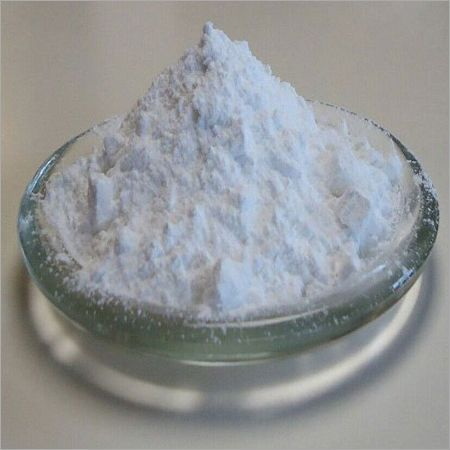
Paracetamol, also known as acetaminophen, is one of the most common over-the-counter (OTC) medications worldwide. It is used for:
- Relieving mild to moderate pain such as headaches, muscle aches, toothaches, menstrual cramps, and back pain.
- Reducing fever caused by infections or other illnesses like the flu or cold.
- Offering an alternative to non-steroidal anti-inflammatory drugs (NSAIDs) like ibuprofen for those who are sensitive to or unable to take these medications.
Paracetamol's broad usage makes understanding its availability and legal status in various countries, including Portugal, essential for consumers and pharmaceutical stakeholders alike.
Pharmacies, or farmácias as they are called locally, are widely available throughout Portugal, in cities, towns, and even rural areas. They typically operate between 9 AM and 9 PM, with some offering 24-hour services in larger cities.
Paracetamol is generally easy to acquire in these pharmacies.
Common dosages of paracetamol, notably 500 mg and 1000 mg tablets, can be purchased without a prescription. Both branded products (such as Panadol) and numerous generic alternatives (e.g., Paracetamol Generis) are regularly stocked. Portuguese pharmacists are well-trained and knowledgeable, ready to advise customers on appropriate dosing and formulation choices.
While standard paracetamol tablets are available OTC, combination medications that include paracetamol and other substances—such as codeine or tramadol—are regarded as controlled substances. These require a valid prescription due to their opioid content and potential for abuse.
Portugal's national regulatory authority for medicines, Infarmed, supervises the quality and safety of pharmaceuticals. In recent years, certain batches or brands of paracetamol have occasionally been withdrawn from the market due to manufacturing non-compliance detected during inspections. This does not indicate an outright ban but rather highlights the strict quality control standards enforced in Portugal to protect consumers.
Purchasing paracetamol in Portugal is straightforward when you follow a few simple steps:
You can find paracetamol products in any typical Portuguese pharmacy. Options commonly available include 500 mg tablets for mild to moderate pain and 1000 mg tablets for more significant pain or fever.
Pharmacists can assist with product selection, provide dosage recommendations, and help if you have unique needs such as pediatric doses or liquid formulations. In tourist areas or larger cities, many pharmacists speak English, simplifying communication for foreign visitors.
If your medication requires a combination of paracetamol with other controlled substances (like codeine), you will need a prescription from a licensed Portuguese doctor. In such cases, a visit to a healthcare professional or clinic is necessary to obtain the appropriate documentation.
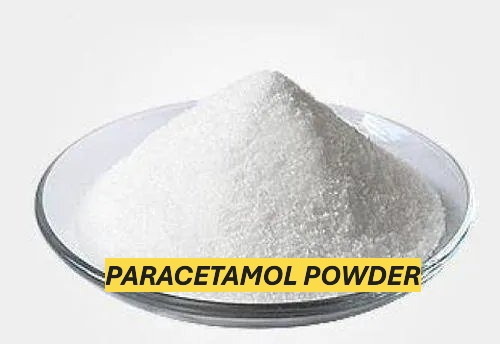
Understanding the local norms around medication helps ensure safe and compliant use:
- Dosages: Portugal often supplies 1000 mg paracetamol tablets designed for single-dose use, which may differ from other countries that commonly dispense 500 mg tablets to be taken in multiples.
- Generics: Generic drugs are well established in Portugal's pharmaceutical marketplace and can be significantly more affordable than brand names while meeting stringent EU quality standards.
- Prescription Rules: Stronger medications, including antibiotics and opioid-containing preparations, mandate a prescription, reflecting Portugal's alignment with European Union regulations to curb misuse.
- Pharmacy Services: Pharmacies may dispense emergency supplies of chronic disease medications if you can show proof of prior prescriptions, an important service for travelers or new residents.
- Counseling: Pharmacists actively engage in patient education to ensure proper medication adherence and awareness of potential side effects or drug interactions.
Paracetamol remains one of the safest and most accessible analgesics when used correctly, but like all medicines, it requires responsible use:
- Follow dosage instructions carefully to avoid liver damage, especially if combining paracetamol with alcohol or other medications.
- Be aware of the maximum daily dose; typically, this should not exceed 4 grams for adults unless otherwise advised.
- Discuss with a pharmacist or healthcare provider if you have liver conditions, chronic diseases, or are taking multiple medicines.
- Parents should seek pediatric formulations and guidance when administering paracetamol to children.
- Emergency health services are available in Portugal for adverse reactions or overdose instances.
Travelers to Portugal can conveniently buy paracetamol in almost all pharmacies without difficulty. However, if you rely on higher doses or specific brands, bringing a personal supply might be beneficial, especially since some medication brands may differ from what you are accustomed to.
Portugal's robust pharmaceutical regulations make it a promising but complex market for international pharmaceutical brands. OEM suppliers like us specialize in producing compliant, high-quality paracetamol and related healthcare products catering to this and broader EU markets. Understanding local regulatory frameworks, quality control requirements, and consumer preferences is vital for success.
You can buy paracetamol in Portugal quite easily at pharmacies without a prescription for common formulations like 500 mg and 1000 mg tablets. However, stricter regulations apply to combination drugs containing controlled substances such as codeine, which require prescriptions. Portugal's pharmaceutical market is regulated strictly by Infarmed to ensure the safety and efficacy of medicines.
For travelers, paracetamol is accessible and affordable, but bringing your preferred brands or specific formulations may enhance convenience. For international brands and manufacturers, the Portuguese market offers growth opportunities with adherence to EU regulatory standards.
If you are a foreign brand, wholesaler, or manufacturer looking to introduce or expand paracetamol or pharmaceutical products in Portugal or the wider EU, contact us today to explore OEM production and supply solutions tailored to your unique requirements. Our factory specializes in biotechnology, pharmaceutical healthcare, and medical device OEM services, offering high-quality, compliant manufacturing aimed at helping your brand grow internationally.
Yes. Standard paracetamol tablets, such as 500 mg or 1000 mg, are available over the counter at Portuguese pharmacies without a prescription.
No. Some specific brands or batches may be withdrawn if they fail to meet manufacturing and quality standards enforced by the national authority, Infarmed.
Yes. Combination drugs containing codeine or other opioid substances require a valid prescription from a doctor.
Pharmacists can recommend generic alternatives that are typically equivalent in effectiveness and more affordable.
Travelers can buy paracetamol over the counter freely. However, if you need higher doses or special formulations, it is wise to bring a personal supply just in case.
[1] https://www.tripadvisor.co.uk/ShowTopic-g189100-i201-k12512407-Paracetamol-Portugal.html
[2] https://www.portugalresident.com/warning-as-paracetamol-tablets-removed-from-sale-in-portugal/
[3] https://www.reddit.com/r/portugal/comments/tdexcl/over_the_counter_medicines_in_portugal/
[4] https://visitukraine.today/blog/5103/drug-analogues-in-portugal-how-to-choose-medicines
[5] https://www.propertyguides.com/portugal/news/might-not-need-see-portuguese-doctor/
[6] https://desirableportugal.com/index.php/2025/05/15/what-over-the-counter-medications-can-you-buy-in-portugal-a-helpful-guide-for-travelers/
[7] https://www.movetoportugalnow.com/pharmacies-in-portugal-complete-guide/
[8] https://www.gov.uk/foreign-travel-advice/portugal/health
[9] https://www.tripadvisor.co.nz/ShowTopic-g189112-i331-k11642054-Buying_Paracetamol-Albufeira_Faro_District_Algarve.html
[10] https://farmacianovadamaia.pt/en/cold-and-flu/13283-paracetamol-generis-500mg-20-tablets.html