Content Menu
● What is Procaine Penicillin?
● Pharmacology of Procaine Penicillin
● Why Procaine Penicillin Is Not Given Intravenously
>> Formulation Characteristics
>> Risk of Serious or Life-Threatening Side Effects
>> Intended Pharmacokinetic Profile
● Risks and Complications of Intravenous Administration
● Proper Administration and Dosage Guidelines
>> Dosage
● Clinical Uses of Procaine Penicillin
● Expanded Considerations: Additional Safety Measures and Alternatives
>> Injection Technique and Training
>> Alternatives to Procaine Penicillin
● Frequently Asked Questions (FAQ)
>> 1. Why is procaine included in procaine penicillin?
>> 2. What happens if procaine penicillin is accidentally given intravenously?
>> 3. Can procaine penicillin be given subcutaneously?
>> 4. Are there any allergy concerns with procaine penicillin?
>> 5. How is procaine penicillin different from aqueous penicillin G?
Procaine penicillin is a long-acting formulation of penicillin combined with the local anesthetic procaine. It is widely used in the treatment of moderately severe infections caused by penicillin-sensitive bacteria. However, one critical and non-negotiable rule in its administration and usage is that procaine penicillin must never be given intravenously (IV). Instead, it is administered by deep intramuscular injection only. This article will comprehensively explore the reasons behind this critical safety guideline, the pharmacological rationale, the risks of intravenous administration, and proper usage. We will also include relevant clinical insights to illustrate key points, concluding with FAQs to address common concerns.
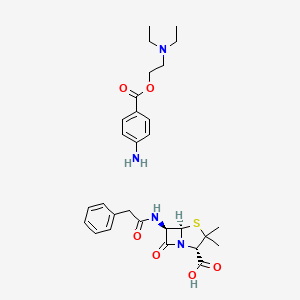
Procaine penicillin is an equimolar compound of penicillin G and the local anesthetic procaine. This combination allows a slow and steady release of penicillin into the bloodstream, maintaining effective antibacterial levels over an extended period following a single intramuscular injection. The procaine not only prolongs the duration of action but also provides localized pain relief at the injection site.
This formulation is particularly useful for infections where sustained, but not peak, serum concentrations of penicillin are required, including certain respiratory tract infections, skin infections, and the prevention of rheumatic fever.
Penicillin G, the active antibacterial agent, works by inhibiting bacterial cell wall synthesis, resulting in bacterial death. The addition of procaine delays the release of penicillin from the injection site, thus producing a plateau of serum penicillin levels for about 4 hours followed by a gradual decrease over the next 15 to 20 hours.
In contrast, aqueous penicillin G can produce rapid peak penicillin levels when given intravenously or intramuscularly, but requires more frequent dosing due to its quick elimination.
The slow absorption provided by procaine penicillin supports prolonged therapeutic blood levels with fewer injections, leading to better patient compliance, especially in outpatient settings.
Procaine penicillin is formulated as a suspension intended for intramuscular injection only, not as a solution for intravenous administration. The suspension contains microscopic solid particles of penicillin combined with procaine that dissolve gradually in muscle tissue, allowing sustained release. However, these particulate matters are incompatible with intravenous use.
If injected directly into the bloodstream, these particles can embolize small blood vessels, leading to serious complications such as vascular occlusion and tissue ischemia.
Intravenous administration of procaine penicillin can result in several severe adverse effects that are often irreversible or fatal:
- Neurovascular Damage: Injection into a vein or artery can cause inflammation, thrombosis (blood clots), tissue necrosis (death), and permanent damage to nerves and blood vessels.
- Transverse Myelitis and Paralysis: Severe neurological complications, including spinal cord inflammation and paralysis, can result from intra-arterial injection.
- Gangrene: Necrosis caused by vascular obstruction could lead to extensive tissue death and may require amputation.
- Systemic Toxicity from Procaine: Rapid entry of procaine into the bloodstream can result in central nervous system toxicity with symptoms such as seizures, respiratory depression, and cardiovascular collapse.
- Allergic Reactions: High circulating procaine or penicillin levels increase the risk of systemic allergic or anaphylactic reactions.
These risks make intravenous administration contraindicated and dangerous. Clinicians and healthcare professionals must strictly adhere to intramuscular injection to avoid these complications.
Procaine penicillin's design relies on slow absorption from muscle tissue. By bypassing this route through intravenous injection, drug levels spike unpredictably, potentially reaching toxic concentrations. This defeats the purpose of its slow-release action and exposes the patient to unnecessary harm.
Regulatory authorities and medical guidelines thus prohibit intravenous use and restrict administration solely to deep intramuscular injection.
Several case reports and clinical studies have documented catastrophic outcomes from accidental intravenous or intra-arterial injection of procaine penicillin, including:
- Immediate pallor, mottling, or cyanosis (bluish discoloration) of the affected limb
- Severe swelling, bruising, and edema localized near the injection site
- Development of compartment syndrome, which can compress nerves and blood vessels, requiring emergency surgical intervention such as fasciotomy to save the limb
- Necrosis and tissue sloughing, commonly known as Nicolau syndrome, a rare but serious adverse event
- Acute cardiovascular collapse or cardiorespiratory arrest in some severe cases
The severity of these complications underscores why procaine penicillin is toxic and unsafe if given intravenously or intra-arterially.
Infants and young children appear to be at higher risk due to smaller vessel size and sensitivity, but complications can occur at any age. Hence, vigilance during administration is paramount.
- The upper outer quadrant of the buttock (dorsogluteal site) is the most recommended site for deep intramuscular injection because of adequate muscle mass and distance from major nerves and blood vessels.
- Alternatively, the ventrogluteal site is a safer option that avoids the sciatic nerve and major vessels.
- Injection into the anterolateral thigh is generally discouraged due to the risk of tissue fibrosis and muscle atrophy.
- Avoid injections near large blood vessels or nerves to prevent inadvertent vascular injection and nerve injury.
- Dosage depends on the severity of infection and patient body weight.
- Typical dosing involves a single injection or multiple doses spaced 2-3 days apart.
- Treatment duration should be guided by bacterial culture, sensitivity testing, and clinical response.
- Adherence to recommended dosage schedules is critical for effectiveness and to prevent the emergence of antibiotic resistance.
- Healthcare providers should monitor injection sites closely for signs of pain, swelling, or unusual discoloration.
- Patients with a history of penicillin or procaine allergy should be carefully evaluated before use, and test doses may be administered under observation.
- Patient education about reporting adverse symptoms promptly is vital in outpatient settings.
Procaine penicillin is effective in treating a variety of moderately severe infections caused by penicillin-sensitive organisms, such as:
- Streptococcal respiratory infections including pharyngitis, tonsillitis, and pneumonia
- Erysipelas and other skin infections
- Scarlet fever prevention and treatment
- Rheumatic fever prophylaxis and treatment to prevent serious cardiac complications
- Certain syphilis infections in combination with other antibiotics in some protocols
For infections requiring high and sustained serum penicillin levels, aqueous penicillin G (administered intravenously or intramuscularly) is preferable over procaine penicillin.
Proper administration techniques and adequate training for healthcare personnel are crucial to minimize risks. Correct needle placement, aspiration before injection to confirm non-vascular location, and slow injection speed reduce complications.
Educational programs emphasizing the dangers of intravenous administration alongside hands-on training are essential in clinics and hospitals.
In settings where intravenous antibiotic therapy is required, alternative penicillin formulations such as aqueous penicillin G or benzylpenicillin sodium should be used under strict guidelines.
For patients with severe penicillin allergy, alternative antibiotics such as macrolides or cephalosporins might be indicated.
Procaine penicillin is a vital antibiotic formulation for sustained antibacterial therapy administered via deep intramuscular injection. It must never be given intravenously due to the suspension's particulate nature and the severe, potentially fatal complications that result from intravenous or intra-arterial administration. Strict adherence to the recommended administration routes ensures both safety and efficacy. Proper injection techniques, dosage adherence, and patient monitoring are key to successful outcomes.
For brand owners, wholesalers, and manufacturers seeking reliable OEM services for specialized pharmaceutical products like procaine penicillin, Supply Benzocaine Co., Ltd offers professional, internationally compliant production. Contact us today to explore how we can support your business with high-quality, safe, and effective pharmaceutical formulations.
Procaine serves as a local anesthetic that decreases pain at the injection site and slows penicillin absorption. This slower release extends the drug's duration of action with fewer injections compared to aqueous penicillin.
Intravenous injection can cause severe neurovascular damage, tissue necrosis, paralysis, gangrene, and possibly death. Immediate emergency medical attention is essential.
No, it is designed exclusively for deep intramuscular injection. Subcutaneous administration is not recommended due to poor absorption and increased local adverse effects.
Yes. Allergic reactions can occur from both penicillin and procaine components. Patients with allergies should undergo testing before administration and be monitored closely.
Aqueous penicillin G provides rapid peak serum levels suitable for intravenous or intramuscular use and requires multiple doses daily. Procaine penicillin releases penicillin slowly over time, reducing dosing frequency but is strictly for intramuscular injection and cannot be given intravenously.
[1] https://medlineplus.gov/druginfo/meds/a615053.html
[2] https://labeling.pfizer.com/showlabeling.aspx?id=718
[3] https://www.miramar-obgyn.com/womens-health/hw-view.php?DOCHWID=a615053
[4] https://www.sps.nhs.uk/articles/managing-the-risk-of-confusion-between-injectable-penicillin-salts/
[5] https://www.ncbi.nlm.nih.gov/books/NBK554560/
[6] https://www.sciencedirect.com/topics/medicine-and-dentistry/procaine-benzylpenicillin
[7] https://www.sciencedirect.com/topics/pharmacology-toxicology-and-pharmaceutical-science/procaine-penicillin
[8] https://reference.medscape.com/drug/penicillin-g-procaine-999572
[9] https://pubmed.ncbi.nlm.nih.gov/21320022/
Hot tags: Procaine Penicillin, Intravenous Use, Antibiotic Administration, Cardiac Arrhythmias, Injection Risks, Medical Guidelines, Procaine Toxicity, Injectable Antibiotics, Drug Administration Routes, Penicillin Safety