Content Menu
● Paracetamol vs Acetaminophen: Clearing Up the Confusion
● Availability in US Pharmacies and Retail Stores
● Online Purchasing: Convenience at Your Fingertips
● FDA Regulations Governing Sales and Safety
● Common Brands, Forms, and Dosage Recommendations
● Potential Risks: Side Effects and Overdose Prevention
● Therapeutic Uses Beyond Basic Pain Relief
● Comparisons with Other Over-the-Counter Painkillers
● Historical Evolution and Market Trends
● OEM Manufacturing Opportunities from China
● FAQ
>> 1. Is paracetamol the same as Tylenol?
>> 2. Do I need a prescription to buy paracetamol in the US?
>> 3. What is the maximum daily dose for adults?
>> 4. Can I buy paracetamol in bulk online in the US?
>> 5. How can I avoid acetaminophen overdose?
Paracetamol is widely available in the US under the name acetaminophen, sold over-the-counter in pharmacies, supermarkets, and online without a prescription. Popular brands like Tylenol dominate shelves, making it accessible for pain relief and fever reduction. This comprehensive guide explores its availability, regulations, uses, safety, and business opportunities for OEM manufacturing.
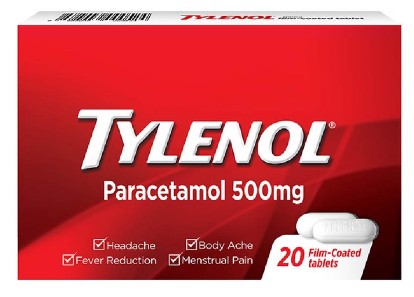
Paracetamol, known as acetaminophen in the US, serves as a common analgesic and antipyretic medication used to treat mild to moderate pain and reduce fever. It works primarily by inhibiting cyclooxygenase enzymes in the brain, which reduces the production of prostaglandins responsible for pain and fever, without offering strong anti-inflammatory effects. Unlike non-steroidal anti-inflammatory drugs (NSAIDs) such as ibuprofen or aspirin, paracetamol causes fewer gastrointestinal side effects, making it a preferred choice for individuals with sensitive stomachs or those requiring long-term pain management.
Discovered in the late 19th century and introduced commercially in the 1950s, paracetamol has become one of the most widely used medications globally. In the US, its branding as acetaminophen stems from early marketing efforts by companies like McNeil Consumer Healthcare, which launched Tylenol in 1955. Today, it remains a staple in household medicine cabinets, trusted by millions for everyday ailments.
Paracetamol and acetaminophen are chemically identical compounds, with the difference lying solely in regional naming conventions. The term "acetaminophen" derives from its chemical name, N-acetyl-p-aminophenol, and is the standard nomenclature used by the US Food and Drug Administration (FDA) and American manufacturers. Internationally, particularly in Europe, Australia, and much of Asia, "paracetamol" is the accepted name, recommended by organizations like the World Health Organization (WHO).
This naming discrepancy can confuse travelers or international buyers, but rest assured, there are no therapeutic or efficacy differences between the two. Both forms provide rapid relief for headaches, muscle aches, menstrual cramps, and fever associated with colds or flu. Understanding this equivalence is crucial for global trade and consumer safety, especially when sourcing bulk supplies or manufacturing private-label products.
In the United States, acetaminophen is readily available over-the-counter (OTC) in virtually every pharmacy chain, including CVS, Walgreens, Rite Aid, and Walmart. Supermarkets like Kroger, Safeway, and even convenience stores such as 7-Eleven stock it prominently on their shelves alongside other pain relievers. No prescription is required for standard formulations, with dosages typically ranging from 325mg to 1000mg per tablet or caplet.
You'll find it in various pack sizes, from single-dose travel packs to family-sized bottles containing 500 or more tablets. Generic versions, often labeled simply as "acetaminophen," are significantly cheaper than branded options, providing the same active ingredient at a fraction of the cost. During flu season or back-to-school periods, demand surges, leading to prominent end-cap displays and promotional bundles with cough syrups or multivitamins.
Gas stations and dollar stores also carry small packs, ensuring accessibility even in remote areas. This widespread distribution reflects the FDA's classification of acetaminophen as a safe, effective OTC drug when used as directed.
Buying paracetamol (acetaminophen) online in the US is straightforward and increasingly popular, thanks to platforms like Amazon, Walmart.com, Target.com, and direct pharmacy websites. Consumers can order everything from single boxes to bulk quantities, with options for same-day delivery in major cities via services like Amazon Prime or Instacart. Prices are competitive, with a 100-count bottle of 500mg extra-strength tablets often retailing for under $10.
Subscription models allow automatic replenishment, ideal for chronic pain sufferers or large households. However, buyers should prioritize reputable sellers to avoid counterfeit products, which the FDA occasionally warns against. Always check for the National Drug Code (NDC) on packaging and verify third-party lab testing for purity, especially for imports.
Online marketplaces also cater to wholesalers and businesses, offering pallet quantities with B2B pricing. This digital accessibility has revolutionized how Americans access essential medications, particularly during pandemics or supply chain disruptions.
The FDA oversees acetaminophen with stringent regulations to balance accessibility and public health. Since 2011, prescription combination products (e.g., with opioids) are limited to 325mg per dose to curb overdose risks. Over-the-counter products carry clear labeling mandates, including maximum daily intake warnings: 4,000mg for adults (or 3,000mg for those with risk factors like alcohol use).
The agency requires child-resistant packaging and has implemented single-ingredient formulations to prevent accidental multi-ingredient overdoses. Recent updates as of 2026 emphasize digital tracking for high-volume purchases to monitor potential abuse patterns. Violations can lead to recalls, as seen in past contamination incidents.
These rules ensure paracetamol remains a safe OTC option while addressing its role as the leading cause of acute liver failure in the US.
Leading brands include Tylenol (original, extra strength, rapid release), Excedrin Migraine (with caffeine and aspirin), and Goody's Headache Powders. Store brands from Kirkland (Costco), Member's Mark (Sam's Club), and Equate (Walmart) offer identical efficacy at lower prices. Forms vary widely: immediate-release tablets, gel caps, chewables, dissolvable films, liquids for infants, suppositories, and even intravenous Ofirmev for clinical settings.
Standard adult dosage is 325-1,000mg every 4-6 hours, not exceeding 4,000mg in 24 hours. Children receive 10-15mg per kg of body weight, dosed by age or weight charts on packaging. Always consult a healthcare provider for personalized advice, especially for pregnant individuals, the elderly, or those with liver/kidney conditions.
Combination products like DayQuil or Theraflu multiply its utility for cold symptoms but heighten overdose risks if not monitored.
While generally safe, paracetamol can cause rare side effects like skin rashes or allergic reactions. The primary danger is overdose, which depletes liver glutathione stores, leading to hepatotoxicity. Symptoms—nausea, jaundice, confusion—emerge 24-48 hours post-ingestion, with untreated cases potentially fatal.
Annually, thousands of ER visits stem from unintentional overdoses, often from multi-product use (e.g., cold meds plus plain Tylenol). Prevention strategies include using smartphone apps for dose tracking, sticking to one product line, and heeding weight-based pediatric dosing. The antidote N-acetylcysteine (NAC) is highly effective if administered early.
Paracetamol shines for tension headaches, osteoarthritis, post-surgical pain, and fever in all age groups. It's the first-line choice during pregnancy, with studies affirming its safety. In dentistry, it's favored pre- and post-procedure to minimize opioid reliance. For chronic conditions like fibromyalgia or sickle cell crises, extended-release versions provide steady relief.
Compared to ibuprofen, it offers superior fever control in children without GI upset. Emerging research explores its role in migraine prophylaxis and cancer pain adjunct therapy.
| Painkiller | Anti-Inflammatory Effect | Stomach Irritation Risk | OTC Availability in US | Primary Organ Risk |
|---|---|---|---|---|
| Acetaminophen | Low | Low | Yes | Liver (overdose) |
| Ibuprofen (Advil) | High | Medium-High | Yes | Kidneys, Stomach |
| Aspirin | High | High | Yes | Stomach, Bleeding |
| Naproxen (Aleve) | High | Medium | Yes | Heart, Kidneys |
This table highlights why paracetamol is often the safest starter option.
Paracetamol's US journey began with its 1878 synthesis, but commercial success came via Tylenol's 1955 launch amid aspirin concerns. The 1982 Chicago tampering crisis prompted tamper-evident packaging, now industry standard. FDA reforms in 2014 banned high-dose combos, reducing liver failures by 30-50%.
As of 2026, market growth hits $5 billion annually, driven by aging populations and self-medication trends. Private-label generics capture 70% share, underscoring OEM opportunities.
For brands, wholesalers, and producers seeking cost-effective supply, Chinese factories excel in paracetamol OEM services. Facilities like those at supplybenzocaine.co.uk (a biotech/pharma specialist) offer GMP-certified production of API powders, finished tablets, capsules, and medical devices. Services span R&D, custom formulations, private labeling, and export-compliant packaging meeting US/EU standards.
Benefits include 40-60% cost savings, scalable volumes (from pilot to millions), and rapid turnaround. With robust supply chains, these partners ensure consistent quality, FDA-grade testing, and drop-shipping. Ideal for launching new brands or expanding portfolios in pain management.
Paracetamol, as acetaminophen, is abundantly available OTC throughout the US, empowering consumers with safe, effective pain and fever relief when used responsibly. From pharmacy aisles to online carts, its accessibility underscores its status as a global essential.
Brands and wholesalers: Elevate your offerings with our premium OEM services at supplybenzocaine.co.uk. Specializing in biotech, pharma, and medical devices, we deliver custom paracetamol production tailored to your needs. Contact us today for a free quote—partner for success in the booming US market!
Contact us to get more information!
Yes, Tylenol is the most popular brand name for acetaminophen, which is identical to paracetamol. Both provide the same active ingredient for pain and fever relief.
No, standard over-the-counter doses of acetaminophen (paracetamol) are available without a prescription in pharmacies, stores, and online.
Healthy adults should not exceed 4,000mg (4 grams) in 24 hours, taken as 325-1,000mg every 4-6 hours. Reduce for liver issues or alcohol use.
Yes, reputable sites like Amazon and Walmart offer bulk packs economically. Verify sellers and check for quality seals to ensure authenticity.
Read labels for hidden acetaminophen in combos, use one product at a time, track doses with apps, and never exceed recommended limits.
1. https://en.wikipedia.org/wiki/Paracetamol
2. https://www.reddit.com/r/pharmacy/comments/et5v0b/do_supermarkets_in_the_usa_stock_medicines_on/
3. https://pmc.ncbi.nlm.nih.gov/articles/PMC8654482/
4. https://www.bemedwise.org/health-research-and-reports/health-resources-and-toolkits/acetaminophen/acetaminophen-containing/
5. https://e-surgery.com/product/paracetamol-500mg-tablets/
6. https://pmc.ncbi.nlm.nih.gov/articles/PMC9993184/
7. https://www.reddit.com/r/AskAnAmerican/comments/1i2qj2q/do_you_use_paracetamol_in_america/
8. https://www.walmart.com/c/kp/paracetamol
9. https://study.com/academy/lesson/acetaminophen-vs-paracetamol.html
10. https://en.wikipedia.org/wiki/List_of_paracetamol_brand_names
11. https://www.gettyimages.com/photos/paracetamol-acetaminophen
12. https://www.gettyimages.in/detail/news-photo/packages-of-tylenol-are-displayed-on-a-shelf-at-a-cvs-store-news-photo/2236794397
13. https://www.youtube.com/watch?v=cBDOx85Ywck
14. https://www.yihuipharm.com/api/paracetamol-powder
15. https://www.china-greetmed.com
16. https://www.istockphoto.com/photos/paracetamol-acetaminophen
17. https://www.shutterstock.com/search/tylenol-on-shelf
18. https://edhub.ama-assn.org/jn-learning/video-player/18762850
19. https://www.tga.gov.au/news/blog/buy-and-use-paracetamol-safely
Hot tags: Paracetamol Availability In The US, Buy Acetaminophen Online, Over The Counter Pain Relief, Paracetamol Prescription Requirements, Where To Buy Paracetamol, Acetaminophen Dosage Information, Paracetamol Side Effects, Paracetamol vs Acetaminophen, Online Pharmacies For Paracetamol, Paracetamol Purchase Options