Content Menu
● Safety Guidelines for Adults
● Dosage for Children and Special Groups
● Proven Benefits Backed by Research
● Potential Risks and Side Effects
● Who Should Avoid or Use Caution?
● Non-Pharmacological Complements
● OEM Manufacturing Excellence
● FAQ
>> 1. Is it safe to take paracetamol and ibuprofen together every day?
>> 2. How long after taking paracetamol can I take ibuprofen?
>> 3. Can children under 16 take both medications at the same time?
>> 4. What should I do if I accidentally overdose on the combination?
>> 5. Are pre-combined paracetamol and ibuprofen tablets available?
Paracetamol (also known as acetaminophen) and ibuprofen can generally be taken together safely by adults to enhance pain relief and manage fever more effectively than using either alone. This combination works through complementary mechanisms, with paracetamol targeting pain centrally and ibuprofen addressing inflammation peripherally. However, strict adherence to dosage guidelines is essential to minimize risks like liver damage or stomach irritation.
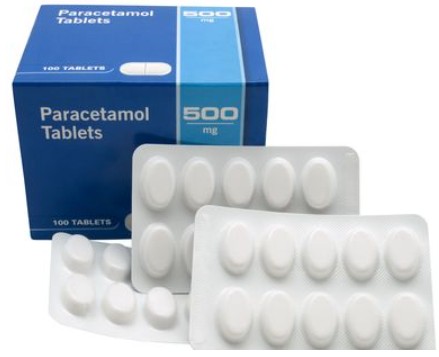
Paracetamol is one of the most common over-the-counter medications worldwide, prized for its ability to relieve mild to moderate pain and reduce fever. It primarily acts in the brain and central nervous system by inhibiting the COX-3 enzyme and possibly other pathways, elevating the body's pain threshold without significantly impacting inflammation. This makes it ideal for headaches, toothaches, colds, and flu symptoms where swelling isn't the primary issue.
Unlike non-steroidal anti-inflammatory drugs (NSAIDs), paracetamol has a favorable gastrointestinal profile, rarely causing stomach upset even on an empty stomach. It's metabolized predominantly in the liver via glucuronidation and sulfation, with a small portion converted to a toxic metabolite NAPQI, which is neutralized by glutathione. Exceeding the recommended dose depletes glutathione, leading to potentially fatal liver necrosis—a key reason for its strict daily limits.
Available in various forms like tablets, capsules, liquids, and suppositories, paracetamol is a staple in household medicine cabinets. Its rapid absorption (peak plasma levels in 30-60 minutes) provides quick relief, typically lasting 4-6 hours.
Ibuprofen, a cornerstone NSAID, was first synthesized in the 1960s and introduced commercially in the 1980s. It non-selectively inhibits cyclooxygenase-1 (COX-1) and COX-2 enzymes, reducing prostaglandin synthesis responsible for pain, fever, and inflammation. This dual action makes it particularly effective for conditions involving swelling, such as arthritis, muscle sprains, menstrual cramps, and sports injuries.
Ibuprofen's half-life of about 2 hours necessitates dosing every 6-8 hours, and it's best taken with food to mitigate gastrointestinal side effects like dyspepsia or ulcers. Long-term use requires monitoring for cardiovascular risks, renal impairment, and hypertension exacerbation, as prostaglandins also protect the stomach lining and regulate kidney blood flow.
In addition to oral tablets (200mg, 400mg strengths), it's available as gels, creams, and suspensions, offering localized relief for joint pain without systemic exposure.
The beauty of combining paracetamol and ibuprofen lies in their synergistic yet additive effects. Paracetamol modulates pain signals in the brain, while ibuprofen blocks inflammatory mediators at the site of injury. This "multi-modal" analgesia covers a broader spectrum of pain types, from neuropathic to inflammatory, often providing relief where single agents fall short.
Clinical scenarios illustrate this: for postoperative dental pain, the combo reduces pain scores by up to 70% versus 50% for monotherapy. In fever management during viral illnesses, paracetamol swiftly lowers temperature while ibuprofen sustains it longer by curbing the underlying inflammatory response. Studies on acute musculoskeletal injuries show faster return to function with the pair, minimizing downtime.
Importantly, no pharmacokinetic interactions occur—no alteration in absorption, metabolism, or excretion—making timing flexible. Adults can take them simultaneously or alternate, unlike in children where staggering prevents overdose.
Health authorities like the NHS endorse combining them for adults over 16 years. Standard dosing: paracetamol 500-1000mg every 4-6 hours (maximum 4g per 24 hours), ibuprofen 200-400mg every 6-8 hours (maximum 1200mg per 24 hours over-the-counter). Start with one drug; add the other if inadequate after 30-60 minutes.
Hydration is crucial, as ibuprofen can stress kidneys, especially in dehydrated states. Short-term use (under 3 days) poses minimal risk for healthy individuals. Always read labels to avoid double-dosing from multi-ingredient products like cold remedies containing both.
For children under 16, simultaneous use isn't recommended; alternate based on weight (paracetamol 15mg/kg, ibuprofen 5-10mg/kg) every 4-6 hours, not exceeding 4 doses per drug in 24 hours. Use calibrated syringes for accuracy, and consult a pediatrician for persistent fever.
Pregnant women should favor paracetamol throughout, limiting ibuprofen to the first two trimesters at lowest effective doses. Breastfeeding mothers can use both sparingly, as minimal amounts pass into milk. Elderly patients require dose reductions (e.g., ibuprofen max 800mg/day) due to heightened sensitivity.
Randomized trials, such as the PANSAID study on hip surgery patients, demonstrated 30% less opioid consumption with the combo versus paracetamol alone, without increased adverse events. Dental pain meta-analyses report a number-needed-to-treat (NNT) of 1.5 for the pair, meaning one in 1.5 patients gains substantial relief.
For migraines, combining targets vascular and nociceptive components, outperforming sumatriptan in some mild cases. In osteoarthritis, short courses alleviate stiffness and swelling, improving mobility. Pediatric fever trials confirm faster resolution (within 2 hours vs. 4) and better parent-reported satisfaction.
These benefits extend to reducing antibiotic overuse in viral infections by better symptom control, potentially curbing resistance.
Headaches and migraines respond well, with the duo handling tension, cluster, and hormonal variants. Menstrual pain sees ibuprofen curb prostaglandins in the uterus, augmented by paracetamol for residual ache. Back pain from strains or poor posture benefits from inflammation reduction plus central analgesia.
Post-exercise soreness (DOMS) resolves quicker, aiding athletes' recovery. Cold and flu symptoms ease comprehensively: sore throat, body aches, and fever. Even vaccination side effects like arm pain and low-grade fever improve.
Paracetamol's chief danger is overdose, with symptoms delayed 24-48 hours: nausea, abdominal pain, progressing to liver failure. Risk factors include alcohol use, fasting, or concurrent inducers like carbamazepine.
Ibuprofen commonly causes mild GI upset (10-20% users), escalating to ulcers or bleeding in 1-2% with prolonged use. Rare but serious: anaphylaxis, aseptic meningitis in autoimmune diseases, or cardiovascular events like myocardial infarction in high-risk patients.
Combination amplifies GI risks slightly long-term but not acutely. Monitor for dark stools, bruising, or swelling.
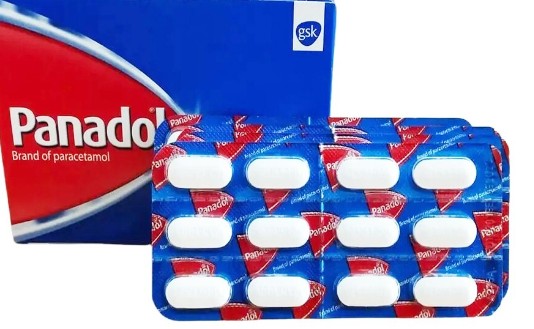
Contraindications include active peptic ulcers, severe liver/kidney disease, uncontrolled hypertension, or NSAID-exacerbated respiratory disease. Those on anticoagulants (warfarin), corticosteroids, or SSRIs face heightened bleeding risks. Avoid in late pregnancy due to fetal ductus arteriosus closure.
Always disclose full medical history to pharmacists for personalized advice.
Ibuprofen reduces efficacy of antihypertensives (ACE inhibitors, diuretics) and increases lithium levels. Paracetamol has fewer interactions but potentiates warfarin rarely. Avoid other NSAIDs or high-dose aspirin. Alcohol synergizes hepatotoxicity.
Enhance efficacy with rest, hydration, heat/cold therapy, and gentle stretching. For chronic pain, incorporate mindfulness, yoga, or physiotherapy to reduce reliance.
As a leading Chinese factory specializing in biotechnology, pharmaceuticals, and medical devices (supplybenzocaine.co.uk), we deliver top-tier OEM services for international brands, wholesalers, and producers. Our WHO-GMP certified facility produces paracetamol, ibuprofen, and combination tablets with customizable formulations, strengths, and packaging.
We handle everything from API sourcing to finished products, ensuring stringent quality control, competitive pricing, and rapid scalability. Past projects include private-label combo packs for European markets, meeting FDA and EMA standards. Our state-of-the-art cleanrooms, automated lines, and R&D team enable innovations like effervescent or bilayer tablets for faster dissolution.
Partnering with us means reliable supply chains, regulatory compliance support, and tailored solutions—empowering your brand in the $100B+ global analgesics market.
Paracetamol and ibuprofen together provide a powerful, accessible strategy for acute pain and fever management, supported by robust evidence and safety for short-term use in most adults. By understanding dosages, risks, and applications, users maximize benefits while minimizing harms. For brands seeking superior products, OEM collaboration elevates offerings.
Ready to launch your premium pain relief line? Contact supplybenzocaine.co.uk today for expert consultation, free samples, and bespoke manufacturing quotes. Let's partner for healthier futures worldwide!
Contact us to get more information!
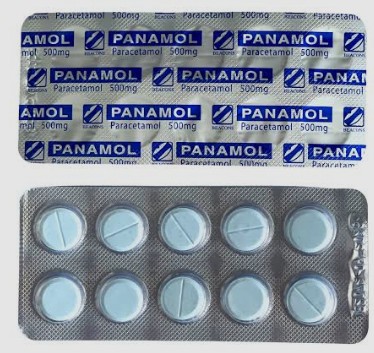
No, reserve for short-term relief (3-5 days maximum). Daily use heightens gastrointestinal bleeding and liver strain risks; seek medical advice for ongoing pain.
Adults can take them together safely. For children, wait 30-60 minutes between doses to monitor response and avoid accidental overdose.
No, alternate based on age and weight under medical guidance. Simultaneous dosing isn't advised to prevent exceeding safe limits.
Seek immediate medical help via emergency services or poison control. Activated charcoal may help if recent; monitor liver and kidney function promptly.
Yes, products like Nuromol exist with fixed doses (e.g., 500mg paracetamol + 200mg ibuprofen). Our OEM services produce these for custom branding.
Article Intro (298 chars): Discover if you can safely combine paracetamol and ibuprofen for better pain relief. This 2000+ word guide covers mechanisms, dosages, safety, studies, and OEM insights from supplybenzocaine.co.uk. Includes visuals placeholders, FAQs, and a call to action for custom pharma production. Essential read for health pros and brands!
1. https://wearephlo.com/post/can-i-take-paracetamol-and-ibuprofen-together
2. https://cn.b2brazil.com/hotsite/anhuibbca/paracetamol-tablets-acetaminophenol-tabl
3. https://www.boots.com/healthhub/pain/managing-pain/how-to-take-pain-relief
4. https://sinipharma.com/products/ibuprofen-paracetamol-tablets/
5. https://www.nhs.uk/medicines/ibuprofen-for-adults/
6. https://www.wenkh.com.cn/reports/ibuprofen-and-paracetamol-1914649983283486720
7. https://pubmed.ncbi.nlm.nih.gov/31648374/
8. https://www.weibangbio.com/paracetamol-plus-ibuprofen-exporter/
9. https://www.youtube.com/watch?v=2324zMLFYC8
10. https://www.weibangbio.com/oem-ibuprofen-paracetamol-factories/
Hot tags: Paracetamol And Ibuprofen Safety, Can You Take Paracetamol And Ibuprofen Together, Paracetamol Ibuprofen Dosage Guidelines, Paracetamol Ibuprofen Combination Benefits, Paracetamol Ibuprofen Side Effects, Taking Paracetamol And Ibuprofen Together, Paracetamol Ibuprofen Pain Relief, Paracetamol Ibuprofen Interaction, Paracetamol Ibuprofen For Children, Paracetamol Ibuprofen Recommendations