Content Menu
>> Various Forms of Paracetamol
● Availability of Over-the-Counter Paracetamol
>> Purchase Restrictions and Safety Measures
● Proper and Safe Use of Paracetamol
>> Recommended Dosage Guidelines
● Common Uses of Over-the-Counter Paracetamol
● Frequently Asked Questions (FAQs)
>> 1. Can I buy paracetamol without a prescription?
>> 2. What are the risks of taking too much paracetamol?
>> 3. Is paracetamol safe for children?
>> 4. Are there restrictions on how much paracetamol I can buy at once?
>> 5. How is paracetamol different from NSAIDs like ibuprofen?
Paracetamol, also known as acetaminophen, is one of the most widely used painkillers globally, prized for its effectiveness in alleviating mild to moderate pain and reducing fever. Its accessibility as an over-the-counter (OTC) medicine makes it a first-choice treatment for millions seeking relief from common ailments such as headaches, toothaches, muscle pain, and fever. Available in various formulations and sold without prescription in numerous countries, paracetamol plays a crucial role in everyday healthcare. Understanding where and how you can buy it OTC, its safe usage, and the market landscape can empower consumers and businesses alike.
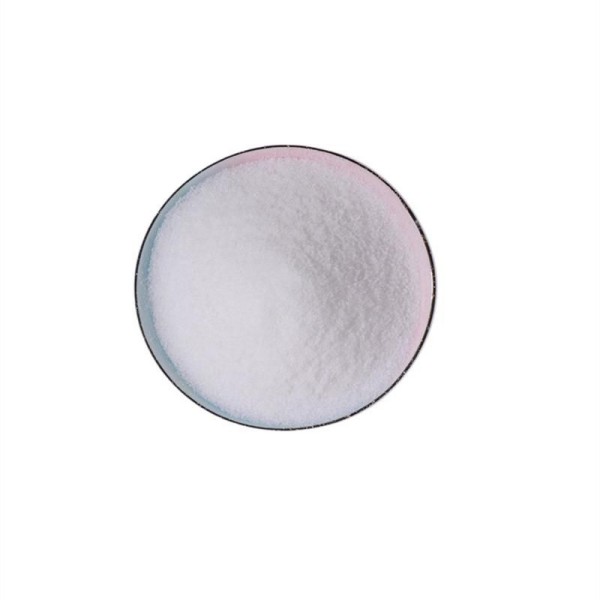
Paracetamol is an analgesic (pain reliever) and antipyretic (fever reducer) that is widely used due to its efficacy and relatively low risk profile when used correctly. In many countries, including the United States, it is commonly referred to as acetaminophen. Paracetamol works by blocking the production of prostaglandins in the brain, substances that signal pain and induce fever. Unlike nonsteroidal anti-inflammatory drugs (NSAIDs), paracetamol does not have strong anti-inflammatory effects and is gentler on the stomach, making it a preferred option for people who cannot tolerate NSAIDs.
Paracetamol comes in numerous forms, each targeted to different user preferences or medical needs:
- Tablets and caplets for easy oral consumption
- Capsules providing quick dissolution and absorption
- Effervescent tablets that dissolve in water, ideal for those who have difficulty swallowing pills
- Liquid syrups often formulated for children with precise dosing
- Suppositories, useful when oral intake is not possible, such as in vomiting or post-surgical conditions
- Topical gels or creams for localized pain relief
- Patches that provide slow release over an extended period (less commonly available)
The availability of these diverse forms helps ensure appropriate treatment for both adults and pediatrics across a wide range of situations.
Paracetamol's OTC availability varies by country but remains widespread, reflecting its essential role in healthcare.
- In the United Kingdom and much of Europe, paracetamol is easily accessible in pharmacies, supermarkets, and convenience stores. Regulations often limit the volume buyers can purchase at once to reduce potential misuse and overdose.
- In the United States, acetaminophen is sold OTC in a variety of settings, including pharmacies, grocery stores, and even gas stations. Many combination products containing acetaminophen target cold and flu symptoms or sleep support.
- Australia and New Zealand provide paracetamol OTC in numerous formulations, including sustained-release variants and combinations with caffeine or other adjuncts for enhanced efficacy.
- Across many Asian and African countries, paracetamol is generally available OTC given its status as an essential medicine endorsed by WHO, ensuring widespread access.
To promote safety, regulatory authorities often impose limits on the quantity buyers can purchase in one transaction. These measures help reduce the risk of intentional or accidental overdose. Pharmacists and store personnel may also provide advice or require consultation if large quantities are requested.
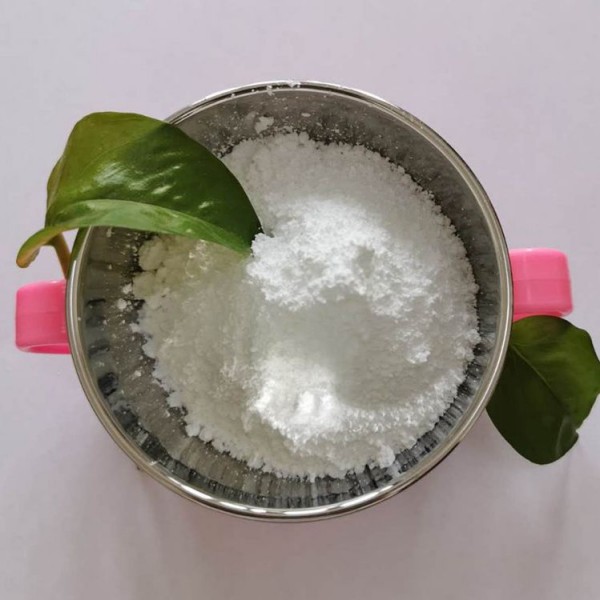
Using paracetamol safely is crucial to gain its benefits without adverse effects, especially liver toxicity, which is the most severe risk of overdose.
For adults, the usual dose is 500 mg to 1000 mg every 4 to 6 hours as needed, not exceeding 4,000 mg (4 grams) in 24 hours. For children, dosing depends strictly on age and weight, and it's important to use child-specific formulations and measuring devices. Never guess doses or use adult medications for children without guidance.
- Never exceed the maximum daily dose; serious liver damage can result from overdose, possibly leading to liver failure or death.
- Be vigilant about checking labels on all medicines because many cold, flu, and pain relief products contain paracetamol, potentially leading to accidental overdose if combined.
- Avoid alcohol consumption while taking paracetamol, as alcohol can increase the risk of liver damage.
- If symptoms such as pain or fever persist beyond three days despite medication, seek medical advice.
- In cases of suspected overdose, immediate medical attention is essential even if symptoms are not apparent right away.
Paracetamol is primarily used for treating a broad spectrum of minor health complaints, including:
- Headaches and migraines
- Dental pain including toothaches and post-procedural soreness
- Muscle aches, back pain, and arthritis-related discomfort
- Fever management caused by viral or bacterial infections like colds and flu
- Menstrual cramps and related discomfort
- Relief following minor surgical or dental procedures
Its ease of use, low cost, and availability make paracetamol a staple in household medicine cabinets worldwide.
The demand for paracetamol continues to rise globally, spurred by increasing self-medication practices and greater healthcare accessibility in emerging markets. Valued at around USD 760 million in 2023, the global market for paracetamol is projected to cross USD 1.1 billion by 2032, with steady annual growth. Manufacturers are innovating by developing new formulations such as sustained-release tablets, pediatric-friendly syrups, and combination products which address a variety of symptoms simultaneously. This growth also increases opportunities for OEM (Original Equipment Manufacturer) suppliers specializing in high-quality paracetamol production to partner with brands and distributors worldwide.
Paracetamol remains a cornerstone OTC medication offering effective relief for pain and fever across diverse populations and regions. Its availability in a range of formulations and widespread OTC access underscores its essential status in healthcare. While highly accessible, safe consumption is vital to avoid serious health risks, making consumer education critical. For businesses involved in pharmaceuticals, the growing and evolving demand for reliable paracetamol products presents significant opportunities to innovate and expand market presence. If you are seeking trustworthy OEM manufacturing or supply of paracetamol and related products, we invite you to contact us to explore collaborative solutions tailored to your needs.
Yes, paracetamol is widely available over the counter in most countries and can be purchased directly from pharmacies, supermarkets, and other retail outlets without a prescription.
Taking more than the recommended dose can cause severe liver damage, which may be life-threatening. Symptoms of overdose might not appear immediately, so urgent medical attention is required if an overdose is suspected.
Yes, paracetamol is safe for children when administered according to age- and weight-specific dosing guidelines. Use child-formulated products and dosing devices to ensure correct intake.
Yes, many countries restrict the maximum quantity of paracetamol that can be purchased in a single transaction to minimize overdose risk and misuse.
Paracetamol primarily relieves pain and fever but does not have significant anti-inflammatory effects like NSAIDs. It tends to cause fewer stomach-related side effects and is often preferred by individuals with gastric sensitivity.
Hot tags: Buy Paracetamol Over The Counter, OTC Paracetamol Availability, Where To Buy Paracetamol Without Prescription, Non-Prescription Painkillers, Paracetamol Pharmacy Purchase, Acetaminophen OTC Options, Can I Get Paracetamol OTC, Over The Counter Pain Relief, Safe OTC Paracetamol Use, Paracetamol Without Doctor Visit