Content Menu
● Understanding Paracetamol and Its Applications
● The Manufacturing Process of Paracetamol
>> Raw Materials and Chemical Synthesis
>> Crystallization and Purification
>> Formulation Into Finished Dosage Forms
● Production Capacity of Chinese OEM Factories
● Dosage Guidelines and Regulatory Controls
>> Regulatory Purchase Limitations
● How Many Paracetamol Can You Buy?
● Advantages of Choosing a Chinese OEM Paracetamol Supplier
● FAQ
>> 1. How is paracetamol produced in pharmaceutical factories?
>> 2. What are the standard dosage guidelines for paracetamol?
>> 3. Can I buy paracetamol in bulk for my brand?
>> 4. What quality certifications do reputable paracetamol OEM suppliers hold?
>> 5. How long does it typically take to receive a bulk OEM paracetamol order?
Paracetamol, also known internationally as acetaminophen, is one of the most commonly used medications globally for pain relief and fever reduction. Whether sold over the counter or incorporated as an active ingredient in numerous pharmaceutical products, paracetamol holds a vital role in healthcare. For manufacturers, wholesalers, and international brands interested in sourcing or producing paracetamol-based pharmaceuticals, a key question often arises: How many paracetamol tablets or doses can you realistically buy? This article explores the manufacturing processes, market dynamics, dosage guidelines, regulatory considerations, and purchasing volumes, with a special focus on the capabilities of Chinese factories providing professional OEM (Original Equipment Manufacturer) services.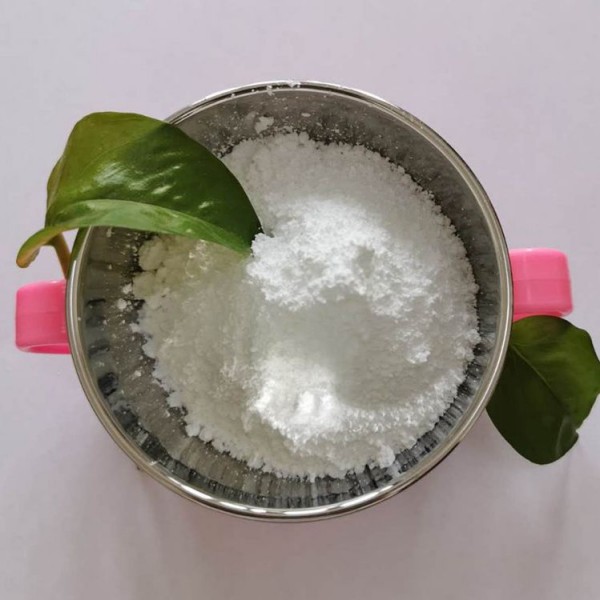
Paracetamol is a non-opioid analgesic and antipyretic widely used in medical treatments for headaches, toothaches, muscle aches, arthritis pain, and fever management. It is favored for its efficacy combined with a relatively low risk of gastrointestinal side effects compared to other analgesics like NSAIDs (non-steroidal anti-inflammatory drugs).
Worldwide, paracetamol's utilization spans both developed and emerging markets. Its affordability, safety profile, and broad availability have made it the drug of choice in many households and healthcare institutions. Besides tablets and capsules, paracetamol is also available in liquid formulations, suppositories, and combination medicines (such as paracetamol with caffeine or codeine).
The rising global population, increased self-medication trends, and growing healthcare infrastructure contribute to the ever-increasing demand for paracetamol. Recent data estimates the global paracetamol market to be valued at approximately USD 761.7 million in 2023, projected to reach an estimated USD 1.124 billion by 2032, reflecting an annual growth rate of 4.4%. Such figures underscore significant production capacities worldwide.
To understand how many paracetamol tablets or units you can purchase, it is essential to grasp the production process and its scalability. High-volume manufacturers optimize cost, quality, and regulatory compliance to meet global standards and varied customer demands.
The production of paracetamol begins with *p-aminophenol*, a key raw material. This compound undergoes an acetylation reaction, typically with acetic anhydride, in a controlled environment. Through this reaction, paracetamol is formed as a crystalline substance.
This step requires precise control of temperature and reaction time to maximize yield and purity. Large-scale reactors or batch synthesis methods are employed in professional manufacturing setups to ensure consistent output.
After synthesis, the reaction mixture is cooled to induce crystallization of pure paracetamol crystals. These crystals are then separated through filtration. To remove residual solvents, impurities, and by-products, processes such as washing, centrifugation, and vacuum drying are applied.
The purified paracetamol crystals produced meet pharmaceutical grade specifications, with purity levels typically exceeding 99%. Ensuring high purity is critical as contaminants can affect both safety and efficacy.
Once high-purity paracetamol powder is obtained, it is formulated into multiple dosage forms:
- Tablets: Compressing the paracetamol powder with excipients for stability and consistent dosage. Common strengths include 250 mg and 500 mg.
- Capsules: Encapsulating paracetamol powder or granules in gelatin or vegetarian capsules.
- Liquid Suspensions: Formulating paracetamol in syrup or suspension for pediatric use.
- Suppositories: For patients who cannot take oral medications.
Packaging options are highly customizable for OEM clients. Factories can produce blister packs, bottles, sachets, or custom-designed packaging complete with brand labeling.
China is a global manufacturing hub with extensive experience and advanced facilities for pharmaceutical production, including paracetamol. Leading Chinese factories produce millions of paracetamol tablets monthly, catering both to the domestic market and international clients.
The production capacity of such OEM suppliers typically includes:
- Output volumes ranging from hundreds of thousands to millions of tablets per batch.
- Capability to customize tablet strength, packaging size, and design per client needs.
- Compliance with Good Manufacturing Practice (GMP), ISO standards, and, for some, FDA qualifications.
- Robust supply chains enabling delivery within 60 to 90 days for bulk orders.
This scale of production means buyers—from retail chains to international pharmaceutical brands—can purchase from small pilot batches to large bulk shipments.
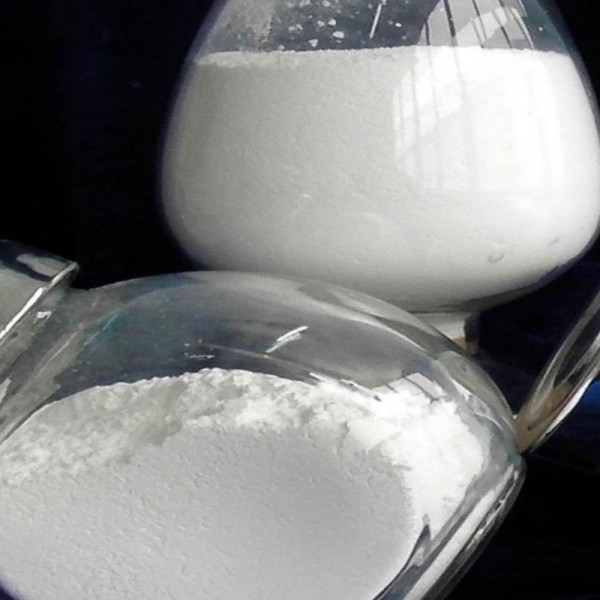
Understanding dosage guidelines is not only important for safe usage but also influences how much paracetamol individuals and organizations can purchase.
- Adults: 500 mg every 4 to 6 hours. Maximum daily intake of 4 grams (or 8 tablets of 500 mg).
- Children (6-12 years): Dosage adjusted according to weight and age, usually half or one tablet every 4 hours, up to 2 grams (or 4 tablets of 500 mg).
- Children under 6: Tablets generally not recommended. Pediatric liquid formulations or suppositories are preferred.
- Elderly or Patients with Liver Impairment: Consulting healthcare professionals is strongly advised, as reduced dosages may be necessary.
Exceeding the recommended daily dosage risks severe liver damage or acute toxicity.
Government regulations limit the quantity of paracetamol purchasable by individuals at retail outlets to prevent overdose and misuse. These limits vary across countries. Typically, consumers can buy up to a few dozen tablets per transaction.
For commercial buyers—wholesalers, pharmacies, and pharmaceutical manufacturers—larger quantities are permitted but require documentation, licenses, or compliance with import/export laws.
OEM partnerships with factories ensure that all production and supply adhere to these regulatory requirements, including batch traceability, quality testing, and proper labeling.
The answer to this question depends largely on the buyer's profile and purpose.
- Retail Consumers: Typically limited by regulatory rules to buying single-digit to low double-digit quantities per purchase. Pack sizes usually range from 10 to 30 tablets per pack.
- Wholesalers and Distributors: Can purchase thousands to tens of thousands of tablets in bulk shipments, often placing orders in batches aligned with production cycles.
- OEM Clients and Brand Owners: Can negotiate and order customized volumes—often starting from 100,000 tablets upward according to contract—tailored to branding, packaging, and formulation needs.
When engaging with a professional Chinese OEM supplier, you can expect flexibility in ordering volume combined with assurances of manufacturing quality and timely delivery.
- Large-Scale Production Capacity: Able to fulfill significant volume orders meeting both domestic and international demands.
- Cost Efficiency: Competitive pricing due to economies of scale and optimized production.
- Customization: OEM services allow private branding, packaging design, and formulation adjustments.
- Strict Quality Control: Compliance with GMP, ISO, and often FDA or other regulatory bodies.
- Experience in Export Logistics: Established processes to ensure smooth shipping and customs clearance.
- Short Lead Times: Generally delivery achievable within 60 to 90 days after order confirmation, depending on quantity and requirements.
This combination makes Chinese OEM factories a reliable source for companies seeking dependable supplies of paracetamol.
The quantity of paracetamol you can buy is influenced by your purchasing context—individual use, wholesale distribution, or OEM manufacturing partnerships. Retail buyers face legal limits on quantities to protect health, while commercial clients can access large volumes, often customized to their brand's specifications.
With paracetamol's global demand rising and production technologies mature, there is ample supply from capable manufacturers, particularly in China. Leveraging the expertise of experienced Chinese OEM suppliers unlocks advantages in cost, quality, and flexibility, enabling businesses worldwide to meet their market goals effectively.
If you represent a foreign brand, wholesaler, or medical supplier interested in high-quality paracetamol products tailored to your requirements, contact us to discuss OEM collaboration. Our manufacturing facility offers scalable production, reliable quality, and customized packaging solutions designed to support your business growth.
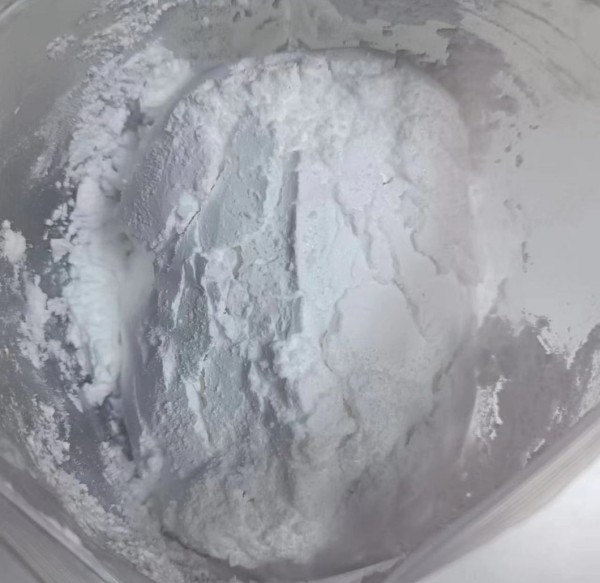
Paracetamol is synthesized primarily by acetylation of p-aminophenol with acetic anhydride, followed by crystallization, filtration, and drying steps to produce high-purity pharmaceutical-grade product. This raw material is then formulated into tablets, capsules, or liquids.
Adults generally consume 500 mg every 4-6 hours with a maximum of 4 grams per day. Dosage for children depends on age and weight, with tablets not recommended under 6 years old. Excessive doses can harm the liver.
Yes. OEM manufacturers, especially in China, offer bulk purchasing options with customizable formulations and packaging. Minimum order quantities vary, but it's common to start from approximately 100,000 tablets or more.
Trusted suppliers maintain Good Manufacturing Practice (GMP) certification, ISO standards compliance, and often have FDA or other regulatory approvals to ensure safety and consistent product quality.
Lead times depend on order size, formulation, and packaging complexity but usually range from 60 to 90 days, covering production, quality control, packaging, and logistics.
Hot tags: Paracetamol Purchase Limit, How Many Paracetamol Can I Buy, Maximum Paracetamol Allowed In Store, Pharmacy Paracetamol Buying Rules, Paracetamol Quantity Restrictions, OTC Paracetamol Buying Guide, Paracetamol Buying Laws, Paracetamol Retail Purchase Limit, Buy Paracetamol In Bulk Legally, Paracetamol Sales Regulations