Content Menu
● Understanding Topical Novocaine
● Regulatory Landscape and Legal Availability
● Reasons for Restricted Access
● Over-the-Counter Alternatives
● Professional and Clinical Applications
● Potential Risks and Side Effects
● Business Sourcing and OEM Opportunities
● Market Insights and Future Outlook
● FAQ
>> 1. Is topical Novocaine available over the counter?
>> 2. What are the safest OTC numbing creams?
>> 3. Can businesses buy procaine powder online?
>> 4. What risks come with high-strength topicals?
>> 5. How do I start OEM anesthetic production?
Novocaine, chemically known as procaine, is a local anesthetic with a storied history in dentistry and minor surgeries, prized for its ability to numb tissues effectively. While injectable forms remain common in professional settings, topical versions for direct skin application are not readily available for consumer purchase due to stringent regulatory oversight. This comprehensive guide delves into the realities of obtaining topical Novocaine, explores safe alternatives, highlights risks, and outlines sourcing options for businesses seeking OEM solutions from specialized Chinese manufacturers like supplybenzocaine.co.uk.
Topical Novocaine refers to formulations where procaine hydrochloride is designed for surface application on skin or mucous membranes, providing localized anesthesia without invasive injections. This ester-type anesthetic operates by blocking sodium channels in nerve endings, interrupting pain signal transmission from the site of application to the brain. Its rapid metabolism by plasma enzymes like pseudocholinesterase minimizes systemic absorption risks compared to longer-acting amide anesthetics such as lidocaine.
Introduced in 1905 by Alfred Einhorn, Novocaine revolutionized dentistry by replacing cocaine, which carried high addiction potential. Over decades, its use expanded to minor surgical procedures, wound care, and even veterinary applications. However, by the mid-20th century, newer agents like articaine and bupivacaine began eclipsing procaine due to superior potency and duration. Today, pure topical Novocaine remains scarce in retail channels because regulators prioritize consumer safety over convenience. High concentrations can lead to unintended deep absorption, especially on broken skin, prompting restrictions that limit it to prescription or professional dispensing.
The distinction between topical and injectable forms is crucial. Injectable Novocaine often combines with epinephrine to prolong effects and reduce bleeding, but topical versions prioritize quick onset—typically within 1-5 minutes—for superficial numbing. Despite its efficacy, the shift away from procaine stems from rare but serious allergic reactions linked to its PABA metabolite, para-aminobenzoic acid, which affects about 1% of the population.
Purchasing topical Novocaine outright as a consumer is challenging globally due to rigorous oversight from bodies like the FDA, MHRA, and EMA. In the United States, the FDA classifies concentrated procaine topicals as unapproved new drugs, particularly those marketed for cosmetic procedures such as tattooing, laser hair removal, or microneedling. Warnings issued since 2018 highlight dangers from over-the-counter "super potent" numbing creams, many containing analogs to procaine, which have caused cardiac arrests and deaths when misused.
Procaine solutions exceeding 4% concentration fall outside OTC guidelines; anything stronger demands a prescription from a licensed healthcare provider. European regulations align closely, with the UK's MHRA and EU pharmacovigilance systems restricting sales to pharmacies for approved indications like oral ulcers or pre-procedural numbing. In Australia and Canada, similar limits apply, often capping OTC anesthetics at low strengths to prevent accidental overdose.
China, as the world's leading producer of pharmaceutical intermediates, manufactures bulk procaine under Good Manufacturing Practice (GMP) standards for export. Factories like those behind supplybenzocaine.co.uk supply high-purity powders (99%+) to international brands, wholesalers, and formulators, but direct-to-consumer sales are prohibited domestically and internationally without proper licensing. Personal imports via online platforms risk customs interception, fines, or product confiscation, underscoring the need for business-oriented procurement channels.
These regulations stem from real-world incidents: in 2007, a New York salon client suffered cardiac arrest from a 6% tetracaine-procaine blend applied under occlusion. Such cases reinforce why topical Novocaine isn't stocked on pharmacy shelves alongside lip balms or sunscreens.
Safety profiles drive these barriers. Procaine's rapid hydrolysis offers advantages, but excessive topical use—especially over large areas or with plastic wrap—accelerates systemic uptake, potentially causing central nervous system toxicity like tinnitus, dizziness, or convulsions. Cardiovascular effects, including bradycardia and hypotension, emerge at higher doses, mimicking lidocaine overdose patterns.
Allergic hypersensitivity, manifesting as urticaria, angioedema, or anaphylaxis, traces to PABA breakdown products, making patch testing essential even in clinical settings. Infants, the elderly, and those with atypical cholinesterase activity face amplified risks due to slower metabolism. Regulatory bodies also worry about adulterated imports: unregulated online sellers peddle impure powders, leading to inconsistent dosing and contamination with heavy metals or fillers.
Misuse in non-medical contexts exacerbates issues. Tattoo parlors and beauty clinics historically favored high-strength topicals for client comfort, but post-2010 crackdowns shifted focus to safer protocols. Retail giants like Amazon and Walmart proactively remove listings exceeding OTC thresholds, leaving consumers with diluted options only.
For everyday needs, safer OTC anesthetics fill the gap effectively. Benzocaine, available in 5-20% sprays, gels, and lozenges (e.g., Orajel, Anbesol), excels for teething pain, cold sores, hemorrhoids, and minor burns. Onset occurs in under a minute, with effects lasting 10-30 minutes, and its lower toxicity profile suits self-administration.
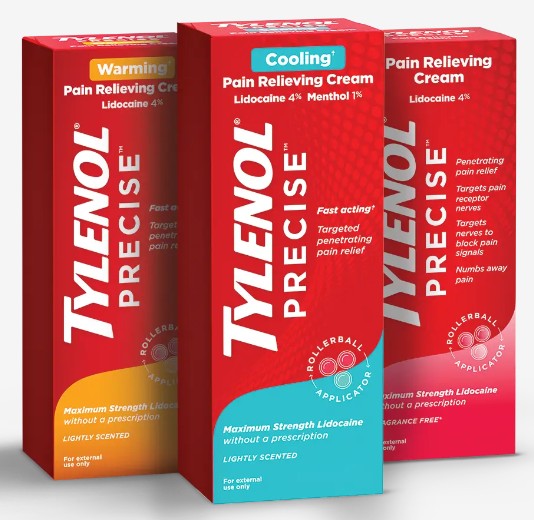
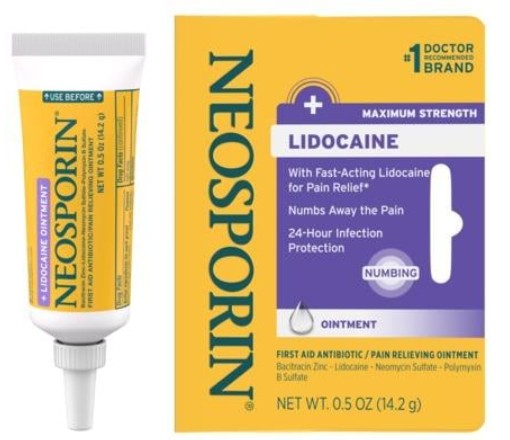
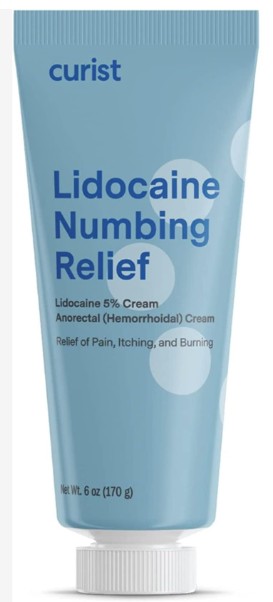
Lidocaine-based products cap at 4-5% in creams like LMX-4 or Xylocaine, ideal for venipuncture, wart removal, or dermatological procedures. EMLA cream, blending 2.5% lidocaine with 2.5% prilocaine, requires 1-hour occlusion for deeper numbing and remains a staple in pediatrics. Pramoxine soaps and foams offer non-ester alternatives for sensitive skin, while dibucaine (1-2%) provides longer relief for anorectal discomfort.
Tetracaine gels (2%) shine in ophthalmology and dentistry but demand caution due to potency. Combination products, like benzocaine-lidocaine-poloxamer sprays, enhance versatility for sports injuries or insect bites. Always adhere to package instructions: apply sparingly, avoid eyes/mucous membranes unless specified, and discontinue if rash develops.
| Anesthetic | Max OTC Strength | Primary Uses | Onset/Duration |
|---|---|---|---|
| Benzocaine | 20% | Oral pain, skin irritations | 1 min / 10-15 min |
| Lidocaine | 5% | Injections, cosmetics | 5 min / 30-60 min |
| Prilocaine | 2.5% | Pediatric numbing | 30 min / 1-2 hrs |
| Pramoxine | 1% | Itchy skin, hemorrhoids | 5 min / 1 hr |
| Dibucaine | 2% | Rectal, abrasions | 15 min / 2-4 hrs |
These alternatives undergo rigorous stability testing, ensuring consistent efficacy without the regulatory hurdles of procaine.
In controlled environments, topical Novocaine retains niche utility. Dentists swab 10% procaine gel intraorally before injections, reducing needle phobia. Otolaryngologists use it for nasal packing, while obstetricians apply for episiotomy repairs. Veterinary medicine employs procaine sprays for animal wound care or dehorning.
Cosmetic dermatology integrates diluted forms pre-Botox or fillers, though lidocaine dominates. Hospitals formulate custom compounded topicals, often with adrenaline for vasoconstriction, extending duration up to 90 minutes. Emergency rooms favor procaine for suturing lacerations in allergic patients intolerant to amides.
Training mannequins and simulation labs stock topical procaine for procedural practice, emphasizing dosage precision. Its short half-life (under 1 minute in plasma) suits scenarios demanding quick recovery, like pediatric dentistry.
While effective, topical anesthetics carry caveats. Local reactions include erythema, edema, and vesiculation, resolving post-washoff. Systemic effects escalate with overuse: methemoglobinemia (cyanosis, dyspnea) from benzocaine-like oxidation of hemoglobin, particularly in G6PD-deficient individuals or neonates.
Procaine-specific issues involve esterase deficiency, prolonging exposure and risking seizures or arrhythmias. Drug interactions amplify hazards—beta-blockers, cimetidine, or antiarrhythmics inhibit metabolism, while occlusive dressings multiply absorption tenfold. Contraindications span hypersensitivity, liver impairment, and concurrent sulfonamide use.
Monitoring involves vital signs during application; antidotes like methylene blue treat methemoglobinemia. Education campaigns stress "less is more," with max doses rarely exceeding 20 mg/kg.
For brands, wholesalers, and producers, bulk procurement bypasses consumer limits. Chinese factories dominate with 70% global API share, offering procaine powder at competitive rates ($50-100/kg). supplybenzocaine.co.uk exemplifies this, providing GMP/ISO-certified customization: from R&D to finished private-label creams, gels, patches, and sprays.
Services encompass solubility enhancement, preservative integration, and stability trials compliant with USP/EP monographs. Low MOQs (1-5kg) suit startups, while scalable production hits 10 tons/month. Packaging options—tubes, pumps, jars—cater to retail aesthetics, with COAs, MSDS, and third-party testing ensuring traceability.
Export logistics streamline via DDP shipping to EU/US, navigating tariffs with REACH/FDA filings. Trends show rising demand in medspas (CAGR 7% through 2030), fueling OEM partnerships for branded "numbing essentials."
| OEM Capability | Key Features | Turnaround |
|---|---|---|
| Bulk Powder | 99.9% Purity, Custom Mesh | 7-14 days |
| Cream/Gel Dev. | pH-Balanced, Scented | 4-6 weeks |
| Private Label | Custom Labels, Stability | 6-8 weeks |
| Full Turnkey | Formulation to Packaging | 8-12 weeks |
The topical anesthetics sector thrives amid booming aesthetics and telehealth. Valued at $1.2B in 2025, it projects 5.2% CAGR to 2032, propelled by non-invasive cosmetics and chronic pain management. Asia-Pacific leads manufacturing, exporting to high-demand US/EU markets.
Innovations include nanoemulsions for faster penetration, microneedle patches for sustained release, and CBD-infused hybrids for synergy. Regulatory evolution may loosen OTC bounds for low-dose procaine, but safety-first policies persist.
Topical Novocaine remains elusive for direct consumer buy due to valid safety and regulatory concerns, but abundant OTC alternatives like benzocaine and lidocaine meet most needs reliably. Professionals leverage it under supervision, while businesses unlock potential via OEM expertise.
Elevate your brand with custom, GMP-grade anesthetics—contact supplybenzocaine.co.uk now for complimentary samples, formulations, and quotes. Partner with China's premier biotech factory for OEM excellence and global reach! Contact us to get more information!
No, pure topical procaine exceeds OTC safety thresholds globally, restricted to prescriptions or professional use. Safer benzocaine options fill the gap for minor numbing.
Benzocaine (up to 20%) and 4-5% lidocaine creams like Orajel or LMX-4 lead for oral/skin relief, backed by extensive safety data and pharmacy availability.
Yes, GMP suppliers like supplybenzocaine.co.uk offer bulk pure powder for OEM, with COAs and compliance support—ideal for brands, not personal use.
Overabsorption risks seizures, heart issues, or methemoglobinemia; limit to small areas, avoid occlusion, and consult professionals for high doses.
Reach supplybenzocaine.co.uk for R&D, custom blends, and turnkey manufacturing—fast leads, low MOQs, worldwide shipping ensure seamless scaling.
1. https://www.fda.gov/news-events/press-announcements/fda-warns-consumers-avoid-certain-topical-pain-relief-products-due-potential
2. https://www.supplybenzocaine.co.uk/where-to-buy-benzocaine-powder.html
3. https://www.drugoffice.gov.hk/eps/upload/eps_news/53117/ZH/1/News%20bulletin%2027%20Mar%202024%20(Lignocaine).pdf
4. https://www.supplybenzocaine.co.uk
5. https://www.nhs.uk/medicines/lidocaine-skin-cream/about-lidocaine-skin-cream/
6. https://pharmaoffer.com/api-excipient-supplier/local-anesthetics/benzocaine/china
7. https://www.sahealth.sa.gov.au/wps/wcm/connect/public+content/sa+health+internet/public+health/hairdressing+body+art+and+piercin
8. https://www.nbinno.com/article/pharmaceutical-intermediates/benzocaine-suppliers-china-buyers-guide-kp
9. https://my.clevelandclinic.org/health/articles/topical-anesthetic
10. https://pharmaoffer.com/zh-CN/api-excipient-supplier/local-anesthetics/benzocaine
Hot tags: Topical Novocaine, Buy Novocaine Online, Novocaine Cream Purchase, Over-the-Counter Novocaine, Novocaine Pain Relief, Novocaine for Dental Use, Topical Anesthetic Options, Novocaine Alternatives, Novocaine Side Effects, Novocaine Availability Online