Content Menu
● Is Viscous Lidocaine Available Over the Counter?
>> Prescription status in many markets
>> OTC lidocaine and related products
● Why Is Viscous Lidocaine More Restricted Than Other OTC Numbing Products?
● Safer OTC Alternatives for Mouth and Throat Discomfort
● How Healthcare Professionals Prescribe and Use Viscous Lidocaine
● OEM and Bulk Supply of Viscous Lidocaine for Brands, Wholesalers, and Manufacturers
● How to Choose an OEM Partner for Viscous Lidocaine Products
● How Brands and Wholesalers Can Work with supplybenzocaine.co.uk
● FAQ
>> 1. Can I buy viscous lidocaine without a prescription?
>> 2. Why is viscous lidocaine considered more risky than skin creams?
>> 3. What OTC options can I use instead of viscous lidocaine?
>> 4. How can my brand or company source viscous lidocaine products?
>> 5. What information should I prepare before contacting an OEM factory?
Viscous lidocaine 2% is an important local anesthetic used on the oral and throat mucosa, but in most regulated markets it is not available directly over the counter and usually requires a prescription from a licensed healthcare professional. For individuals, pharmacists and doctors can suggest suitable OTC alternatives, while for international brands, wholesalers, and manufacturers, the key is to source compliant bulk viscous lidocaine and related products from reliable OEM factories.
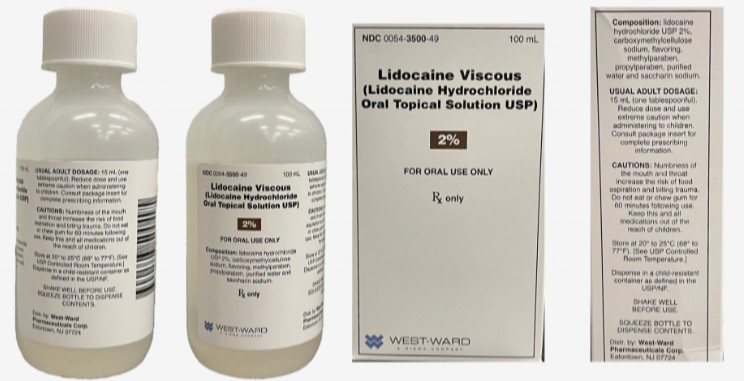
Viscous lidocaine is a thick oral or mucosal solution of lidocaine hydrochloride designed to coat the inside of the mouth and throat and provide local numbing. Because of its viscous base, it adheres to the mucous membranes and creates a temporary anesthetic film that reduces pain. It is typically supplied as a 2% lidocaine HCl oral topical solution, sometimes flavored to improve patient acceptance.
This formulation is commonly used to relieve pain caused by oral ulcers, mucositis following chemotherapy or radiotherapy, dental procedures, and irritation of the mouth and pharynx. Depending on the indication and instructions from the prescriber, patients may be told to swish and spit or swish and swallow. Onset of action is relatively rapid, and the numbing effect is usually short‑term, so repeated doses are often required throughout the day under medical supervision.
In the United States and in many other regulated regions, viscous lidocaine 2% is classified as a prescription‑only medicine. That means pharmacies cannot legally dispense it as a non‑prescription OTC product, and a valid prescription from a licensed healthcare provider is usually required. Even if an online pharmacy lists viscous lidocaine, it will generally ask for a prescription or coordinate with a prescriber before shipping the product.
The main reasons behind the prescription requirement include the need for precise dosing, the potential for systemic toxicity at high doses, and specific safety issues in vulnerable populations such as infants and young children. Labels for reference products (such as Xylocaine 2% Viscous) specify strict maximum dose limits based on patient weight and a maximum total daily dose, which are difficult to manage safely without medical guidance. Because miscalculations or inappropriate use can have serious consequences, regulators keep these products in the prescription category.
Although true viscous lidocaine 2% for oral use is generally not available as an OTC product, many other lidocaine‑containing products are sold without prescription. Typical examples include:
- Topical lidocaine creams and gels for skin, often used for minor burns, insect bites, or cosmetic procedures.
- Lidocaine patches for localized musculoskeletal or neuropathic pain.
- Oral products containing other local anesthetics, such as benzocaine gels, liquids, lozenges, and sprays for minor mouth and throat discomfort.
These OTC products are regulated under specific monographs or marketing authorizations that define their concentrations, indications, target patient groups, and directions for safe use. They are designed for external or limited local application and are not interchangeable with prescription viscous lidocaine intended for deeper oral or pharyngeal use.
Viscous lidocaine is more tightly controlled than many external‑use anesthetic creams because it is applied to mucous membranes inside the mouth and throat. These tissues absorb drugs more efficiently than intact skin, which increases the risk that high or repeated doses will lead to elevated systemic levels.
Several key concerns drive stricter regulation:
- Enhanced absorption and systemic exposure: When viscous lidocaine is swished or held in the mouth, a portion of the dose can be absorbed through the mucosa or swallowed. This raises the risk of systemic effects such as drowsiness, confusion, seizures, or heart rhythm disturbances if dosing limits are exceeded.
- Pediatric safety: Infants and young children have a smaller body mass and are more sensitive to local anesthetics. Regulatory agencies have publicly warned against using viscous lidocaine for teething pain and have reported serious adverse events, including seizures and cardiopulmonary arrest, when these products are misused in children.
- Complex dosing: Safe dosing must consider the patient's weight, age, and comorbidities. Labels often include detailed tables and cautions that are more appropriate for use under medical supervision than for self‑selection as a simple OTC product.
- Potential to mask serious disease: Strong local anesthesia may temporarily hide signs of serious underlying conditions. Without professional evaluation, pain relief alone can delay appropriate diagnosis and treatment.
Because of these risks, authorities generally maintain viscous lidocaine as a prescription product even though lower‑strength external‑use lidocaine and benzocaine products can be sold on open shelves.
For many individuals, the underlying question “Can I buy viscous lidocaine over the counter?” really means “How can I safely relieve my mouth or throat pain without a prescription?” In numerous cases, OTC products and simple supportive measures can provide adequate relief, particularly for mild, short‑term conditions.
Common OTC options (availability and brands vary by country) include:
- Benzocaine oral gels and liquids: These are applied directly to localized lesions such as mouth ulcers or minor irritations to provide short‑term numbing.
- Medicated lozenges: Lozenges containing milder anesthetics or soothing components can help manage sore throat and minor mouth irritation.
- Non‑anesthetic soothing agents: Products with demulcents, herbal extracts, or mild antiseptics may reduce discomfort while supporting overall oral hygiene.
- External‑use lidocaine creams and patches: Though not suitable for use inside the mouth, these are helpful for certain types of localized skin pain.
Non‑pharmacological measures, such as warm salt‑water rinses, good hydration, and avoidance of irritants (very hot foods, spices, alcohol, tobacco), can further support recovery. However, anyone experiencing persistent, severe, or recurrent pain, or systemic symptoms such as fever or weight loss, should seek medical advice promptly rather than relying only on self‑treatment.
Healthcare professionals frequently prescribe viscous lidocaine for specific, well‑defined indications. In oncology, for example, patients undergoing chemotherapy or radiotherapy may develop painful oral mucositis, which can make eating and drinking difficult. In such cases, a carefully supervised regimen of viscous lidocaine may be part of a broader oral care plan.
Typical prescription uses include:
- Managing pain from oral mucositis in cancer therapy.
- Providing pre‑procedure anesthesia in the mouth or throat (for certain dental procedures or diagnostic interventions).
- Relieving severe pain from aphthous ulcers and inflammatory oral conditions, in combination with other treatments.
Doctors and dentists calculate the dose based on weight and clinical condition, specify how often the solution can be used, and highlight the maximum number of doses per day. They also provide clear instructions on whether the patient should spit or swallow the solution and may warn about eating or drinking only after sensation begins to return to avoid choking or biting injuries.
Patients are advised to monitor for any unusual symptoms such as dizziness, ringing in the ears, numbness around the lips beyond the application area, or changes in heartbeat, and to stop using the medicine and seek help if such signs occur.
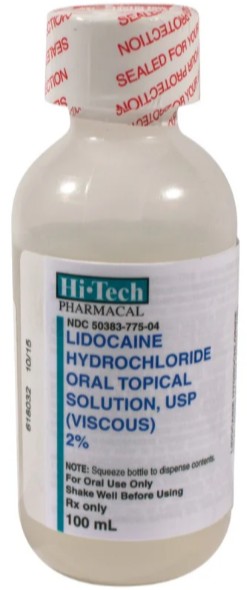
While retail consumers focus on direct OTC purchase, international brands, wholesalers, and manufacturers are usually more interested in secure, compliant supply chains for viscous lidocaine and related anesthetic products. In this context, working with a specialized OEM factory is the most efficient route.
As a China‑based factory engaged in biotechnology, pharmaceutical health products, and medical devices, supplybenzocaine.co.uk serves overseas brand owners, wholesalers, and producers with OEM services. This includes the R&D, production, and packaging of local anesthetic products tailored to different target markets and regulations.
Typical OEM capabilities for viscous lidocaine and its related portfolio can include:
- API and finished‑dose products: Supply of high‑purity lidocaine HCl API, bulk viscous lidocaine concentrates, and fully formulated, ready‑to‑fill solutions.
- Dosage‑form diversification: Development of associated products such as lidocaine injections, gels, creams, sprays, and patches to allow one client to build a full anesthetic product line.
- Private‑label and custom formulation: Adjustment of concentration, viscosity, flavor, and excipients to meet market preferences, as well as the design of bottles, closures, and outer packaging.
- Regulatory documentation and support: Provision of COA, stability data, process validation, and other documents needed for registration or listing in export markets.
- Flexible production scales: Ability to handle pilot‑scale batches for new product launches and scale up to large commercial volumes once demand is confirmed.
This OEM model allows international partners to focus on branding, distribution, and market penetration, while technical formulation, process control, and compliance are handled by a dedicated manufacturing team.
For overseas buyers, choosing the right OEM partner is critical to ensure product quality, regulatory compliance, and sustainable supply. A carefully selected manufacturer helps reduce risk, ensures consistent quality, and strengthens brand reputation in competitive markets.
When evaluating an OEM factory for viscous lidocaine or related products, buyers should look at:
- Quality system and certifications: Confirm that the facility operates under GMP and has relevant ISO certifications. Experience with audits from international clients and authorities is also valuable.
- Regulatory experience: Check whether the factory has supported registrations in major markets, such as the US, EU, or UK, and whether it understands the documentation requirements for your specific region.
- R&D capabilities: A strong research and development team can help you refine formulas, adjust characteristics like flavor and viscosity, and develop new dosage forms based on market feedback.
- Analytical and QC capabilities: Modern laboratories, validated analytical methods, and robust in‑process and finished‑product testing help guarantee batch‑to‑batch consistency and safety.
- Customization and design support: It is often useful if the OEM partner can also provide packaging design input, label layout, and assistance with multilingual instructions for international markets.
- Communication and project management: Clear communication in English, fast response times, and transparent timelines make cross‑border cooperation smoother.
Supplybenzocaine.co.uk, as a professional Chinese factory focused on biotechnological and pharmaceutical products, offers OEM and customization services aligned with these criteria, helping clients build or expand their anesthetic product portfolios efficiently.
For brand owners, wholesalers, and manufacturers seeking to launch or upgrade viscous lidocaine or local anesthetic products, working with supplybenzocaine.co.uk typically follows several key steps:
1. Initial consultation
Clients share information about the target market, intended product types (for example, viscous lidocaine solution, lidocaine injection, or patches), desired concentrations, volumes, and packaging concepts. The factory provides preliminary technical feedback and feasibility assessment.
2. Technical and regulatory alignment
Both sides review applicable regulatory requirements, such as pharmacopoeial standards, labeling rules, and potential registration pathways. The OEM team proposes formulation details and quality specifications that will meet those standards.
3. Sample development and evaluation
R&D staff prepare lab or pilot batches for functional testing, stability assessment, and sensory evaluation (for oral products, flavor is a key factor). The client evaluates these samples and can request adjustments.
4. Contracting and scale‑up
Once the formula and specifications are confirmed, both parties agree on pricing, minimum order quantities, delivery schedules, and quality responsibilities. Production is scaled up to commercial batches in a GMP setting.
5. Ongoing production and support
After launch, the OEM factory continues to produce under the agreed quality system. It can support post‑marketing improvements, line extensions, and documentation updates as regulations evolve.
By leveraging this cooperation model, brands can quickly enter the anesthetic segment or enhance existing lines with improved formulations, while relying on a specialized manufacturing partner for technical excellence and cost‑effective production.
In most regulated markets, viscous lidocaine 2% is not available as an over‑the‑counter product and is instead dispensed on prescription due to important safety considerations, especially in children and other vulnerable patients. While consumers cannot usually purchase this specific formulation freely, they can often find suitable OTC alternatives—such as benzocaine oral gels, lozenges, and external‑use lidocaine products—when advised appropriately by pharmacists or healthcare professionals.
For international brands, wholesalers, and manufacturers, the main opportunity lies not in retail OTC purchase, but in building high‑quality, compliant product portfolios through cooperation with professional OEM factories. As a China‑based factory engaged in biotechnology, pharmaceutical health products, and medical devices, supplybenzocaine.co.uk provides OEM and customization services for viscous lidocaine, lidocaine injections, patches, and other local anesthetic formulations, helping partners create differentiated products for their local markets.
If you are planning to develop, expand, or optimize your viscous lidocaine or local anesthetic line, you are welcome to contact our team for technical consultation, quotations, and samples. We can work with you to design suitable formulations, packaging, and documentation that meet your regulatory needs while keeping costs under control and quality at a high level. Contact us to get more information!
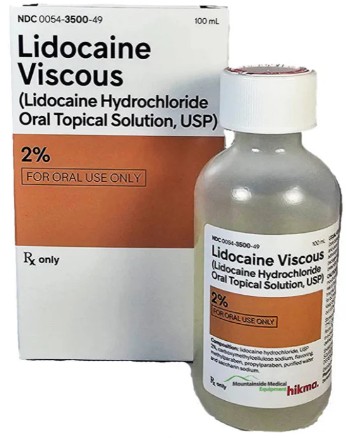
In most regulated markets, viscous lidocaine 2% for oral or throat use is a prescription‑only medicine and cannot be bought directly over the counter without a valid prescription. Pharmacies may be able to suggest alternative OTC products for mild symptoms, but they typically cannot supply viscous lidocaine solution itself without a doctor's order.
Viscous lidocaine is applied to the mucous membranes inside the mouth and throat, where drug absorption is higher than through intact skin. If too much is used, or if it is used too often, blood levels can rise and cause systemic side effects such as dizziness, seizures, or heart rhythm problems. These risks are heightened in infants and young children, which is why strict dosing guidelines and prescription control are necessary.
For minor mouth and throat discomfort, many people use benzocaine oral gels, liquids, or lozenges, as well as soothing throat products and non‑drug measures such as salt‑water rinses. External‑use lidocaine creams and patches can help with certain skin pains, but they must not be used inside the mouth. A pharmacist or doctor can help you choose a product suitable for your situation.
Brands and wholesalers usually source viscous lidocaine products through licensed OEM factories that operate under GMP and have experience with local anesthetic formulations. These manufacturers can supply high‑purity lidocaine API, bulk viscous lidocaine solution, and finished products under private labels, along with the technical and regulatory documentation needed for your target market.
Before approaching an OEM partner, it is helpful to prepare details such as your target markets, intended indications, preferred dosage forms and concentrations, expected annual volumes, packaging ideas, and regulatory requirements. Sharing your brand positioning, price targets, and project timeline will also help the factory propose suitable technical solutions and commercial terms more quickly.
1. https://www.goodrx.com/lidocaine/what-is
2. https://www.goodrx.com/lidocaine-otc/what-is
3. https://healthy.kaiserpermanente.org/health-wellness/drug-encyclopedia/drug.lidocaine-viscous-2-mucosal-solution.174060
4. https://www.accessdata.fda.gov/drugsatfda_docs/label/2014/009470s025lbl.pdf
5. https://www.fda.gov/drugs/drug-safety-and-availability/fda-recommends-not-using-lidocaine-treat-teething-pain
6. https://www.empr.com/uncategorized/oral-viscous-lidocaine-not-for-teething-pain-warns-fda/
7. https://www.hmpgloballearningnetwork.com/site/thederm/article/7737
8. https://hexiapharm.com/viscous-lidocaine-otc-options-prescription-guidelines-usa/
Hot tags: Buy Viscous Lidocaine Over The Counter, Viscous Lidocaine OTC Alternative, Lidocaine 2 Percent Viscous Solution OTC, Over The Counter Mouth Numbing Gel, Lidocaine Oral Solution Without Prescription, Lidocaine 2% Jelly Over The Counter, Where To Buy Viscous Lidocaine, OTC Substitute For Viscous Lidocaine, Lidocaine Mouthwash Over The Counter, Numbing Gel For Mouth Pain OTC