Content Menu
● Can You Buy Lidocaine Cream Over the Counter?
● Where Can Individual Consumers Buy Lidocaine Cream?
>> Retail pharmacies and drugstores
>> Online pharmacies and e‑commerce platforms
>> Telemedicine and online doctor services
>> Hospitals, clinics, and cosmetic centers
● Where Can Businesses Buy Lidocaine Cream for Resale or OEM?
>> 1. Direct from Chinese OEM factories
>> 2. Bulk chemical distributors and lab suppliers
>> 3. Pharmaceutical distributors and wholesalers
● Why Work with an OEM Lidocaine Cream Manufacturer?
>> Key advantages of OEM cooperation
>> How a factory like supplybenzocaine.co.uk supports you
● Practical Steps to Start Buying OEM Lidocaine Cream
● Tips for Safe and Compliant Use of Lidocaine Cream
● How to Evaluate a Lidocaine OEM Partner
● FAQ
>> 1. What strength of lidocaine cream can I buy without a prescription?
>> 2. Can my brand develop a private‑label lidocaine numbing cream?
>> 3. What documentation do I need when importing lidocaine creams?
>> 4. How long does OEM production of lidocaine cream usually take?
>> 5. Why should I choose a Chinese OEM factory like supplybenzocaine.co.uk?
Lidocaine cream is a widely used local anesthetic for pain relief and numbing before medical or cosmetic procedures, and buyers can source it from retail pharmacies, online platforms, telemedicine providers, and direct OEM manufacturers depending on whether they are end‑users or business purchasers. For overseas brand owners, wholesalers, and manufacturers, working directly with a professional Chinese OEM factory like supplybenzocaine.co.uk provides high‑purity lidocaine raw materials and custom private‑label creams at competitive prices.m
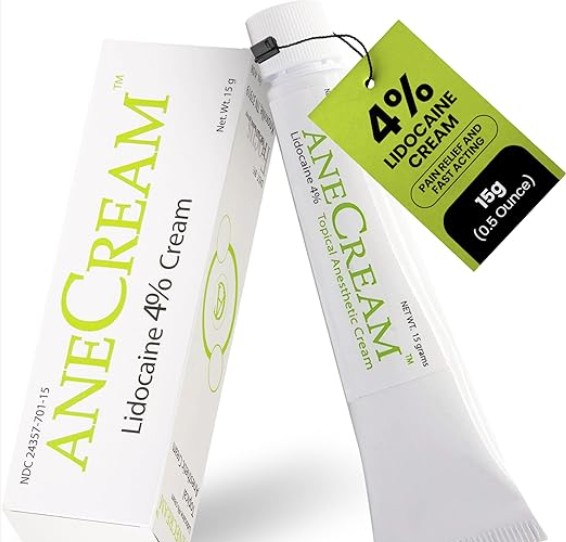
Lidocaine cream is a topical local anesthetic applied to the skin or mucosal surfaces to temporarily block nerve signals and reduce pain, burning, or discomfort. It is commonly used before needle procedures, minor skin treatments, hemorrhoid relief, and certain intimate or cosmetic procedures under medical guidance.
Modern lidocaine creams may be single‑ingredient (only lidocaine) or combination formulas, such as lidocaine plus prilocaine, to enhance anesthetic effect or suit specific indications. In addition to retail products, OEM factories can design custom formulas with different concentrations and excipients to match a brand's positioning and regulatory requirements.
A typical example is a 5% lidocaine cream indicated for anorectal use, often sold over the counter in some markets at that strength for hemorrhoid relief, while higher strengths require a doctor's prescription. Online pharmacies and hospital suppliers may also offer prescription‑only lidocaine ointments, gels, and plasters for more specialized indications.
Short educational videos from clinics or pharmacies often show how lidocaine cream is applied before cosmetic injections and explain safety precautions, helping patients understand correct usage and expectations. OEM brands frequently create their own explainer videos for marketing, showing product texture, packaging, and application scenarios to build trust with end customers.
In many countries, low‑ to medium‑strength lidocaine products for skin use can be bought over the counter (OTC) from community pharmacies or drugstores. These are usually lower concentrations suitable for minor pain or pre‑procedure numbing under pharmacist advice, while higher concentrations or certain indications require a prescription.
In the UK, for example, lidocaine skin cream can be purchased in pharmacies for use before cosmetic procedures involving needles, with some preparations combining lidocaine and prilocaine for stronger effect. In the US, weaker topical lidocaine creams, gels, and patches are widely available OTC, while stronger formulations (or non‑approved uses) must be prescribed by a clinician and dispensed by a licensed pharmacy.
OTC lidocaine hemorrhoid creams at around 4–5% strength are marketed specifically for anorectal use, and instructions emphasize not using them on large body areas or broken skin. Because labeling and permitted strengths vary by jurisdiction, brands and importers must work closely with experienced manufacturers to ensure compliant formulas and packaging for each target market.
Instructional videos produced by pharmacies and telemedicine providers often guide patients on how much cream to apply, how long to wait before a procedure, and when to avoid use, reinforcing written leaflets and online FAQs.
End‑users generally buy lidocaine cream from four main channels: retail pharmacies, online pharmacies and marketplaces, telehealth platforms, and clinics or hospitals.
Local pharmacies and drugstores stock various topical anesthetic products, including lidocaine‑based creams and combination numbing creams. Pharmacists can recommend suitable OTC options, check for interactions, and advise when a doctor's consultation is necessary.
In some regions, branded 5% lidocaine numbing creams for cosmetic procedures or minor pain are displayed near first‑aid or hemorrhoid products, while stronger strengths are kept behind the counter and dispensed under professional guidance.
Licensed online pharmacies allow users to complete short assessments or upload prescriptions, then ship lidocaine creams discreetly to their homes. Many UK and EU online pharmacies, for instance, sell lidocaine 5% ointments or numbing creams after a brief medical questionnaire is reviewed and approved by their clinicians.
In the US and other markets, e‑commerce platforms and online pharmacies list a wide range of OTC lidocaine products, including 4–5% creams for hemorrhoid or local pain relief and combination lidocaine–prilocaine products. Customer reviews, Q&A sections, and product comparison tools help buyers choose the right format and concentration for their needs.
Product demo videos on these platforms frequently show before‑and‑after scenarios, unboxing, and texture demonstrations, which brands use to differentiate their formulas and justify premium pricing.
Telehealth platforms can prescribe lidocaine creams or ointments for certain pain conditions or procedural uses after an online consultation, with fulfillment handled by partner pharmacies. Pricing information from such services usually shows that generic lidocaine ointment can be reasonably affordable, though brand‑name products and higher strengths may cost more.
Some telemedicine providers integrate educational content, dosage calculators, and refill reminders directly into their apps or websites, improving patient adherence and safe use.
Hospitals and outpatient clinics typically source pre‑formulated lidocaine creams or combination numbing products through large distributors and hospital‑grade wholesalers. Cosmetic clinics and tattoo studios may use specialized numbing creams purchased through professional supply channels or directly from OEM manufacturers under private labels.
These professional environments often require strict quality documentation, including GMP proof, certificates of analysis, and stability data to support internal protocols and regulatory audits.
Brand owners, wholesalers, and manufacturers have very different sourcing needs from individual consumers and typically work with bulk suppliers and OEM factories rather than retail pharmacies. For these B2B buyers, choosing the right partner directly impacts cost structure, product quality, and long‑term competitiveness.
China is a leading global producer of lidocaine and related anesthetic ingredients, with many GMP‑compliant factories capable of supplying both raw powders and finished formulations. By sourcing directly from a specialized OEM factory, buyers can often reduce costs significantly compared with Western intermediaries while maintaining high purity and consistent quality.
Factories such as supplybenzocaine.co.uk provide:
- High‑purity lidocaine and lidocaine HCl in cosmetic or pharmaceutical grades, supported by strict QC programs.
- OEM and private‑label services for creams, gels, sprays, and other dosage forms tailored to clients' brand and regulatory needs.
- Flexible MOQs, from small trial batches for new brands to large‑volume production for established distributors.
- Full documentation packages, including COA, MSDS, process descriptions, and stability data when required.
- International logistics assistance, customs paperwork support, and guidance on compliance for EU/US and other markets.
OEM factories often share factory‑tour videos and production‑line clips, showing cleanroom environments, automated filling lines, and packaging operations to demonstrate capability and reassure potential partners.
For laboratory R&D or very small‑scale formulation trials, some companies buy lidocaine from lab chemical suppliers and then compound their own creams. While this offers flexibility for early research, the price per kilogram is usually higher, and such suppliers are not optimized for large‑scale OEM production.
Global lab suppliers are commonly used in R&D phases, but when brands move to commercialization, shifting to dedicated OEM factories significantly improves cost‑effectiveness and scalability.
Large healthcare distributors supply hospitals and clinics with finished lidocaine products but are rarely the most economical choice for brand owners seeking private‑label creams. Their focus is on established, branded medicines rather than custom formulations and white‑label packaging, limiting differentiation opportunities for buyers.
By contrast, OEM factories can adjust formula details, fragrances, packaging sizes, and label design to position a product in different price segments or market niches.
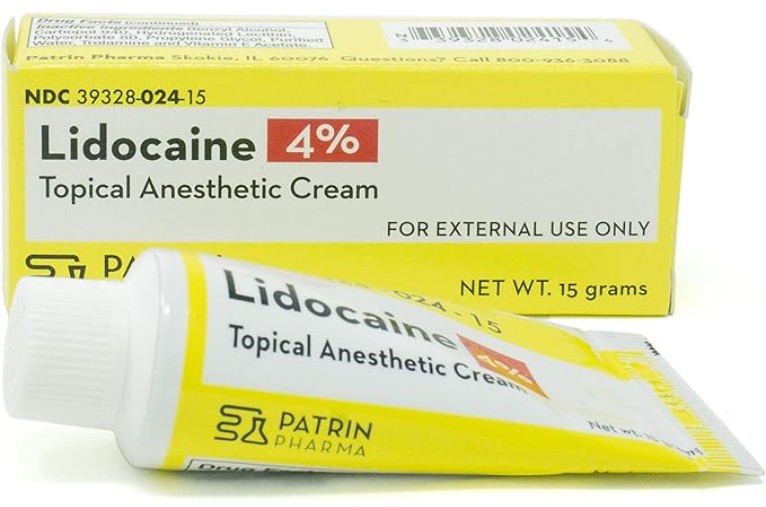
For overseas brands, wholesalers, and producers, choosing an experienced OEM partner is often the fastest way to build and scale a numbing‑cream or anesthetic product line. A strong factory partner helps manage technical, regulatory, and logistics challenges in addition to manufacturing.
- Cost efficiency: Direct factory sourcing removes extra middlemen, leading to substantial savings for medium and large orders.
- Customization: OEM partners can adjust lidocaine concentration, blend with other actives, and fine‑tune excipients, texture, and absorption profiles.
- Regulatory support: Professional factories supply documentation and regulatory guidance for target markets, streamlining registration and audits.
- Scalability: Flexible MOQs and scalable capacity allow brands to start small and grow without changing suppliers.
- Brand differentiation: Private‑label packaging, unique formulas, and tailored marketing support help products stand out in crowded markets.
Customer feedback collected by OEM suppliers often highlights benefits such as consistent batch quality, fast sample delivery, responsive communication, and measurable cost savings compared with previous suppliers. Case‑study videos and customer‑testimonial clips are frequently used by OEM factories to show how they help international brands launch or upgrade lidocaine product lines successfully.
As a Chinese factory active in biotechnology, pharmaceutical health, and medical devices, supplybenzocaine.co.uk focuses on serving overseas partners with lidocaine‑related products and OEM services. The factory's capabilities include bulk lidocaine powder supply, tailored cream and gel formulations, and white‑label packaging designed around client branding and market strategy.
Technical teams assist with formulation design, impurity limits, solvent residue standards, and stability considerations, helping ensure products meet both performance and regulatory expectations. International trade experience enables smoother customs clearance, optimized shipping routes, and risk control for global clients.
If you are a brand owner, wholesaler, or producer planning to develop your own lidocaine cream line, a structured approach will help you move efficiently from idea to market.
1. Define target market and regulations
Clarify the countries or regions where you plan to sell, then confirm whether your product will be regulated as a cosmetic, medical device, or medicinal product. This determines permitted lidocaine concentrations, claims on packaging, and registration requirements.
2. Choose product positioning
Decide on key use scenarios such as pre‑procedure numbing, tattoo or piercing use, hemorrhoid relief, or general pain relief, and identify target customers (clinics, salons, pharmacies, or end‑users). This guides decisions on concentration, packaging size, price range, and texture preferences.
3. Select and evaluate an OEM factory
Shortlist OEM factories with proven lidocaine expertise, GMP or equivalent certifications, and export experience to your target markets. Request technical dossiers, production capacity data, video introductions, and sample products to verify quality and communication efficiency.
4. Develop and confirm the formula
Work with the factory's R&D team to finalize lidocaine strength, any co‑actives (for example prilocaine or soothing botanical extracts), excipients, and fragrance or color options. Lab samples are tested for numbing effect, stability, skin feel, and compatibility with packaging before moving to full production.
5. Design packaging and labeling
Coordinate with the OEM partner on tube, jar, or pump formats, secondary boxes, and label designs that meet both brand and regulatory requirements. Information such as directions, warnings, ingredient lists, batch numbers, barcodes, and expiry dates must follow local laws and market expectations.
6. Arrange production, QC, and logistics
After final approvals, the factory schedules production, performs in‑process and final QC checks, and prepares required documentation. Logistics teams then handle export, customs documentation, and shipping to your designated warehouse, Amazon FBA centers, or regional distributors.
For many brands, partnering with an experienced factory reduces time‑to‑market and minimizes trial‑and‑error compared with building production from scratch or relying on multiple small suppliers.
Even though this article focuses on sourcing and OEM, safety and compliance are critical for long‑term success.
- Always align product strength and indications with local regulations in each sales region.
- Include clear directions for use, maximum application area, and maximum frequency on packaging and inserts.
- Add warnings about using lidocaine cream on broken or inflamed skin unless specifically approved.
- Encourage end‑users to consult healthcare professionals, especially if they have heart disease, liver problems, or are taking other medicines that affect heart rhythm.
- Train customer service and sales teams so they can answer basic product questions consistently and know when to advise customers to seek medical advice.
By integrating safety and compliance into your product strategy from the beginning, you protect your brand reputation and build trust with distributors, clinics, and end‑users.
Choosing the right OEM factory is one of the most important decisions for your lidocaine cream project.
Key factors to evaluate include:
- Experience: Years of focus on anesthetic ingredients and topical products, successful projects with overseas brands, and documented case studies.
- Quality system: GMP or equivalent certifications, validated cleaning and production processes, clear deviation and complaint handling procedures.
- R&D support: Ability to suggest formulas, improve existing products, and provide technical answers quickly.
- Communication: Fast, professional responses, transparent updates during sampling and production, and proactive problem‑solving.
- Logistics ability: Experience shipping to your country, understanding of HS codes, and available shipping solutions (air, sea, or courier).
A factory that scores well on these points can help you build a sustainable lidocaine product line instead of just a one‑time order.
Lidocaine cream is widely accessible to individual consumers through retail pharmacies, online pharmacies, telemedicine platforms, and clinical providers, while businesses can unlock greater flexibility and cost advantages by partnering with specialized OEM manufacturers. For brand owners, wholesalers, and producers seeking to build or expand their own numbing‑cream lines, working with an experienced Chinese OEM factory such as supplybenzocaine.co.uk offers high‑purity lidocaine, tailored formulations, and full support from R&D through international logistics.
If you are a foreign brand owner, wholesaler, or manufacturer looking for a reliable lidocaine supplier and OEM partner, we invite you to contact our professional team at supplybenzocaine.co.uk. Share your formula ideas, target markets, and expected volumes with us so we can provide customized solutions, samples, and quotations designed to help your business grow faster and more efficiently. Contact us to get more information!
In many markets, lidocaine creams at around 4–5% strength for certain uses (such as hemorrhoid relief or pre‑procedural numbing) are available over the counter, but the exact rules differ by country. Higher strengths or formulations intended for specific medical conditions usually require a prescription from a licensed healthcare professional, so brands must always check local regulations before importing or selling.
Yes. Many OEM factories specialize in developing private‑label lidocaine creams, gels, and sprays tailored to a brand's target market, positioning, and regulatory framework. A typical OEM project can include formula development, packaging and artwork support, trial samples, stability observation, and full‑scale production for overseas clients, allowing you to launch a complete product line under your own brand.
Importers usually require certificates of analysis, material safety data sheets, and manufacturing process or batch records for each product. Depending on the destination country and whether the cream is classified as a medicine, cosmetic, or device, authorities may also require product registrations, notifications, GMP certificates, and possibly clinical or safety data, so it is important to confirm requirements before shipment.
Lead times depend on formula complexity and order size, but after a standard formula is agreed and artwork is confirmed, OEM factories often need several weeks to complete production, packaging, and final quality checks. You should also allow additional time for regulatory steps, label approvals, international shipping, and customs clearance, especially for first orders or new markets.
Chinese OEM factories with strong lidocaine expertise offer competitive pricing, flexible order quantities, and robust technical support for international customers. A partner such as supplybenzocaine.co.uk focuses on serving overseas brand owners, wholesalers, and manufacturers, providing high‑purity lidocaine raw materials, customized numbing‑cream formulations, and comprehensive OEM services from sampling and documentation to mass production and global logistics.
1. https://www.supplybenzocaine.co.uk/where-to-buy-lidocaine.html
2. https://www.supplybenzocaine.co.uk/where-can-you-buy-lidocaine.html
3. https://www.supplybenzocaine.co.uk/the-best-lidocaine-products-available-online-a-comprehensive-guide.html
4. https://www.supplybenzocaine.co.uk/how-to-turn-lidocaine-liquid-into-powder.html
5. https://www.nhs.uk/medicines/lidocaine-skin-cream/about-lidocaine-skin-cream/
6. https://curistrelief.com/products/lidocaine-cream-5-numbing-relief-max
7. https://plushcare.com/xylocaine-lidocaine-prescription
8. https://www.theindependentpharmacy.co.uk/genital-herpes/lidocaine-ointment
9. https://lloydspharmacy.com/products/emla-numbing-cream-5-no-dressings-5g
10. https://pharmacy.amazon.com/Lidocaine-Prilocaine-Generic-for-Relador-Topical-Cream/dp/B08F9WV7F9
Hot tags: Buy Lidocaine Cream Over The Counter, Where To Buy Lidocaine Numbing Cream, Best Lidocaine Cream For Tattoos, Lidocaine Cream 5 Percent Near Me, Walmart Lidocaine Pain Relief Cream, CVS Lidocaine Numbing Gel, Walgreens Topical Lidocaine Cream, Strongest OTC Lidocaine Cream, Amazon Lidocaine Numbing Ointment, Lidocaine Cream For Nerve Pain