Content Menu
● What is Penicillin G Procaine?
● Common Uses of Penicillin G Procaine in Veterinary Medicine
● Why Penicillin G Procaine Is Generally Not Recommended for Cats
>> Allergic Reactions and Hypersensitivity
>> Variable Absorption in Cats
● Alternatives to Penicillin G Procaine for Cats
● How Is Penicillin G Procaine Administered and What Are Dosage Guidelines?
>> Dosage for Cats (If Prescribed)
● Signs of Penicillin G Procaine Allergy or Toxicity in Cats
● Best Practices for Using Antibiotics in Cats
● Manufacturing and Quality Control in Veterinary Antibiotics
● Import and Export Regulations of Veterinary Penicillin
● How to Consult Your Veterinarian on Penicillin G Procaine for Cats
● Frequently Asked Questions (FAQs)
>> 1. Can Penicillin G Procaine be safely given to cats?
>> 2. What are safer antibiotic options for cats?
>> 3. How can I recognize if my cat is allergic to Penicillin antibiotics?
>> 4. Are there special regulations for exporting Penicillin antibiotics?
>> 5. Can your factory manufacture customized antibiotics for cats?
Penicillin G Procaine is a well-known antibiotic used extensively in veterinary medicine, primarily for livestock. But what about its use in cats? Can you safely administer Penicillin G Procaine to cats? This article covers everything you need to know about Penicillin G Procaine in feline care—from its pharmaceutical properties, approved uses, dosage considerations, risks, and alternatives. We also provide insights into best practices in veterinary medicine and manufacturing standards to help you make informed decisions.
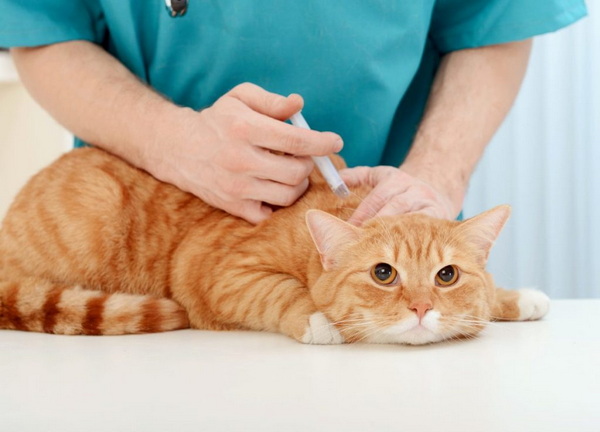
Penicillin G Procaine is a combination antibiotic formulation containing Penicillin G (benzylpenicillin) and Procaine, a local anesthetic. Penicillin G is a beta-lactam antibiotic that prevents bacteria from forming cell walls, which ultimately destroys the bacteria. Its effectiveness spans many Gram-positive bacteria as well as certain Gram-negative varieties. The role of Procaine is to delay absorption, thus allowing the antibiotic to have a longer-lasting effect in the body, reducing the frequency of administration.
Both components must be considered when evaluating its safety and efficacy, especially when dealing with delicate or sensitive patients like cats. While Penicillin G itself can be effective, the Procaine component brings additional risk factors which must be carefully weighed.
Penicillin G Procaine has been a staple antibiotic in veterinary medicine for decades, primarily used in large animals such as cattle, horses, and pigs. It is typically prescribed for infections like:
- Respiratory tract infections (pneumonia)
- Skin and soft tissue infections
- Septicemia (bacterial blood infections)
- Urogenital tract infections (including endometritis in horses and cows)
- Foot rot and abscesses
Its extended release profile makes it convenient for treating animals where frequent dosing is impractical. However, when it comes to small animals, especially cats, its use becomes more controversial due to species-specific responses to the drug and its excipients.
Though effective in many animals, Penicillin G Procaine is generally not recommended for cats. This is because feline physiology and metabolism differ significantly, influencing both therapeutic outcomes and adverse event risks.
Cats have a limited ability to metabolize Procaine, the anesthetic added to prolong Penicillin's effect. The metabolite of Procaine, para-aminobenzoic acid (PABA), can accumulate and cause toxicity. Symptoms may range from mild nervous system effects such as restlessness and twitching to severe outcomes, including seizures or fatal poisoning.
Cats are more prone to hypersensitivity reactions toward penicillins. Whereas a dog or larger animal might experience mild reactions, cats can sometimes suffer more severe allergic signs. These may present as:
- Swelling and redness at injection sites
- Generalized swelling or hives
- Itching or irritation
- Potential respiratory distress (anaphylaxis)
Anaphylactic reactions require emergency veterinary care and can be life-threatening.
The formulation of Penicillin G Procaine is thick and viscous. When given intramuscularly or subcutaneously, it can cause irritation or painful inflammation at the injection site. Cats, having more sensitive skin and muscle tissue, may develop abscesses or localized necrosis, leading to fur loss and discomfort.
Due to their unique metabolism, the absorption rate of Penicillin G Procaine when administered to cats can be unpredictable, leading to suboptimal therapeutic levels or prolonged exposure to the drug. This variability risks treatment failure or drug accumulation that contributes to toxicity.
Veterinarians often opt for antibiotics that are proven safer and more effective in felines. Some of these include:
- Amoxicillin-Clavulanate: A broad-spectrum antibiotic that combacts beta-lactamase producing bacteria, generally well-tolerated by cats.
- Doxycycline: Commonly used for respiratory infections and tick-borne diseases such as Mycoplasma or Ehrlichia.
- Clindamycin: Effective particularly for anaerobic bacterial infections and dental infections.
- Metronidazole: Frequently prescribed for gastrointestinal infections due to its action against anaerobic bacteria and protozoa.
These antibiotics offer the advantage of fewer adverse effects, more consistent absorption, and better studied dosing regimens in feline patients.
When Penicillin G Procaine is prescribed for animals, precise dosing is essential, and should always be performed by or under the guidance of a veterinary professional.
- Intramuscular (IM) injection: The most common route, as it permits slow drug release.
- Subcutaneous (SC) injection: Sometimes used but can cause more irritation in cats.
There is no widely accepted dosage for Penicillin G Procaine in cats due to its limited use and risk profile. In extremely rare and regulated cases, careful weight-based dosing under veterinary supervision is mandatory.
Monitoring is essential post-administration, as cats need close observation for any signs of adverse reactions or injection site complications.
Regardless of the antibiotic used, veterinarians and cat owners should remain vigilant for warning signs of adverse drug reactions, which may include:
- Swelling or discharge at injection site
- Redness, itching, or hives
- Vomiting and diarrhea
- Sudden lethargy or weakness
- Difficulty breathing or collapse (emergency situation)
- Behavioral changes such as restlessness or vocalization
Any of these symptoms warrant immediate veterinary consultation, often requiring discontinuation of the drug and supportive therapy.
Safe antibiotic use in felines should incorporate the following:
- Veterinary diagnosis: Confirm bacterial infection with appropriate tests such as cultures and sensitivity.
- Appropriate antibiotic selection: Choose the drug with the best safety profile for cats.
- Strict adherence to dosage: Avoid underdosing or overdosing.
- Complete treatment course: To prevent antimicrobial resistance and relapse.
- Monitoring: Watch closely for side effects during treatment.
Education of pet owners about these points reduces risks and improves clinical outcomes.
Our manufacturing plant specializes in producing veterinary pharmaceuticals including antibiotics with strict compliance to global quality standards. We follow:
- Good Manufacturing Practices (GMP): Ensuring cleanliness, quality, and batch-to-batch consistency.
- ISO 9001 certification: For comprehensive quality management systems.
- Regulatory compliance: Including CE marking and FDA guidance for veterinary drugs.
OEM services are customized for brands and suppliers worldwide, ensuring that veterinary antibiotics are safe, effective, and legal for distribution.
Batch testing includes potency assays, sterility checks, and stability tests, guaranteeing antibiotics meet performance expectations.
International trade of veterinary antibiotics like Penicillin G Procaine requires navigating complex regulatory frameworks, which vary by country:
- Prescription-only status: Ensuring drugs are only used under veterinary supervision.
- Import permits and customs clearance: Meet documentation and labeling requirements.
- Pharmacovigilance obligations: Monitoring post-market adverse event reporting.
Our company provides end-to-end assistance for overseas clients to comply with these requirements, smoothing supply chains for veterinary pharmaceuticals.
Pet owners or distributors should openly discuss with their veterinarian:
- Past history of drug allergies in cats.
- The risk versus benefit ratio of using Penicillin G Procaine.
- Available safer alternatives for feline bacterial infections.
- Proper administration techniques and monitoring for adverse events.
Veterinarians may prefer safer antibiotics but can guide you if Penicillin G Procaine is ever considered a last resort.
Penicillin G Procaine remains an important and effective antibiotic for many large animals but is generally not recommended for use in cats due to their unique susceptibility to procaine toxicity and higher risk of allergic reactions. Safer, well-tolerated antibiotics such as amoxicillin-clavulanate or doxycycline are preferred treatments for feline bacterial infections.
As a leading manufacturer and supplier specializing in veterinary pharmaceuticals, we prioritize safety, quality, and global regulatory compliance. Whether you are a foreign brand, wholesaler, or manufacturer seeking OEM services, we can deliver customized, high-standard antibiotics for global markets. Contact us today to explore how our expertise can support your veterinary pharmaceutical needs with safe and effective products designed for animal health.
While Penicillin G Procaine is effective in many animals, it is generally not recommended for cats because of procaine toxicity and increased allergic reaction risks. Any administration must be strictly supervised by a veterinarian.
Common alternatives include Amoxicillin-Clavulanate, Doxycycline, Clindamycin, and Metronidazole—all better studied and safer for feline use.
Look for signs such as swelling, redness, hives, vomiting, diarrhea, or respiratory distress soon after drug administration. In such cases, seek emergency veterinary care.
Yes, veterinary antibiotics are subject to prescription laws, import restrictions, and labeling requirements in many countries to ensure proper use and safety.
Yes, we provide OEM services with flexible formulations to meet regulatory and market needs, prioritizing safety and efficacy for veterinary medicines including cat-specific antibiotics.
Hot tags: Penicillin for Cats, Cat Antibiotics, Procaine Penicillin Dosage, Veterinary Use of Penicillin, Cat Health, Antibiotic Treatment for Cats, Procaine Safety in Cats, Feline Infections, Cat Medication Guidelines, Off-Label Use in Cats