Content Menu
● What is Procaine and How Does It Work?
● Clinical and Therapeutic Uses of Procaine
● Can You Get High Off Procaine?
>> Understanding the Pharmacodynamics
>> Lack of Euphoria or Psychoactive Effects
>> Misconceptions and Historical Context
● Risks and Side Effects Associated with Procaine
>> Serious Adverse Effects in High Doses
● Procaine Abuse and Misuse: Is It Possible?
● Comparing Procaine with Psychoactive Anesthetics
● Procaine OEM Manufacturing: Quality Matters
>> Our Manufacturing Advantages
● Frequently Asked Questions (FAQ)
>> 1. Can procaine cause addiction or dependency?
>> 2. What happens if someone tries to misuse procaine?
>> 3. Is procaine safe for use in children and elderly patients?
>> 4. How does procaine differ from other local anesthetics like lidocaine?
>> 5. Can procaine cross the blood-brain barrier and affect the brain?
Procaine is a well-known local anesthetic extensively used in the medical, dental, and pharmaceutical fields for its ability to numb targeted areas of the body during minor surgeries and procedures. Commonly recognized by its trade name Novocain, procaine has been a staple in clinical practice for decades. Yet, despite its medical importance, there remains confusion and curiosity regarding its potential mind-altering effects — specifically, the question: Can you get high off procaine?
This article aims to clarify procaine's pharmacological properties, its clinical uses, possible side effects, and most importantly, its potential (or lack thereof) to induce euphoria or a “high.” Readers from medical professionals to industry experts and curious individuals will benefit from a science-backed perspective.
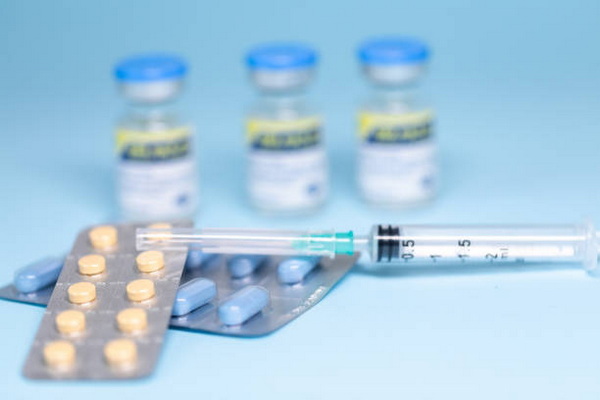
Procaine is an ester-type local anesthetic chemically identified as 2-(diethylamino)ethyl 4-aminobenzoate, with the molecular formula C13H20N2O2. It primarily serves as a nerve signal blocker, producing localized anesthesia by interfering with the transmission of nerve impulses.
When injected near nerve fibers, procaine blocks voltage-gated sodium channels on nerve membranes, preventing the influx of sodium ions that are necessary for the depolarization and propagation of electrical signals. This blockade freezes the nerve's ability to send pain signals to the brain, resulting in temporary numbness of the injected area.
The onset of procaine's effect typically occurs within 2 to 5 minutes, with its duration lasting approximately 30 to 60 minutes, depending on the dosage and administration site.
Procaine remains widely used for various medical indications:
- Dental Procedures: It's commonly used to anesthetize teeth and surrounding oral tissues for fillings, extractions, and root canals.
- Minor Surgeries: Procaine serves as an essential anesthetic in outpatient procedures where short-term numbing is sufficient.
- Pain Management: In some cases, procaine injections are used for localized pain relief in musculoskeletal conditions.
- Research Applications: Some experimental therapies utilize procaine due to its properties in improving oxygen exchange and peripheral circulation, though such uses require further validation.
The fundamental question about procaine causing a “high” is rooted in its pharmacological action and ability to affect the nervous system. Psychoactive substances typically interfere with central nervous system (CNS) processes — altering mood, perception, or consciousness by crossing the blood-brain barrier and engaging neurotransmitter systems like dopamine or serotonin pathways.
Procaine, however, does not readily cross the blood-brain barrier in significant concentrations. Its action is predominantly local and peripheral, focused on nerve blocking in tissues rather than altering brain chemistry.
Unlike opioids, stimulants, or hallucinogens, procaine lacks mechanisms for euphoria or recreation. It does not activate the brain's reward circuit, which is responsible for producing feelings of pleasure or “high.” Therefore:
- Procaine does not produce euphoria or altered mood states.
- It is non-psychoactive and not considered addictive.
- Use of procaine under medical supervision strictly leads to numbness and temporary loss of sensation.
Historically, procaine was developed as a safer alternative to cocaine for anesthesia because cocaine had addictive and stimulant properties due to its action in the CNS. Procaine was preferred because it provided similar local anesthesia but without cocaine's abuse potential.
This difference in effect further reinforces why procaine cannot induce a “high” but is safe for clinical use when properly administered.
While procaine itself is not euphoric or habit-forming, misuse or accidental overdose can cause serious health complications.
- Mild swelling, redness, or tenderness at the injection site
- Temporary dizziness or headache
- Allergic skin reactions such as rash or itching
In cases of overdose or systemic absorption, procaine can cause toxic effects:
- Central nervous system toxicity including numbness of the tongue, dizziness, nervousness, tremors, or convulsions
- Cardiovascular issues such as bradycardia (slow heartbeat), hypotension (low blood pressure), and in extreme cases, cardiac arrest
- Allergic reactions ranging from mild irritation to life-threatening anaphylactic shock
Because of these risks, procaine administration should always be performed by trained healthcare professionals familiar with dosage limits and emergency protocols.
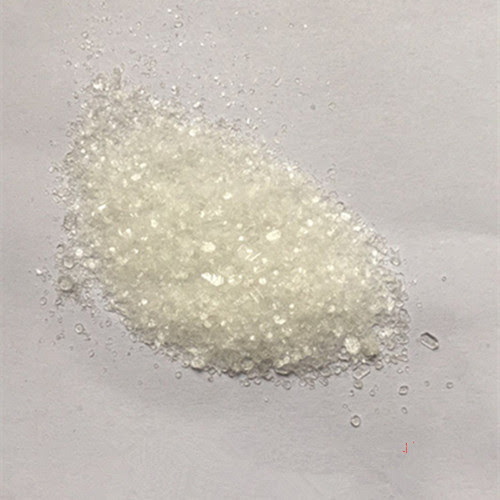
Though procaine itself is not associated with recreational use, it has in rare cases been misused in experimental or illicit ways. Some individuals have attempted to inject procaine intravenously or in large quantities, mistakenly expecting stimulating or euphoric effects — a dangerous practice with no medical justification.
Misuse can lead to:
- Severe toxicity
- Permanent nerve damage
- Potentially fatal outcomes
It's vital to emphasize that procaine is intended exclusively for localized anesthesia in controlled medical settings.
For context, it is helpful to compare procaine with substances that share similar names but drastically different effects:
- Cocaine: Like procaine, cocaine is an ester local anesthetic but has strong CNS stimulant properties, causing euphoria and addiction due to dopamine reuptake inhibition.
- Lidocaine: A commonly used amide anesthetic like procaine but with longer duration, also non-psychoactive.
- Procaine combined with other drugs: Some formulations in the past mixed procaine with stimulants, but procaine itself remains non-euphoric.
This comparison highlights procaine's straightforward role as a non-psychoactive anesthetic.
As a trusted biotech and pharmaceutical manufacturer based in China, [Your Company] is committed to delivering the highest quality procaine products meeting international standards. We supply OEM services for procaine to global brands, wholesalers, and manufacturers involved in healthcare and pharmaceutical industries.
- Advanced GMP-compliant production lines
- Rigorous quality control procedures
- High-purity raw materials sourcing
- Custom formulation and packaging options
Partnering with a reliable procaine supplier ensures safety, efficacy, and regulatory compliance crucial for medical and pharmaceutical applications.
In conclusion, procaine does not produce any form of psychoactive “high.” It is a local anesthetic whose effects are confined to sensory nerve blockade without impacting brain chemistry or mood. Its clinical value lies in its ability to safely numb tissues during minor surgeries and dental procedures under professional care.
Misuse or overdose of procaine, however, carries health risks and should be strictly avoided. If you are seeking high-quality procaine as an OEM supplier or partner in the pharmaceutical and biotech space, we invite you to contact us for reliable products that meet stringent safety and quality benchmarks.
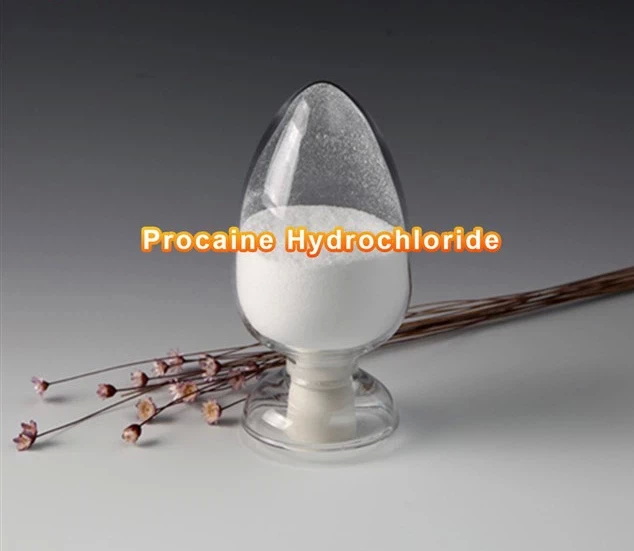
No, procaine is not addictive. It lacks the CNS activity needed to trigger dependency or euphoria and is safe when used correctly.
Misusing procaine, especially by intravenous injection or in excessive amounts, can cause severe side effects including seizures, heart problems, and potentially fatal toxicity.
Procaine can be safely administered to children and older adults when dosages are carefully calculated and managed by healthcare professionals.
Procaine generally has a shorter duration and less potency compared to lidocaine. Both do not cause psychoactive effects and are used primarily for localized anesthesia.
Procaine does not significantly cross the blood-brain barrier; thus, it does not affect the central nervous system or create psychoactive effects.
Hot tags: Procaine High, Recreational Use of Procaine, Procaine Effects, Local Anesthetics, Procaine Abuse, Drug Effects, Procaine and Cocaine, Psychoactive Substances, Procaine Addiction, Procaine Risks