Content Menu
● Understanding Lidocaine Powder
● Is Rehydration of Lidocaine Powder for Injection Possible?
● Selecting Solvents for Dissolution of Lidocaine Powder
>> Sterile Water for Injection (SWI) or Sterile Saline
>> Organic Solvents: Propylene Glycol and Ethanol
● Step-by-Step Preparation of Injectable Lidocaine from Powder
>> 1. Preparation and Environment:
>> 5. Clarification and Sterilization:
>> 6. Labelling and Packaging:
>> 7. Storage:
● Chemical and Physical Stability of Reconstituted Lidocaine Injections
● Safety Considerations When Preparing and Injecting Rehydrated Lidocaine
● Applications of Rehydrated Lidocaine Injection Solutions
● Frequently Asked Questions (FAQ)
>> 1. Can lidocaine powder be dissolved directly in water for injection?
>> 2. What solvents are safest for rehydrating lidocaine powder for injection?
>> 3. How should lidocaine solutions be stored after preparation?
>> 4. Is professional compounding equipment necessary when rehydrating lidocaine powder?
>> 5. Can rehydrated lidocaine powder be used for intravenous injection?
Lidocaine is a widely used local anesthetic that is essential in many medical procedures, from minor surgeries to dental operations. It is frequently supplied in powder form for pharmaceutical compounding prior to use. One common question arises: Can lidocaine powder be rehydrated—dissolved in an appropriate solvent—and safely injected? The answer is yes, but this process demands careful adherence to sterile techniques, correct solvent choice, and rigorous safety protocols to ensure a safe and effective injectable solution.
This article provides a thorough exploration of the rehydration process for lidocaine powder intended for injection. We delve into the chemical properties of lidocaine, the selection of suitable solvents, detailed preparation steps, storage and stability concerns, and safety measures to take into account. Alongside practical guidance, this comprehensive presentation aims to equip pharmaceutical professionals, manufacturers, and healthcare providers with the knowledge needed for correct lidocaine solution preparation.
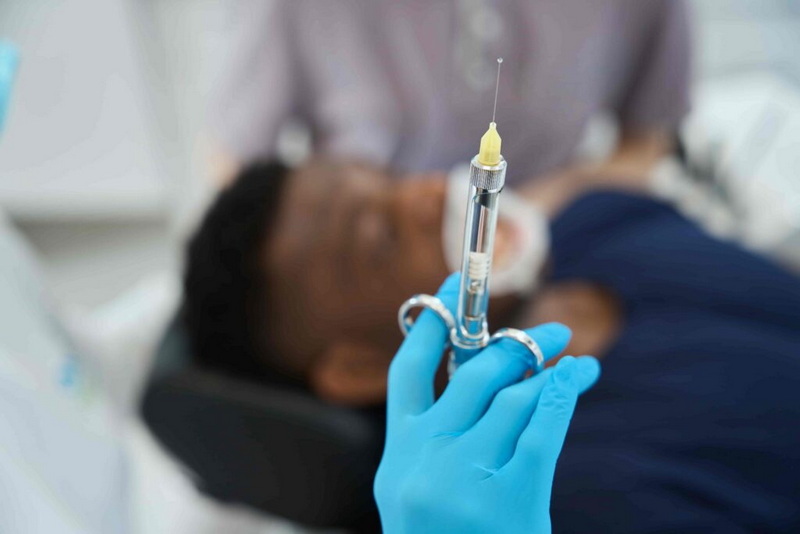
Lidocaine, chemically referred to as 2-(diethylamino)-N-(2,6-dimethylphenyl)acetamide, is frequently available as a white crystalline powder or as its hydrochloride salt, lidocaine hydrochloride (HCl). The powder generally exhibits a high purity level—typically above 99%—making it a reliable active pharmaceutical ingredient used widely in local anesthetics and antiarrhythmic drugs.
However, lidocaine's free base form has poor water solubility, implicating the necessity for proper solvents and sometimes pH modification to dissolve it fully when preparing injectable solutions. Commercially, lidocaine is often pre-formulated as ready-to-use injectable solutions. The powder form, by contrast, is primarily reserved for custom pharmaceutical compounding or large-scale manufacturing where tailored dosages or formulations are required.
Rehydrating lidocaine powder involves dissolving it in a sterile solvent to generate a solution suitable for injection. This process is not only feasible but standard practice in pharmaceutical compounding. That said, several critical conditions must be met to ensure safety, efficacy, and stability.
Key considerations include:
- Chemical Form: Lidocaine hydrochloride is far more soluble in water compared to free base lidocaine.
- Sterile Solvents: Use of sterile water for injection (SWI) or sterile saline solutions is recommended for rehydration.
- pH and Additives: Slightly acidic or buffered solutions may improve solubility and stability.
- Avoiding Toxic Solvents: Organic solvents like ethanol or propylene glycol can aid dissolution but must be minimized or avoided in injectable products due to toxicity and irritation potential.
- Sterile Preparation: An aseptic environment and proper pharmaceutical compounding techniques are mandatory to prevent contamination.
The most common and safest solvents used for rehydrating lidocaine powder are sterile water for injection and sterile saline. These aqueous solvents are ideal for preparing local anesthetic injections because they maintain biocompatibility and patient safety.
The process involves accurately weighing the required powder amount, gradually adding it into a sterile vial containing the solvent, and stirring gently until complete dissolution occurs. Mild warming may be applied to facilitate solubility but should not exceed 40°C to avoid degradation. If necessary, sterile filtration helps remove undissolved particles and ensures microbial safety.
Although propylene glycol and ethanol dissolve lidocaine efficiently, they present limitations in injectable formulations. Injections delivered via these solvents may cause tissue irritation or systemic toxicity if used in high concentrations. Hence, these solvents are typically reserved for topical formulations or must be kept to minimal quantities if incorporated into injectable forms.
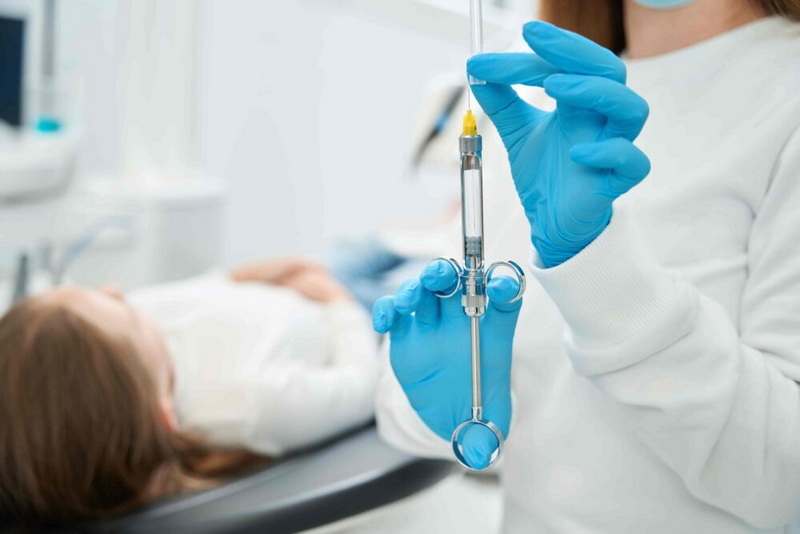
All materials, including glass vials, syringes, and powders, must be handled in a certified sterile environment such as a laminar airflow hood. Operators should wear gloves, a mask, and gown to minimize contamination risk.
Use a calibrated precision scale to measure the exact amount of lidocaine powder needed based on the desired concentration of the final solution.
Sterile water for injection or saline is preferred. If free base lidocaine powder is used, a mild acidification—such as adding diluted hydrochloric acid—may improve dissolution rates.
Add the powder slowly into the solvent container, stirring gently to avoid generating air bubbles or foam. Avoid vigorous shaking, which can denature the compound or introduce particulate matter.
Filter the solution through a 0.22-micron sterile filter designed for pharmaceutical preparations. This step removes potential contaminants and ensures the solution is clear and suitable for injection.
Transfer the sterile solution into sterile, sealed glass vials. Properly label each container with the final lidocaine concentration, preparation date, batch number, and storage instructions.
Store the prepared lidocaine solution under refrigeration (typically 2°C to 8°C) and protect it from light exposure to maintain stability. Use the solution within the recommended stability period to minimize degradation and contamination risks.
Lidocaine hydrochloride solutions generally demonstrate good stability when stored under recommended conditions, exhibiting no precipitate formation and retaining pharmaceutical potency throughout their shelf life. However, sensitivity to light and elevated temperatures can cause chemical breakdown, which may reduce efficacy and potentially form unwanted degradation products.
Fresh preparation is ideal to ensure maximum potency and sterility. If storage is necessary, stringent cold chain procedures and light protection are essential. Visual inspection of solutions prior to use is mandatory to confirm clarity and absence of precipitates or discoloration.
- Sterility: Strict aseptic techniques must be followed during preparation to avoid microbial contamination, which can lead to serious injection-site infections.
- Accurate Dosing: Precise measurement of lidocaine powder and solvent volume prevents dosing errors, minimizing risks of toxicity or inadequate anesthesia.
- Solvent Purity: Only pharmacopeia-grade solvents approved for injection should be used.
- Patient Safety: Appropriate concentration limits and injection volumes should be observed to avoid systemic toxicity such as central nervous system or cardiovascular adverse effects.
- Regulatory Compliance: Compounding procedures must comply with Good Manufacturing Practices (GMP) and local pharmacopeial guidelines to ensure quality and patient safety.
Rehydrated lidocaine injections play a vital role in medical and dental procedures, including:
- Local Anesthesia: For numbing small areas in minor surgeries, dental work, and dermatologic interventions.
- Regional Nerve Blocks: To provide anesthesia over larger surgical areas by targeting specific nerves.
- Intravenous Regional Anesthesia: Utilized in procedures like Bier block anesthesia.
- Antiarrhythmic Therapy: Lidocaine solutions can be administered intravenously to manage certain cardiac arrhythmias under strict medical supervision.
Compounded lidocaine injectable solutions allow customization to specific concentrations and volumes needed by hospitals, clinics, and manufacturers.
Rehydrating lidocaine powder to create injectable solutions is a well-established practice that demands precise pharmaceutical compounding protocols. Ensuring the use of appropriate solvents, strict aseptic techniques, meticulous measurement, and proper storage guarantees a stable, effective, and safe product for clinical use. Our factory specializes in providing high-quality lidocaine powder and tailored OEM compounding services designed to meet the diverse needs of international brands, wholesalers, and manufacturers.
If you require premium-grade lidocaine powder or custom injectable formulation services, please reach out to us. Our expert team is dedicated to supporting your production needs with an unwavering emphasis on safety, compliance, and quality.
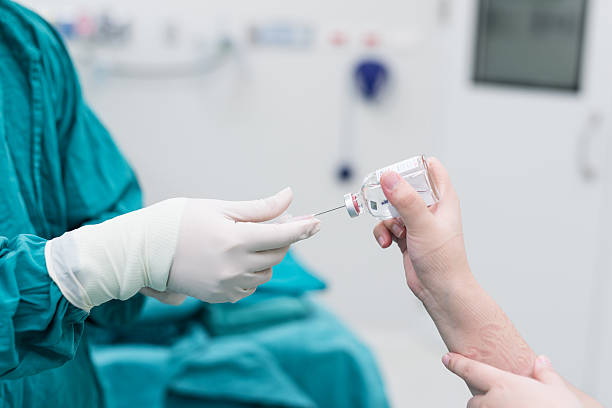
Yes. Lidocaine hydrochloride powder is water-soluble and can be directly dissolved in sterile water for injection. However, the free base form may require slight acidification or use of co-solvents to dissolve fully.
Sterile water for injection or sterile saline are the safest choices for injectable formulations. Organic solvents like ethanol and propylene glycol, although effective at dissolving lidocaine, are generally avoided or minimized in injections due to their potential to cause tissue irritation and toxicity.
Prepared solutions should be stored in sterile glass vials, refrigerated at temperatures between 2°C and 8°C, and protected from light. Use the solution within the recommended timeframe to prevent degradation or contamination.
Yes. Ensuring a sterile environment with equipment like laminar airflow hoods, precision scales, and sterile filtration units is essential to produce safe and sterile injectable lidocaine solutions.
Rehydrated lidocaine solutions can be used intravenously only if prepared under strict sterile conditions and validated for intravenous use. Commercially pre-formulated lidocaine injections are generally preferred for IV administration due to safety and regulatory considerations.