Content Menu
● How Do Paracetamol and Aspirin Work Differently?
● Can You Take Paracetamol and Aspirin Together?
● Potential Benefits of Taking Them Together
● Risks and Side Effects of the Combination
● Who Should Avoid Taking Paracetamol and Aspirin Together?
● Recommended Dosage Guidelines for Adults
● Drug Interactions to Consider
● Special Populations and Clinical Situations
● Alternatives to Combining Paracetamol and Aspirin
● Our OEM Capability for Paracetamol and Aspirin Products
● Frequently Asked Questions (FAQ)
>> 1. Is it safe to take paracetamol and aspirin together every day?
>> 2. What should I do if I accidentally take too much paracetamol and aspirin?
>> 3. Can children or teenagers take paracetamol and aspirin together?
>> 4. Is it safe to drink alcohol while taking paracetamol and aspirin?
>> 5. Are there ready-made products that combine paracetamol and aspirin in one tablet?
Paracetamol and aspirin are two of the most widely used over-the-counter pain relievers and fever reducers around the world. Many people wonder whether these medicines can be taken together safely and how to use them correctly to maximize benefits while minimizing risks.

Paracetamol (also known as acetaminophen) is an analgesic and antipyretic medicine. It mainly works in the central nervous system, where it reduces the perception of pain and lowers fever by inhibiting the synthesis of certain chemical messengers related to pain and temperature regulation.
Common uses of paracetamol include:
- Headaches and migraines
- Muscle aches and back pain
- Toothache and dental pain
- Cold and flu symptoms
- Mild joint and menstrual pain
For adults, the usual dose is 500–1000 mg every 4–6 hours when needed, with a maximum daily dose of 4000 mg (4 g), unless a healthcare professional advises otherwise. Exceeding this limit can significantly increase the risk of liver damage.
Paracetamol is generally gentler on the stomach than many anti-inflammatory painkillers and is often preferred for people with sensitive stomachs or a history of gastric problems. It is available in tablets, capsules, soluble tablets, suspensions, and suppositories, making it suitable for different age groups and clinical needs.
Aspirin (acetylsalicylic acid) is a non-steroidal anti-inflammatory drug (NSAID). It reduces pain, fever, and inflammation by blocking cyclooxygenase (COX) enzymes, which in turn reduces prostaglandin production throughout the body.
Aspirin is commonly used for:
- Mild to moderate pain (headache, toothache, muscle pain)
- Inflammatory conditions such as arthritis
- Fever associated with infections
- Cardiovascular protection at low doses
For pain relief in adults, typical doses of aspirin are 300–900 mg every 4–6 hours, not exceeding 4000 mg (4 g) per day. For heart and stroke prevention, much lower doses (usually 75–325 mg once daily) are used to reduce blood clot formation.
However, aspirin can irritate the stomach lining and may increase the risk of gastrointestinal bleeding or ulcers, particularly with long-term use or in people with existing stomach problems. Aspirin is generally not recommended in children under 16 years old due to the risk of Reye's syndrome, a rare but serious condition affecting the liver and brain.
Although both paracetamol and aspirin relieve pain and reduce fever, they do so in different ways.
- Paracetamol mainly acts in the brain and spinal cord. It reduces pain perception and lowers body temperature but has only minimal anti-inflammatory effects in most tissues.
- Aspirin acts more peripherally and systemically. It blocks COX enzymes, which decreases prostaglandin production involved in pain, fever, and inflammation. It also has an antiplatelet effect, thinning the blood and reducing clot formation.
Because of these differences:
- Paracetamol is better suited when inflammation is not a major factor, such as in simple tension headaches or fever.
- Aspirin is more useful when inflammation is prominent, such as in certain forms of arthritis or injuries with swelling.
These distinct mechanisms make it theoretically possible to combine them for broader pain control, as they do not completely overlap in how they work.
For most healthy adults, taking paracetamol and aspirin together for short periods is generally considered acceptable when recommended doses are respected. They belong to different drug classes and do not have a strong direct interaction that would automatically make the combination unsafe.
However, “safe” does not mean “risk-free.” The safety of combining these medicines depends on:
- Your total daily dose of each medicine
- How long you are taking them
- Your age and general health
- Existing medical conditions, especially liver, kidney, or stomach problems
- Other medicines you are taking (e.g., blood thinners, other NSAIDs, or alcohol use)
A common clinical approach in some cases is to stagger doses. For example, an adult might take:
- 500–1000 mg of paracetamol
- 300–600 mg of aspirin
at intervals of 4–6 hours, ensuring that neither daily maximum is exceeded. This kind of schedule can offer enhanced pain control for certain conditions without necessarily increasing risk—provided you have no contraindications and follow medical advice.
Because individual situations vary, it is always best to ask a doctor or pharmacist before starting any combination regimen, especially if you intend to use it for more than a few days.
When used appropriately, combining paracetamol and aspirin may offer several potential advantages:
- Broader pain relief: Paracetamol works centrally, while aspirin provides peripheral anti-inflammatory action. Together they may manage pain that has both inflammatory and non-inflammatory components.
- Enhanced effectiveness: Some patients report better pain control when using the two together compared with either alone, particularly for conditions like severe headaches, dental pain, or painful periods.
- Flexible dosing: Because they have different mechanisms, they can sometimes be alternated or combined under professional guidance, which may reduce the need for higher doses of a single medicine.
For example, a person with a throbbing headache caused by a combination of tension and inflammation (sinus issues, for instance) may find that a combination offers more relief than either medicine alone. Nevertheless, the goal should always be the lowest effective dose for the shortest possible time.
Combining paracetamol and aspirin does not completely remove their individual risks. In some cases, using both may increase the overall burden on the body.
Key risks include:
- Gastrointestinal issues (mainly from aspirin): Stomach pain, heartburn, nausea, gastritis, ulcers, and even bleeding or perforation in severe cases. Alcohol, smoking, and a history of ulcers can make this worse.
- Liver toxicity (from paracetamol overuse): Taking more than the recommended daily dose or combining paracetamol with heavy alcohol consumption significantly increases the risk of liver damage, which can be life-threatening.
- Kidney stress: Long-term or high-dose use of NSAIDs like aspirin, especially combined with other medicines, may affect kidney function, particularly in older adults or people with pre-existing kidney problems.
- Bleeding risk: Because aspirin thins the blood, it can increase the risk of bleeding, including nosebleeds, bruising easily, gastrointestinal bleeding, and, rarely, intracranial bleeding.
If you combine paracetamol and aspirin regularly or at high doses, these risks can add up. This is why long-term or routine combined use should only be done under medical supervision.
Warning signs to seek urgent medical help include:
- Black or tarry stools
- Vomiting blood or material that looks like coffee grounds
- Yellowing of the skin or eyes
- Severe upper abdominal pain
- Unusual bruising or bleeding
- Confusion, extreme fatigue, or sudden deterioration in general condition
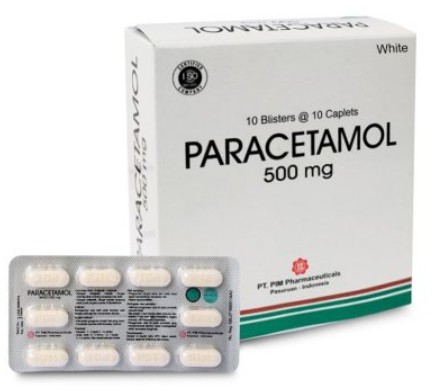
Certain groups of people need to be especially careful or should avoid this combination unless a specialist advises otherwise:
- Children and teenagers under 16 years: Aspirin is not recommended due to the risk of Reye's syndrome. Paracetamol alone, at weight-appropriate doses, is usually preferred.
- Pregnant women: Paracetamol is generally the first-line choice for pain and fever in pregnancy, at the lowest effective dose. Aspirin, especially in anti-inflammatory doses, is usually avoided unless specifically prescribed for medical reasons.
- Breastfeeding women: Paracetamol can usually be used when breastfeeding. Low-dose aspirin may sometimes be used under medical supervision, but high doses or long-term use should be avoided without advice.
- People with stomach ulcers or severe gastritis: Aspirin can aggravate these conditions and increase bleeding risk.
- People with bleeding disorders or on blood thinners: Those taking warfarin, clopidogrel, or similar medicines should only use aspirin-based combinations with clear medical guidance.
- People with severe liver or kidney disease: Both paracetamol and aspirin may need dose adjustments or alternative therapies.
- Individuals allergic or sensitive to NSAIDs: Those who experience asthma attacks, hives, or nasal polyps triggered by aspirin or other NSAIDs should avoid aspirin.
If you fall into any of these categories, do not start a paracetamol–aspirin combination without talking to your healthcare provider.
Below is a general guide for adults with no specific contraindications. Individual recommendations may differ, so always follow professional instructions and medicine labels.
- Paracetamol (adults):
- Usual single dose: 500–1000 mg
- Dose interval: every 4–6 hours as needed
- Maximum daily dose: 4000 mg (4 g) in 24 hours
- Aspirin for pain (adults):
- Usual single dose: 300–900 mg
- Dose interval: every 4–6 hours as needed
- Maximum daily dose: 4000 mg (4 g) in 24 hours
When taking both:
- Keep track of the total daily amount of each medication.
- Do not exceed the maximum daily dose of paracetamol or aspirin.
- Do not take other products containing paracetamol (e.g., cold/flu combination tablets) without checking labels.
- Avoid adding other NSAIDs (such as ibuprofen or naproxen) unless a doctor specifically advises it.
For children, aspirin should generally be avoided. Paracetamol dosages in children are based on body weight, often around 10–15 mg/kg per dose every 4–6 hours, with a limited number of doses per day. Always use child-specific formulations and dosing devices.
When combining paracetamol and aspirin, you also need to be aware of other medicines and substances that may interact with them:
- Blood thinners (anticoagulants and antiplatelets): Aspirin can enhance the effects of warfarin, heparin, clopidogrel, and similar drugs, raising bleeding risk.
- Other NSAIDs and COX-2 inhibitors: Adding ibuprofen, naproxen, or other NSAIDs increases gastrointestinal and kidney side effects.
- Alcohol: Alcohol consumption with paracetamol increases the risk of liver damage, and with aspirin may further irritate the stomach.
- Corticosteroids: Steroids such as prednisolone combined with aspirin can further increase the risk of stomach bleeding.
- Some antidepressants (SSRIs): These may slightly increase bleeding risk, especially when combined with aspirin or other blood thinners.
You should always tell your doctor or pharmacist about all medicines, supplements, and herbal products you take before adding or combining pain relievers.
Different clinical situations may require a tailored approach:
- Older adults: They may be more sensitive to side effects, especially bleeding, kidney stress, and drug interactions. Lower doses and shorter courses are often preferable.
- Chronic pain conditions: Long-term use of any analgesic combination should involve a doctor, who may recommend structured pain plans, periodic monitoring of liver and kidney function, or alternative treatments such as physical therapy or non-drug interventions.
- Post-surgical pain: Depending on the type of surgery and bleeding risk, doctors may advise paracetamol alone or in combination with other medicines, and may limit or avoid aspirin.
- Cardiovascular patients on low-dose aspirin: Many people take low-dose aspirin once daily for heart or stroke prevention. In such cases, paracetamol is often chosen as the first-line additional pain or fever medicine, as it does not interfere significantly with aspirin's antiplatelet effect when used occasionally.
It is important to follow the individual plan laid out by your healthcare provider, especially if you have complex medical conditions.
If combining paracetamol and aspirin is not suitable for you, there are several other options to discuss with a professional:
- Paracetamol alone: Often sufficient for mild to moderate pain and fever.
- A single NSAID such as ibuprofen (if tolerated): Provides both pain relief and anti-inflammatory effects.
- Paracetamol with a different adjuvant: In some settings, paracetamol may be combined with codeine or other approved agents under strict regulations.
- Topical treatments: Gels, creams, or patches containing NSAIDs or other analgesics for localized pain (e.g., joint or muscle pain).
- Non-pharmacological strategies: Rest, ice or heat, gentle exercise, physiotherapy, massage, and other methods can complement or reduce the need for medicines.
The best choice depends on the type of pain, its cause, your health status, and your response to previous treatments.
As a professional Chinese factory (supplybenzocaine.co.uk) focusing on biotechnology, pharmaceutical, healthcare, and medical device fields, we specialize in the research, development, production, and sales of high-quality APIs and finished dosage forms. We offer comprehensive OEM and contract manufacturing services for international brand owners, wholesalers, and pharmaceutical manufacturers.
Our strengths include:
- Production of high-purity paracetamol and aspirin active pharmaceutical ingredients (APIs)
- Manufacturing of tablets, capsules, granules, and various combined formulations according to your specifications
- GMP-compliant facilities and strict quality control systems
- Support for custom dosage strengths, packaging formats, and labeling for different markets
- Technical support for formulation development, stability studies, and regulatory documentation
Whether you need standard paracetamol or aspirin products, or a customized combination tailored to a specific therapeutic indication or market segment, our team can provide flexible solutions. From small pilot batches to large-scale commercial production, we aim to ensure consistent quality, reliable supply, and competitive cost.
If you are a brand owner, importer, or distributor looking for a dependable OEM partner for paracetamol, aspirin, or combination pain reliever products, we welcome your inquiry. You can discuss private labeling, custom formulations, and long-term cooperation terms with our sales and technical teams.
Paracetamol and aspirin are both effective medicines for relieving pain and reducing fever, but they work in different ways and have distinct safety profiles. In many healthy adults, taking them together for short periods can be acceptable when recommended doses are followed and individual risk factors are carefully considered.
However, the combination is not suitable for everyone. Children under 16, people with stomach ulcers, those on blood thinners, and individuals with certain chronic conditions need special caution or alternative options. Responsible use—correct dosage, limited duration, awareness of interactions, and professional guidance—is the key to benefiting from these medicines while reducing potential harm.
If you are planning sustained or repeated use of paracetamol and aspirin together, or if you have underlying health issues, always consult a doctor or pharmacist before starting or adjusting your regimen.
As an experienced OEM manufacturer, we are ready to support your business with high-quality paracetamol, aspirin, and combination formulations. If you are interested in developing or sourcing these products under your own brand, we invite you to contact us through supplybenzocaine.co.uk to discuss customized solutions, technical support, and long-term cooperation opportunities. Contact us to get more information!

Using paracetamol and aspirin together for a short period, such as a few days, can be acceptable for many adults if you keep within the recommended daily doses and have no contraindications. However, taking them together every day for a long time may increase the risk of stomach problems, bleeding, liver or kidney damage, especially if you also drink alcohol or take other medicines. If you find that you need this combination daily or very frequently, you should see a doctor to evaluate the underlying cause of your pain and to discuss safer long-term treatment options.
If you suspect that you have taken more than the recommended daily dose of either paracetamol or aspirin—or both—seek medical advice immediately, even if you feel well at the moment. Early symptoms of overdose may be mild or absent, but serious liver damage (from paracetamol) or dangerous bleeding and metabolic disturbances (from aspirin) can develop later. Do not wait for symptoms like severe abdominal pain, vomiting, confusion, or yellowing of the skin and eyes to appear. Contact emergency services or your local poison control center as soon as possible for instructions.
Aspirin is generally not recommended for children and teenagers under 16 years old because of the risk of Reye's syndrome, a rare but serious condition affecting the liver and brain. For children, paracetamol alone is usually used, with the dose carefully adjusted according to body weight and age. You should always follow the instructions on the packaging and use appropriate pediatric formulations and measuring devices. If your child has persistent pain or fever, or you are unsure about dosing, consult a pediatrician or pharmacist before giving any medicine.
Combining alcohol with paracetamol and aspirin is not recommended. Alcohol can increase the risk of liver damage when taken with paracetamol, especially if either is used in excess. It can also worsen irritation of the stomach lining caused by aspirin, increasing the chances of gastritis, ulcers, or gastrointestinal bleeding. If you do drink alcohol, keep your intake low and avoid taking high or frequent doses of these medicines at the same time. People who drink heavily or regularly should talk to a healthcare professional for personalized advice before using these pain relievers.
In some markets, there are combination products that contain both paracetamol and aspirin, sometimes together with other active ingredients such as caffeine. These are formulated to provide broader or stronger pain relief in a single dose. If you use such a combination product, it is very important to read the label carefully to understand exactly how much paracetamol and aspirin each dose contains. You must include these amounts in your total daily count to avoid accidental overdose, especially if you are also taking any other paracetamol- or aspirin-containing medicines. When in doubt, a pharmacist can help you interpret labels and choose the safest product.
1. https://welzo.com/blogs/medication/aspirin-with-paracetamol
2. https://www.supplybenzocaine.co.uk/Article/list-r20.html
3. https://www.calendar-australia.com/faq/can-you-take-2-paracetamol-and-1-aspirin-together
4. https://medicalprices.co.uk/can-i-take-aspirin-with-paracetamol/
5. https://www.chemist-4-u.com/guides/pharmaceutical-advice/two-painkillers/
6. https://pharmaoffer.com/zh-CN/api-excipient-supplier/analgesics/paracetamol
7. https://www.nhs.uk/medicines/low-dose-aspirin/taking-low-dose-aspirin-with-other-medicines-and-herbal-supplements/
8. https://fastlyheal.com/can-i-take-aspirin-and-paracetamol-together/
9. https://www.nhs.uk/medicines/aspirin-for-pain-relief/taking-aspirin-with-other-medicines-and-herbal-supplements/
10. https://www.weibangbio.com/oem-acetaminophen-aspirin-manufacturer/
Hot tags: Paracetamol Aspirin Interaction, Can You Take Paracetamol With Aspirin, Aspirin Paracetamol Safety, Mixing Aspirin And Paracetamol, Paracetamol Aspirin Dosage, Aspirin Paracetamol Side Effects, Taking Aspirin With Paracetamol, Paracetamol Aspirin Guidelines, Aspirin Paracetamol Risks, Paracetamol Aspirin Combination