Content Menu
● Is It Safe to Take Them Together?
● Recommended Dosages and Timing
● Common Uses for the Combination
● Potential Side Effects and Risks
● Who Should Avoid This Combination?
● Evidence from Clinical Studies
● Special Considerations for Children, Elderly, and Pregnancy
● Guidelines from Health Authorities
● The Role of Quality Manufacturing
● FAQs
>> 1. Is it safe to take paracetamol and ibuprofen together every day?
>> 2. What if I accidentally overdose on the combination?
>> 3. Can pregnant women safely combine them?
>> 4. How soon after paracetamol can I take ibuprofen?
>> 5. Are pre-combined paracetamol-ibuprofen tablets available?
paracetamol (also known as acetaminophen) and ibuprofen can generally be taken together safely by most adults for short-term relief from pain or fever. These two medications work differently—paracetamol primarily reduces pain and fever, while ibuprofen tackles inflammation, pain, and fever—making their combination often more effective than using either one alone. However, always follow recommended dosages and consult a healthcare professional, especially if you have underlying health conditions or are taking other medications.
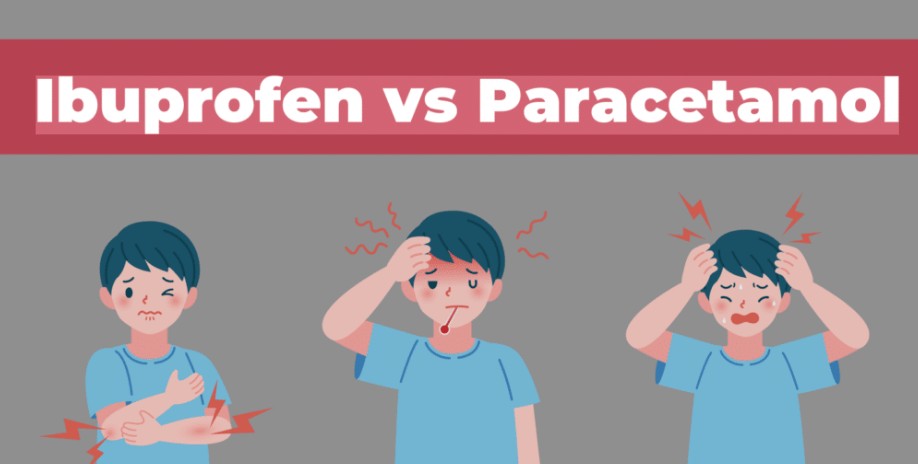
Paracetamol is one of the most commonly used over-the-counter medications worldwide for managing mild to moderate pain and reducing fever. It acts mainly in the brain to inhibit the production of prostaglandins, which are chemicals that trigger pain signals and elevate body temperature. Unlike non-steroidal anti-inflammatory drugs (NSAIDs), paracetamol has minimal anti-inflammatory effects, making it particularly suitable for people who need pain relief without stomach irritation.
This drug is available in various forms, including tablets, capsules, liquids, and suppositories, under brand names like Panadol, Tylenol, or generic versions. It's metabolized primarily in the liver, and while safe at recommended doses, exceeding the maximum daily limit of 4 grams can lead to serious liver damage. Paracetamol is often the first choice for headaches, toothaches, colds, and flu symptoms because it's gentle on the gastrointestinal tract.
Its rapid absorption—peaking in blood levels within 30-60 minutes—provides quick relief, typically lasting 4-6 hours. For those with sensitive stomachs or conditions like ulcers, paracetamol stands out as a safer option compared to NSAIDs. It's also widely recommended during pregnancy (after consulting a doctor) and for children, with age- and weight-appropriate formulations.
Ibuprofen is a non-steroidal anti-inflammatory drug (NSAID) that works by blocking cyclooxygenase (COX-1 and COX-2) enzymes, which reduces prostaglandin synthesis throughout the body. This action not only alleviates pain and fever but also decreases inflammation, making it ideal for conditions like muscle strains, arthritis, menstrual cramps, and sports injuries.
Commonly sold as Advil, Nurofen, or Motrin, ibuprofen comes in tablets, gels, creams, and suspensions. Standard over-the-counter doses range from 200-400 mg every 6-8 hours, with a daily maximum of 1,200 mg without medical supervision. It's particularly effective for inflammatory pain because it targets the root cause at the site of injury, reducing swelling and improving mobility.
However, ibuprofen can irritate the stomach lining, potentially leading to ulcers or bleeding with prolonged use. It's also harder on the kidneys and cardiovascular system, so caution is advised for those with heart disease, high blood pressure, or renal issues. Despite these risks, its broad efficacy makes it a staple in household medicine cabinets.
The beauty of combining paracetamol and ibuprofen lies in their complementary mechanisms. Paracetamol primarily exerts its effects centrally in the brain, modulating pain perception and fever without much impact on peripheral inflammation. Ibuprofen, conversely, acts both peripherally (at injury sites) and centrally, powerfully combating swelling and related pain.
When taken together, they provide additive analgesia—meaning the total pain relief is greater than the sum of their individual effects. This synergy is especially useful for moderate to severe acute pain, such as post-operative discomfort, dental procedures, or migraines. Studies have shown that this duo can reduce the need for stronger opioids, minimizing side effect risks.
Neither drug significantly alters the metabolism of the other, avoiding dangerous interactions. Blood levels don't overlap in a way that amplifies toxicity; instead, they cover different pain pathways, offering more consistent relief over time.
For most healthy adults, yes, taking paracetamol and ibuprofen together is safe for short-term use (up to 3-7 days). Clinical evidence supports no increased risk of adverse effects beyond those of each drug alone when dosed properly. Health authorities like the UK's National Health Service (NHS) endorse this combination for adults experiencing pain or fever that doesn't respond to one medication.
Key to safety is adhering to dosages: no more than 4g paracetamol and 1,200mg ibuprofen per day. Spacing doses appropriately—such as taking them simultaneously or staggering by 2-4 hours—maintains steady coverage without overload. Long-term use, however, isn't recommended without medical oversight due to cumulative risks like gastrointestinal bleeding or liver strain.
Always check labels on combination products or multi-symptom remedies to avoid accidental double-dosing. Hydration and taking ibuprofen with food further enhance tolerability.
Proper dosing is critical to maximize benefits and minimize risks. For adults, a typical regimen might be 500-1,000mg paracetamol every 4-6 hours alongside 200-400mg ibuprofen every 6-8 hours, not exceeding daily maxima.
Children over 6 months require weight-based calculations: paracetamol at 15mg/kg every 4-6 hours (max 60mg/kg/day), ibuprofen at 5-10mg/kg every 6-8 hours (max 40mg/kg/day). The NHS advises alternating rather than combining simultaneously in kids to prevent dosing errors.
Here's a quick reference guide:
| Age Group | Paracetamol (per dose) | Ibuprofen (per dose) | Frequency |
|---|---|---|---|
| Adults (18+) | 500-1,000mg | 200-400mg | Every 4-8 hours |
| Teens (12-17) | 500mg | 200-400mg | Every 6 hours |
| Children (6m+) | 10-15mg/kg | 5-10mg/kg | Alternate every 4-6h |
Monitor total intake across all sources, and stop if symptoms persist beyond 3 days.
This powerful pair shines in scenarios demanding robust relief: headaches (including tension and cluster types), dental pain after extractions, sore throats with fever, back pain from strains, menstrual discomfort, and post-exercise soreness. It's also valuable for flu-like symptoms where fever combines with body aches.
In clinical settings, it's used post-surgery (e.g., tonsillectomies) or for injury-related inflammation. For migraines, starting both at onset can abort attacks faster than singles. Athletes appreciate it for reducing downtime from sprains or tendonitis.
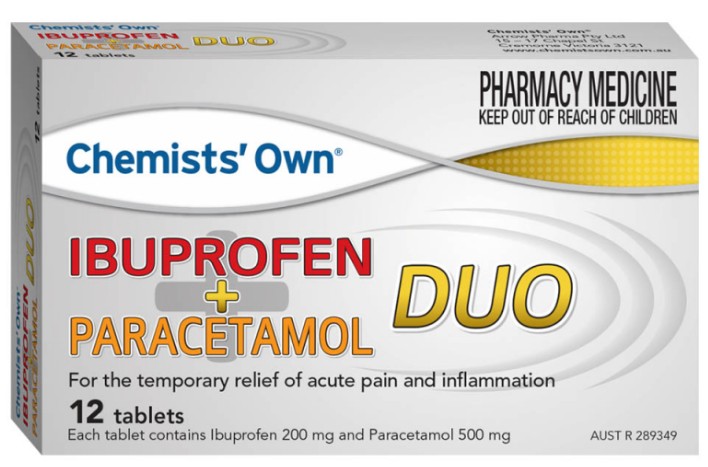
While effective, be aware of individual risks. Paracetamol rarely causes issues at low doses but can lead to liver toxicity in overdose—symptoms include nausea, vomiting, and jaundice. Ibuprofen more commonly provokes stomach upset, heartburn, or dizziness; severe cases involve ulcers, kidney problems, or elevated blood pressure.
Together, the main concern is amplified gastrointestinal irritation over time, though short-term use keeps this low. Rare allergic reactions (rash, swelling, breathing difficulty) warrant immediate medical attention. Vulnerable groups—elderly, alcoholics, or those on blood thinners—face higher risks.
Certain conditions contraindicate use:
- Severe liver disease (paracetamol).
- Active stomach ulcers, kidney failure, or heart conditions (ibuprofen).
- Third trimester pregnancy (ibuprofen risks fetal ductus arteriosus closure).
- Bleeding disorders or concurrent anticoagulants.
Children under 6 months, asthmatics sensitive to NSAIDs, and dehydrated individuals need alternatives. Always disclose full medical history to pharmacists or doctors.
Numerous randomized controlled trials validate the combo's superiority. A landmark study on post-dental pain found 50% better relief with combined therapy versus monotherapy. Pediatric fever research shows faster temperature drops when alternating. Meta-analyses confirm reduced opioid requirements in adults by 20-30%, aiding recovery without addiction risks.
No evidence of heightened hepatotoxicity or nephrotoxicity short-term. Long-term data is limited, emphasizing acute use.
For children, precision dosing via syringes prevents errors; never exceed 3 days without pediatric advice. Elderly patients should halve ibuprofen due to slower clearance, monitoring blood pressure closely.
Pregnant women can use paracetamol safely throughout; ibuprofen is fine before 30 weeks but avoided later. Breastfeeding mothers find both compatible in moderation.
- Myth: They're the same drug class. Reality: Paracetamol isn't an NSAID.
- Myth: Daily use is harmless. Reality: Cumulative damage possible.
- Myth: Kids dose like adults. Reality: Always weight-based.
- Myth: Alcohol cancels effects. Reality: Increases liver risk with paracetamol.
The NHS, FDA, and WHO list both as essential medicines, approving adult combinations. Pharmacists are frontline advisors for safe use. In regions like China, practices vary, but global evidence supports cautious pairing.
Opt for single agents, aspirin (not for kids), topical gels, or non-drug therapies like acupuncture, ice/heat packs, or physiotherapy. Prescription options include stronger analgesics for chronic pain.
High-quality paracetamol-ibuprofen products ensure consistent dosing and purity. As a leading Chinese factory (supplybenzocaine.co.uk) in biotechnology, pharmaceuticals, and medical devices, we specialize in OEM services for international brands, wholesalers, and producers. Our GMP-certified facilities produce tablets, suspensions, and combo formulations tailored to global standards, from R&D to packaging.
We offer customizable strengths (e.g., 500mg paracetamol + 200mg ibuprofen), stability testing, and regulatory compliance for EU, FDA, and other markets. Reliable supply chains minimize disruptions, supporting your branded pain relief lines.
Our state-of-the-art production integrates advanced granulation, compression, and coating technologies for uniform bioavailability. Excipients enhance dissolution, while quality controls detect impurities. Export volumes meet demands for private-label success.
Paracetamol and ibuprofen together provide a safe, potent solution for short-term pain and fever management, backed by robust science and real-world use. Their synergistic effects outperform singles, empowering faster recovery without heavy reliance on narcotics.
Elevate your brand with our premium OEM paracetamol-ibuprofen products at supplybenzocaine.co.uk. Contact us today for custom quotes, samples, and partnership opportunities—[email protected]. Let's deliver relief worldwide! Contact us to get more information!
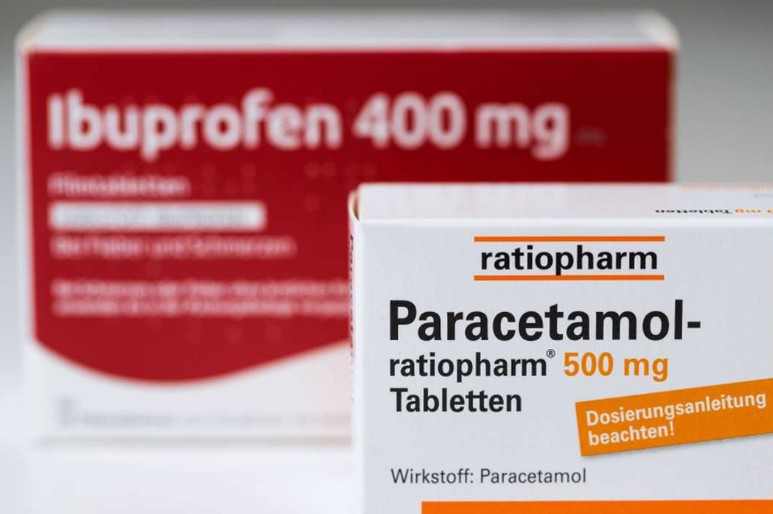
No, reserve for short-term use (under 7 days) to avoid gastrointestinal, liver, or kidney risks. For chronic pain, seek medical evaluation for sustainable options.
Symptoms vary: paracetamol overdose risks liver failure (nausea, confusion); ibuprofen adds stomach pain or bleeding. Call emergency services immediately—antidotes like N-acetylcysteine can save lives if prompt.
Paracetamol is generally safe throughout pregnancy; ibuprofen is okay before 30 weeks but contraindicated later due to fetal risks. Always consult your obstetrician.
You can take them together or anytime—no pharmacokinetic interactions. Staggering by 2-4 hours helps maintain steady pain control.
Yes, products like Nuromol offer fixed doses for convenience. We specialize in OEM manufacturing of these—reach out for bespoke formulations!
1. https://wearephlo.com/post/can-i-take-paracetamol-and-ibuprofen-together
2. https://www.supplybenzocaine.co.uk/how-many-paracetamol-and-ibuprofen-can-i-buy-together.html
3. https://pmc.ncbi.nlm.nih.gov/articles/PMC6532735/
4. https://sinipharma.com/products/ibuprofen-paracetamol-tablets/
5. https://www.carehospitals.com/medicine-detail/ibuprofen-paracetamol
6. https://www.weibangbio.com/paracetamol-plus-ibuprofen-exporter/
7. https://pmc.ncbi.nlm.nih.gov/articles/PMC10031994/
8. https://www.reddit.com/r/chinalife/comments/1bm8p3c/in_the_west_doctors_advise_that_you_can_take/
9. https://www.nhs.uk/medicines/ibuprofen-for-children/taking-ibuprofen-for-children-with-other-medicines-and-herbal-supplements/
10. https://www.weibangbio.com/oem-ibuprofen-paracetamol-factories/
Hot tags: Paracetamol Ibuprofen Combination, Safe To Take Paracetamol And Ibuprofen, Paracetamol And Ibuprofen Dosage, Benefits Of Paracetamol And Ibuprofen, Paracetamol Ibuprofen Pain Relief, Taking Paracetamol And Ibuprofen Together, Paracetamol Ibuprofen Side Effects, Paracetamol Ibuprofen For Fever, Paracetamol Ibuprofen Guidelines, Paracetamol Ibuprofen Interaction