Content Menu
● Oral vs. Topical Benzocaine: What's the Difference?
>> Skin (topical) benzocaine products
● Can You Use Oral Benzocaine on Skin?
● When Is Skin Benzocaine Appropriate?
● Safety, Side Effects and Warnings
>> Allergic contact dermatitis
>> Systemic risks and methemoglobinemia
● OEM and ODM Benzocaine Formulations for Global Brands
● How to Choose the Right Benzocaine Product
>> Intended site and indication
>> Excipients and product form
● Why You Should Not Substitute Oral Benzocaine for Skin Products
● Partnering With a Professional OEM Benzocaine Manufacturer
● FAQ
>> 1. Can I safely use my toothache benzocaine gel on an insect bite?
>> 2. What side effects should I watch for with topical benzocaine?
>> 3. Is benzocaine safe for young children?
>> 4. Can benzocaine be used on broken or severely irritated skin?
>> 5. What OEM benzocaine options can manufacturers customize?
Can you use oral benzocaine on skin? In most situations, you should not use an “oral only” benzocaine product on the skin, and instead choose a benzocaine formulation specifically labeled for skin use to ensure safety and compliance with regulations.
Benzocaine is a local anesthetic that temporarily numbs a small, targeted area by blocking voltage‑gated sodium channels in nerve cell membranes. When these channels are blocked, the nerves cannot transmit pain signals effectively, so the sensation of pain is reduced or eliminated for a short period of time.
This anesthetic is widely used because it acts locally at the site of application and does not cause loss of consciousness or general anesthesia. It is typically used for symptomatic relief of minor pain and irritation rather than for major medical procedures. Compared with some other local anesthetics, benzocaine has a relatively rapid onset of action and a moderate duration of effect.
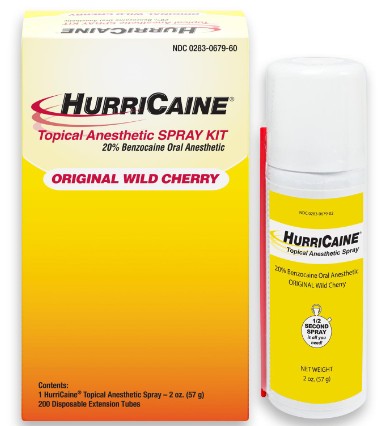
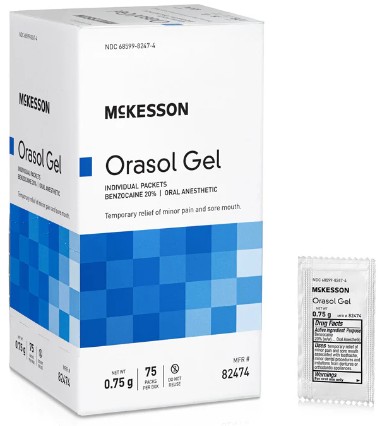
Benzocaine is available in many dosage forms, including gels, creams, sprays, ointments, solutions, and lozenges. These formulations are designed for different application sites such as the skin, oral mucosa, ear canal, and anorectal region. Each route of administration requires its own specific formulation, concentration, and excipients to ensure both efficacy and safety.
The way benzocaine is formulated for use in the mouth is very different from how it is formulated for use on the skin or in other areas. Oral products often contain flavors, sweeteners, and other ingredients designed for mucosal contact and taste acceptance, while skin products include emollients, moisturizers, and film‑forming agents appropriate for the skin barrier.
Although oral and topical benzocaine products share the same active ingredient, their compositions and intended uses are not the same. Understanding these differences is essential before deciding whether an oral benzocaine product can be applied to the skin.
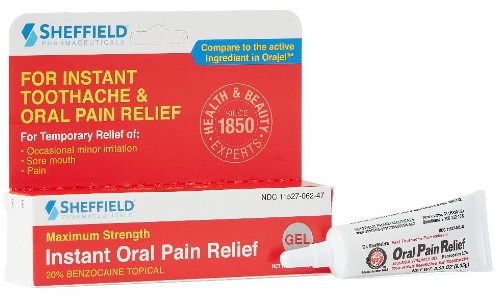
Oral benzocaine products are typically marketed as toothache gels, canker sore gels, denture irritation gels, or sore‑throat sprays and lozenges. They are made to be applied only to the oral mucosa, including teeth, gums, inside the cheeks, tongue, and sometimes the back of the throat.
Key characteristics of oral benzocaine products include:
- They are labeled for “oral use only” or “oral anesthetic.”
- They often contain flavoring agents and sweeteners to improve taste.
- The viscosity and texture are optimized to adhere briefly to moist mucosal surfaces.
- The safety profile and dosing instructions are based on absorption through oral mucosa and potential ingestion.
These products are not tested or approved for use on intact skin, large surface areas, or broken skin. Their excipients and pH can be tailored specifically for the oral environment, which differs significantly from the skin's structure and microbiome.
Topical benzocaine products for skin are usually creams, gels, ointments, or sprays. They are used for temporary relief of localized skin discomfort, such as minor cuts, scrapes, insect bites, mild sunburn, and other minor irritations.
Main features of skin benzocaine products:
- Labeled as “for external use only” or “topical anesthetic.”
- Formulated with skin‑friendly excipients such as emollients, moisturizers, and film‑formers.
- Designed to spread easily across a small skin area and form an even, thin layer.
- Safety evaluations focus on dermal absorption, irritation potential, and contact allergy risks.
Unlike oral products, topical skin formulations are specifically evaluated for compatibility with the keratinized outer layer of the skin and for their potential to cause dermatitis, sensitization, or other local reactions.
From a safety and regulatory perspective, oral benzocaine products should not be repurposed for use on the skin unless the label clearly indicates dual use. Regulatory authorities and product labels emphasize that benzocaine products must be used exactly as directed, including the correct site of application.
When a product is labeled “for oral use only,” it has been tested and approved for that route and not for others. Using it on the skin is essentially an off‑label use and may carry additional risks. Even though the active ingredient is the same, the overall product profile is different.
Applying an oral gel to the skin may lead to:
- Unexpected local irritation or burning.
- Allergic or irritant contact dermatitis due to flavorings, colorants, or other excipients intended for mucosal use.
- Inadequate or unpredictable numbing effect on the skin.
- Potential over‑application to a broader area than normal for oral use, raising systemic exposure risk.
In rare cases, excessive or inappropriate benzocaine use on large areas, broken skin, or in vulnerable populations has been associated with methemoglobinemia, a condition in which hemoglobin is altered so that it carries oxygen less efficiently. Symptoms can include bluish discoloration of lips or skin, shortness of breath, fatigue, or confusion. Although this is rare, the risk reinforces the importance of using only properly labeled benzocaine products and following the directions exactly.
In summary, if the product is made and labeled for the mouth, you should not use it on the skin. If you need to numb the skin, choose a benzocaine product or another topical anesthetic specifically labeled for dermal application.
Topical benzocaine products designed for skin can provide effective, short‑term relief in a number of everyday situations. Because they are tested for dermal use, they are more suitable for skin application than any oral‑only formulation.
Common uses for skin benzocaine products include:
- Minor cuts and scrapes that are clean and not heavily bleeding.
- Mild sunburn or other small, superficial burns.
- Insect bites and stings causing itching or mild pain.
- Localized skin irritation from friction, mild rashes, or shaving.
Typically, package instructions recommend:
- Applying a thin layer to clean, dry skin.
- Using the product only on small areas at a time.
- Limiting the number of applications per day (for example, up to 3–4 times daily).
- Avoiding prolonged use beyond several days unless directed by a healthcare professional.
- Avoiding contact with eyes, inside of the nose, mouth, or genital mucosa unless the product specifically includes those areas as indications.
Using a dermal benzocaine product as directed helps minimize systemic absorption and local irritation. It also reduces the risk of masking more serious skin conditions that require professional medical evaluation.
Like all active pharmaceutical ingredients, benzocaine can cause side effects, even when used correctly. The overall risk profile depends on the dose, area of application, duration of use, patient factors, and the specific formulation.
The most frequently reported side effects are local and mild, including:
- Burning or stinging at the application site.
- Redness, itching, or mild swelling.
- Dryness or flaking of the skin after repeated applications.
Often, these mild reactions settle when the product is discontinued or the frequency of application is reduced. If they persist or worsen, users should stop using the product and consult a healthcare professional.
Benzocaine is a recognized cause of allergic contact dermatitis for some individuals. This condition can present as:
- Red, itchy patches at the site of application.
- Swelling, blistering, or oozing lesions in more severe reactions.
- Spreading of the rash beyond the original application area.
Once sensitization occurs, even small amounts of benzocaine can provoke a noticeable skin reaction. Individuals with known allergies to para‑aminobenzoic acid (PABA) derivatives or other anesthetics in the same family should use benzocaine with caution or avoid it altogether, depending on medical advice.
In rare cases, particularly when benzocaine is used inappropriately (for example, in excessive quantities, on large surface areas, on broken skin, or in very young children), systemic absorption can trigger methemoglobinemia. This condition affects the oxygen‑carrying capacity of hemoglobin and can be serious.
Warning signs may include:
- Pale or bluish coloration of lips, fingernails, or skin.
- Shortness of breath or rapid breathing.
- Fatigue, dizziness, or confusion.
- Headache or rapid heartbeat.
If such symptoms occur after benzocaine use, the product should be discontinued immediately and urgent medical attention sought. Infants, people with pre‑existing blood disorders, and those taking certain medications may be at higher risk.
Regulatory agencies have issued specific warnings about using benzocaine in young children, especially in oral teething products. For any vulnerable group, it is important to follow label instructions strictly and consult a healthcare professional before use.
For international brand owners, wholesalers, and manufacturers, benzocaine represents a versatile active ingredient with multiple market segments, from oral pain relief to topical skin‑care and pre‑procedure numbing products. However, each market and application route has its own technical and regulatory requirements.
A key success factor is developing benzocaine products that:
- Match local regulatory frameworks (e.g., over‑the‑counter drug, medical device, or cosmetic).
- Clearly specify the route of administration and permissible application sites.
- Offer effective pain relief at safe, controlled concentrations.
- Use excipients that are appropriate, stable, and acceptable to target users.
As a Chinese factory specializing in biotechnology, pharmaceutical health, and medical devices, we can provide comprehensive OEM (original equipment manufacturer) and ODM (original design manufacturer) services for benzocaine‑based products. Our scope covers:
- Formulation development for oral gels, sprays, and lozenges.
- Formulation development for skin‑use creams, gels, sprays, ointments, and swabs.
- Tailored concentrations of benzocaine according to your target market and regulations.
- Selection of excipients for taste optimization in oral products and skin comfort in topical products.
- Design and customization of primary and secondary packaging, including tubes, pumps, sprays, sachets, and blister packs.
- Assistance with multilingual label content and artwork that clearly distinguishes “oral use” and “for external use on skin.”
By aligning formulation design with your brand positioning and target indications, we help ensure that your benzocaine products are both attractive to consumers and compliant with local rules. This is especially important when marketing in multiple countries with different regulatory expectations and labeling standards.
Choosing the right benzocaine product requires careful consideration of who will use it, for what purpose, and under which regulatory framework. Whether you are a brand owner developing a new line or a distributor selecting private‑label products, the following factors are crucial.
First, define exactly where the product will be used and for which symptoms. Options include:
- Oral cavity: toothache, canker sores, denture irritation, sore throat.
- Skin: minor cuts and burns, insect bites, mild sunburn, localized irritation.
- Ear canal: relief of mild ear pain or for certain pre‑procedure uses, where permitted.
- Anorectal area: symptomatic relief of hemorrhoidal discomfort and minor irritation, where approved.
Each site has unique anatomical, physiological, and regulatory considerations. Misalignment between site, indication, and formulation can lead to safety issues and regulatory non‑compliance.
Different countries may categorize benzocaine products as over‑the‑counter medicines, medical devices, or in some limited cases, cosmetics. This affects:
- Maximum allowed concentration.
- Type of claims that can be made (for example, “relieves pain” vs. “soothes”).
- Requirements for clinical data, quality assurance, and pharmacovigilance.
- Labeling and language requirements.
An experienced manufacturing partner can help you navigate the appropriate classification and regulatory path in your target markets.
The benzocaine concentration must balance effective pain relief with a strong safety profile. Higher strengths may numb more deeply or quickly but can also increase the risk of side effects and systemic absorption. Dosing recommendations printed on the label should clearly specify:
- Amount per application (for example, pea‑sized amount of gel).
- Maximum number of applications per day.
- Maximum duration of use without medical supervision.
Excipients influence the product's stability, texture, spreadability, and user experience. For example:
- Oral gels may include sweeteners, flavors, and mucoadhesive polymers.
- Skin creams may include emollients, humectants, and film‑forming polymers.
- Sprays need propellants or pump systems that deliver reproducible doses.
In addition, particular excipients may be restricted or discouraged in certain regions or for particular patient groups (such as infants or people with allergies), so formulation choices should be carefully reviewed.
Practical packaging increases adherence and reduces misuse. Consider:
- Single‑dose swabs or ampoules for precise, hygienic application.
- Metered‑dose sprays that deliver consistent volume per actuation.
- Child‑resistant closures where required.
- Clear, easy‑to‑understand instructions and pictograms showing correct application.
A manufacturing partner with experience in multiple packaging formats can help you select a solution that enhances both safety and consumer appeal.
Given the above, it becomes clear why substituting oral benzocaine for a skin product is not recommended. Even if a user feels that “it's all the same active ingredient,” regulators and formulators treat these products very differently. The overall formulation, stability profile, and labeling have all been built around a specific route of administration.
Substitution can:
- Increase the risk of unexpected skin reactions due to oral‑specific flavorings and excipients.
- Lead to unclear or unsafe dosing because the label directions were written for a completely different application site.
- Create liability and regulatory issues for brands and distributors if consumers are using products in ways not intended by the indications and instructions.
For professionals in the global health, beauty, and wellness supply chain, a clear separation between oral and dermal products is not just a matter of good science—it is also essential for brand protection and legal compliance.
Our facility in China focuses on R&D, production, and sales in biotechnology, pharmaceutical health, and medical devices, with extensive experience in topical anesthetics like benzocaine. For foreign brand owners, wholesalers, and manufacturers, we provide end‑to‑end OEM and ODM support, helping you build safe, high‑quality, and competitive benzocaine product portfolios.
Our advantages include:
- Professional technical team for formulation design and process development.
- Modern production equipment that supports consistent, scalable manufacturing.
- Strict quality management systems aligned with international standards.
- Support for stability studies, documentation, and technical dossiers.
- Flexible MOQ (minimum order quantity) options and tailored project timelines.
We understand that each client has unique requirements, from niche boutique brands to large‑scale wholesalers. Whether you need standard, proven formulations for rapid market entry or innovative, differentiated products to stand out from competitors, we can provide customized solutions.
If you are planning to launch or expand a benzocaine product line—whether oral or topical—contact us to discuss your project. We can help you choose the correct formulation and packaging to match your target users, ensure compliant labeling, and avoid confusion between oral and skin applications.
Oral benzocaine products and skin‑only benzocaine formulations are not interchangeable, even though they share the same active ingredient. Oral products are carefully formulated and labeled for use on the mucous membranes of the mouth and throat, while topical benzocaine products are specially designed for intact skin, with different excipients, concentrations, and safety evaluations.
For consumer safety, regulatory compliance, and brand reputation, it is important to avoid applying oral‑only benzocaine products to the skin. Instead, users should choose benzocaine products that clearly state “for external use” and “for skin,” and follow the directions on the label. For brands, wholesalers, and manufacturers, clear product differentiation and labeling are essential to prevent misuse and reduce potential risks.
As a professional Chinese manufacturer specializing in biotechnology, pharmaceuticals, and medical devices, we can support your OEM and ODM benzocaine projects from formulation development to large‑scale production and international documentation. If you are looking for a reliable partner to develop oral or topical benzocaine products tailored to your market, we invite you to contact us via supplybenzocaine.co.uk to discuss your needs, request samples, and obtain a customized quotation. Contact us to get more information!
No. Toothache benzocaine gels are specifically formulated and labeled for use on oral mucosa, such as teeth and gums, not for application on the skin. The excipients and concentration are optimized for the mouth and may not be suitable or safe for dermal use. If you need relief for an insect bite, you should choose a topical anesthetic product that is clearly labeled for use on the skin and follow the instructions on that product's label.
The most common side effects of topical benzocaine products are local, such as mild burning, tingling, redness, or itching at the site of application. Some individuals may develop allergic contact dermatitis, which can present as a more pronounced rash, swelling, or blistering. In rare cases, especially when large amounts are used or in certain sensitive populations, systemic effects like methemoglobinemia can occur. If you notice severe irritation, difficulty breathing, bluish lips or skin, dizziness, or unusual fatigue, stop using the product immediately and seek medical attention.
Benzocaine must be used with particular caution in young children, and some products are not recommended at all for infants and toddlers. Oral benzocaine products intended for teething pain have been the subject of safety warnings in several countries because of the risk of methemoglobinemia. Parents and caregivers should always follow the age‑specific instructions on the label and consult a pediatrician or healthcare professional before using benzocaine in very young children. In many cases, alternative non‑drug methods may be preferred for infant discomfort.
In general, benzocaine should not be used on large areas of broken, blistered, or severely inflamed skin unless directed by a healthcare professional. Applying benzocaine to damaged skin can increase absorption into the bloodstream and raise the risk of side effects. For minor, superficial cuts or abrasions, use only a thin layer on a small area and follow the product label carefully. If the wound is deep, heavily contaminated, or not healing, seek medical advice instead of relying solely on topical anesthetics.
Manufacturers and brand owners can customize a wide range of benzocaine products for different routes and indications. Options include oral gels, sprays, and lozenges for toothache and sore‑throat relief, as well as skin creams, gels, sprays, ointments, and medicated swabs for minor cuts, burns, and insect bites. Customization can involve adjusting the benzocaine concentration, selecting suitable excipients, adding flavors or fragrances, and choosing specific packaging formats and sizes. A professional OEM/ODM partner can also assist with stability studies, regulatory documentation, and label design to ensure that oral and topical products are clearly distinguished and compliant in the target market.
1. https://www.goodrx.com/benzocaine/what-is
2. https://dermnetnz.org/topics/allergy-to-benzocaine
3. https://www.musechem.com/blog/benzocaine-a-complete-guide-to-this-popular-topical-anesthetic/
4. https://www.mayoclinic.org/drugs-supplements/benzocaine-topical-application-route/description/drg-20072913
5. https://www.fda.gov/drugs/postmarket-drug-safety-information-patients-and-providers/safety-information-benzocaine-containing-products
6. https://thejh.org/index.php/jh/article/view/325/301
7. https://www.maxill.com/us/blog/post/because-you-asked-%7C-all-about-benzocaine-an-in-depth-exploration-
8. https://pmc.ncbi.nlm.nih.gov/articles/PMC5576629/
9. https://go.drugbank.com/drugs/DB01086
10. https://dailymed.nlm.nih.gov/dailymed/drugInfo.cfm?setid=f36bb9bd-e9bc-4f35-a388-e0ffadbce6ab
Hot tags: Benzocaine On Skin Safety, Can I Use Orajel On My Skin, Using Oral Benzocaine For Sunburn, Oral Vs Topical Benzocaine Differences, Benzocaine Numbing Gel For Skin Pain, Is Orajel Safe For Bug Bites, Oral Numbing Gel External Use, Benzocaine Side Effects On Skin, Topical Application Of Oral Benzocaine, Benzocaine For Minor Skin Irritations