Content Menu
● Can Benzocaine Turn You Blue?
● How Benzocaine Causes Methemoglobinemia
● Symptoms You Should Watch For
● Safe Use and Prevention Tips
● Our OEM Benzocaine Solutions
● How We Help Enhance Safety and Compliance
● Partner With Us for Benzocaine OEM/ODM
● FAQ
>> 1. What is methemoglobinemia and how is it related to benzocaine?
>> 2. How likely is benzocaine to cause blue skin or lips?
>> 3. How can benzocaine products be used more safely?
>> 4. Are there people who should avoid benzocaine completely?
>> 5. What advantages does OEM benzocaine sourcing from a specialized factory offer?
Benzocaine is a widely used local anesthetic, well known for its fast numbing effect in oral, dental, dermatologic, and minor surgical applications. In everyday use and at appropriate doses, it is considered safe and effective. However, in rare situations, benzocaine can trigger a serious reaction called methemoglobinemia, which reduces the oxygen-carrying capacity of the blood and may cause the skin, lips, and nails to appear blue or gray. This article explains why this happens, who is at higher risk, what symptoms to watch for, and how to use benzocaine safely. It also presents how our factory supports international partners with high‑quality benzocaine and OEM/ODM solutions.
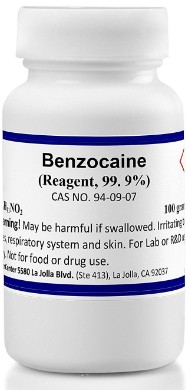
Benzocaine is an ester-type local anesthetic that works by blocking sodium channels in nerve endings, thereby interrupting the transmission of pain signals to the brain. It is widely used in over‑the‑counter (OTC) and prescription products, including oral gels and liquids for toothache and sore throat, topical creams and ointments for minor skin irritation or itching, and sprays used in dental and endoscopic procedures. Because benzocaine is not injected but applied locally, it is easy to use and offers rapid onset of pain relief.
In consumer health products, benzocaine is often formulated in low to moderate concentrations, balanced to provide effective anesthesia while limiting systemic absorption. In professional settings, such as dental clinics or hospitals, stronger sprays or gels may be used on mucous membranes before procedures like endoscopy, bronchoscopy, or minor surgery. From a manufacturing perspective, benzocaine is supplied as an active pharmaceutical ingredient (API) in bulk to downstream producers, who then formulate it into finished dosage forms under local regulatory requirements.
The question “Can benzocaine turn you blue?” refers to a rare but important adverse effect: benzocaine‑induced methemoglobinemia. In this condition, hemoglobin in red blood cells is converted into methemoglobin, a form that cannot carry oxygen efficiently. When methemoglobin levels become high, oxygen delivery to tissues is impaired, and the skin, lips, and nail beds may take on a bluish or grayish color, a phenomenon known as cyanosis.
This reaction does not occur in the vast majority of users, and millions of people use benzocaine safely each year. However, published case reports and regulatory safety communications have confirmed that benzocaine can, in certain circumstances, cause abrupt and sometimes severe methemoglobinemia. This has been observed with topical sprays used during medical procedures, as well as with OTC benzocaine gels and liquids, particularly when used in excessive amounts or on vulnerable populations such as infants.
Under normal conditions, hemoglobin contains iron in the ferrous state, which binds oxygen and delivers it to tissues. When exposed to oxidizing agents, the iron in hemoglobin can be converted from the ferrous to the ferric state, forming methemoglobin. Methemoglobin cannot carry oxygen, so as its percentage in the blood rises, the actual oxygen‑carrying capacity falls, even if a person is breathing normal air or receiving supplemental oxygen.
Benzocaine and some of its metabolites can act as oxidizing agents on red blood cells. In sensitive individuals, or when high doses are applied to highly vascular areas (such as oral or respiratory mucosa), this oxidative stress can exceed the body's normal protective and reduction mechanisms, leading to a rising proportion of methemoglobin. When methemoglobin levels exceed roughly 10%, mild cyanosis may become visible. At higher levels, symptoms such as headache, fatigue, shortness of breath, confusion, and in severe cases even arrhythmias or seizures can occur.
The reaction can be described as idiosyncratic and dose‑related. Some people may use relatively high doses of benzocaine without any problem, while others experience methemoglobinemia after modest exposure. Factors such as enzyme deficiencies, concurrent illness, and use of other oxidizing drugs may increase an individual's susceptibility.
Although any user could theoretically develop benzocaine‑induced methemoglobinemia, some groups are clearly at higher risk. Understanding these risk factors is important for healthcare professionals, caregivers, and manufacturers.
Higher‑risk groups include:
1. Infants and young children
Infants under two years of age, particularly those younger than four months, have less mature enzyme systems responsible for reducing methemoglobin back to normal hemoglobin. As a result, even relatively small doses of benzocaine can cause a disproportionately large increase in methemoglobin. This is why regulators have warned against using benzocaine oral products for teething pain in infants.
2. People with congenital or genetic conditions
Individuals with congenital methemoglobinemia, cytochrome b5 reductase deficiency, or glucose‑6‑phosphate dehydrogenase (G6PD) deficiency may have an impaired ability to handle oxidative stress. For such patients, benzocaine exposure may more readily push methemoglobin levels into a dangerous range.
3. Patients with heart, lung, or blood disorders
People with anemia, cardiovascular disease, or chronic lung disease already have reduced oxygen‑carrying capacity or limited cardiopulmonary reserve. Even a moderate rise in methemoglobin can worsen their oxygen delivery, making them more symptomatic than a healthy individual would be at the same methemoglobin level.
4. Patients taking other oxidizing medications
Certain drugs, such as nitrates, some sulfonamides, dapsone, and other local anesthetics, can also promote methemoglobin formation. When used together with benzocaine, the cumulative oxidative burden can be higher, increasing the risk of clinically significant methemoglobinemia.
5. People exposed to high or repeated doses
Prolonged or repeated application, use on large surface areas, use on broken or inflamed skin, and high‑concentration sprays applied to mucous membranes all increase systemic absorption of benzocaine. These patterns of use are more likely to trigger methemoglobinemia than small, infrequent topical applications.
One important characteristic of benzocaine‑induced methemoglobinemia is that symptoms typically appear soon after use, often within minutes to a couple of hours. Recognizing early signs can be lifesaving.
Common symptoms and signs include:
1. Bluish or gray discoloration
Lips, nail beds, and facial skin may appear pale gray, dusky, or distinctly blue. This cyanosis is often the first visible clue that something is wrong.
2. Shortness of breath and rapid breathing
Even at rest, the patient may feel as if they cannot get enough air and may breathe more quickly than usual. Despite this, oxygen saturation readings may be abnormal and not improve significantly with supplemental oxygen.
3. Fatigue and weakness
A sudden onset of unexplained tiredness, weakness, or reduced exercise tolerance can indicate that tissues are not receiving enough oxygen.
4. Headache, dizziness, or confusion
As oxygen delivery to the brain declines, the individual may develop headache, feel lightheaded, become confused, or in severe cases lose consciousness.
5. Rapid heart rate
The heart may beat faster as it tries to compensate for reduced oxygen‑carrying capacity by pumping more blood.
Another classical clue is that the blood itself can appear chocolate‑brown instead of bright red when drawn. Standard pulse oximeters may show an oxygen saturation that remains around the mid‑80% range and does not respond appropriately to additional oxygen, a pattern that can help clinicians suspect methemoglobinemia rather than primary lung disease.
If any of these symptoms appear after benzocaine use, especially in a high‑risk individual, emergency medical evaluation is essential.
The diagnosis of methemoglobinemia relies on both clinical suspicion and laboratory confirmation. When a patient presents with cyanosis that does not improve with oxygen, has recently used benzocaine or another known oxidizing drug, and has chocolate‑colored blood, clinicians should consider methemoglobinemia. Co‑oximetry, a special type of blood test, is used to measure the percentage of methemoglobin directly.
Standard pulse oximetry is not sufficient because methemoglobin alters light absorption in a way that often produces a fixed saturation reading around 85%, regardless of true oxygenation. Arterial blood gas analysis combined with co‑oximetry can demonstrate a normal or near‑normal partial pressure of oxygen with low measured saturation due to the presence of methemoglobin.
Once methemoglobinemia is confirmed or strongly suspected, treatment typically includes:
1. Immediate discontinuation of benzocaine
Any product containing benzocaine or other oxidizing agents should be stopped at once to prevent further formation of methemoglobin.
2. Supplemental oxygen and supportive care
High‑flow oxygen is administered, and the patient's airway, breathing, and circulation are carefully monitored. In mild cases, especially when methemoglobin levels are modest and the patient is stable, the body's own reduction systems may gradually reverse the condition.
3. Methylene blue therapy
For symptomatic patients or those with significantly elevated methemoglobin levels, intravenous methylene blue is the standard antidote. Methylene blue acts as an electron carrier, accelerating the conversion of methemoglobin back to normal hemoglobin. Improvement in color and symptoms is often rapid, with cyanosis resolving within minutes to an hour.
4. Monitoring and follow‑up
After treatment, repeat measurements of methemoglobin help confirm that levels have returned to the safe range. Patients may be observed in an emergency department or hospital setting until symptoms subside and the risk of recurrence is low.
With timely recognition and appropriate therapy, most patients recover completely without long‑term sequelae. However, delay in diagnosis or treatment can lead to serious complications, especially in vulnerable populations.
Because benzocaine is a valuable and effective local anesthetic, the goal is not to avoid it altogether but to use it wisely. Manufacturers, healthcare professionals, and end‑users can all contribute to safer use.
Key prevention strategies include:
1. Use the lowest effective dose
For both OTC and prescription products, apply only the amount recommended in the instructions, and avoid repeated applications at short intervals. More is not always better and can significantly increase systemic absorption.
2. Avoid use in infants for teething
Many regulators and professional organizations advise against benzocaine gels or liquids for teething in infants, due to the risk of methemoglobinemia. Safer non‑drug measures or alternative treatments are usually preferred.
3. Avoid large or damaged skin surfaces
Do not apply benzocaine products to large areas, broken skin, or heavily inflamed tissue unless specifically directed by a healthcare professional, as absorption can be much higher in these situations.
4. Follow labeled directions strictly
Always read and follow the product's directions regarding dose, frequency, and duration of use. Users should not apply benzocaine more often or longer than recommended without medical advice.
5. Educate patients and caregivers
For any benzocaine product, especially those used in the mouth or throat, users should be informed about early warning signs of methemoglobinemia. They should be advised to seek emergency medical attention if they notice blue or gray discoloration, breathing difficulty, sudden fatigue, or confusion.
6. Consider patient‑specific risks
Healthcare professionals should review a patient's medical history, including any heart, lung, or blood conditions, as well as current medications, before choosing benzocaine for a procedure. Alternative anesthetics may be better for high‑risk individuals.
From a quality and regulatory standpoint, manufacturers play a critical role. Robust control of benzocaine purity, impurity profiles, and particle size; careful selection of excipients; and thoughtful formulation design can all help mitigate risk while preserving efficacy. Clear labeling, child‑resistant packaging where appropriate, and accurate dosing devices also support safe use.
We are a specialized Chinese factory focusing on biotechnology, pharmaceutical health products, and medical‑device‑related materials, with extensive experience in the research, production, and sale of benzocaine and benzocaine‑based formulations. Acting as a professional OEM/ODM partner, we supply international brand owners, wholesalers, and manufacturers with high‑quality benzocaine APIs and finished or semi‑finished products tailored to their target markets.
Our capabilities cover the complete value chain from lab‑scale development to commercial‑scale manufacturing. We can provide benzocaine in various grades and specifications aligned with pharmacopoeial standards such as USP or EP, or customized to specific customer requirements. Strict quality‑control procedures are applied at each stage, including raw‑material selection, in‑process monitoring, and final release testing. This ensures consistent assay values, impurity limits, and microbiological standards, supporting both safety and regulatory compliance.
Beyond supplying APIs, we work closely with partners to develop topical anesthetic formulations in diverse dosage forms, such as:
- Oral gels and liquids for toothache and sore throat relief.
- Topical creams and ointments for skin irritation, sunburn, and insect bites.
- Patches or plasters for localized pain relief.
- Metered‑dose sprays for dental and endoscopic procedures.
- Lozenges and other oral solid or semi‑solid forms, where allowed by local regulations.
For each project, we can provide formulation optimization, stability studies, analytical method development, and full technical documentation. Our team supports partners through product registration by preparing dossiers, technical files, and responses to regulatory queries, in coordination with the client's local regulatory consultants.
In addition to performance and cost, safety is a central concern in every benzocaine project we undertake. Our development and manufacturing approach includes:
1. Careful selection of benzocaine grade and concentration
We collaborate with customers to choose an appropriate concentration that delivers rapid anesthesia while minimizing unnecessary systemic exposure, taking into account the intended indication, patient population, and route of administration.
2. Formulation design focusing on controlled absorption
We optimize excipient systems, viscosity, and dosage form characteristics to influence absorption profiles, aiming to provide sufficient local effect with moderate systemic uptake.
3. Clear product information and risk communication
We assist in drafting multilingual instructions, warnings, and patient information leaflets that clearly explain proper use, contraindications, and early warning signs of adverse effects such as methemoglobinemia.
4. Documentation for regulatory submissions
Our analytical and quality teams prepare comprehensive test reports, validation documents, and stability data, helping customers meet local and international regulatory standards and facilitating smoother approvals.
By combining strong quality systems with flexible OEM/ODM service, we help partners deliver benzocaine products that are effective, compliant, and aligned with current safety guidance.
If you are an international brand owner, distributor, or manufacturer looking to expand or optimize your benzocaine product portfolio, partnering with a specialized factory can significantly shorten your development timeline and strengthen your market position. We offer:
- Stable, scalable supply of benzocaine APIs and finished formulations.
- Customizable product specifications and packaging designs to match your branding.
- Technical support throughout development, registration, and commercialization.
- Competitive pricing based on efficient large‑scale production.
Whether you are planning to launch a new benzocaine product, reformulate an existing line to improve safety and performance, or switch to a more reliable supplier, our team is ready to assist. You can contact us via our website (supplybenzocaine.co.uk) to discuss your specific needs, request samples, or obtain a detailed quotation.
Benzocaine is a valuable local anesthetic widely used in consumer and professional healthcare products. Under normal, label‑directed use, it provides fast, convenient pain relief with a good safety profile. However, it can, in rare cases, cause methemoglobinemia, leading to blue or gray discoloration of the skin and serious systemic symptoms. By understanding this risk, recognizing early warning signs, and following evidence‑based prevention strategies, healthcare professionals, caregivers, and patients can continue to benefit from benzocaine while reducing the likelihood of adverse events.
As a specialized manufacturer of benzocaine and related products, we are committed to supporting global partners with high‑quality materials, robust technical expertise, and responsive OEM/ODM services. If you are seeking a dependable benzocaine supplier or wish to develop new topical anesthetic products for your market, we invite you to get in touch with us. Contact our team today through supplybenzocaine.co.uk to explore customized solutions that combine efficacy, safety, and competitive value for your brand. Contact us to get more information!
Methemoglobinemia is a blood disorder in which hemoglobin is converted into methemoglobin, a form that cannot effectively bind and transport oxygen. When methemoglobin levels rise, the blood's oxygen‑carrying capacity falls, leading to tissue hypoxia and visible cyanosis. Benzocaine is capable of inducing methemoglobinemia because it and its metabolites can oxidize the iron in hemoglobin from the ferrous to the ferric state. This reaction is rare but can become clinically significant after high doses, repeated applications, or in individuals with underlying risk factors.
In absolute terms, benzocaine‑induced methemoglobinemia is uncommon compared with the enormous number of doses used worldwide every year. Most consumers and patients will never experience this problem if they follow directions. Nevertheless, case reports and regulatory safety alerts show that serious episodes do occur, some requiring intensive care and even resulting in fatalities. The risk is especially notable in infants, in those with pre‑existing health conditions, and when benzocaine products are overused, applied to large areas, or used in high concentrations.
Benzocaine products can be used more safely by adhering strictly to labeled directions, using the smallest effective amount, and limiting the frequency and duration of applications. Users should avoid applying benzocaine to large, damaged, or inflamed areas unless instructed by a healthcare professional. Caregivers should not use benzocaine oral gels or liquids for infant teething pain, in line with safety recommendations. Patients and caregivers should also be educated about early warning signs of methemoglobinemia—such as unexpected blue or gray skin color, breathing difficulty, or sudden fatigue—and seek immediate medical care if these occur after benzocaine use.
Yes. Certain individuals should generally avoid benzocaine or use it only under strict medical supervision. These include infants and very young children, particularly when the intended use is for teething pain; individuals with known congenital methemoglobinemia or enzyme deficiencies affecting red blood cell function; and patients with significant anemia, heart disease, or lung disease. People taking other oxidizing medications may also face higher risk. For these groups, alternative local anesthetics or non‑drug approaches may be safer choices, and any decision to use benzocaine should involve a careful risk–benefit assessment by a healthcare professional.
Sourcing benzocaine through an experienced, specialized factory provides multiple advantages. Partners benefit from reliable access to high‑quality benzocaine APIs and finished or semi‑finished formulations manufactured under robust quality systems. They can customize product specifications, dosage forms, and packaging to match their brand strategy and local regulatory requirements. In addition, they receive technical support in areas such as formulation development, stability testing, analytical method validation, and documentation for product registration. This integrated OEM/ODM solution helps reduce development time, control costs, and improve the safety and competitiveness of benzocaine products in international markets.
1. https://pmc.ncbi.nlm.nih.gov/articles/PMC307717/
2. https://www.tomviola.com/benzocaine-can-give-a-whole-new-meaning-to-blue-blood/
3. https://www.nbcnews.com/health/health-news/common-numbing-medication-turned-woman-s-blood-blue-n1055991
4. https://www.fda.gov/drugs/drug-safety-and-availability/fda-drug-safety-communication-fda-continues-receive-reports-rare-serious-and-potentially-fatal-adverse
5. https://www.fda.gov/drugs/drug-safety-and-availability/fda-drug-safety-communication-reports-rare-serious-and-potentially-fatal-adverse-effect-use-benzocaine-gels
6. https://www.invivochem.cn/benzocaine.html
7. https://www.yeasen.com/products/detail/1957749927562522625
8. https://xinhuaheyun.com/knowledge/7885
9. https://www.yeasen.com/ (general benzocaine and lab reagent information page, if used)
Hot tags: Benzocaine Methemoglobinemia Symptoms, Blue Skin After Benzocaine Use, Benzocaine Side Effects Cyanosis, FDA Benzocaine Safety Warning, Is Benzocaine Safe For Teething Infants, Benzocaine Induced Methemoglobinemia Treatment, Why Does Benzocaine Turn Lips Blue, Topical Anesthetic Methemoglobinemia Risk, Methemoglobinemia Signs And Symptoms, Orajel Side Effects Blue Skin