Content Menu
● Mechanism of Action: Why No Euphoria?
● Does Benzocaine Produce a High? Debunking Myths
● Safety Profile and Risks of Misuse
● Clinical Applications and Formulation Versatility
● OEM Manufacturing: Partnering for Global Success
● Regulatory Landscape and Quality Assurance
● Future Innovations in Benzocaine Delivery
● FAQ
>> 1. Does benzocaine get you high?
>> 2. Is benzocaine safe for children?
>> 3. What are benzocaine's primary side effects?
>> 4. Can I use benzocaine daily?
>> 5. How to source benzocaine for OEM production?
Benzocaine is a widely used local anesthetic that provides targeted pain relief by numbing specific areas of the body, but it does not produce euphoric or mind-altering effects associated with getting high. This article explores its pharmacology, legitimate applications, safety profile, and why recreational misuse is both ineffective and dangerous, while highlighting opportunities for OEM manufacturing in biotech and medical fields.
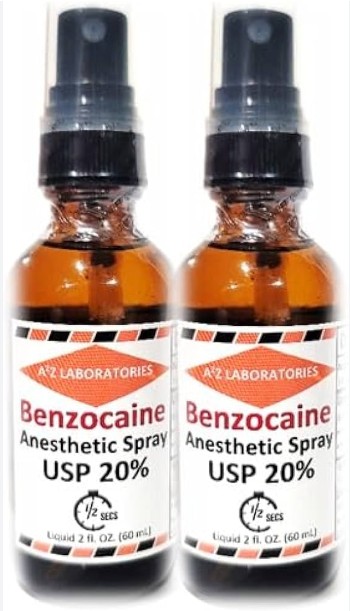
Benzocaine belongs to the ester-type local anesthetic family, derived from para-aminobenzoic acid, and has been a staple in medical and over-the-counter products since the early 20th century. It is commonly formulated as a white, odorless powder that can be dissolved into gels, sprays, creams, lozenges, ointments, or liquids for topical application. Unlike injectable anesthetics such as lidocaine or procaine, benzocaine is primarily designed for surface-level numbing on mucous membranes or skin, making it ideal for quick, non-invasive relief.
The compound works by reversibly binding to voltage-gated sodium channels in nerve cell membranes, inhibiting the influx of sodium ions necessary for nerve impulse propagation. This blockade prevents pain signals from traveling to the brain, resulting in localized anesthesia that typically onset within 15-30 seconds and lasts 10-30 minutes, depending on concentration and application site. Concentrations in commercial products range from 5% to 20%, with higher strengths reserved for professional dental or medical use.
Benzocaine's solubility profile—poorly soluble in water but highly soluble in alcohol and oils—allows for versatile formulation options. In oral care products like teething gels or canker sore treatments, it soothes irritated tissues; in dermatological creams, it alleviates itching from sunburns, minor burns, or insect bites; and in specialized applications, it features in delay condoms or hemorrhoid suppositories. Its rapid onset and minimal tissue penetration make it unsuitable for deep or prolonged anesthesia, distinguishing it from systemic drugs.
Globally, benzocaine is regulated as a safe ingredient when used as directed, with agencies like the FDA classifying most topical forms as over-the-counter (OTC) drugs. However, its powder form requires careful handling in industrial settings due to potential for misuse or contamination. Reputable manufacturers ensure pharmaceutical-grade purity (typically 99%+), supported by certificates of analysis (COA), material safety data sheets (MSDS), and compliance with GMP standards.
To understand why benzocaine doesn't get you high, consider its pharmacokinetic profile: it has low systemic bioavailability when applied topically. Only a small fraction absorbs through the skin or mucosa, and what does enter the bloodstream is quickly metabolized by plasma esterases into para-aminobenzoic acid (PABA) and ethanol, with negligible amounts reaching the central nervous system (CNS). This contrasts sharply with recreational drugs like cocaine, opioids, or cannabinoids, which readily cross the blood-brain barrier to modulate dopamine, serotonin, or opioid receptors, triggering reward pathways and perceptual changes.
Local anesthetics like benzocaine target peripheral nerves exclusively. By stabilizing neuronal membranes and raising the threshold for excitation, they induce sensory loss (analgesia) and motor block without CNS stimulation or depression at therapeutic doses. Users report numbness, a cooling sensation, or mild tingling—sensations far removed from the rush, relaxation, or hallucinations of psychoactive substances. Even at supratherapeutic doses, any CNS effects stem from toxicity (e.g., seizures or respiratory depression), not pleasure.
Comparative pharmacology underscores this: cocaine, a structurally related ester anesthetic, retains CNS activity due to its ability to block monoamine reuptake, whereas benzocaine lacks this property entirely. Clinical studies and pharmacovigilance data confirm no abuse potential; recreational "highs" from benzocaine are anecdotal myths, often confused with laced street products where it's used as a cheap diluent for cocaine or heroin, mimicking numbing without the true effects.
No, benzocaine does not get you high. The notion likely arises from its superficial resemblance to cocaine—both are white powders with numbing properties—but pharmacologically, they diverge completely. Street benzocaine is sometimes cut into illicit drugs to extend volume and simulate cocaine's hallmark numbness on gums or skin, fooling novice users. However, ingesting, snorting, or injecting benzocaine yields no euphoria, only risks.
Users attempting recreational use might feel localized numbness in the mouth or nose, perhaps a brief head rush from rapid application, but this dissipates without reward. Forums and harm-reduction sites report frustration: "It's just numb, no buzz." High doses (far exceeding OTC limits) can cause methemoglobinemia, where hemoglobin oxidizes to a non-oxygen-carrying form, leading to cyanosis, fatigue, and hypoxia—symptoms mistaken for a "bad trip" but actually medical emergencies.
Historical context adds clarity: benzocaine's development in 1899 by Eduard Ritsert predated widespread cocaine abuse, positioning it as a safer alternative for dentistry. Modern toxicology databases like PubChem and DrugBank list no psychoactive metabolites or receptor affinities. For those seeking highs, benzocaine disappoints; for pain relief, it excels.
When used as labeled, benzocaine boasts a strong safety record, with adverse events rare (<1% of applications). Common side effects include transient erythema, stinging, or allergic contact dermatitis, particularly in PABA-sensitive individuals (cross-reactivity with sunscreens). The FDA's 2011-2019 warnings focused on pediatric teething gels, linking overuse to methemoglobinemia in infants under 2, prompting label changes and concentration limits (e.g., max 5% for children).
Methemoglobinemia, the primary concern, oxidizes ferrous iron in hemoglobin to ferric, impairing oxygen delivery. Symptoms progress from blue lips/nares to dyspnea, acidosis, and collapse; treatment involves methylene blue IV. Risk factors include G6PD deficiency, concurrent oxidants (e.g., benzoyl peroxide), or excessive dosing (>1.2 mg/kg benzocaine). Adults are less susceptible due to higher metabolic capacity.
Other risks: aspiration if sprayed excessively in the throat, hypersensitivity (anaphylaxis rare), or interactions with sulfonamides (PABA competes for binding). Contraindications include open wounds, broken skin, or concurrent MAOIs. Overdose mimics local anesthetic systemic toxicity (LAST): tinnitus, seizures, cardiovascular collapse. Always adhere to "less is more"—pea-sized amounts suffice.
Monitoring bodies like the MHRA (UK) and EMA (EU) endorse benzocaine for OTC use with warnings. Professional guidance: patch-test new products, avoid in infants <6 months, and seek medical help for symptoms.
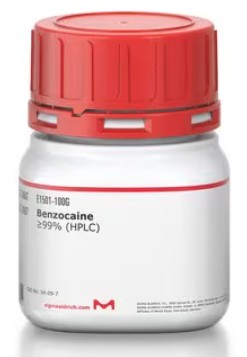
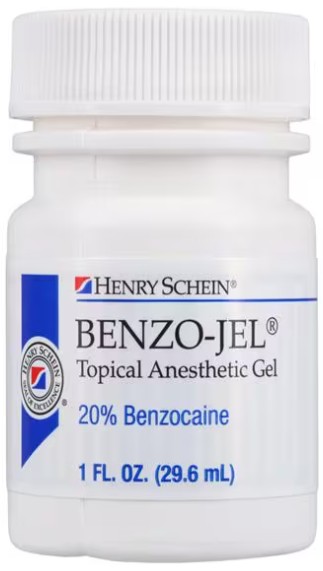
Benzocaine's utility spans oral health (Orajel for toothaches, Anbesol for canker sores), ENT care (throat sprays like Chloraseptic), dermatology (Solarcaine for burns), proctology (Preparation H), and urology (delay sprays/condoms). In dentistry, 20% gels facilitate procedures; in veterinary medicine, it's adapted for animal wounds.
Formulation science enhances efficacy: mucoadhesive gels prolong contact; effervescent lozenges aid dispersion; liposomes improve penetration. Flavoring (mint, cherry) boosts compliance, especially pediatric. Stability under ICH guidelines ensures 2-3 year shelf life.
Industrial production emphasizes purity: crystallization yields USP-grade powder, HPLC verifies 99.5% assay, microbial limits <10 CFU/g. Excipients like glycerin, carbomer, or ethanol tailor rheology.
For brands in biotech, pharma, and medtech, OEM factories like those specializing in benzocaine (supplybenzocaine.co.uk) offer turnkey solutions. As a Chinese leader in R&D, production, and sales, we provide high-purity API (CAS 94-09-7), custom blends (5-20%), and finished dosage forms compliant with FDA/EMA/GMP/ISO.
Our pipeline includes:
- Oral Care: Anesthetic gels, sprays, strips.
- Topicals: Creams, roll-ons for pain/itch.
- Specialty: Delay products, suppositories.
- Private Label: Full branding, MOQ 1000 units.
Advantages: Cost savings (30-50% vs. Western), scalable capacity (tons/month), QC labs (HPLC/GC-MS), regulatory dossiers (DMF/CE), and logistics (EXW/FOB/CIF). From inquiry to delivery: 4-6 weeks sampling, 4-8 weeks bulk.
Case studies: EU brand launched numbing spray with 15% benzocaine, achieving 2x sales; US wholesaler OEM'd teething gel, navigating FDA monograph. We handle stability, bioequivalence, and multilingual labels.
Sustainability: Eco-friendly solvents, zero-waste recrystallization. Tech transfer ensures seamless scaling.
Benzocaine falls under FDA OTC Monograph M026 (Anesthetics), permitting 5-20% topicals without NDA. EU Cosmetic Regulation annexes it for oral products; China's NMPA approves pharma grades. Export certifications: REACH, Kosher, Halal.
QA pillars: Incoming RM inspection, in-process IPC, finished batch release, 12-month stability (40°C/75%RH). Traceability via ERP/SAP.
Emerging tech: Nanoemulsions for faster absorption; microneedle patches for sustained release; combo formulas with menthol/NSAIDs. Biotech integration: Recombinant PABA pathways for greener synthesis.
Benzocaine remains a cornerstone local anesthetic, prized for numbing without highs—its action is peripheral, safe, and predictable when guidelines are followed. Recreational pursuits fail pharmacologically and invite peril; legitimate uses thrive.
International brands, wholesalers, producers: Elevate your portfolio with our OEM expertise. Secure high-purity benzocaine, bespoke formulations, competitive pricing, and compliant supply. Contact supplybenzocaine.co.uk today—request samples, quotes, or consultations. Partner for success in biotech, pharma, and medtech!
Contact us to get more information!
No, benzocaine provides localized numbing without CNS effects or euphoria. It lacks psychoactive properties, and misuse risks toxicity like methemoglobinemia instead of pleasure.
Limited use in children >6 months at ≤5% concentration; avoid teething overuse. Consult pediatricians; monitor for cyanosis or breathing issues.
Mild: stinging, redness. Serious (rare): methemoglobinemia, allergy. Discontinue if symptoms arise; seek emergency care for severe reactions.
Short-term only (e.g., 3-5 days max). Prolonged use heightens sensitization or absorption risks; alternate with non-drug therapies.
Partner with GMP factories offering COA, custom formulas, low MOQs. We provide API to finished goods—contact for tailored solutions.
1. https://en.wikipedia.org/wiki/Benzocaine
2. https://www.supplybenzocaine.co.uk/where-to-buy-benzocaine-powder.html
3. https://www.webmd.com/drugs/2/drug-1564-1459/benzocaine-topical-mucous-membrane/benzocaine-mucous-membrane/details
4. https://www.supplybenzocaine.co.uk/where-can-i-buy-benzocaine-powder.html
5. https://www.webmd.com/drugs/2/drug-164078/boil-ease-benzocaine-topical/details
6. https://www.goldbenzocaine.com/Article/list-r17.html
7. https://www.mayoclinic.org/drugs-supplements/benzocaine-topical-application-route/description/drg-20072913
8. https://www.bloomtechz.com/showroom/pure-benzocaine-powder/
9. https://www.goodrx.com/benzocaine/what-is
10. https://pharmaoffer.com/zh-CN/api-excipient-supplier/local-anesthetics/benzocaine
Hot tags: Benzocaine Effects, Benzocaine High, Benzocaine Abuse, Benzocaine Risks, Benzocaine Methemoglobinemia, Benzocaine Side Effects, Benzocaine Addiction, Benzocaine Use in Drugs, Benzocaine Legal Status, Benzocaine vs Cocaine