Content Menu
● Safety, Side Effects, and Regulations
● Benzocaine Forms and OEM Opportunities
>> (1) How long does benzocaine last?
>> (2) Is benzocaine safe for everyone?
>> (3) What is the difference between benzocaine and lidocaine?
>> (4) Can benzocaine be combined with other active ingredients?
>> (5) What should OEM buyers check before choosing a benzocaine supplier?
Benzocaine is a topical local anesthetic that temporarily numbs the skin and mucous membranes by blocking nerve signals, making it widely used for fast relief of minor pain and irritation in medical and over-the-counter products. It is especially common in oral gels, throat sprays, skin creams, ear drops, and rectal preparations for hemorrhoid relief. With reliable API and finished-product manufacturing, benzocaine is also a key ingredient for many OEM pain-relief and personal-care brands worldwide.
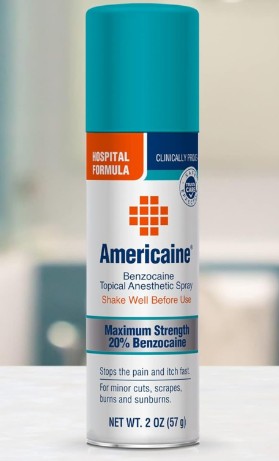
Benzocaine is an ester-type local anesthetic, chemically known as the ethyl ester of p-aminobenzoic acid (PABA). As a weakly water-soluble white crystalline powder, it is typically formulated with suitable solvents and excipients into topical dosage forms such as gels, creams, sprays, lozenges, and solutions.
When applied locally, benzocaine acts only at the site of contact, so it does not cause loss of consciousness and has minimal systemic anesthetic effects at recommended doses. This localized action makes it suitable for self-care OTC products as well as professional medical and dental applications.
Typical concentration ranges in OTC products are about 5–20%, depending on the dosage form and indication. In dentistry, 20% benzocaine gels or sprays are frequently used to numb the oral mucosa before injection of infiltrative local anesthetics. As an API, benzocaine can be supplied in bulk for conversion into finished pharmaceutical, cosmetic, and personal-care formulations through OEM partners.
Benzocaine has a long history of use dating back to the early 20th century when it was first synthesized and introduced as a safer alternative to cocaine for topical anesthesia. Its ester structure allows it to be hydrolyzed by esterases in tissues and plasma, contributing to its relatively short duration of action compared to amide-type anesthetics. This property makes it ideal for short procedures or temporary symptom relief without prolonged numbness.
For manufacturers and brands, understanding benzocaine's chemical profile is crucial for formulation stability. It is stable under normal storage conditions but sensitive to light, heat, and certain pH levels, requiring antioxidants or stabilizers in multi-component products. OEM factories with advanced R&D capabilities can optimize these factors to meet specific market needs, such as extended shelf life or compatibility with natural excipients.
Benzocaine works by reversibly blocking voltage-gated sodium channels in neuronal cell membranes. By stabilizing the membrane and reducing its permeability to sodium ions, it prevents depolarization and interrupts the initiation and conduction of nerve impulses. As a result, pain signals from stimulated nerve endings cannot be transmitted to the central nervous system, producing a temporary numbing effect at the application site.
Because benzocaine is applied topically and is relatively poorly soluble in water, systemic absorption is usually limited when used as directed. The onset of action is typically rapid, often within seconds to a few minutes, and the duration of numbness may last from several minutes up to about 30–60 minutes depending on concentration, dosage form, and local tissue conditions.
In oral and pharyngeal mucosa, benzocaine quickly numbs the surface to relieve toothache, sore gums, and sore throat discomfort. On the skin, it reduces irritation from sunburn, insect bites, minor cuts, abrasions, and other superficial injuries. In the ear canal, combinations such as benzocaine with antipyrine are used to soothe ear pain and facilitate earwax removal.
The mechanism involves benzocaine diffusing through the lipid-rich nerve membrane in its non-ionized form, then binding to the sodium channel from the intracellular side. This "use-dependent" blockade is more pronounced at higher firing rates, which is why it effectively quiets hypersensitive or inflamed nerves. Compared to injectable anesthetics, its surface-limited penetration ensures safety for non-invasive applications, a key selling point for OTC brands targeting consumers seeking quick home remedies.
Pharmacokinetic studies show that after topical application, peak plasma levels are low, with rapid metabolism to PABA and other metabolites excreted via urine. This profile minimizes drug interactions but necessitates caution with sulfonamide antibiotics, as PABA can antagonize their action. OEM partners must incorporate these insights into labeling and formulation to ensure broad market acceptance.
Benzocaine is indicated for a wide range of localized pain and irritation on skin and mucosal surfaces. It is marketed in many countries as an OTC ingredient and used professionally in clinics, dental practices, and minor surgical settings.
Key application areas include oral and throat pain relief for toothache, painful gums, canker sores, irritation from braces or dentures, minor dental procedures, sore throat, and cold sores. Dermatologic uses cover relief of itch and pain from sunburn, insect bites, minor burns, small cuts, abrasions, and skin irritations. Anorectal products provide symptomatic relief of hemorrhoids and other anorectal discomforts in combination products. Otic preparations include ear drops for otic pain and to soften earwax when combined with other agents. Dental and procedural anesthesia involves topical application prior to infiltration injection, impression taking, scaling, and other dental interventions.
For OEM and private-label customers, these indications translate into multiple product families, each optimized for concentration, excipients, and packaging format. Target markets include pharmacy chains, e-commerce brands, professional dental suppliers, and hospital distributors across diverse regulatory environments.
In dental settings, benzocaine's role extends to periodontal procedures, root canal preps, and extractions, where it eases patient anxiety before needle insertion. For skin care, it's a staple in first-aid kits for outdoor enthusiasts facing jellyfish stings or poison ivy rashes. Anorectal applications often pair it with hydrocortisone or pramoxine for enhanced soothing, popular in aging populations dealing with chronic discomfort. Ear drops remain a niche but steady seller for swimmer's ear and infections.
Global trends show rising demand for natural-enhanced benzocaine formulas, blending it with aloe vera, menthol, or essential oils for premium branding. OEM factories can leverage this by offering hybrid R&D services, testing synergies while maintaining anesthetic efficacy.
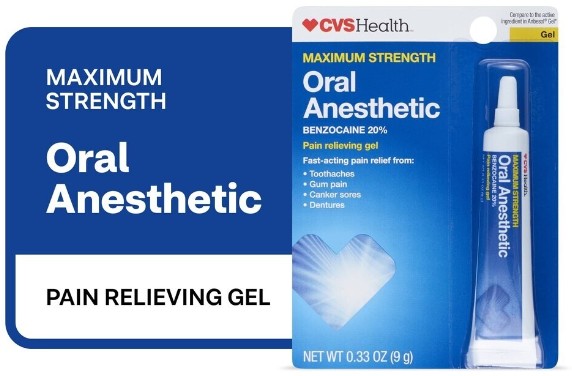
When used as directed, benzocaine is generally considered safe, but inappropriate use or high doses can lead to adverse effects. Local reactions such as burning, stinging, redness, and contact dermatitis may occur at the application site, especially in individuals with sensitivity to PABA-related compounds.
A rare but serious complication associated with benzocaine is methemoglobinemia, a condition in which hemoglobin is converted to a form that cannot carry oxygen effectively. Regulatory authorities such as the U.S. FDA have issued drug-safety communications warning that OTC oral benzocaine products can increase the risk of methemoglobinemia, particularly in young children and patients with underlying respiratory or cardiac disease. Symptoms include pale or blue-colored skin, lips, or nail beds, shortness of breath, fatigue, confusion, headache, lightheadedness, and fast heart rate, and they may arise within minutes to two hours after use.
Many regulators advise against benzocaine use in infants and children under 2 years for teething pain. Labeling is expected to include clear methemoglobinemia warnings, contraindications, age restrictions, dosing instructions, and guidance to seek medical attention if serious symptoms appear. For OEM buyers, compliance with local pharmacopeial standards (e.g., USP/EP) and registration requirements is essential when designing benzocaine formulations for different national markets.
Overdose risks are higher with sprays due to easier over-application, prompting recommendations for metered-dose packaging. Allergic profiles affect about 1-2% of users, often cross-reacting with sunscreens or dyes containing PABA derivatives. Post-marketing surveillance data underscores the importance of robust pharmacovigilance in OEM supply chains, with factories providing full traceability from batch synthesis to end-user packaging.
In Europe and Asia, similar guidelines emphasize maximum daily doses and avoidance in G6PD deficiency. Experienced OEM providers conduct risk assessments, offering low-risk alternatives or reformulations for sensitive demographics like pediatrics or geriatrics.
Benzocaine can be supplied as bulk API or processed into a wide range of dosage forms depending on target indications and brand strategies. For international manufacturers, wholesalers, and brand owners, partnering with an experienced OEM factory in China allows flexible customization of formulations, packaging, and regulatory documentation.
Typical benzocaine-based products include oral gels and liquids for toothache, gum pain, denture irritation, and post-procedure pain; throat sprays and lozenges for temporary sore throat and pharyngeal discomfort; skin creams, ointments, and sprays for itch and pain from minor skin irritations and injuries; hemorrhoid creams and suppositories often containing benzocaine with vasoconstrictors or protectants; ear drops with benzocaine plus antipyrine or other components for otic analgesia and wax removal.
An OEM-capable facility can support the full lifecycle of benzocaine products: raw-material sourcing, synthesis or purification, formulation development, pilot-scale trials, stability studies, scale-up, filling, packaging, and export documentation. For global clients, this integrated approach shortens time to market and ensures consistent quality across different SKUs and markets.
Customization extends to vegan-friendly gels, alcohol-free sprays, or preservative-minimized options aligning with clean-label trends. Factories like supplybenzocaine.co.uk offer turnkey solutions, including graphic design for labels, multi-language inserts, and logistics to EU, US, or Latin America. MOQs start low for startups, scaling seamlessly for volume wholesalers.
Quality assurance involves HPLC purity testing (>99%), microbial limits, and heavy metal checks per ICH guidelines. Stability chambers simulate global shipping conditions, guaranteeing 24-36 month shelf lives. This end-to-end expertise positions OEM partners as strategic allies for brands entering competitive pain-relief segments.
Benzocaine was first introduced in 1902 by German chemists as a non-addictive substitute for cocaine in mucosal anesthesia. Its adoption surged in the 1920s with dental and ENT applications, evolving into modern OTC staples by mid-century. Today, the global topical anesthetics market exceeds $5 billion annually, with benzocaine holding steady share amid bio-based innovations.
Post-COVID, demand spiked for home-use oral and skin products, accelerating e-commerce penetration. Sustainability drives shift to recyclable packaging and plant-derived excipients, opportunities OEMs exploit via green chemistry. Emerging markets in Southeast Asia and Africa seek affordable generics, where Chinese factories excel in cost-effective, high-volume production.
Future growth lies in combo therapies, like benzocaine-cannabidiol for neuropathic itch or antimicrobial fusions for wound care. Regulatory harmonization via WHO prequalification opens doors for OEM exports, rewarding factories with DMF filings and audit-ready systems.
Benzocaine is a well-established topical local anesthetic that provides fast, localized relief from minor pain and irritation of the mouth, throat, skin, ear canal, and anorectal region. By blocking sodium channels at nerve endings, it prevents pain signal transmission without affecting consciousness, making it ideal for OTC and professional products across many therapeutic niches.
For overseas brands, wholesalers, and manufacturers, partnering with a professional Chinese OEM factory experienced in benzocaine APIs and finished dosage forms enables efficient development of customized oral, skin, ear, and hemorrhoid products that comply with local regulations. To discuss your specifications—such as target markets, concentrations, dosage forms, packaging, and documentation—contact the OEM team at supplybenzocaine.co.uk today and start building or expanding your benzocaine product portfolio with confidence. Contact us to get more information!
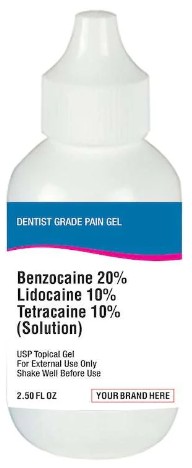
In most topical formulations, benzocaine starts working within a few minutes and its numbing effect typically lasts from several minutes up to about 30–60 minutes, depending on product strength and tissue site. Heavier keratinized skin and lower concentrations may produce shorter duration than moist mucosal surfaces or higher-strength gels. Factors like blood flow and repeated application can modulate this timeframe.
Benzocaine is generally safe for adults and older children when used as directed, but it can cause local irritation and allergic reactions in some individuals. Because of the risk of methemoglobinemia, authorities advise against its use in infants and children under 2 years for teething, and extra caution is needed in people with breathing problems, heart disease, or certain blood disorders. Always patch-test new products.
Both benzocaine and lidocaine are local anesthetics, but benzocaine is an ester-type agent while lidocaine is an amide-type. Benzocaine is often used topically in OTC oral and skin products, whereas lidocaine is more frequently used in injectable and topical forms, with different pharmacokinetics and allergy profiles. Esterase metabolism distinguishes benzocaine's faster breakdown.
Yes, benzocaine is often formulated together with other actives such as antiseptics, protectants, vasoconstrictors, decongestants, or antipyrine to address complex symptoms like hemorrhoids, oral ulcers, or ear pain. OEM developers must verify compatibility, stability, and regulatory classification for each target market before launching combination products. Synergies enhance efficacy without compromising safety.
OEM buyers should review GMP qualifications, QC testing capabilities, regulatory documentation (e.g., DMF, CEP, or equivalent), batch-to-batch consistency, and experience with benzocaine formulations and international registrations. It is also important to confirm support for customized formulations, packaging design, and export logistics for target markets. Request samples and CoAs early in negotiations.
1. https://en.wikipedia.org/wiki/Benzocaine
2. https://www.webmd.com/drugs/2/drug-1564-1459/benzocaine-topical-mucous-membrane/benzocaine-mucous-membrane/details
3. https://pharmacyservices.utah.edu/alerts/2018/06/benzocaine-over-counter-products-can-increase-risk-of-serious-or-life-threateni
4. https://www.chemicalbook.com/article/benzocaine-mechanism-of-action-uses-toxicity.htm
5. https://www.maxill.com/us/blog/post/because-you-asked-%7C-all-about-benzocaine-an-in-depth-exploration-
6. https://www.fda.gov/drugs/drug-safety-and-availability/risk-serious-and-potentially-fatal-blood-disorder-prompts-fda-action-oral
7. https://go.drugbank.com/drugs/DB01086
8. https://www.maxill.com/ca/blog/post/because-you-asked-benzocaine-an-in-depth-exploration
9. https://www.asahq.org/advocacy-and-asapac/fda-and-washington-alerts/fda-alerts/2018/05/oral-otc-benzocaine-products-drug-safety
10. https://www.pediatriconcall.com/drugs/benzocaine/318
Hot tags: Benzocaine Uses, Benzocaine Side Effects, Benzocaine Mechanism, Benzocaine for Pain Relief, Benzocaine Dosage, Benzocaine Safety, Benzocaine in Dentistry, Benzocaine Products, Benzocaine for Teething, Benzocaine FDA Warnings