Content Menu
● Does Lidocaine Powder Cause a High?
● How Does Lidocaine Work in the Body?
>> Absorption and Distribution
● Potential Effects and Risks of Lidocaine Overdose
>> Central Nervous System Symptoms
● Important Considerations Regarding Addiction and Abuse
● Common Applications of Lidocaine Powder
>> 1. Does lidocaine powder cause addiction?
>> 2. Can lidocaine overdose cause a high?
>> 3. How is lidocaine powder typically used in medical treatments?
>> 4. What are the risks associated with lidocaine misuse?
>> 5. How can I ensure the quality of lidocaine powder from suppliers?
Lidocaine powder is a widely used local anesthetic recognized for its ability to numb tissues during various medical, dental, and cosmetic procedures. While there are occasional reports of central nervous system symptoms such as mild euphoria, lidocaine is not considered a drug that produces a "high" or recreational intoxication effects like those seen with opioids, cannabinoids, or stimulants. On the contrary, misuse or overdose of lidocaine can result in serious and potentially life-threatening side effects without the pleasurable psychoactive experience that characterizes substances of abuse.
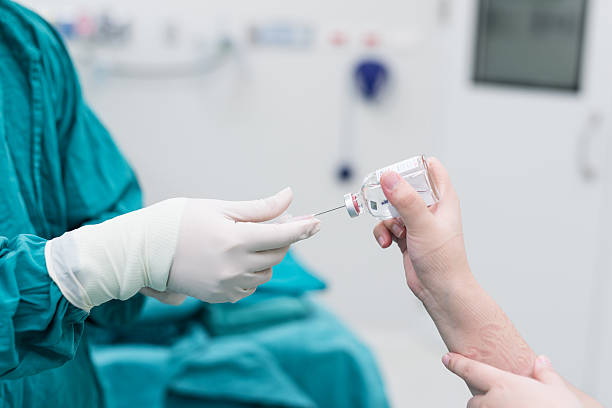
Lidocaine is a synthetic local anesthetic and antiarrhythmic agent commonly formulated as a white, crystalline powder before being processed into gels, creams, injections, and patches. Its primary medical function is to block nerve signal transmission by inhibiting voltage-gated sodium channels in neuronal membranes. This blockade prevents the propagation of pain signals to the brain, temporarily numbing the targeted area without impairing consciousness or mood under standard therapeutic use.
Lidocaine's versatility makes it indispensable in fields ranging from dentistry and minor surgeries to cosmetic treatments such as tattooing and microneedling. It serves as an effective pain-management tool taken up in various pharmaceutical formulations due to its rapid onset and relative safety when properly dosed.
In short, lidocaine powder does not cause a high.
Although lidocaine acts on the nervous system, it lacks the pharmacological properties that stimulate reward centers in the brain or induce euphoric states associated with addictive and recreational drugs. The mechanism of lidocaine centers on nerve conduction blockade without influencing dopamine pathways that typically underlie addiction and pleasurable experiences.
In some rare cases, especially in situations of overdose or toxicity, mild CNS excitation may manifest. Symptoms such as dizziness, confusion, agitation, or transient feelings described as euphoria can occur but should not be mistaken for or expected as a recreational “high.” These signs instead indicate toxicity and require immediate medical attention.
Exceeding recommended doses or improper administration procedures increases the likelihood of these adverse effects and poses significant health risks. Therefore, while lidocaine's pharmacology does not support recreational use, any misuse or abuse can lead to harmful and dangerous consequences.
Lidocaine functions by selectively blocking the influx of sodium ions through voltage-gated sodium channels located on nerve cell membranes. This blockage prevents the initiation and propagation of action potentials, which are electrical signals responsible for conveying sensory information such as pain.
Under therapeutic conditions, lidocaine's effect is localized to the area where it is applied or injected. It interrupts nerve signaling only in targeted tissues, preserving the patient's overall consciousness and systemic function.
Lidocaine is absorbed through mucous membranes and broken or damaged skin surfaces more readily than through intact skin. After absorption, lidocaine distributes quickly into the bloodstream and body tissues, metabolizing primarily in the liver.
The degree of systemic absorption depends on the formulation, dose, application site, and skin integrity. Controlled clinical administration minimizes systemic uptake, reducing the risk of toxicity.
Lidocaine is metabolized mainly by cytochrome P450 enzymes in the liver into active metabolites, which are eventually excreted by the kidneys. The drug's plasma half-life ranges approximately 1.5 to 2 hours in healthy adults, allowing relatively rapid clearance from the body following dosing.

When lidocaine is administered in excessive amounts or absorbed unduly, it can produce systemic toxicity characterized by a biphasic central nervous system response. Initial CNS excitation symptoms may be followed by depression, leading to serious complications.
- Dizziness
- Confusion and disorientation
- Restlessness and agitation
- Muscle twitching or tremors
- Seizures
- Temporary euphoria (rare and transient)
- Visual and auditory disturbances
- Loss of consciousness
- Bradycardia (slow heart rate)
- Hypotension (low blood pressure)
- Arrhythmias, including ventricular tachycardia or fibrillation
- Cardiac arrest
- Respiratory depression
- Difficulty breathing or apnea
- Tinnitus (ringing in ears)
- Nausea and vomiting
- Metallic taste in the mouth
Such toxic effects require urgent medical intervention, including supportive measures and administration of lipid emulsion therapy in severe cases. Timely treatment is critical to prevent fatal outcomes associated with lidocaine poisoning.
Lidocaine is not classified as an addictive substance because it does not produce rewarding or reinforcing psychoactive effects that promote repeated misuse. Its clinical use is controlled, and dosing regimens are designed to achieve analgesia and anesthesia without central nervous system intoxication.
Despite the lack of addictive potential, improper use—such as unapproved routes of administration, excessive dosing, or self-experimentation—can be highly dangerous and must be strictly avoided.
Lidocaine powder serves as a vital raw material for producing numerous pharmaceutical and medical products:
- Local Anesthetic Agents: Used in injections for dental work, minor surgeries, and diagnostic procedures to numb specific body areas safely and effectively.
- Topical Anesthetics: Incorporated into creams, gels, sprays, and patches for pain relief during minor skin irritations, burns, insect bites, and cosmetic treatments.
- Antiarrhythmic Drugs: Administered intravenously to manage certain types of ventricular arrhythmias in emergency medical settings.
- Cosmetic and Dermatological Procedures: Applied to reduce procedural pain during tattooing, microneedling, laser therapy, and skin resurfacing.
Each application requires strict adherence to dosing and purity standards to ensure patient safety.
Maintaining high standards of purity, potency, and formulation consistency for lidocaine powder is vital to avoid contamination, variable dosing, or unwanted side effects. Trusted manufacturers adhere to Good Manufacturing Practice (GMP) certifications and robust quality assurance protocols to supply raw materials and finished products conforming to regulatory norms.
For overseas brands, wholesalers, and manufacturers interested in partnering for OEM services, it is critical to work with suppliers who prioritize stringent quality controls and compliance with international pharmaceutical standards.
Lidocaine powder is a potent and reliable local anesthetic extensively used worldwide in medical, dental, cosmetic, and emergency settings. It does not produce a recreational high or addictive euphoria but can cause severe toxic effects if misused or overdosed. Proper dosing, high-quality sourcing, and clinical administration are essential to harness its benefits safely.
If you represent a foreign brand, wholesaler, or manufacturer seeking premium lidocaine powder or other pharmaceutical raw materials, we offer comprehensive OEM services backed by rigorous quality assurance to meet your precise needs. Contact us today to explore collaboration opportunities and elevate your product offerings with trusted, efficacious ingredients.
No, lidocaine does not cause addiction because it does not produce the euphoric effects required to trigger repeated abuse.
No, an overdose can lead to symptoms such as dizziness and rare transient euphoria, which are signs of toxicity rather than a pleasurable high.
It is processed into injectable solutions, creams, gels, and patches to provide local anesthesia and pain relief during various medical and cosmetic procedures.
Misuse can lead to central nervous system and cardiovascular toxicity, including seizures, arrhythmias, respiratory depression, and potentially fatal outcomes.
Always source from reputable manufacturers with GMP certification and comprehensive product testing to guarantee purity, safety, and regulatory compliance.