Content Menu
● The Concept of "Rock Up" in Drug Powders
● Why Lidocaine Powder Does Not Rock Up
● Applications of Lidocaine Powder in Medicine
● Manufacturing and Quality Control
● Safety Considerations and Handling
● Summary
● FAQs
>> 1. What does it mean for a powder drug to "rock up"?
>> 2. Can lidocaine powder be used recreationally in rock form?
>> 3. How is lidocaine powder typically formulated for medical use?
>> 4. What purity standards does pharmaceutical lidocaine powder meet?
>> 5. How should lidocaine powder be stored to maintain quality?
Lidocaine powder is a white crystalline local anesthetic widely used in medical applications. It is a key pharmaceutical raw material essential for producing various formulations intended for pain relief and cardiac arrhythmia management. However, there is sometimes confusion or misinformation about whether lidocaine powder can "rock up" into crystalline rocks like certain illicit substances such as crack cocaine. This article takes a detailed look at lidocaine powder's chemical properties, pharmaceutical uses, and the reality behind the phrase "rock up" concerning lidocaine. It also discusses manufacturing standards, practical applications, and safety considerations.

Lidocaine, chemically known as 2-(diethylamino)-N-(2,6-dimethylphenyl)acetamide, has the molecular formula C14H22N2O. It appears as a white crystalline powder with a high degree of purity typically exceeding 98-99%. Lidocaine serves primarily as a local anesthetic, providing temporary numbness to specific body areas to facilitate minor surgical procedures or diagnostic interventions. Apart from topical anesthesia, lidocaine is also utilized as an antiarrhythmic agent to stabilize irregular heart rhythms.
Physically, lidocaine powder is stable, soluble in water and several pharmaceutical solvents, and melts around 66-69 °C. These properties support its role as an active pharmaceutical ingredient (API) in various drug formulations like injectable solutions, topical gels, patches, sprays, and creams. Its pharmaceutical-grade purity ensures consistent therapeutic efficacy and safety in clinical use.
The phrase "rock up" refers to the process of converting powdered substances into hard, rock-like crystalline solids. This term is mostly associated with illicit drug production, particularly the manufacture of crack cocaine. Crack cocaine is produced by chemically treating cocaine hydrochloride powder with baking soda and heat, transforming it into a less soluble free base that solidifies into irregular "rocks." These rocks are easier to handle for street-level distribution and are smoked for rapid onset of effects.
This process and terminology, however, do not apply to pharmaceutical compounds like lidocaine. Lidocaine powder is never processed into rock-like forms for consumption or distribution in any legitimate medical, pharmaceutical, or industrial context.
There are several fundamental reasons why lidocaine powder does not and cannot "rock up" into crystalline rocks similar to crack cocaine:
- Pharmaceutical Manufacturing Standards: Lidocaine is produced under strict pharmaceutical conditions adhering to good manufacturing practice (GMP) guidelines. The powder is designed for further formulation into solutions or topical products, and the purity, particle size, and other parameters are tightly controlled to ensure safety and predictable pharmacological effects.
- Chemical Properties: Lidocaine's chemical structure and physical characteristics do not favor formation into durable, smokable rocks. Unlike cocaine, lidocaine lacks the free base conversion properties that lead to solid "rocks" during chemical processing.
- Medical Usage: Lidocaine's intended use is targeted, localized anesthesia or cardiac arrhythmia control, requiring it to remain in powder or solution form suitable for precise dosing. Conversion into rock-like forms would compromise dosing accuracy and safety.
- Lack of Recreational Use: Lidocaine does not have any psychoactive or euphoric effects associated with drugs like cocaine. Therefore, there is no incentive or practical purpose behind converting it into a "rock" for smoking or illicit abuse.
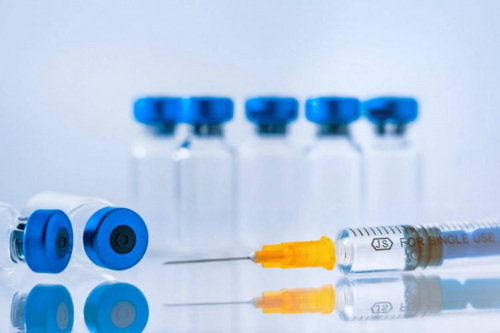
Lidocaine powder is an indispensable pharmaceutical raw material. Upon transformation into end-use products, its applications include:
- Local Anesthesia: Lidocaine is the standard agent used to numb tissues before procedures such as dental surgeries, biopsies, minor excisions, and cutaneous treatments. It temporarily blocks sodium channels in nerve cells, preventing pain signal conduction.
- Antiarrhythmic Agent: In cardiology, lidocaine administration helps to manage ventricular arrhythmias by stabilizing cardiac electrical activity.
- Topical Analgesia: Lidocaine-containing creams, gels, and sprays provide localized relief for minor skin irritations, burns, insect bites, and neuropathic pain.
- Formulation Versatility: Lidocaine powder is the starting material for numerous pharmaceutical preparations including injectable solutions, transdermal patches, oropharyngeal sprays, and compounded creams.
Manufacturing lidocaine powder involves strict quality assurance processes:
- Ensuring raw material sourcing from reliable suppliers compliant with chemical and pharmaceutical standards.
- Maintaining purity levels typically above 98-99% to avoid contaminants which could affect efficacy or cause adverse reactions.
- Storing powder in cool, dry environments shielded from light and humidity to preserve chemical stability.
- Conducting rigorous testing such as High-Performance Liquid Chromatography (HPLC), melting point analysis, and impurity profiling as per pharmacopoeia requirements.
These measures ensure that lidocaine powder supplied for medical production meets regulatory standards, ensuring safety for patients and healthcare professionals.
While lidocaine is generally safe when used properly, improper use or exposure can cause adverse effects:
- Overdose or accidental intravenous injection of large amounts may lead to systemic toxicity such as CNS excitation or cardiovascular depression.
- Allergic reactions, although rare, may occur in sensitive individuals.
- Handling of raw lidocaine powder requires appropriate laboratory safety protocols including personal protective equipment, proper ventilation, and avoidance of inhalation or skin contact.
Pharmaceutical producers who use lidocaine powder as an API should maintain standard operating procedures (SOPs) for safe handling and quality control.
Lidocaine powder is a critical pharmaceutical ingredient widely used for local anesthesia and cardiac arrhythmia management. Unlike illicit powdered drugs such as cocaine, it does not "rock up" into hard crystalline forms for recreational use. Its chemical structure, intended medical applications, and rigorous manufacturing controls prevent such transformation. Lidocaine powder remains a white, stable, soluble material designed for safe formulation into injectable or topical products.
Our factory, supplybenzocaine.co.uk, specializes in producing and supplying high-quality pharmaceutical lidocaine powder for global OEM clients. If you are a brand owner, wholesaler, or manufacturer looking for regulatory-compliant lidocaine raw materials or custom formulation services, contact us today to discuss your needs.
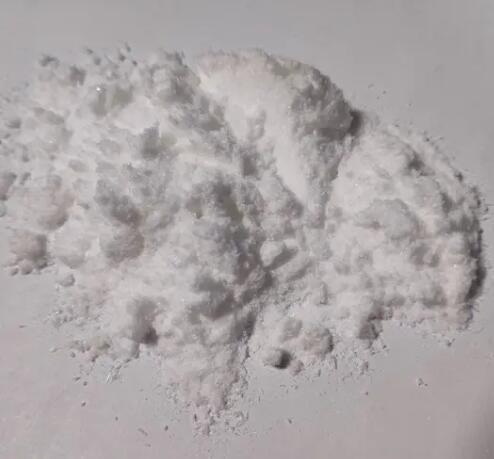
"Rock up" means chemically converting a drug powder into solid, rock-like crystals. This is common in illicit drug markets (e.g., crack cocaine) to facilitate smoking or handling, but it does not apply to pharmaceutical lidocaine.
No. Lidocaine is not suitable or used recreationally, nor does it form rocks that can be smoked or otherwise abused.
Lidocaine powder is dissolved or blended into injectable solutions, topical creams, gels, sprays, and patches for local anesthesia or cardiac treatment.
Pharmaceutical-grade lidocaine powder typically meets or exceeds 98-99% purity according to global pharmacopeial standards.
It should be kept in a cool, dry place away from direct sunlight and strong humidity to prevent degradation and maintain efficacy.