Content Menu
● Does Procaine Cause Hypotension?
● How Can Procaine Affect Blood Pressure?
>> Vasodilation and Systemic Vascular Resistance
>> Impact on Heart Rate and Cardiac Function
● Clinical Implications of Procaine-Induced Hypotension
>> Intravenous Administration in Anesthesia
>> Local Anesthetic Systemic Toxicity (LAST)
>> Allergic and Hypersensitivity Reactions
● Mechanistic Insights Into Procaine's Hypotensive Effects
● Recommendations for Safe Use
● Frequently Asked Questions (FAQ)
>> 1. Does procaine always cause low blood pressure?
>> 2. How quickly does procaine cause hypotension?
>> 3. Can procaine-induced hypotension be dangerous?
>> 4. What are the signs of procaine overdose?
>> 5. How is procaine-induced hypotension treated?
Procaine, a widely used local anesthetic, has been in clinical use for over a century. It is primarily known for its numbing effects during minor surgical procedures and dental treatments. However, beyond its anesthetic properties, procaine can influence cardiovascular function, raising questions about its impact on blood pressure. One frequently asked question is: Does procaine cause hypotension? This article explores the scientific evidence behind procaine's effect on blood pressure, elucidates its mechanisms of action regarding vascular tone and heart rate, and discusses clinical implications for its safe use.
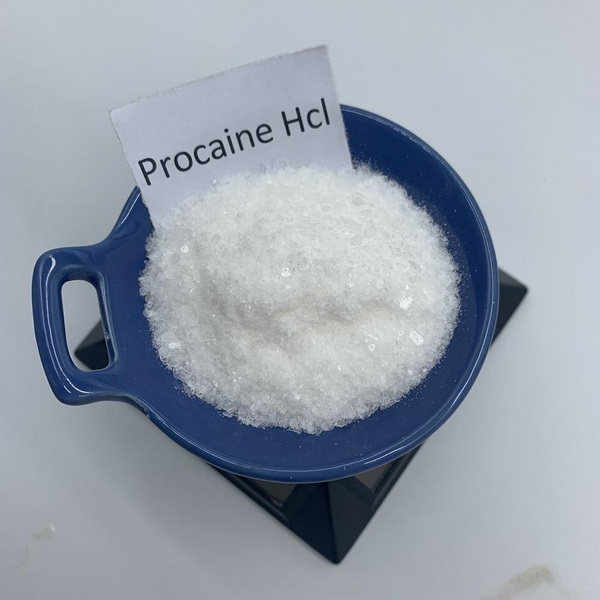
Procaine is an aminoester-type local anesthetic derived from para-aminobenzoic acid (PABA). It works by blocking voltage-gated sodium channels in nerve membranes to prevent nerve impulse transmission. This leads to temporary loss of sensation in targeted areas. Often marketed as Novocain, procaine is typically administered by injection. Aside from anesthetic use, it has been investigated for potential benefits in nerve disorders and circulatory stimulation.
Hypotension is defined as abnormally low blood pressure, generally considered to be below 90/60 mmHg. It can cause symptoms such as dizziness, fainting, blurred vision, and fatigue. Severe hypotension may reduce blood flow to vital organs, leading to complications. The body regulates blood pressure through interplay among cardiac output, vascular resistance, and blood volume, which can be influenced by drugs such as procaine.
A key mechanism by which procaine may cause hypotension is through vasodilation. Vasodilation refers to the widening of blood vessels, primarily arteries and arterioles, leading to decreased systemic vascular resistance and consequently lower blood pressure. Scientific research demonstrates that procaine's vasodilatory properties reduce the tone of vascular smooth muscles. This effect is mainly outside the central nervous system, as procaine does not readily cross the blood-brain barrier in significant concentrations.
Experimental studies in animal models show that procaine induces hypotension by lowering systemic vascular resistance. For instance, vasodilation was observed in canine models when procaine was administered systemically, clearly correlating with a drop in blood pressure. Importantly, such hypotension was absent when procaine was applied centrally in the brain, suggesting peripheral vascular actions are critical.
In human clinical contexts, studies have shown that intravenous procaine administration decreases mean arterial pressure by relaxing peripheral vessels. This results in reduced afterload on the heart and lowers arterial blood pressure. The reduction in systemic vascular resistance appears to be the primary driver of hypotension during procaine infusion.
The effect of procaine on the heart is more nuanced. Procaine influences heart rate variably by affecting autonomic nerves and the myocardium directly. Early research in animal models displayed a biphasic heart rate response—with procaine initially causing increased heart rate (tachycardia) followed by a slowing (bradycardia) upon repeated dosing.
This phenomenon is explained by the complex interactions between procaine and the cardiac nervous system:
- Procaine blocks cardiac sensory nerves that usually monitor heart function, altering reflex control.
- It has vagolytic properties, which can block the parasympathetic input and cause an increase in heart rate.
- Sympathetic nervous system stimulation by procaine can also result in transient tachycardia.
- Higher doses or systemic accumulation may depress cardiac muscle function, ultimately slowing heart rate.
Thus, procaine can either cause a mild increase or decrease in heart rate, but it generally does not induce severe cardiac depression at therapeutic doses.
Importantly, procaine's vasodilatory effects may lead to a decrease in preload due to venous dilation, potentially causing a drop in cardiac output. However, studies have shown that the cardiac output is often maintained or only slightly reduced during procaine infusion because the heart compensates by increasing contractility or heart rate, depending on the individual's cardiovascular status.
Procaine's systemic hypotensive effects are clinically relevant, especially during intravenous use in anesthesia or pain management. In such settings, the vasodilatory effect can cause unexpected drops in blood pressure in some patients. For this reason, the dosing of intravenous procaine must be carefully controlled with continuous monitoring of vital signs.
Patients undergoing surgery or with preexisting cardiovascular issues may be more susceptible to procaine-induced hypotension. Anesthesiologists take measures such as dose titration, slow infusion rates, and supportive therapies (fluid administration, vasopressors) to prevent significant blood pressure declines.
Excessive systemic absorption or accidental intravascular injection of procaine can lead to Local Anesthetic Systemic Toxicity (LAST). This condition presents with central nervous system excitation or depression, cardiovascular disturbances, and hypotension. Typically, cardiotoxicity includes arrhythmias, conduction blocks, and severe hypotension caused by profound vasodilation and negative cardiac effects.
Awareness of LAST is critical for medical professionals to recognize early signs and provide prompt treatment to avoid complications.
Although rare, procaine can cause allergic reactions including anaphylaxis, which may involve severe hypotension as part of the systemic response. These hypersensitivity reactions require immediate discontinuation of the drug and emergency management.
Patients with autonomic dysfunction, hypotension history, or on multiple antihypertensive drugs may experience exaggerated hypotensive responses to procaine. Caution is advised when using procaine for regional blocks in these populations.
Procaine's vasodilatory actions come from several pharmacological effects in vascular smooth muscle. It may:
- Block sodium and calcium channels in vascular tissues, inhibiting contraction signals.
- Interfere with sympathetic nerve signaling that maintains vascular tone.
- Increase nitric oxide release, a potent vasodilator in endothelial cells (hypothesized).
Procaine has a short half-life, as it is rapidly hydrolyzed by plasma esterases to para-aminobenzoic acid, decreasing its systemic impact over time. Its effect on blood pressure is most acute immediately after administration and diminishes relatively quickly.
- Use the lowest effective dose of procaine.
- Avoid rapid intravenous injections; slow infusions minimize hypotension risk.
- Closely monitor blood pressure and heart rate during administration.
- Pre-assess patient cardiovascular status and history.
- Keep resuscitation and emergency drugs handy in case of adverse reactions.
- Educate healthcare staff on recognizing and managing procaine-induced hypotension and LAST.
In conclusion, procaine can cause hypotension, predominantly through vasodilation and decreasing systemic vascular resistance. The drug's cardiovascular effects include variable changes in heart rate and cardiac output, which depend on the dose and individual patient factors. While generally safe in controlled clinical use, procaine's potential to lower blood pressure necessitates vigilance especially during intravenous administrations or in patients with cardiovascular vulnerability. Proper dosing, monitoring, and preparation for emergency interventions ensure the safe use of procaine in medical and surgical settings.
Our company, specializing in biotechnology, pharmaceutical health, and medical device OEM manufacturing, offers high-quality procaine and related products compliant with international standards. Contact us for tailored solutions to support your product development, branding, and supply chain needs.
No, procaine does not always cause hypotension. The risk depends on dosage, administration route, and individual patient responses. Systemic or intravenous procaine is more likely to cause a drop in blood pressure than localized injection.
Blood pressure typically decreases within minutes after intravenous administration due to rapid vasodilation.
Severe hypotension can impair blood flow to vital organs and cause dizziness or fainting. Most clinical hypotension from procaine is mild and transient but requires monitoring.
Signs include cardiovascular symptoms such as low blood pressure and arrhythmias, neurological disturbances like dizziness and seizures, and possible allergic reactions.
Treatment involves stopping procaine, administering fluids, vasopressors if needed, and supportive medical care under supervision.
[1](https://www.shuziqianzhan.com/article/22736.html)
[2](https://blog.csdn.net/bat67/article/details/53738484)
[3](https://hnsdsz.cn/index.php?m=home&c=View&a=index&aid=924)
[4](https://yiban.io/blog/5092)
[5](https://support.microsoft.com/zh-cn/office/%E5%88%A0%E9%99%A4%E6%88%96%E7%A6%81%E7%94%A8%E8%B6%85%E9%93%BE%E6%8E%A5-027b4e8c-38f8-432c-b57f-6c8b67ebe3b0)
[6](https://www.cnblogs.com/marsggbo/p/10899616.html)
[7](https://jingyan.baidu.com/article/ed15cb1b6b506f5ae36981cb.html)
[8](https://jingyan.baidu.com/article/d8072ac4856738ec95cefd83.html)
[9](https://support.microsoft.com/zh-cn/topic/%E5%88%9B%E5%BB%BA%E6%88%96%E5%88%A0%E9%99%A4%E8%B6%85%E9%93%BE%E6%8E%A5%E5%AD%97%E6%AE%B5-6462a5b7-705e-4639-98ff-2fc6a6c09530)
[10](https://www.reddit.com/r/Notion/comments/qeybb0/how_to_remove_hyperlinks_on_text_have_any/?tl=zh-hans)
Hot tags: Procaine Side Effects, Hypotension Risk, Local Anesthetic Complications, Procaine Reactions, Cardiovascular Effects, Anesthetic Safety, Medical Warnings, Procaine Administration, Patient Safety, Drug Interactions