Content Menu
● Chemical Properties and Classification
● Onset and Duration of Action
● Medical and Cosmetic Applications
>> Benzocaine
>> Lidocaine
● Safety and Allergy Considerations
● Pharmaceutical Manufacturing Considerations
● Practical Applications in Product Development
● FAQ
>> 1. What is the main difference between benzocaine and lidocaine powder?
>> 2. Which powder is better for topical pain relief?
>> 3. Can benzocaine and lidocaine powders cause allergies?
>> 4. Are benzocaine and lidocaine powders available over-the-counter?
>> 5. How are these powders used in pharmaceutical manufacturing?
In the biotechnology, pharmaceutical, and medical device industries, benzocaine and lidocaine powders are essential local anesthetics used worldwide. Both are used to relieve pain by numbing tissues, yet their chemical properties, potency, onset, and duration of action differ significantly. This article provides a detailed comparison of benzocaine versus lidocaine powder to help brands, wholesalers, and manufacturers in selecting the best anesthetic powder for their products.
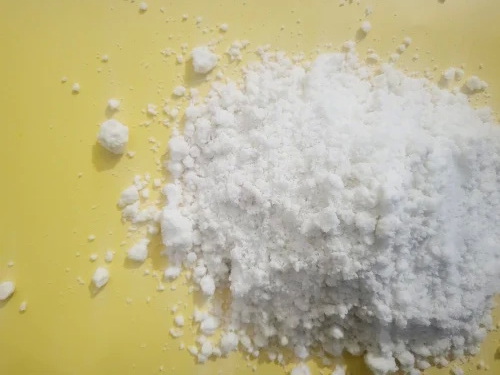
Benzocaine is an ester-type local anesthetic, while lidocaine is an amide-type anesthetic. This fundamental difference affects their metabolism and potential for allergic reactions. Benzocaine appears as a white to off-white powder or colorless crystals with poor water solubility but good solubility in ethanol and oils. Lidocaine powder, often a high-purity amide compound, is more soluble in water when in hydrochloride form, allowing flexible pharmaceutical formulation.
Esters like benzocaine are rapidly metabolized by esterases, resulting in a shorter duration of effect. Amides like lidocaine have slower liver metabolism, providing longer-lasting anesthesia.
Lidocaine generally has a slightly slower onset but a significantly longer duration of action than benzocaine. Benzocaine typically numbs within 15 to 30 seconds and lasts 10 to 15 minutes. Lidocaine may take 1 to 5 minutes to act but can provide numbing effects lasting from 30 up to 90 minutes, making it more suitable for prolonged procedures.
The varying onset and duration characteristics influence the choice depending on the clinical or consumer application. Products that require quick relief but only short-term numbness, such as topical sprays or lozenges, often favor benzocaine. On the other hand, when extended numbing is required — such as dental work or minor surgical procedures — lidocaine is preferred because of its longer duration.
Benzocaine is widely used in over-the-counter topical applications aimed at relieving superficial pain. Products containing benzocaine are common for soothing sore throats, mild toothaches, teething problems in infants, sunburn, insect bites, and minor skin irritations. It is available in gels, sprays, creams, and lozenges. Additionally, benzocaine is frequently included in products designed to delay ejaculation by desensitizing the penile tissue temporarily. Combination formulations may pair benzocaine with cooling agents like menthol to enhance analgesic effects.
Lidocaine's medical applications stretch beyond simple topical use. It is a mainstay in minor surgical and dental procedures where deeper and longer-lasting numbing is critical. Lidocaine is used as injectable anesthetic, topical creams, gels, patches, and sprays. Furthermore, lidocaine possesses antiarrhythmic properties, making it valuable in cardiac care. It is also employed in chronic pain management protocols and post-surgical pain relief due to its sustained effect.
In cosmetic fields, lidocaine is used in topical anesthetics applied before procedures like laser treatments or chemical peels, helping minimize discomfort during aesthetic interventions.
Although both benzocaine and lidocaine are effective anesthetics, their safety profiles differ slightly due to chemical composition.
Benzocaine, being an ester-type anesthetic, carries a higher risk of allergic reactions, including localized swelling, redness, or systemic responses in rare cases. Prolonged or excessive use may lead to methemoglobinemia, a condition where oxygen delivery in blood is impaired. This risk necessitates cautious formulation and labeling in consumer products.
Lidocaine generally has a lower incidence of allergic reactions, attributed to its amide chemical class. However, systemic toxicity is a concern if lidocaine is overdosed, particularly via intravenous or excessive topical application. Symptoms can include dizziness, tremors, or more severe neurological effects. Both compounds require careful dosing and supervision when used in pharmaceutical manufacturing or clinical contexts.
Lidocaine tends to be more potent as an anesthetic compared to benzocaine. For example, a 5% lidocaine formulation often provides comparable or superior numbing effects relative to a 20% benzocaine product. This higher potency makes lidocaine the preferred choice in medical environments where predictable and effective anesthesia is necessary.
Benzocaine's milder effect and quicker onset are appealing for consumer OTC products where intense anesthesia is not required. Its faster action is beneficial for relieving transient pain quickly but does not sustain numbness for extensive procedures.
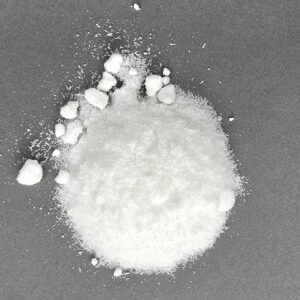
From an OEM manufacturing perspective, sourcing high-quality, pharmaceutical-grade benzocaine and lidocaine powders is critical for producing safe and effective products.
Benzocaine powder requires careful handling due to its relative instability and susceptibility to degradation under certain conditions such as heat and moisture. Maintaining purity and preventing contamination during storage and processing are crucial for performance consistency.
Lidocaine powder, frequently supplied as lidocaine hydrochloride, offers better solubility and dosing accuracy which facilitates formulation into a wide variety of dosage forms, including injectables, creams, gels, and patches. The manufacturing process must ensure uniform distribution and concentration to maximize safety and efficacy.
Formulations involving these powders are typically designed to maximize bioavailability, stability, and user experience. Advanced pharmaceutical technology allows encapsulation, controlled release, or combination with other agents for enhanced efficacy.
For brands and wholesalers aiming to meet diverse market needs, understanding when to utilize benzocaine or lidocaine powder can enhance product appeal:
- Over-the-counter sore throat sprays, lozenges, and minor wound creams often use benzocaine for quick, mild relief.
- Dental anesthetic gels, post-procedural pain creams, and larger area topical patches lean towards lidocaine due to its prolonged action.
- Combination products sometimes integrate both powders to balance rapid onset with lasting anesthesia.
- Regulatory considerations vary by region; manufacturers must ensure compliance with safety limits, labeling, and permissible concentrations.
- Chemical class: Benzocaine (ester), Lidocaine (amide)
- Onset: Benzocaine faster (15-30 seconds), Lidocaine slower (1-5 minutes)
- Duration: Benzocaine shorter (10-15 minutes), Lidocaine longer (30-90+ minutes)
- Potency: Lidocaine more potent
- Allergy potential: Benzocaine higher risk
- Applications: Benzocaine OTC topical; Lidocaine medical and dental, chronic pain management
- Formulation: Both versatile but lidocaine easier for injectable and controlled-release forms
In the debate over which is better in powder form — benzocaine or lidocaine — the answer depends on the intended use and desired effect. Benzocaine offers rapid, short-term anesthesia suitable for over-the-counter topical products and minor irritations. Lidocaine provides stronger, more durable anesthesia preferred in medical, dental, and surgical settings.
For manufacturers and OEM partners in the biotechnology and pharmaceutical industries, choosing the right anesthetic powder ensures delivering safe, efficacious, and market-appropriate products to global clients. By understanding each compound's strengths and limitations, companies can tailor formulations to meet customer demands and regulatory standards.
If interested in sourcing premium benzocaine or lidocaine powders with customized OEM services for international brands, wholesalers, or manufacturers, contact us today. Our expertise in research, development, and large-scale production ensures top-quality anesthetic ingredients aligned with your product specifications.
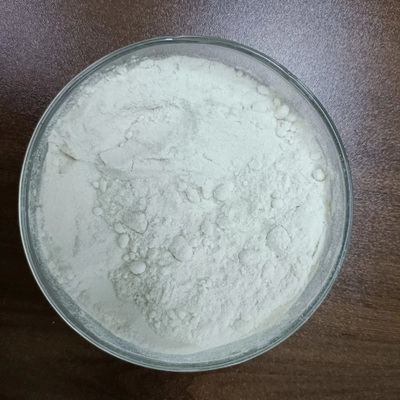
Benzocaine is an ester anesthetic with rapid onset and brief duration, whereas lidocaine is an amide anesthetic that acts longer and is more potent.
Benzocaine suits quick, mild pain relief; lidocaine is better for more intensive, longer-lasting anesthesia.
Yes, benzocaine poses a higher allergy risk. Lidocaine is less allergenic but can cause toxicity if misused.
Benzocaine is commonly found OTC, but lidocaine usually requires professional supervision or prescriptions depending on the form.
Both powders are formulated into creams, gels, sprays, patches, lozenges, and injectables to provide topical anesthesia and pain relief in various medical and consumer products.
[1](https://www.sonwuapi.com/info/what-is-the-difference-between-lidocaine-and-b-86290409.html)
[2](https://en.wikipedia.org/wiki/Benzocaine)
[3](https://www.nbinno.com/2025/article/pharmaceutical-raw-materials/lidocaine-powder-properties-benefits-procurement-insights)
[4](https://curistrelief.com/blogs/curist/benzocaine-vs-lidocaine-better-pain-relief)
[5](https://study.com/learn/lesson/benzocaine-lidocaine-strength-form.html)
[6](https://qlab.uk/5-uses-of-benzocaine/)
[7](https://pmc.ncbi.nlm.nih.gov/articles/PMC10744742/)
[8](https://pmc.ncbi.nlm.nih.gov/articles/PMC8343671/)
[9](https://pmc.ncbi.nlm.nih.gov/articles/PMC2148990/)
[10](https://pmc.ncbi.nlm.nih.gov/articles/PMC5404778/)
[11](https://go.drugbank.com/drugs/DB01086)
[12](https://upguys.com/blog/lidocaine-vs-benzocaine)
[13](https://www.droracle.ai/articles/228822/differentiate-between-topical-benzocaine-lidocaine-and-prilocaine)
[14](https://www.mayoclinic.org/drugs-supplements/benzocaine-topical-application-route/description/drg-20072913)
[15](https://clicks.co.za/health/medicines/article-view/benzocaine)
[16](https://www.nbinno.com/article/active-pharmaceutical-ingredients-apis/exploring-the-benefits-of-lidocaine-powder-in-pain-management)
[17](https://adcare.com/addiction-resources-center/cutting-agents-drug-manufacturing/)
[18](https://pmc.ncbi.nlm.nih.gov/articles/PMC2735213/)
[19](https://www.colgate.com/en-us/oral-health/mouth-sores-and-infections/what-you-should-know-about-benzocaine)
[20](https://www.sigmaaldrich.com/JP/en/product/sigma/l7757)
Hot tags: Benzocaine vs Lidocaine, Pain Relief Comparison, Local Anesthetics, Benzocaine Effectiveness, Lidocaine Effectiveness, Topical Anesthetics, Pain Management, Numbing Agents, Benzocaine Uses, Lidocaine Uses