Content Menu
● Chemical Structure and Properties of Procaine
● Does Procaine Cook? — Thermal Stability Analysis
>> What Happens When Procaine is Heated?
● Industrial Implications for OEM Production
>> Sterilization Considerations
● Does Cooking Affect Procaine's Anesthetic Activity?
● Comparison: Procaine and Other Local Anesthetics Under Heat
● Safe Handling and Storage Recommendations
● Future Prospects in Procaine Production and Stability Improvements
● Frequently Asked Questions (FAQ)
>> 1. What temperature does procaine begin to degrade at?
>> 2. Can procaine be sterilized using heat?
>> 3. Does cooking procaine affect its safety profile?
>> 4. How should procaine be stored to maintain its stability?
>> 5. Are there any formulations that improve procaine's heat stability?
Procaine is a well-known local anesthetic widely used in medical, dental, and veterinary practices. Derived from the ester local anesthetics family, procaine has been invaluable for pain control since its discovery in the early 20th century. But does procaine cook? This question is important in pharmaceutical manufacturing, the stability of drugs under heat, and for safe handling during compounding, storage, and clinical application.
This comprehensive article dives into the chemical properties of procaine, its thermal stability, how it reacts under heat, and implications for production and usage.
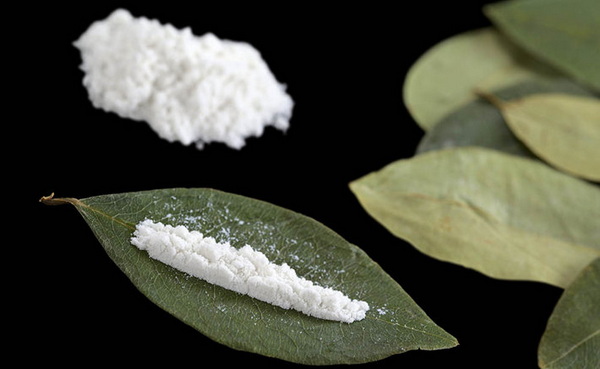
Procaine, also known by the brand name Novocain, is an ester-type local anesthetic commonly used to numb tissues in specific areas during minor surgeries and dental procedures. Chemically, it is an amino ester composed of an ester linkage that can be hydrolyzed enzymatically in the body. Its molecular formula is C13H20N2O2.
Procaine acts by blocking sodium ion channels on nerve membranes, inhibiting the generation and transmission of nerve impulses and thereby producing localized numbness or anesthesia. It is prized for its relatively short onset and moderate duration of action. Compared to other anesthetics, procaine is metabolized fairly quickly in the plasma by plasma esterases, limiting systemic toxicity.
Understanding procaine's chemical structure helps explain its thermal behavior. Procaine contains:
- An ester bond connecting the aromatic ring to the amino group
- A p-aminobenzoic acid derivative nucleus, which is sensitive to hydrolysis
- Moderate water solubility but better solubility in alcohol and organic solvents
The ester linkage in procaine is the center of its chemical instability under certain conditions such as heat, extremes of pH, and light exposure. This ester bond can hydrolyze, splitting the molecule into its separate components — para-aminobenzoic acid (PABA) and diethylaminoethanol derivatives. Hydrolysis and heat degradation both reduce anesthetic potency and may contribute to allergenicity.
Procaine hydrochloride, the commonly used salt form for injections and topical solutions, has a melting point around 155°C. While solid procaine hydrochloride is stable under typical pharmaceutical storage conditions, it becomes vulnerable to breakdown when exposed to high temperatures over extended periods.
Pharmaceutical manufacturing processes sometimes involve elevated temperatures such as drying, sterilization, or formulation mixing. The question “Does procaine cook?” focuses on whether heating procaine — whether intentionally or accidentally — results in chemical degradation or loss of efficacy.
Studies and empirical evidence reveal:
- Procaine hydrochloride starts to degrade gradually at temperatures above 50°C, with increasingly rapid decomposition as temperature approaches 130°C and above.
- The melting point of procaine hydrochloride (~155°C) marks the onset of melting and severe chemical decomposition. Exposure beyond this threshold can completely destroy the anesthetic properties.
- Typical cooking temperatures (around 100°C, for example boiling water) can begin to degrade procaine if exposure is prolonged.
- Heating in aqueous environments accelerates hydrolytic breakdown due to the combined effects of water and thermal energy breaking the ester bonds.
In summary, procaine is heat-sensitive and does not survive cooking temperatures intact. Heating leads to molecular breakdown, loss of anesthetic effect, and potential formation of irritant or allergenic by-products.
The duration of heat exposure also factors profoundly into procaine stability:
- Brief exposure to moderate heat (e.g., 40–50°C for short periods) may cause negligible degradation.
- Prolonged exposure at moderate or high heat causes significant molecular breakdown.
- Continuous long heating at cooking or sterilization temperatures (above 100°C) irreversibly denatures the compound.
This heat sensitivity defines the practical limits for industrial processing and storage conditions.
In the manufacturing and supply of procaine-containing pharmaceuticals, these thermal sensitivity characteristics impose strict process controls:
- During formulation and compounding, heat should be minimized, ideally below 40-50°C.
- Mixing, solvent evaporation, and other unit operations must be conducted with heat-sensitive protocols.
Because steam or heat sterilization at autoclave conditions (121°C for 15–20 minutes) can degrade procaine, manufacturers must adopt alternative sterilization methods, including:
- Filtration sterilization for liquid formulations
- Gamma or electron beam irradiation for powders and dry products
- Aseptic processing in controlled cleanroom environments
Packaging design must prevent temperature fluctuations. Products formulated with procaine should be stored and transported within controlled temperature ranges (generally 2–25°C or as specified) to avoid heat-induced degradation.
Clinical reliability hinges upon the anesthetic potency of procaine. Heating-induced degradation directly compromises this essential property:
- As procaine molecules break down, their ability to inhibit sodium channels diminishes, reducing onset and duration of anesthesia.
- Thermal degradation products such as para-aminobenzoic acid (PABA) are known to cause allergic reactions in sensitive individuals.
- Impure or degraded procaine may also cause unexpected side effects or lose efficacy entirely.
For these reasons, heating or cooking procaine in compounding or usage scenarios is strongly discouraged.
Compared to procaine, other commonly used local anesthetics demonstrate varying heat stability:
- Lidocaine, an amide-type anesthetic, is more chemically stable and resistant to heat degradation. It melts around 68°C but does not decompose until above 200°C.
- Bupivacaine and mepivacaine (amide types) are similarly more heat stable, making them preferred in some formulations that might encounter higher temperatures.
- Ester anesthetics like procaine, chloroprocaine, and tetracaine generally show more sensitivity to heat, hydrolysis, and pH changes.
This differentiation is key when OEM clients consider the thermal environment for formulations involving local anesthetics.
To maintain procaine effectiveness and prevent heat-induced degradation:
- Store procaine products in a cool, dry place away from direct sunlight.
- Maintain temperature below 25°C whenever possible.
- Avoid freezing, which may destabilize some formulations.
- Protect from moisture and avoid long-term exposure to heat.
- Follow label and pharmacopeia storage instructions strictly.
Research into improving procaine stability and safety focuses on formulation innovations:
- Encapsulation Technologies: Liposomes, nanoparticles, and polymeric carriers can shield procaine molecules from heat and hydrolysis.
- Stabilizing Additives: Antioxidants, UV absorbers, and pH buffers enhance chemical stability.
- Advanced Packaging: Barrier films and temperature-monitoring packaging help maintain ideal conditions through supply chains.
With these interventions, OEM manufacturers can expand product shelf life and ensure quality even under challenging distribution and climate conditions.
Does procaine cook? In typical culinary or heating contexts, procaine does not tolerate heat well and undergoes chemical degradation when exposed to elevated temperatures for significant periods. As an ester local anesthetic, procaine is moderately heat-sensitive, with decomposition occurring above 50°C and significant denaturation near its melting point (~155°C). Heating procaine compromises both therapeutic efficacy and safety, making strict control of temperature essential in pharmaceutical manufacturing, packaging, transport, and clinical use.
Maintaining procaine's integrity through controlled environment manufacturing and innovative formulation stabilizing techniques is critical to deliver effective and safe anesthetic products. As a manufacturer and OEM partner specializing in biotechnology, pharmaceuticals, and medical devices, we understand these challenges and are committed to providing tailored, high-quality procaine production services that meet international standards.
If you require expert OEM solutions for procaine or other pharmaceutical products—with guaranteed quality and stability—please contact us. Our factory combines leading technology, experienced R&D teams, and stringent quality controls to fulfill your brand's needs securely and reliably. Contact us to know more!
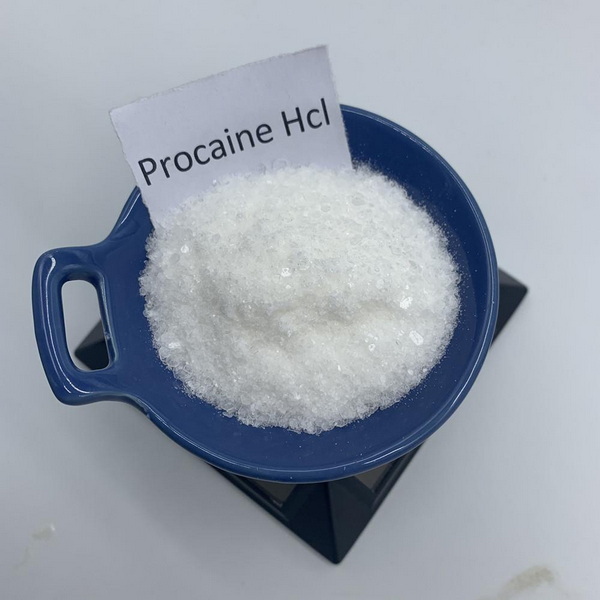
Procaine begins to show signs of degradation at temperatures around 50°C, with the breakdown accelerating significantly as temperatures approach and exceed 130°C.
No, heat sterilization methods such as autoclaving are typically not recommended for procaine since high temperatures cause degradation. Filtration sterilization or irradiation methods are preferred.
Yes, heating procaine can break it down into para-aminobenzoic acid (PABA) and other degradation products, which may cause allergic reactions or loss of anesthetic effect.
Procaine should be stored in a cool, dry environment below 25°C, away from light and moisture, to prevent thermal and hydrolytic degradation.
Newer formulations like liposomal encapsulation and nanoparticle carriers are being developed to improve procaine's thermal stability and prolong shelf life under variable conditions.
Hot tags: Procaine Cooking, Procaine Uses, Procaine Recipes, Procaine Preparation, Procaine Cooking Methods, Procaine in Food, Procaine Culinary Uses, Procaine Cooking Tips, Procaine Food Safety, Procaine Cooking Techniques