Content Menu
● Understanding the Blood-Brain Barrier
● Does Procaine Cross the BBB?
● Mechanisms of Drug Penetration Across the BBB
● Enhancing Procaine Delivery to the Brain
● Frequently Asked Questions (FAQs)
>> 1. How does procaine differ from other local anesthetics in crossing the BBB?
>> 2. What factors influence a drug's ability to cross the BBB?
>> 3. Can procaine cause central nervous system side effects?
>> 4. Are there ways to improve procaine's delivery to the brain?
>> 5. Why is the blood-brain barrier important in drug development?
Procaine is a widely used local anesthetic known for its numbing effects, primarily used in medical, dental, and veterinary practices. As a member of the ester-type local anesthetics, procaine works by blocking nerve signal transmission in targeted regions. However, an important pharmacological and neurological question arises: Does procaine cross the blood-brain barrier (BBB)? Understanding whether procaine can penetrate the BBB has significant implications for its therapeutic use, safety, and potential applications in central nervous system (CNS) disorders.
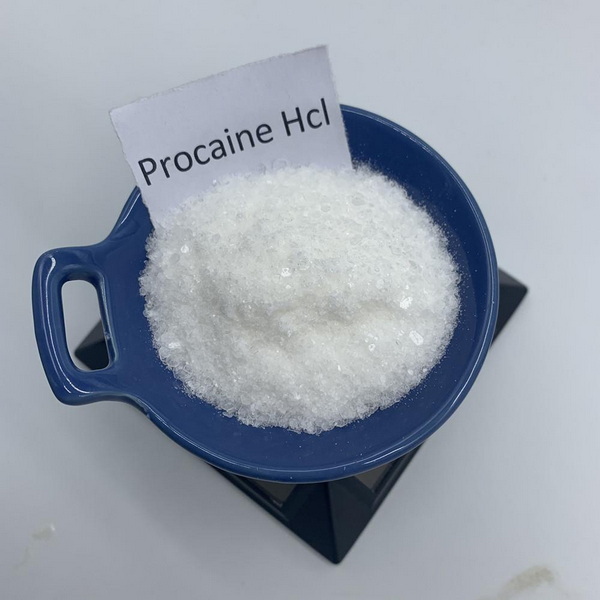
Procaine, often known by the brand name Novocain, was first synthesized in the early 20th century and became an essential alternative to cocaine as a local anesthetic. It is commonly used for nerve blocks, infiltration anesthesia, and epidural anesthesia. Procaine is a relatively short-acting anesthetic, rapidly metabolized by plasma esterases into para-aminobenzoic acid (PABA) and other metabolites, which limits systemic toxicity. In addition to its anesthetic properties, some studies have explored procaine's effects on neurotransmitter systems and possible therapeutic roles beyond anesthesia.
The BBB is a highly selective and dynamic interface formed by endothelial cells lining the cerebral microvasculature, supported by astrocytes, pericytes, and extracellular matrix components. Its primary role is to maintain CNS homeostasis by regulating the passage of substances from the bloodstream into the brain. This barrier restricts toxins, pathogens, and most drugs—especially large or hydrophilic molecules—from entering the brain, while permitting the transport of essential nutrients and gases.
The BBB's restrictive nature ensures that less than 2% of all drugs can reach effective concentrations within the CNS under normal physiological conditions. The barrier is characterized by tight junctions between endothelial cells, efflux transporters, and metabolic enzymes that work collaboratively to protect the brain.
Scientific evidence surrounding procaine's ability to cross the BBB remains nuanced. Recent advances in monitoring techniques have allowed researchers to measure procaine levels within the cerebrospinal fluid (CSF) and brain tissue with higher precision.
One significant study developed an electrochemical aptamer-based sensor to detect procaine in real-time intracranially in animal models. This research showed that procaine, when administered intravenously, reaches peak concentrations within the brain's ventricular system, indicating that the drug indeed crosses the BBB to some extent before rapid metabolism reduces its levels. The half-life of procaine in brain tissue was approximately 13.8 minutes, signifying rapid clearance after penetration.
However, this crossing is limited and transient, given procaine's rapid enzymatic breakdown and the BBB's restrictive properties. Thus, while procaine can penetrate the BBB, it does so in low concentrations and for brief periods under normal conditions. This limited penetration may be beneficial in limiting CNS side effects during clinical use.
Drugs may cross the BBB by several mechanisms:
- Passive Diffusion: Small, lipophilic molecules can diffuse across the endothelial cell membranes.
- Transport Proteins: Specific transporters selectively shuttle molecules into the brain.
- Receptor-Mediated Transcytosis: Ligands bind to receptors and are transported across endothelial cells.
- Adsorptive-Mediated Transcytosis: Cationic molecules adhere to the endothelial surface and are transported inside.
Procaine's molecular size and polarity suggest limited passive diffusion. Most of its BBB crossing likely occurs through transient diffusion or facilitated transport due to its structural properties.
Given procaine's limited BBB permeability, researchers have developed novel delivery systems to enhance CNS uptake for potential therapeutic applications beyond anesthesia. Liposomal encapsulation and peptide modifications have been investigated. For example, cRGDyK-modified procaine liposomes demonstrated increased penetration and retention in brain tissue in preclinical studies, suggesting new possibilities for targeted CNS therapies.
Understanding procaine's BBB penetration has important clinical meanings:
- Safety: Low BBB penetration reduces risks of CNS toxicity, such as seizures or hallucinations.
- Therapeutic Potential: Enhanced delivery methods might expand procaine's use to neurological disorders.
- Drug Development: Insights into BBB permeability aid in designing better local anesthetics with minimal CNS side effects.
Procaine does cross the blood-brain barrier, but only transiently and in limited amounts due to the BBB's restrictive nature and procaine's rapid metabolism. This crossing supports its safety profile as a local anesthetic with minimal central nervous side effects during typical clinical administration. Advances in drug delivery systems might enhance procaine's CNS penetration, opening potential new therapeutic applications in central nervous system diseases. Understanding the complex interaction between procaine and the BBB is vital for optimizing its clinical use and developing novel treatments.
If you are interested in innovative pharmaceutical ingredients like procaine and need high-quality OEM services for biotechnology, pharmaceuticals, or medical devices, contact us for tailored solutions designed to meet your global brand needs.
Procaine crosses the BBB to a limited extent compared to more lipid-soluble anesthetics like lidocaine or bupivacaine, largely because of its molecular structure and rapid enzymatic hydrolysis.
Molecular size, lipophilicity, affinity for transport proteins, and the integrity of the BBB all affect drug penetration. Inflammation or disease states can also alter permeability.
Due to its limited BBB penetration, procaine generally has a low risk for CNS side effects. However, overdoses or accidental intravascular injections can still cause symptoms such as dizziness or seizures.
Yes, techniques like liposomal encapsulation, receptor-targeted delivery, or peptide modifications have been researched to enhance procaine's ability to cross the BBB.
The BBB protects the brain from harmful substances but also limits therapeutic drug access, posing challenges for the treatment of neurological diseases. Understanding and overcoming this barrier is crucial for successful CNS drug development.
[1](https://www.mpg.de/17665817/anaesthetics-blood-brain-barrier)
[2](https://www.science.org/doi/10.1126/sciadv.adg3254)
[3](https://pmc.ncbi.nlm.nih.gov/articles/PMC4836458/)
[4](https://pmc.ncbi.nlm.nih.gov/articles/PMC6805046/)
[5](https://www.nature.com/articles/s41598-025-90888-2)
[6](https://www.sciencedirect.com/topics/neuroscience/procaine-benzylpenicillin)
[7](https://onlinelibrary.wiley.com/doi/full/10.1002/advs.202101090)
[8](https://pmc.ncbi.nlm.nih.gov/articles/PMC8220655/)
Hot tags: Procaine Blood Brain Barrier, Procaine CNS Penetration, Procaine Neuropharmacology, Procaine Brain Effects, Procaine Pharmacokinetics, Procaine Neurotoxicity, Procaine Brain Barrier Studies, Procaine CNS Access, Procaine Blood Brain Barrier Research, Procaine Neurotransmission