Content Menu
● What is Procaine Penicillin?
● Causes and Symptoms of Pneumonia in Goats
>> Common symptoms of pneumonia in goats include:
● Mechanism of Action of Procaine Penicillin in Treating Pneumonia
● Dosage and Administration Guidelines
● Benefits of Using Procaine Penicillin for Pneumonia in Goats
● Alternative and Combination Treatments
● FAQ
>> 1. Can procaine penicillin treat all types of pneumonia in goats?
>> 2. How long does it take for goats to recover with procaine penicillin treatment?
>> 3. Are there any side effects when using procaine penicillin in goats?
>> 4. Can procaine penicillin be combined with other antibiotics?
>> 5. What is the withdrawal period after procaine penicillin treatment in goats?
Pneumonia is a widespread and severe respiratory disease among goats, especially affecting young kids. It is primarily caused by bacterial infections leading to inflammation and compromised lung function. Effective and timely antibiotic treatment is essential for the goats' recovery and to reduce mortality. Among the antibiotics frequently used in veterinary medicine is Procaine Penicillin. This article explains the effectiveness of procaine penicillin in treating pneumonia in goats, detailing its pharmacology, administration guidelines, benefits, limitations, and alternative treatments.
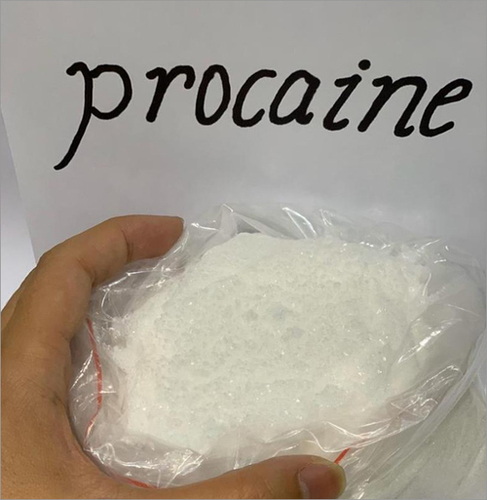
Procaine penicillin is an injectable antibiotic formulation that combines penicillin G (benzylpenicillin), a β-lactam bactericidal antibiotic, with procaine, a local anesthetic. The purpose of combining procaine with penicillin is to reduce the pain associated with intramuscular injections and to slow the release of penicillin, providing prolonged antibiotic action.
Penicillin G works by inhibiting the synthesis of bacterial cell walls. It binds to penicillin-binding proteins (PBPs) that are enzymes involved in the crosslinking of peptidoglycan, a critical component of the bacterial cell wall. By preventing this crosslinking, penicillin weakens the bacterial cell wall, making it osmotically unstable, leading to cell lysis and bacterial death.
Procaine prolongs penicillin's pharmacological effect by reducing its solubility and slowing absorption into the bloodstream, resulting in steady therapeutic levels for an extended period, generally 12 to 24 hours.
Pneumonia in goats typically results from infection by bacteria such as Pasteurella multocida, Mannheimia haemolytica, Mycoplasma species, and sometimes Haemophilus. The disease is highly common in kids due to their immature immune systems and is often exacerbated by environmental stressors such as poor ventilation, overcrowding, and sudden weather changes.
- Elevated respiratory rate and labored breathing
- Persistent coughing
- Nasal discharge that may be watery or mucopurulent
- Fever above 40.5°C
- Lethargy and reluctance to move
- Decreased appetite and weight loss
- Abnormal lung sounds detected through auscultation
These symptoms, if untreated, may progress to severe respiratory distress and even death.
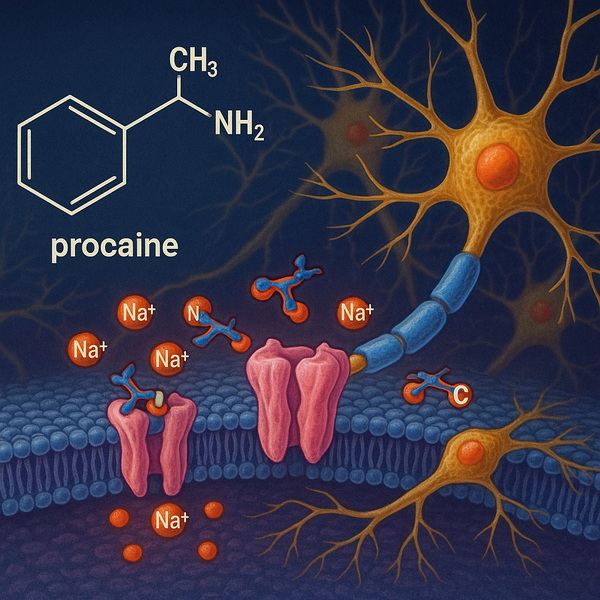
Procaine penicillin acts by releasing penicillin G slowly after intramuscular injection. Penicillin G exerts its antibacterial effect by binding to PBPs on bacteria, blocking the enzyme transpeptidase that crosslinks peptides in the cell wall. This inhibits proper cell wall synthesis causing structural weakness and ultimately bacterial cell lysis.
The gradual hydrolysis of procaine penicillin ensures prolonged therapeutic concentrations in the bloodstream, maintaining effective bacterial killing over 12 to 24 hours. This sustained presence is especially useful in treating infections caused by bacteria that are sensitive to penicillin, including many strains responsible for pneumonia in goats.
Because procaine penicillin achieves lower peak serum concentrations but maintains them for longer, it is typically dosed once daily. The slow release mechanism minimizes the need for frequent injections, reducing handling stress on the animal.
The usual dose for procaine penicillin treatment in goats is 20,000 to 40,000 IU per pound (44,000 to 88,000 IU per kilogram) of body weight, administered once daily by deep intramuscular injection. In practice, this often translates to approximately 1 mL per 10 kg of goat weight.
To minimize injection site reactions, the maximum volume per injection site should not exceed 5 mL, and injections should be rotated among different muscle groups such as the neck or thigh.
Treatment length typically spans 3 to 5 days, depending on the severity of the infection and clinical response. It is important to continue antibiotic administration for at least 24 to 48 hours after clinical signs have resolved to prevent relapse.
- Broad-spectrum bactericidal action: Effective against many gram-positive and some gram-negative bacteria, including common pathogens causing goat pneumonia.
- Prolonged action: Allows once-daily dosing, improving compliance and reducing animal handling stress.
- Pain reduction: Procaine reduces pain from injections compared to aqueous penicillin solutions.
- Economic efficiency: Widely available and relatively inexpensive compared to newer antibiotics.
- Veterinary approval: Recognized and recommended by veterinary regulatory authorities for bacterial infections in food-producing animals.
Despite its benefits, procaine penicillin has some limitations and precautions:
- Bacterial resistance: Some bacteria produce beta-lactamases that inactivate penicillin, rendering it ineffective against resistant strains.
- Allergic reactions: Hypersensitivity to penicillin can cause allergic reactions in goats, ranging from localized swelling to anaphylaxis, necessitating monitoring after administration.
- Not effective on all pathogens: Mycoplasma species and other atypical bacteria are generally resistant to penicillin and require alternative treatments.
- Contraindicated with bacteriostatic drugs: Concomitant use with tetracyclines or macrolides can reduce effectiveness due to antagonistic action.
- Withdrawal times: For meat and milk production, observing withdrawal periods is mandatory to avoid antibiotic residues.
- Injection site reactions: Large doses in one spot can cause swelling, pain, or abscess formation.
In some cases, veterinarians may recommend alternative or adjunctive antibiotics based on the causative agent and culture sensitivity testing. Common alternatives for respiratory infections in goats include:
- Oxytetracycline
- Tylosin
- Enrofloxacin
- Tulathromycin
Combination therapy using procaine penicillin with other antibiotics such as dihydrostreptomycin may enhance spectrum coverage and efficacy, especially in severe or mixed infections.
Furthermore, supportive care such as improving environmental conditions, ensuring hydration, and nutritional support greatly contributes to positive outcomes.
Procaine penicillin is a proven, effective, and widely used treatment for bacterial pneumonia in goats, particularly infections caused by penicillin-sensitive organisms like Pasteurella and Mannheimia species. Its unique formulation allows sustained antibacterial levels with reduced injection frequency, making it practical and cost-effective for farm use.
However, careful veterinary evaluation is necessary to rule out resistant infections and appropriate dosing must be followed strictly. Combining procaine penicillin therapy with improved husbandry practices and supportive care ensures the best recovery outcomes for affected goats.
For manufacturers, wholesalers, or brand owners seeking high-quality OEM production of procaine penicillin and other veterinary pharmaceuticals, supplybenzocaine.co.uk offers expert custom manufacturing and assured product reliability. Contact us to know more!
No, it is effective primarily against bacteria sensitive to penicillin, such as Pasteurella species. Some bacterial strains and atypical pathogens like Mycoplasma are resistant and require alternative antibiotics.
Clinical improvement typically begins within 2-3 days, with full recovery depending on infection severity. Treatment is usually continued for 3-5 days or 24-48 hours after symptoms subside.
Side effects can include allergic reactions, injection site pain or swelling, and very rarely anaphylaxis. Monitoring animals after injection is important for early detection of adverse reactions.
It should not be combined with bacteriostatic antibiotics (e.g., tetracyclines) as they may antagonize its bactericidal activity. Always consult a veterinarian before combining antibiotics.
Withdrawal periods vary. Generally, a minimum of 14 days for meat and 3 days for milk is recommended. Follow veterinary guidance and product labeling to ensure compliance.
[1](https://go.drugbank.com/drugs/DB09320)
[2](https://www.ema.europa.eu/en/documents/mrl-report/procaine-summary-report-committee-veterinary-medicinal-products_en.pdf)
[3](https://www.msdvetmanual.com/pharmacology/antibacterial-agents/penicillins-use-in-animals)
[4](https://www.merckvetmanual.com/pharmacology/antibacterial-agents/penicillins-use-in-animals)
[5](https://pmc.ncbi.nlm.nih.gov/articles/PMC6570677/)
[6](https://www.norbrook.com/media/k4snuf4j/ultrapen-la-product-insert.pdf)
[7](https://ec.europa.eu/health/documents/community-register/2023/20231211162134/anx_162134_en.pdf)
[8](https://www.sciencedirect.com/topics/pharmacology-toxicology-and-pharmaceutical-science/procaine-penicillin)
[9](https://www.fao.org/fileadmin/user_upload/vetdrug/docs/41-11-procaine_benzylpenicillin.pdf)
Hot tags: Procaine Penicillin Goats, Procaine Penicillin Pneumonia Treatment, Procaine Penicillin Veterinary Use, Procaine Penicillin Dosage Goats, Procaine Penicillin Goat Health, Procaine Penicillin for Livestock, Procaine Penicillin Animal Medicine, Procaine Penicillin Goat Care, Procaine Penicillin Effectiveness, Procaine Penicillin Goat Pneumonia