Content Menu
● What Is Procaine Penicillin?
● Does Procaine Penicillin Need Refrigeration?
● Why Is Refrigeration Important?
● How Should Procaine Penicillin Be Stored?
● Proper Administration of Procaine Penicillin
● Clinical Uses of Procaine Penicillin
● Potential Side Effects and Precautions
● Stability of Procaine Penicillin Under Various Conditions
● Environmental and Handling Considerations
● Frequently Asked Questions (FAQ)
>> 1. Does Procaine Penicillin lose effectiveness if not refrigerated?
>> 2. Can Procaine Penicillin be frozen?
>> 3. How long is Procaine Penicillin stable after opening or reconstitution?
>> 4. What are common allergic reactions to Procaine Penicillin?
>> 5. How should Procaine Penicillin be administered safely?
Procaine Penicillin, commonly known as Penicillin G Procaine, is a long-acting antibiotic often used for moderate bacterial infections. Understanding its proper storage is crucial to maintain its potency, efficacy, and safety. This article will explore in detail whether Procaine Penicillin requires refrigeration, the specifics of its storage conditions, administration, and other essential information for healthcare providers and pharmaceutical professionals.
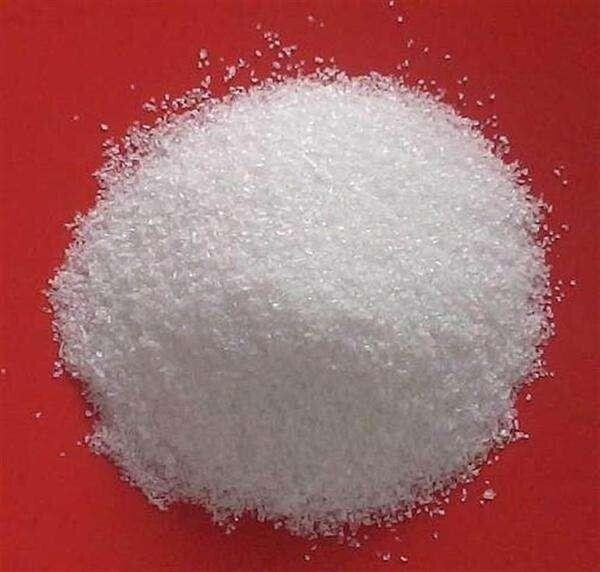
Procaine Penicillin is an injectable suspension combining penicillin G with procaine, a local anesthetic. The procaine component slows penicillin absorption, providing a longer-lasting antibiotic effect from a single dose. It is administered intramuscularly for treating infections such as streptococcal infections, syphilis, pneumonia, skin infections, and anthrax. The formulation allows better patient compliance with fewer injections over time.
Yes, Procaine Penicillin should be stored refrigerated at temperatures between 2°C and 8°C (36°F to 46°F) to maintain optimal stability and potency. Refrigeration slows the hydrolysis process that could degrade the antibiotic, ensuring the medication remains effective throughout its shelf life. While it is stable for about six months at room temperature when unopened, higher temperatures accelerate degradation, potentially reducing drug efficacy.
It is important to never freeze the medication, as freezing can harm the suspension and impair its therapeutic properties. For reconstituted or prepared injectable solutions, stability extends up to about 24 hours at room temperature but can increase to a week if refrigerated. These storage parameters are based on product manufacturer guidelines and pharmacological studies.
- Chemical Stability: Penicillin G Procaine degrades faster at higher temperatures due to hydrolysis. Refrigeration maintains its chemical integrity.
- Preservation of Potency: The antibiotic effect depends on the correct concentration; improper storage may lower available active drug and reduce clinical effectiveness.
- Safety Assurance: Proper storage minimizes physical changes like discoloration, cloudiness, or precipitation which may indicate contamination or degradation.
- Manufacturer Compliance: Pharmaceutical guidelines require refrigeration to meet regulatory and quality standards.
- Store the medication in the original packaging to protect it from light.
- Keep vials or syringes in a refrigerator at 2°C to 8°C.
- Ensure the medication is not frozen.
- Before administration, inspect for any discoloration, cloudiness, or particulate matter; do not use if such characteristics are present.
- Use prepared injectable solutions promptly or store them in the fridge and use within the recommended timeframes.
Procaine Penicillin is administered via deep intramuscular injection, typically in the upper outer quadrant of the buttock or ventrogluteal region to avoid nerve injury. Proper injection technique helps minimize risks such as accidental intravascular injection or local tissue damage. Due diligence in aseptic technique and anatomical site is essential for patient safety.
- Treatment of streptococcal infections, including tonsillitis and skin infections.
- Management of pneumococcal pneumonia.
- Therapy for early syphilis and other susceptible infections.
- Prophylaxis and treatment of anthrax.
- Other infections caused by penicillin-sensitive bacteria.
- Allergic reactions ranging from rash and itching to severe anaphylaxis.
- Injection site pain, swelling, or inflammation is common.
- Rare procaine-related toxicity symptoms include confusion or seizures.
- Antibiotic use may cause pseudomembranous colitis in some individuals.
- Testing for penicillin or procaine allergies is advised before administration.
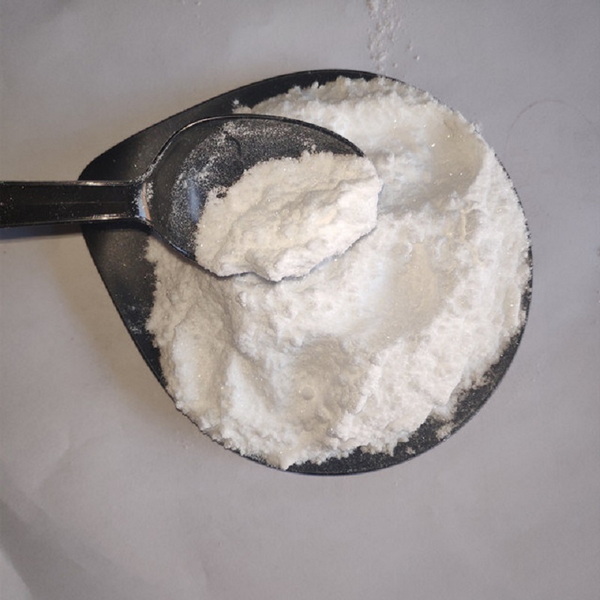
Studies and manufacturer literature indicate that:
- Unopened Procaine Penicillin powder or suspension maintains potency for up to 3 years if stored properly refrigerated.
- The drug is stable for up to 6 months at room temperature but potency declines faster with heat exposure.
- Reconstituted suspension remains stable for 12 hours at room temperature and up to 3 days under refrigeration.
- Diluted injectable solutions demonstrate stability from 1 day (room temperature) up to 1 week when refrigerated.
- Freezing of prepared solutions is not recommended and may cause turbidity or precipitation.
Procaine Penicillin requires storage in a well-ventilated, cool, and light-protected environment when refrigerated. Staff handling the drug should wear protective gloves and avoid exposure to vapors or dust. Proper disposal of unused drug and related waste per local regulations is mandatory to avoid environmental contamination.
Healthcare providers should inform patients about:
- The importance of following storage instructions strictly.
- Reporting any allergic symptoms immediately.
- The rationale behind intramuscular injections and possible site discomfort.
- The significance of completing the prescribed dosage even if symptoms improve.
Procaine Penicillin plays a critical role in moderate bacterial infection treatment due to its long-acting antibiotic effect. To ensure its maximum efficacy, it must be refrigerated between 2°C and 8°C (36°F to 46°F) and must not be frozen. Proper handling, storage, and administration techniques are essential to patient safety and treatment success. Manufacturers' recommendations and clinical studies underscore refrigeration as a best practice to maintain stability and potency.
For overseas pharmaceutical brands, wholesalers, and manufacturers seeking quality OEM supply of Procaine Penicillin or related biotechnological products, partnering with a trusted manufacturer guarantees compliance with strict quality standards and regulatory requirements. Contact us to explore reliable OEM services and elevate your product portfolio.
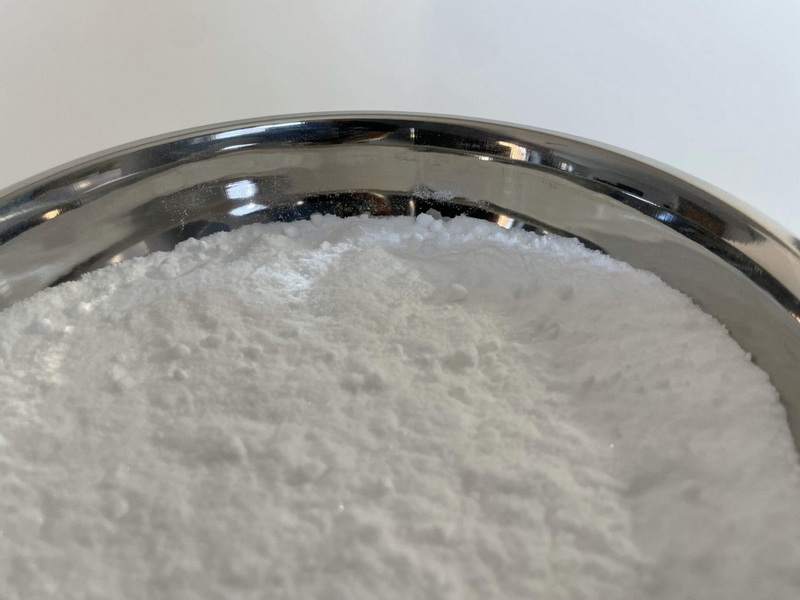
While Procaine Penicillin can remain stable for several months at room temperature unopened, its potency decreases more rapidly when exposed to heat. Refrigeration at 2°C to 8°C significantly extends stability and maintains drug effectiveness.
Freezing Procaine Penicillin is not advised as it can damage the suspension, making the product cloudy or precipitated and impeding its efficacy.
Reconstituted Procaine Penicillin should ideally be used within 12 hours if kept at room temperature or up to 3 days if refrigerated. Prepared injectable solutions retain stability for up to 1 week refrigerated but only about 1 day at room temperature.
Allergies vary from mild skin rashes and itching to severe anaphylaxis involving breathing difficulties, swelling, and hypotension. Immediate medical attention is needed for severe reactions.
It must be injected deeply into the muscle using aseptic technique, preferably in the upper outer buttock or ventrogluteal area to reduce nerve injury and ensure proper drug absorption.
[1](https://www.em-consulte.com/article/513841/drug-storage-and-stability)
[2](https://admin.greenbook.nafdac.gov.ng/uploadImage/smpc_files/2023/10/09/20231009305b132c-d84c-5db4-bb69-bebeb3f2f59d.pdf)
[3](https://www.norbrook.com/media/hqvjud0y/54362-ultrapen-la-procaine-penicillin.pdf)
[4](https://cdn.pfizer.com/pfizercom/products/material_safety_data/413.pdf)
[5](https://www.pfizermedical.com/bicillin-cr-900300/storage-handling)
[6](https://www.pfizermedical.com/bicillin-cr/storage-handling)
[7](https://dailymed.nlm.nih.gov/dailymed/fda/fdaDrugXsl.cfm?setid=4049a09f-422f-4220-99ef-8dd6b846945b&type=display)
[8](https://reference.medscape.com/drug/penicillin-g-procaine-999572)
[9](https://globalrph.com/dilution/penicillin-g/)
Hot tags: Procaine Penicillin Storage, Procaine Penicillin Refrigeration, Procaine Penicillin Handling, Procaine Penicillin Shelf Life, Procaine Penicillin Temperature, Procaine Penicillin Guidelines, Procaine Penicillin Storage Conditions, Procaine Penicillin Expiration, Procaine Penicillin Safety, Procaine Penicillin Usage Instructions