Content Menu
● Lidocaine HCl: Fundamental Chemistry and Structure
● The Dissociation Process: Aqueous Behavior of Lidocaine HCl
>> pH-Dependent Ionization and Clinical Relevance
● Advanced Kinetics and Pharmacodynamics
>> Protein Binding and Transport
>> Distribution, Metabolism, and Excretion
● Factors Influencing Lidocaine HCl Dissociation in Formulation
>> Solvent Characteristics and Buffer Systems
● Quality Control and Stability Testing in Modern Manufacturing
>> Forced Degradation and Analytical Methods
>> Regulatory Requirements and International Standards
● Innovations in Lidocaine HCl OEM Manufacturing
>> Process Optimization and Scalability
● Applications in Modern Healthcare
>> Local and Regional Anesthesia
>> Systemic and Speciality Uses
>> Topical and Non-parenteral Preparations
>> 1. How does Lidocaine HCl dissociate in a pharmaceutical product?
>> 2. Why is controlling pH and osmotic pressure important in injection solutions?
>> 3. What factors influence the stability of Lidocaine HCl formulations?
>> 4. How is product quality and purity maintained in large-scale OEM manufacturing?
>> 5. Can tailored Lidocaine HCl formulations be developed for international brands?
Lidocaine hydrochloride (Lidocaine HCl) is one of the most widely used anesthetic and antiarrhythmic agents in modern medicine, sought after for its rapid efficacy, safety, and versatile applications. The ability of Lidocaine HCl to dissociate in solution forms the molecular foundation for its pharmacological actions and practical usages, ranging from localized anesthesia to critical care interventions. For manufacturers and OEM suppliers, complete mastery over the dissociation process enables quality control, product innovation, and regulatory compliance at every level of pharmaceutical development.

Lidocaine HCl consists of the base molecule lidocaine, an amide-type anesthetic, combined with hydrochloric acid to form a water-soluble salt. The hydrochloride form exhibits enhanced solubility, stability, and bioavailability, making it ideal for formulation into vials, gels, creams, and injectable products for hospital and outpatient use.
Chemically, Lidocaine HCl appears as a white, crystalline powder that dissolves readily in water, producing a clear, colorless, and nearly neutral solution. The hydrochloride's main role is to provide easily dissociable ions on contact with aqueous environments, thus allowing for swift drug absorption and therapeutic effect.[1][2]
The degree to which Lidocaine HCl dissociates and the balance between its ionized and non-ionized forms are heavily influenced by the pH of its environment. Lidocaine has a pKa around 7.7, and at physiological pH (7.4), most of the drug exists in the ionized form. Only 25% remains non-ionized, which contributes to its ability to penetrate nerve membranes and initiate anesthesia efficiently. In more alkaline environments (higher pH), a greater proportion is non-ionized, potentially quickening tissue uptake. Conversely, acidic environments cause more lidocaine to exist in the ionized state, possibly slowing its onset of action in infected or inflamed tissues.[3][2]
Once absorbed, a significant fraction of lidocaine binds to plasma proteins such as alpha-1-acid glycoprotein (AAG). This binding depends on both the plasma protein concentration and lidocaine levels, which may fluctuate during disease states or after acute injury like myocardial infarction. As a result, the effective plasma concentration—and therefore the drug's action—can be modulated by these factors. The remaining unbound lidocaine crosses the blood-brain and placental barriers via passive diffusion, impacting both central nervous system and fetal tissues depending on clinical context.[2][3]
Lidocaine distributes rapidly to well-perfused tissues (liver, heart, brain, lungs) immediately after dissociation. The liver is the principal site of metabolism via oxidative N-dealkylation, yielding metabolites such as monoethylglycinexylidide and glycinexylidide, which exhibit lower pharmacological potency. These products, as well as a small fraction of unchanged lidocaine, are eventually excreted through the kidneys. The elimination half-life typically ranges from 1.5 to 2 hours in healthy individuals, but this can increase significantly in patients with compromised liver function, making dosage adjustments and careful monitoring essential in hepatic disease cases.[3][2]
Pharmaceutical preparations use distilled water as the primary solvent to guarantee rapid dissociation and high bioavailability. Incorporation of specific buffer systems stabilizes pH and ensures the optimal ratio of ionized to non-ionized drug forms, enhancing both efficacy and product shelf life. Addition of excipients may be tailored to slow or enhance dissociation for extended- or immediate-release formulations, supporting a range of therapeutic applications.[4][2]
The rate of dissociation is moderately affected by temperature: higher temperatures promote faster dissolution. However, both the raw material and finished pharmaceutical product are best stored at controlled room temperature or lower to prevent premature degradation, precipitation, or loss of potency. Rigorous stability testing—including forced degradation studies involving temperature extremes, light exposure, and oxidative stress—helps define the safe storage conditions and expiry dating of Lidocaine HCl-based products.[4]
Pharmaceutical manufacturers, especially those engaged in OEM business for international brands, prioritize comprehensive stability and quality control studies in every batch of Lidocaine HCl produced.
According to ICH guidelines, forced degradation studies subject Lidocaine HCl to acidic, basic, oxidative, photolytic, and thermal conditions to evaluate its intrinsic stability and identify potential degradation products. Techniques such as HPLC (High-Performance Liquid Chromatography), GC-FID (Gas Chromatography—Flame Ionization Detection), and NMR spectroscopy are used to analyze purity, detect degradation, and guide formulation improvements that extend shelf life.[4]
Meeting international pharmacopoeial standards (USP, EP, JP, ChP) demands that each lot of Lidocaine HCl undergo strict analytical review, including assay for content uniformity, related substances, sterility, and bacterial endotoxin levels. Proper labeling, packaging, and transport further help ensure product integrity throughout the global supply chain. These measures underpin the confidence of international clients and end-users in the reliability and safety of Chinese-manufactured pharmaceuticals.[5][2]

For injectable products, adjusting the osmolarity and pH of Lidocaine HCl injections to match physiological conditions (typically 285–310 mOsm/kg and a slightly acidic to neutral pH) enhances both safety and patient comfort. Innovations in compounding methods minimize the risk of adverse reactions and maximize compatibility with a variety of vasoconstrictor or buffering agents.[5]
State-of-the-art equipment and cleanroom environments allow for high-volume, contamination-free filling and sealing of Lidocaine HCl solutions. Automated inspection, rigorous sterilization (e.g., autoclaving at 116°C for 30 minutes), and advanced packaging systems ensure every vial or syringe meets both domestic and international certification requirements. This process reliability is essential for scalable, consistent supply—especially for global brand partners and medical distributors.[5]
Lidocaine HCl remains the agent of choice for dentists, surgeons, and emergency physicians seeking fast-onset, medium-duration anesthesia in both minor and major medical procedures. The drug's rapid and predictable action is directly attributable to its efficient dissociation in aqueous environments.[6][1][2]
In cardiology, intravenous Lidocaine HCl is used to manage acute ventricular arrhythmias, especially in critical care situations such as myocardial infarction or during cardiac surgery. The medication is also becoming increasingly important for perioperative analgesia, contributing to opioid-reduction strategies and multi-modal pain management regimens.[7]
Gels, creams, and sprays leveraging Lidocaine HCl dissociation are used for pain relief, treatment of pruritus, and minor dermatological procedures. Properly formulated, they offer controlled, rapid onset without systemic side effects, while maintaining a broad safety profile for home and hospital use.[2]
The dissociation of Lidocaine HCl is foundational to its remarkable clinical performance as an anesthetic and antiarrhythmic agent. Mastery of the chemical, physical, and manufacturing nuances of this process empowers pharmaceutical producers—especially OEM partners in China—to deliver consistent, safe, and effective products to international markets. Through rigorous quality control, innovative formulation, and a commitment to regulatory excellence, leading manufacturers ensure that Lidocaine HCl-based solutions continue to set industry standards for efficacy and reliability. For brands, medical organizations, and distributors seeking a trustworthy OEM supplier, engaging with expertly engineered Lidocaine HCl can be the key to product success. Contact us now to discuss customized, high-quality solutions tailored to your unique market needs.
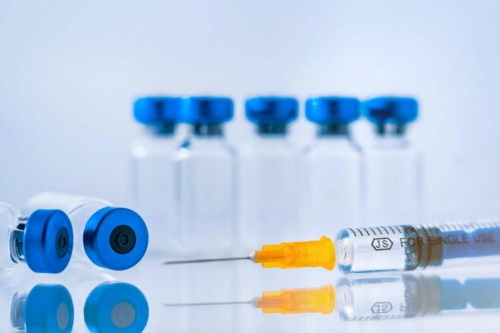
Lidocaine HCl dissociates instantly upon contact with water, forming lidocaine cations and chloride anions. This dissociation is critical for fast absorption and effective therapeutic action.[3][2]
Proper adjustment ensures clinical safety, optimizes drug efficacy, and prevents risks such as tissue irritation, discomfort, and poor product compatibility.[2][5]
Stability depends on temperature, pH, solvent type, container materials, and the presence of additives like vasoconstrictors or antioxidants. Rigorous, ICH-compliant stability testing identifies optimal storage and handling conditions.[4][2]
Advanced analytical methods, international pharmacopoeial standards, automated production, and stringent QC procedures ensure every batch meets specification and safety requirements.[5][2][4]
Yes, modern Chinese OEMs possess the technical expertise and regulatory understanding to deliver custom Lidocaine HCl products—adjusting formulation, concentration, packaging, and documentation to client specifications.[2][5]
[1](https://go.drugbank.com/drugs/DB00281)
[2](https://labeling.pfizer.com/ShowLabeling.aspx?id=14311)
[3](https://www.chemicalbook.com/article/lidocaine-hydrochloride-mechanism-of-action-pharmacokinetics-and-activities.htm)
[4](https://pmc.ncbi.nlm.nih.gov/articles/PMC3920691/)
[5](https://patents.google.com/patent/CN105663035A/en)
[6](https://www.ncbi.nlm.nih.gov/books/NBK539881/)
[7](https://pmc.ncbi.nlm.nih.gov/articles/PMC10744742/)
[8](https://www.accessdata.fda.gov/drugsatfda_docs/label/2018/008816s039lbl.pdf)
[9](https://pubmed.ncbi.nlm.nih.gov/23979418/)
[10](https://www.sciencedirect.com/topics/chemistry/lidocaine-hydrochloride)
[11](https://www.pfizermedical.com/lidocaine-hydrochloride/clinical-pharmacology)
[12](https://www.sciencedirect.com/science/article/pii/S1319016421001341)
[13](https://pubmed.ncbi.nlm.nih.gov/34588852/)
[14](https://www.pccarx.com/Blog/lidocaine-vs-lidocaine-hci3)
[15](https://ijpc.com/Abstracts/Abstract.cfm?ABS=1459)
[16](https://www.cerritos.edu/chemistry/chem_212/Documents/Lab/10_lidocaine.pdf)
[17](https://www.semanticscholar.org/paper/Stability-of-Lidocaine-in-Aqueous-Solution:-Effect-Powell/001e9d6d89a4f3c4caaaf123f5f7422a669e24fe)
[18](https://www.pccarx.com/Blog/2-tips-for-compounding-with-lidocaine-and-lidocaine-hcl)
[19](https://ejhp.bmj.com/content/27/e1/e79)
[20](https://patents.google.com/patent/CN113244167B/en)
Hot tags: Lidocaine HCL Dissociation, Lidocaine Mechanism of Action, pKa of Lidocaine, Local Anesthetic Properties, Ionization of Lidocaine, Lidocaine Hydrochloride Solubility, Pharmacokinetics of Lidocaine, Lidocaine Clinical Uses, Sodium Channel Blockade, Lidocaine Metabolism