Content Menu
● What Is Lidocaine HCL Jelly?
● Why Is Lidocaine Jelly Used in Rectal Cancer?
● Essential Safety Precautions
● How to Apply Lidocaine HCL Jelly for Rectal Cancer
>> 3. Prepare the Applicator or Dose
● Expanding Lidocaine HCL Jelly's Therapeutic Role
● Patient Experience and Practical Tips
● Summary
● FAQ
>> 1. What conditions can Lidocaine HCL Jelly treat in rectal cancer?
>> 2. How do I apply Lidocaine HCL Jelly correctly?
>> 3. Can Lidocaine HCL Jelly interact with other medications?
>> 4. What side effects might occur?
>> 5. Does Lidocaine HCL Jelly have any anti-cancer properties?
Rectal cancer presents patients and caregivers with multifaceted challenges, not only due to tumor growth but also the side effects and pain produced by the condition itself and its treatments. Amid many pain management solutions, Lidocaine HCL Jelly is recognized for its efficacy as a local anesthetic in palliative care and clinical procedures. This comprehensive guide details the use, mechanism, and potential wider benefits of Lidocaine HCL Jelly in the management of rectal cancer pain, while providing step-by-step instructions and clinical context for its safe application.[1][2][3]
Lidocaine hydrochloride jelly is a topical anesthetic gel that works by blocking the transmission of nerve signals from the area of pain, providing immediate localized relief. It is widely prescribed to numb the mucous membranes lining the rectum and anus, helping to reduce discomfort arising from tumors, lesions, and medical interventions. Not only does it possess pain-relieving properties, but research also suggests it may contribute to anti-inflammatory and even direct anti-tumor effects within the colorectal region.[2][3]
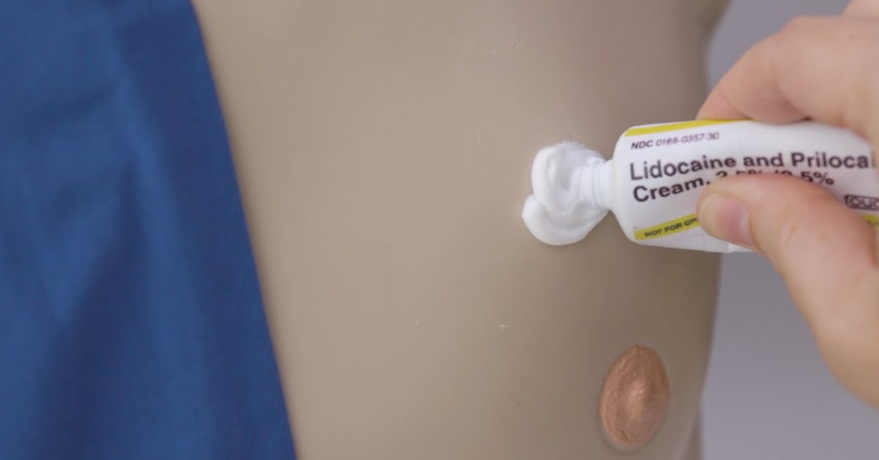
Patients battling rectal cancer may experience:
- Persistent pain from local tissue invasion or ulceration
- Acute irritation and discomfort during bowel movements
- Pain associated with medical interventions, including biopsies, radiation, or device placement
- Complications such as tenesmus, burning, or itching that decrease quality of life
Lidocaine HCL Jelly can reduce these symptoms rapidly, improving tolerance for essential treatments and aiding in daily comfort. Recent research reviews have highlighted lidocaine's novel anticancer effects, such as:
- Inhibiting tumor cell proliferation and migration
- Enhancing the capacity of chemotherapy agents to kill drug-resistant colon cancer cells
- Modulating inflammatory markers significant in cancer progression (for example, IL-8).[3][4][2]
While Lidocaine HCL Jelly offers powerful benefits, its use in vulnerable populations demands caution:
- Always consult medical professionals before use, particularly when other medications or comorbid conditions exist
- Do not use if allergic to amide-type local anesthetics
- Avoid broken, ulcerated, or highly inflamed tissue unless directed by a physician
- Exercise care with patients who have severe liver disease, as metabolism of lidocaine may be altered, increasing risk for adverse effects[5][6]
Possible adverse reactions include local burning, irritation, or systemic toxicity, especially if excessive amounts are used or if absorption is unusually high.
Prepare Lidocaine HCL Jelly tube or applicator, gloves, tissues, and a mirror as needed.
Hand hygiene is essential—wash with soap and water, then dry completely to minimize infection risk.
Uncap the jelly tube. Attach the applicator if provided and check the prescription label for the exact amount recommended.
If using a finger:
- Wear a medical glove
- Squeeze the prescribed dose (often pea- to marble-sized) onto the fingertip
- Gently insert the finger just inside the rectum, spreading the jelly along the wall without force
If using an applicator:
- Load the prescribed quantity of jelly (generally 3–5 mL, but confirm) into a sterile applicator
- Insert the applicator gently into the rectum
- Dispense the jelly gradually by depressing the applicator plunger
- Remove and either discard or clean the applicator per manufacturer instructions
- Remove glove and wash hands thoroughly
- Wait for effect: numbness typically develops in 5–10 minutes and lasts up to 30 minutes
- Avoid eating/drinking until sensation returns if accidental oral contact occurs
Patients should avoid excessive use, monitor for allergic reactions (redness, swelling, rash, or systemic symptoms), and never exceed prescribed dosages. If irritation or new symptoms occur, they should promptly seek medical care.[7][5]

Clinical studies have recently recognized extended indications for Lidocaine in cancer care. Lidocaine is not only a symptomatic analgesic but researchers now recognize its role:
- As an adjunct in treating neuropathic cancer pain through subcutaneous or intravenous infusions, especially for refractory cases[8][9][10]
- Reducing postoperative pain and fatigue syndromes (POFS) following colorectal surgery, thereby improving recovery time and reducing inflammatory marker levels[4][11]
- Sensitizing tumor cells to chemotherapy, which could enhance the effectiveness of conventional treatments[12][2]
Lidocaine's anti-inflammatory, immune-modulatory, and even antihyperalgesic properties make it a valuable addition to multimodal pain therapy plans.[3]
For patients managing rectal cancer pain:
- Discuss topical pain control options with the oncology team—lidocaine may reduce the need for systemic painkillers, lowering side effect risk
- Schedule application times before bowel movements or procedures to maximize pain relief
- Track symptom changes and side effects to ensure ongoing safety and efficacy
Advanced pain clinics and palliative care programs often provide specific routines, training, and support for topical anesthetic use in cancer pain management.[11][10]
Lidocaine HCL Jelly is a proven, flexible, and effective solution for managing pain and discomfort in rectal cancer patients. Through appropriate use, guided by healthcare providers, it may provide fast and targeted relief from pain, burning, itching, and discomfort, with growing evidence suggesting broader benefits in cancer therapy—modulating inflammation, enhancing chemotherapy, and supporting recovery.
For international buyers, OEM partners, or hospital networks seeking reliable Lidocaine HCL Jelly supply, our factory has the expertise to provide bulk solutions, custom formulations, and technical support tailored to diverse medical needs. Contact us today for details and partnership opportunities.

It is used to numb pain and irritation from tumor growth, ulceration, interventions, hemorrhoids, and related anorectal conditions.[5][3]
Clean hands, use the prescribed dose and applicator or gloved finger, apply gently to the rectal wall, and monitor for numbness (usually starts within 5–10 minutes).[7][5]
Yes, especially with other heart/liver drugs, anesthetics, and chemotherapy. Consult your medical team before use if you take such agents.[6][2]
Local irritation, rash, burning, or (rarely) systemic toxicity. Seek help immediately if serious symptoms appear.[5][7]
Recent studies suggest lidocaine may help inhibit tumor growth, reduce inflammation, and sensitize tumor cells to chemotherapy drugs, offering promise beyond its anesthetic role.[2][4][3]
[1](https://pmc.ncbi.nlm.nih.gov/articles/PMC8264592/)
[2](https://pmc.ncbi.nlm.nih.gov/articles/PMC12182729/)
[3](https://www.frontiersin.org/journals/cell-and-developmental-biology/articles/10.3389/fcell.2020.00565/full)
[4](https://www.nature.com/articles/s41598-025-01892-5)
[5](https://www.medicinenet.com/lidocaine_rectal/article.htm)
[6](https://www.mskcc.org/cancer-care/patient-education/medications/adult/lidocaine-topical)
[7](https://my.clevelandclinic.org/health/drugs/18196-lidocaine-hydrocortisone-rectal-cream-or-gel)
[8](https://bmjopen.bmj.com/content/13/2/e066125)
[9](https://www.sciencedirect.com/science/article/pii/S0885392425006621)
[10](https://geripal.org/advanced-pain-management-in-cancer-janet-abrahm/)
[11](https://www.mskcc.org/cancer-care/diagnosis-treatment/symptom-management/pain-management/treating-pain)
[12](https://www.targetedonc.com/view/lidocaine-may-be-a-valuable-new-tool-for-cancer-treatment)
[13](https://www.oncolink.org/cancer-treatment/oncolink-rx/lidocaine-hcl-solution-2-xylocaine-R-viscous)
[14](https://www.webmd.com/drugs/2/drug-74964/lidocaine-hydrocortisone-rectal/details)
[15](https://www.mskcc.org/cancer-care/patient-education/medications/adult/lidocaine-topical?msk_tools_print=pdf)
[16](https://www.youtube.com/watch?v=3GcK4NEBZX0)
[17](https://www.mayoclinic.org/drugs-supplements/lidocaine-topical-application-route/description/drg-20072776)
[18](https://www.liebertpub.com/doi/full/10.1089/jpm.2019.0139?doi=10.1089%2Fjpm.2019.0139)
[19](https://www.droracle.ai/articles/168095/h434-a-manner-consuelo-mendoza-new-admit-2-weeks-rectal-bleeding-w-new-onset-cp-hx-colorectal-cx-cur-radiation-therapy-htn-dld-dm-pt-reporting-pain-910-in-rectal-area-as-well-as-pain-in-mouth-due-to-canker-sores-no-prn-available-vss-can-we-have-anything-for-pain-as-well-as-maybe-magic-mouthwash-for-canker-sores)
Hot tags: Lidocaine HCL Jelly Application, Rectal Cancer Pain Relief, How to Use Lidocaine Jelly, Lidocaine for Rectal Procedures, Topical Anesthetic for Cancer, Rectal Cancer Treatment Options, Lidocaine Dosage for Rectal Use, Side Effects of Lidocaine Jelly, Local Anesthesia for Rectal Cancer, Lidocaine Hydrochloride Instructions