Content Menu
● Introduction to Lidocaine HCL
● Step 1: Synthesis of 2,6-Dimethylphenyl Acetamide Intermediate
● Step 2: Nucleophilic Substitution with Diethylamine to Form Lidocaine Base
● Step 3: Formation of Lidocaine Hydrochloride Salt
● Step 4: Purification Through Recrystallization
● Step 5: Drying, Milling, and Quality Control
● Safety and Environmental Considerations in Manufacturing
● Industrial Scale Considerations
● Application and Market Demand
● FAQ
>> 1. What are the raw materials used to synthesize Lidocaine HCL?
>> 2. Which solvents are typically employed during the synthesis?
>> 3. How is purity maintained in the final Lidocaine HCL product?
>> 4. What safety measures are necessary during Lidocaine HCL production?
>> 5. Can OEM factories customize Lidocaine HCL production according to client specifications?
Lidocaine hydrochloride (Lidocaine HCL) is a cornerstone compound in modern medicine, widely used as a local anesthetic and antiarrhythmic agent. The compound's water-soluble hydrochloride salt form enhances its stability and bioavailability, making it essential for various topical and injectable pharmaceutical products. As a Chinese biotechnology, pharmaceutical, and medical device OEM factory specializing in research, production, and sales, a deep understanding of the lidocaine HCL manufacturing process is vital for delivering high-quality, reliable OEM services to international brands, wholesalers, and producers.
This article details the meticulous synthesis and manufacturing steps of Lidocaine HCL, focuses on safety and quality control measures, and highlights the industrial processes crucial for pharmaceutical-grade production. Insights into chemical reactions, purification, and formulation considerations are enriched with references to lab-scale video demonstrations, improving comprehension for professionals in drug synthesis and OEM operations.
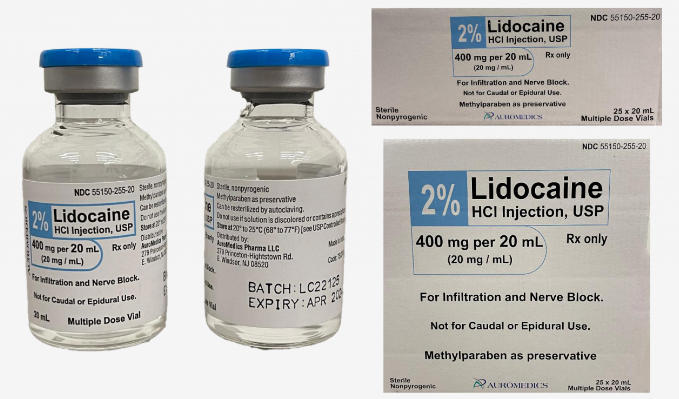
Lidocaine HCL is chemically known as 2-(diethylamino)-N-(2,6-dimethylphenyl)acetamide hydrochloride. The hydrochloride salt significantly improves lidocaine's solubility in water, facilitating formulation versatility. As a local anesthetic, it is widely employed in dental procedures, minor surgeries, and topical pain relief, while also serving an important role in managing cardiac arrhythmias.
The synthesis of lidocaine involves a sequence of controlled organic chemical transformations, beginning with simple aromatic amines and culminating in a high-purity crystalline hydrochloride salt. For manufacturers, mastering each phase of this process ensures the production of lidocaine that meets stringent pharmaceutical standards and international regulatory requirements.
The synthesis initiates with an acylation reaction involving the aromatic amine 2,6-dimethylaniline and chloroacetyl chloride. This reaction typically occurs in acetic acid solvent, where sodium acetate serves as a buffer and catalyst. The amino group of 2,6-dimethylaniline performs a nucleophilic attack on the chloroacetyl chloride, producing 2-chloro-N-(2,6-dimethylphenyl)acetamide.
This is a critical exothermic reaction requiring strict control of temperature, often maintained between 10°C to 25°C to avoid side reactions and ensure high yield. The pH and reaction time are continuously monitored as these factors influence the purity and completeness of the acylation. The product of this phase is an essential intermediate for subsequent substitution.
In the second step, the intermediate undergoes nucleophilic substitution where diethylamine replaces the chlorine atom. This reaction proceeds under reflux conditions in an organic solvent such as toluene. The reflux apparatus ensures that the solvent vapors condense and return to the reaction vessel, allowing the reaction to sustain heat without solvent loss, typically lasting from 45 minutes to two hours depending on batch scale.
Careful stirring promotes uniform heat distribution and facilitates efficient reaction kinetics. Upon completion, the lidocaine base forms as a viscous organic phase, which is extracted and isolated for conversion to its hydrochloride salt.
To enhance its pharmaceutical properties, the lidocaine base is converted into its hydrochloride salt by treating it with hydrochloric acid. This acid-base reaction yields solid lidocaine hydrochloride, which precipitates out of the solution. The precipitation is typically controlled by slow addition of HCl under stirring to ensure uniform particle size and crystallinity, critical factors for solubility and bioavailability.
The solid is then separated by filtration or centrifugation, washed to remove residual impurities, and prepared for purification.
Pharmaceutical-grade lidocaine HCL requires extensive purification to remove unreacted reagents, by-products, and potential contaminants. Recrystallization is the primary method employed, involving dissolving the crude lidocaine HCL in hot solvents such as ethanol or a mixture of ethanol and hexane, followed by slow cooling.
This cooling encourages the formation of pure, highly crystalline lidocaine HCL particles, which are recovered by vacuum filtration. Additional washing with cold solvent removes surface impurities. Multiple recrystallization cycles may be performed to reach and surpass 99% purity, critical for drug safety and efficacy.
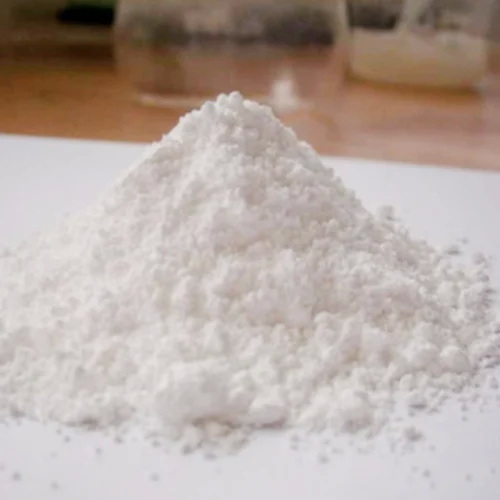
The purified lidocaine HCL crystals are subsequently dried under carefully controlled conditions — typically under vacuum or in desiccated ovens at specific temperatures to prevent degradation. The dried product is then milled to a fine powder to achieve a uniform particle size suitable for diverse pharmaceutical formulations including injectables, gels, and creams.
Quality control plays a pivotal role throughout the entire manufacturing process. Comprehensive testing includes:
- Melting Point Determination: Confirms compound identity and purity.
- NMR (Nuclear Magnetic Resonance) and IR (Infrared Spectroscopy): Verify chemical structure.
- HPLC (High Performance Liquid Chromatography) or GC (Gas Chromatography): Quantify purity and detect trace impurities.
- Microbial Testing: Ensures product sterility and safety for medical use.
Only after passing all these stringent tests is lidocaine HCL released for packaging under aseptic conditions and prepared for distribution.
The production of lidocaine HCL involves handling hazardous chemicals such as chloroacetyl chloride, diethylamine, and hydrochloric acid, each with significant toxicity and corrosiveness. Safety protocols are mandatory in production facilities, requiring:
- Use of properly ventilated fume hoods and high-efficiency particulate air (HEPA) filtration systems.
- Protective gear including gloves, masks, and safety glasses for operators.
- Continuous monitoring of air quality and reagent handling processes.
- Proper waste management systems including neutralization of acidic waste and solvent recovery.
- Compliance with local environmental and safety regulations to minimize ecological impact.
Implementing these practices not only safeguards workers but also ensures sustainability and regulatory compliance.
Scaling lidocaine HCL synthesis from laboratory to industrial production involves optimized reactor design, process automation, and rigorous batch documentation. Key industrial challenges include:
- Achieving consistent reaction yields and product quality across large volumes.
- Controlling reaction kinetics and temperature profiles using advanced sensors.
- Integrating purification systems capable of continuous recrystallization.
- Implementing real-time quality monitoring tools for process analytical technology (PAT).
An expertise-rich OEM partner can customize processes and scale operations efficiently while maintaining compliance with International Council for Harmonisation (ICH) guidelines.
Lidocaine HCL's global demand continues to rise driven by expanding medical and dental procedures, increased cardiac care awareness, and growth in topical anesthetic markets. OEM manufacturers offering tailored formulations enjoy a competitive edge by providing:
- High-purity lidocaine for injectable vials, topical gels, and sprays.
- Custom pharmaceutical blends for specific market requirements.
- Regulatory support and documentation to facilitate global distribution.
Collaborating with established Chinese OEM factories equipped with advanced synthesis platforms can optimize cost, quality, and supply reliability.
The manufacturing of Lidocaine HCL is a complex, multi-step chemical process requiring precision, safety, and strict quality control. From the acylation of 2,6-dimethylaniline to the crystallization of pharmaceutical-grade hydrochloride salt, each stage requires expertise and advanced equipment to yield a product meeting international pharmaceutical standards.
As an OEM manufacturer, mastering these processes allows offering superior lidocaine HCL products to overseas brands and distributors. Partnering with a trusted factory ensures efficient customization, compliance, and consistent supply, opening doors to global pharmaceutical markets.
Contact us today to discuss your OEM needs for Lidocaine HCL and discover tailored solutions that elevate your product quality and market competitiveness.
The synthesis starts with 2,6-dimethylaniline and chloroacetyl chloride to form the key intermediate, followed by reaction with diethylamine to produce lidocaine base before converting to hydrochloride salt.
Acetic acid is used during the acylation step, and toluene is commonly utilized for the reflux step in which nucleophilic substitution occurs.
Purification is achieved through recrystallization of the crude hydrochloride salt, combined with rigorous analytical testing such as NMR, IR spectroscopy, HPLC, and melting point determination.
Operation in well-ventilated fume hoods, use of personal protective equipment, proper chemical handling protocols, and environmentally responsible waste management are critical for safe manufacturing.
Yes, capable OEM manufacturers can tailor synthesis parameters, product purity, physical form, and packaging to fit specific requirements of domestic and international pharmaceutical brands.
Hot tags: Lidocaine HCL Production, Lidocaine Synthesis Process, How Lidocaine Is Made, Lidocaine Manufacturing Steps, Lidocaine Chemical Composition, Lidocaine HCL Formulation, Lidocaine HCL Synthesis Method, Lidocaine HCL Ingredients, Lidocaine HCL Extraction, Lidocaine HCL Chemical Reactions