Content Menu
● How Does Lidocaine HCL Work?
● Typical Duration of Lidocaine HCL's Effectiveness
● Factors Influencing How Long Lidocaine HCL Lasts
● Common Clinical and Therapeutic Uses of Lidocaine HCL
● Safety, Side Effects, and Precautions
● Tips for Safe Use of Lidocaine Patches and Topicals
● FAQ
>> 1. How quickly does Lidocaine HCL numb the area?
>> 2. What factors can shorten or prolong Lidocaine's numbing effect?
>> 3. Are there common side effects of Lidocaine HCL?
>> 4. Can Lidocaine HCL be used safely in children?
>> 5. How should Lidocaine patches be used to ensure safety?
Lidocaine hydrochloride (Lidocaine HCl) is a widely used local anesthetic renowned for its ability to provide rapid, effective, and temporary numbing of targeted areas. This property makes it invaluable in the biotechnology, pharmaceutical health, and medical device fields, where pain control during minor surgical or diagnostic procedures is critical. Understanding how long Lidocaine HCl takes to wear off is essential for patients, healthcare providers, and anyone involved in the production or use of this drug, ensuring proper timing for procedures, safe dosage, and effective post-treatment care.
This article delves into the various facets of Lidocaine HCL, exploring its duration of effectiveness, usage methods, influencing factors, common applications, potential side effects, and safety precautions. By the end, the article also provides a FAQ section addressing common questions along with a conclusive appeal for OEM service inquiries tailored for international biotech and pharmaceutical clients.
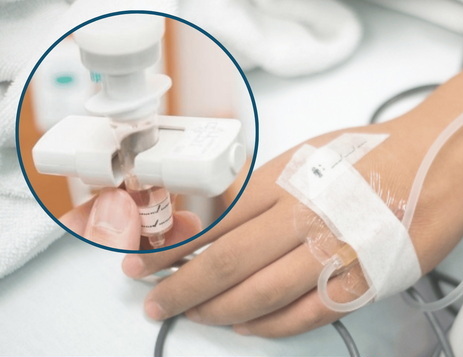
Lidocaine HCL is a synthetic local anesthetic that functions by interrupting nerve signal transmission, effectively preventing the sensation of pain at the site of application or injection. Unlike general anesthesia, which induces unconsciousness, Lidocaine's local effect allows a person to remain fully awake while the treated body part is numbed. This makes it ideal for minor surgeries, dental treatments, or investigative procedures where pain relief is necessary but full sedation is unwarranted.
Pharmaceutical formulations of Lidocaine HCL are produced in various forms, each tailored to specific clinical needs:
- Injectable solutions: Administered before or during procedures to numb deeper tissues or localized areas.
- Topical applications: Creams, gels, ointments, or sprays applied on the skin or mucous membranes for surface numbing.
- Transdermal patches: Designed for prolonged slow release to relieve chronic nerve pain or post-surgical discomfort.
These diverse application methods extend the versatility and accessibility of Lidocaine across multiple medical and cosmetic sectors.
At the cellular level, Lidocaine works by blocking voltage-gated sodium channels on nerve membranes. Nerves depend on these channels to generate and conduct electrical impulses that transmit pain signals from the affected area to the brain. By inhibiting sodium influx, Lidocaine prevents the initiation and propagation of nerve impulses, effectively stopping the brain from receiving pain sensations.
This mechanism explains the rapid onset of numbness—often within minutes—and its potency in providing localized pain relief without affecting overall consciousness or motor functions.
The length of time for which Lidocaine HCL remains effective varies significantly depending on the administration form, dosage, and individual physiological factors. Below is a detailed overview based on clinical data and pharmaceutical references:
- Injectable Lidocaine: When injected, numbness generally begins within a few minutes and typically persists for 1.5 to 2 hours. This duration makes injectable Lidocaine ideal for short surgical or dental procedures.
- Topical Creams and Gels: These begin acting within 3 to 5 minutes after application, with effects lasting around 1.5 to 2 hours. These forms are frequently used for minor skin irritations, insect bites, or surface-level treatments.
- Transdermal Patches: Skin patches containing Lidocaine deliver the drug slowly over an extended period, with onset occurring between 30 to 60 minutes and sustained numbing lasting up to 12 hours. They are particularly effective for chronic nerve pain conditions such as postherpetic neuralgia.
- Sprays and Solutions: Depending on concentration, topical sprays and solutions typically start working within minutes, lasting roughly 1 to 2 hours.
This variability highlights the importance of selecting the appropriate Lidocaine formulation based on the procedure's nature, desired duration, and patient condition.
Several factors impact the effective duration of Lidocaine in the body, which can vary from person to person or even from one treatment to another:
- Application Site Blood Flow: Areas with richer blood circulation tend to absorb Lidocaine faster, leading to quicker wear-off times. For example, the face or scalp may experience shorter durations compared to extremities.
- Dose and Concentration: Higher doses or more concentrated formulations generally prolong numbness but at the risk of increased side effects.
- Patient's Metabolism and Health: Underlying medical conditions, especially those involving liver or heart function (which help metabolize and clear Lidocaine), can affect processing speed and drug clearance.
- Drug Interactions: Concurrent use of medications that alter liver enzyme activity can either enhance or reduce Lidocaine metabolism.
- Temperature and External Heat: Heat exposure can increase skin absorption rates of topical Lidocaine, which may amplify both its effects and risks.
Each of these factors must be meticulously considered in clinical settings to optimize pain control while ensuring patient safety.
Lidocaine HCL's versatility allows it to be applied effectively across numerous medical and therapeutic scenarios:
- Dental Procedures: Including tooth extractions, fillings, and root canals, where local anesthesia is critical for pain-free treatment.
- Minor Surgical Interventions: Such as biopsies, suturing small wounds, or mole removals.
- Chronic Pain Management: Especially neuropathic pain syndromes via Lidocaine patches, which provide targeted relief over extended durations.
- Diagnostic Procedures: To numb mucous membranes or sensitive areas, such as during cystoscopy or endoscopy.
- Relief of Skin Irritations: Including burns, insect bites, or allergic reactions via topical creams.
- Urological Applications: Helpers in catheterizations or urethral procedures to minimize discomfort.
These applications reflect Lidocaine's broad medical relevance and status as a cornerstone local anesthetic.

Lidocaine HCL is generally safe when used as directed. However, improper use or overdose can lead to adverse reactions, some of which might be severe:
- Common Mild Side Effects:
- Skin redness, itching, or rash at the application site.
- Temporary burning or stinging sensations.
- Serious Side Effects (Require Immediate Medical Attention):
- Allergic reactions including swelling of the face or throat, difficulty breathing.
- Central nervous system toxicity symptoms like dizziness, confusion, seizures, or loss of consciousness.
- Cardiovascular issues such as irregular heartbeat or drop in blood pressure.
To minimize these risks, adhere to recommended dosages, avoid applying to broken skin unless directed by a healthcare professional, and avoid combining with other drugs without medical advice. In pediatric or elderly patients, caution is paramount due to altered metabolism and sensitivity.
- Always apply Lidocaine patches or creams to clean, dry skin.
- Avoid simultaneous use of heating pads or other heat sources over the treated area to prevent excessive absorption.
- Do not exceed recommended wearing duration for patches (usually up to 12 hours).
- Properly dispose of used patches by folding and sealing to prevent accidental exposure, especially to children or pets.
- Consult healthcare professionals if symptoms of overdose or allergic reactions occur.
By following these guidelines, users can maximize therapeutic benefits while minimizing risks.
Lidocaine HCL stands as a powerful and versatile local anesthetic utilized globally in diverse medical settings — from dentistry to chronic pain management. Its numbing effects typically last between 1.5 to 2 hours for injections and topical creams, extending up to 12 hours with transdermal patches. The duration is influenced by several factors including application site, dose, patient health, and external conditions such as heat exposure.
At SupplyBenzocaine.co.uk, we specialize in the OEM production and supply of Lidocaine HCL formulations and related medical devices, catering to biotech, pharmaceutical, and healthcare brands internationally. Our commitment to quality, compliance with global standards, and custom manufacturing solutions ensures your products meet market demands efficiently and safely.
Contact us today to discuss your OEM needs and partner with a reliable supplier enhancing your product portfolio in the competitive healthcare industry.

Lidocaine typically starts working within minutes after injection or topical application, providing rapid onset of anesthesia.
Durations vary depending on the dose, application site, patient health, blood flow, and external factors such as heat.
Mild skin irritation is common, but serious side effects like allergic reactions or CNS toxicity are rare and require immediate medical attention.
It should be used with caution in children under the age of 3 and always under medical supervision due to variable metabolism and sensitivity.
Apply to clean, dry skin, avoid heat exposure, do not exceed prescribed wear time, and dispose of patches properly to avoid accidental contact.
Hot tags: Lidocaine Duration, Lidocaine Wear Off Time, Lidocaine HCL Effects, Local Anesthetic Duration, Lidocaine Half-Life, Lidocaine Injection Time, Lidocaine Numbing Duration, Lidocaine Side Effects, Lidocaine Recovery Time, Lidocaine Anesthesia Duration