Content Menu
● Duration of Procaine: How Long Does It Last?
● Factors Affecting Procaine Duration in Detail
● Clinical Uses and Applications
● Comparison: Procaine vs. Other Local Anesthetics
● Side Effects and Safety Considerations
● Practical Guidelines for Safe Use
● How Procaine Works — Visualizing the Mechanism
● FAQ
>> 1. How quickly does procaine take effect?
>> 2. How is procaine metabolized and eliminated from the body?
>> 3. Why might numbness last longer than expected after procaine use?
>> 4. Can procaine cause allergic reactions?
>> 5. How does procaine compare with lidocaine in dental anesthesia?
Procaine, commonly known under the brand name Novocaine, is a local anesthetic widely used in medical and dental practices. For clients, suppliers, and healthcare professionals engaged in biotechnology, pharmaceuticals, and medical device manufacturing, understanding the duration of procaine's action is crucial for product development, safety, and effective clinical use.
This comprehensive article explores how long procaine lasts, the pharmacological mechanisms behind its effects, factors influencing its duration, common clinical applications, comparisons with other anesthetics, safety considerations, and frequently asked questions. As a biotechnology factory specializing in supplying high-quality intermediates and OEM finished dosage forms worldwide, we aim to provide you with detailed, scientifically accurate information to support your professional and commercial needs.
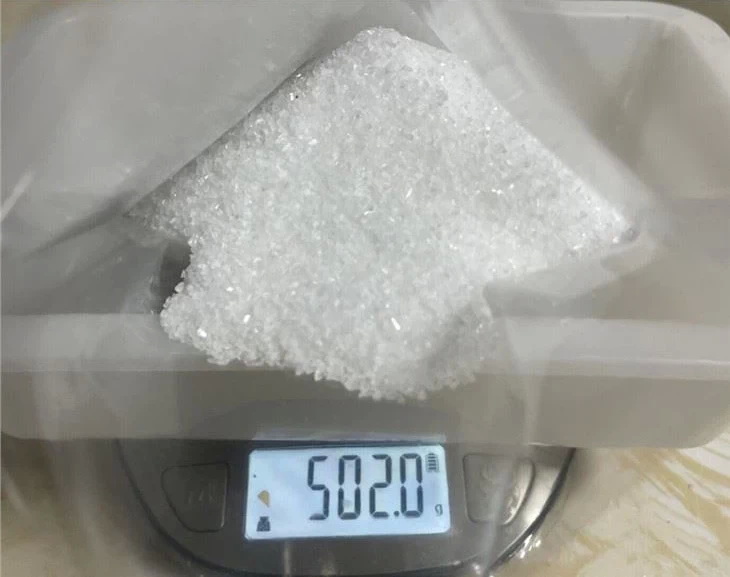
Procaine is an ester-type local anesthetic first synthesized in 1905. It became widely used in dentistry and minor surgery as a safer, less addictive alternative to cocaine, which was the primary local anesthetic before procaine's discovery.
- Brand Names: Novocaine (Novocain)
- Typical Uses: Dental local anesthesia, minor surgical procedures, intramuscular injection pain relief
- Form: Mostly administered as procaine hydrochloride via injection
Procaine's introduction marked a significant advancement in pain management for minor procedures by providing reliable numbness without the risks associated with earlier anesthetics.
Procaine works by blocking sodium channels in the membranes of nerve cells. This blockade inhibits the generation and transmission of nerve impulses, effectively numbing the targeted area by preventing pain signals from reaching the brain.
- Action: It binds to sodium channels and stabilizes the neuronal membrane, preventing depolarization and repolarization.
- Result: Temporary loss of sensation and pain in the injection region.
This mechanism is fundamental to all local anesthetics but varies in duration and potency from drug to drug, making procaine particularly useful for short, minor procedures.
After a typical injection, procaine's numbing effects generally last between 30 and 60 minutes. The onset of anesthesia usually occurs rapidly, within 2 to 5 minutes, depending on the injection site and technique.
When combined with epinephrine (adrenaline), which acts as a vasoconstrictor, procaine's duration can extend up to 90 minutes. Epinephrine constricts blood vessels around the injection area, reducing blood flow and slowing procaine's absorption into the bloodstream. This prolongation is beneficial in clinical settings requiring longer anesthesia.
Procaine is rapidly metabolized in the bloodstream by plasma esterases. Its plasma half-life is approximately 7.7 minutes. Once hydrolyzed, it forms para-aminobenzoic acid (PABA) and diethylaminoethanol, which are then eliminated through the kidneys in urine.
Several factors influence how long procaine lasts in the body:
- Dosage: Higher doses generally produce longer-lasting effects.
- Injection Site: Areas with more blood vessels absorb procaine faster, shortening its effect.
- Metabolic Rate: Individuals with variations such as pseudocholinesterase deficiency may metabolize procaine slower, leading to prolonged numbness.
- Technique: Depth and precision of injection affect distribution and duration.
The expected length of procaine's numbing effect can vary significantly due to multiple factors:
- Dose: Increasing the amount of procaine can extend its analgesic duration, but with a higher risk of side effects.
- Vasoconstrictors (Epinephrine): Adding epinephrine slows systemic absorption, sustaining numbness and reducing bleeding at the site.
- Injection Site: Procaine injected into highly vascularized tissues is carried away quickly, shortening action. Conversely, injections into less vascular or deeper tissues typically last longer.
- Patient Metabolism: Differences in enzyme levels that break down procaine affect the duration. Those with enzyme deficiencies can experience longer numbness or toxicity.
- Patient Age and Health: Older adults or patients with liver or kidney impairments may metabolize and eliminate procaine more slowly.
Procaine's properties make it ideal for several practical uses:
- Dental Procedures: Commonly used for fillings, teeth extractions, and root canals, thanks to its quick onset and short duration.
- Minor Surgical Procedures: Useful in dermatology and outpatient clinics for biopsies, suturing, and small excisions.
- Pain Relief for Injections: Procaine can be given before intramuscular injections of antibiotics or vaccines to reduce discomfort.
- Adjunct in Multi-Drug Formulations: Sometimes combined with other anesthetics or medications for tailored pain management solutions.
Clinicians often select procaine for procedures where brief, reliable anesthesia is sufficient, minimizing patient downtime and residual numbness.
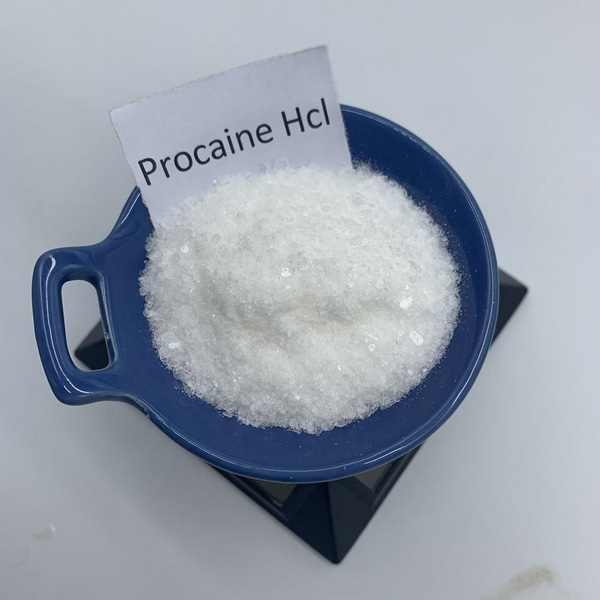
When evaluating anesthetics, onset time and duration are crucial. Below is a brief comparison between procaine and commonly used alternatives:
| Local Anesthetic | Onset Time | Duration (Without Vasoconstrictor) | Duration (With Vasoconstrictor) | Typical Uses |
|---|---|---|---|---|
| Procaine | 2–5 mins | 30–60 mins | Up to 90 mins | Dental, Minor procedures |
| Lidocaine | 2–4 mins | 60–120 mins | 120–240 mins | Dental, surgery |
| Mepivacaine | 2–4 mins | 90–180 mins | Up to 240 mins | Oral, nerve blocks |
| Bupivacaine | 6–10 mins | 180–360 mins | Up to 540 mins | Regional anesthesia |
Lidocaine and other amide anesthetics often replace procaine because of their longer duration and fewer allergic reactions. However, procaine remains valuable where rapid metabolism and short anesthesia are preferred.
Procaine is generally safe, but users should be aware of potential side effects and risks.
- Mild pain, swelling, or tingling near the injection site are typical.
- Temporary numbness extending slightly beyond the expected duration.
Though rare, allergic responses can occur. These reactions are often related to PABA, a metabolite of procaine, and include:
- Rash, itching, or hives
- Facial swelling
- Difficulty breathing or swallowing
Patients reporting allergies to ester anesthetics should be carefully evaluated before use.
- Neurological symptoms such as dizziness, restlessness, or seizures in overdose situations
- Cardiovascular disturbances including slow or irregular heartbeat
- Prolonged anesthesia or toxicity due to enzyme deficiencies, notably pseudocholinesterase deficiency
Medical professionals must monitor patients closely, especially those with known sensitivities or metabolic disorders.
- Use the lowest effective dose for the shortest necessary duration.
- Avoid repeated administration in quick succession to reduce accumulation risk.
- Consider allergy testing in patients with history of allergic reactions to local anesthetics.
- Inform patients to report any unusual or prolonged numbness promptly.
To better understand procaine's function, picture the nerve as an electrical wire transmitting signals to the brain. Procaine works like an insulating clamp on this wire, blocking the signal transmission pathway by preventing sodium channels from opening. This blockade means no pain signals can travel, resulting in numbness at the targeted site.
(In the absence of embedded images or video, searching for terms like “local anesthetic mode of action animation” or “procaine nerve block animation” on video platforms can provide helpful visual aids.)
Procaine is a classic, short-acting local anesthetic with a history of safe and effective use in dentistry and minor medical procedures. Its action typically lasts between 30 and 60 minutes, and up to 90 minutes when combined with epinephrine. The duration depends on factors such as dosage, injection site, and patient metabolism. While modern anesthetics like lidocaine often replace procaine, it remains important for specific clinical scenarios and in OEM pharmaceutical production due to its predictable onset and safe metabolic profile.
As a trusted supplier of high-quality procaine and related compounds, we deliver advanced OEM solutions tailored for international brands, wholesalers, and manufacturers. Whether you require bulk APIs, customized formulations, or private-label products, contact us to discuss your needs and explore how we can assist your business in delivering safe, effective anesthetic products globally.
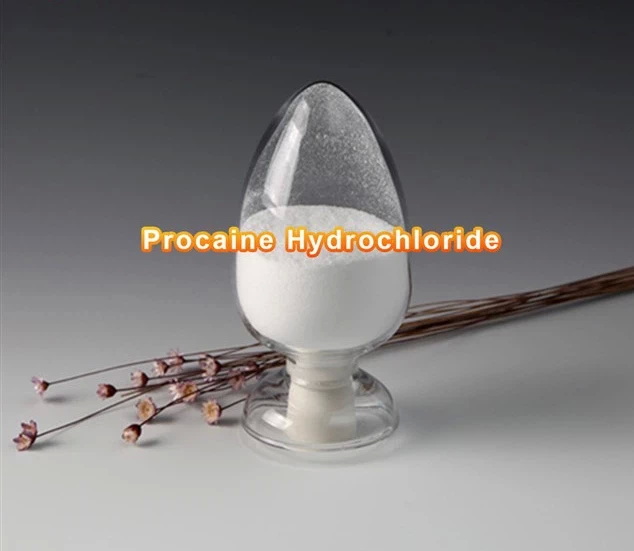
Procaine typically takes effect within 2 to 5 minutes after injection, delivering rapid numbness in the targeted area.
It is quickly hydrolyzed by plasma esterases into para-aminobenzoic acid (PABA) and diethylaminoethanol, both of which are excreted through urine.
Some individuals have a rare genetic condition called pseudocholinesterase deficiency, slowing metabolism of procaine and prolonging numbness. Medical attention is advised if prolonged symptoms occur.
Yes, primarily due to the PABA metabolite. Allergic reactions can range from mild skin rash to severe breathing difficulties. Immediate medical care should be sought if symptoms appear.
Procaine has a slightly slower onset and notably shorter duration (30–60 minutes) compared to lidocaine, which lasts 60–120 minutes. Lidocaine is used more frequently today, although procaine might be chosen for short procedures or in patients allergic to amide anesthetics.
Hot tags: Duration Of Procaine Effects, How Long Does Procaine Work, Procaine Anesthetic Time, Procaine Half-Life, Procaine Injection Duration, Procaine Effect Length, Local Anesthesia Timeframe, How Long Procaine Stays In Body, Procaine Duration Medical Use, Time Course Of Procaine Action