Content Menu
● The Science of Pain and Nerve Transmission
● How Procaine Blocks Pain: The Molecular Mechanism
● Pharmacokinetics and Metabolism
● Clinical Applications of Procaine
● Administration Technique and Safety
>> Precautions
● Expanded Insights: Procaine in Modern Medicine
>> 1. How fast does procaine work after injection?
>> 2. Can procaine be taken orally for anesthesia?
>> 3. Is procaine safe for use in children and animals?
>> 4. What are alternatives if a patient is allergic to procaine?
>> 5. How does procaine compare to lidocaine and other local anesthetics?
Procaine, commonly known by its trade name Novocaine, is a pivotal local anesthetic widely used in medical, dental, and veterinary procedures. Its mechanism of action, benefits, history, and safe use continue to be foundational topics for healthcare professionals and patients alike. This comprehensive article explores how procaine works, its clinical usage, pharmacology, safety, and more—with abundant explanations aimed at deepening your understanding of this important compound.
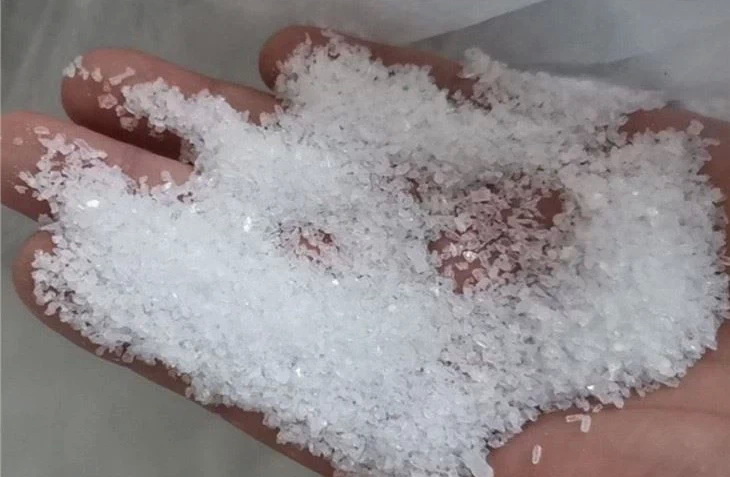
Procaine is an amino ester-based local anesthetic introduced in 1905 as a safer alternative to cocaine for numbing targeted areas. Unlike general anesthesia, which induces unconsciousness, procaine blocks nerve signals locally so that procedures can be performed painlessly while the patient remains fully conscious.
Chemically, procaine's molecular formula is C13H20N2O2·HCl, consisting of an aromatic ring and an ester group. These structural features are essential for its ability to interact with nerve proteins and exert its anesthetic effects. The amino ester structure is hydrolyzed relatively quickly in the body, which contributes to the drug's short duration of action compared to amide anesthetics such as lidocaine.
To understand how procaine works, it is important to first understand how pain signals travel in the body. Pain is transmitted via electrical impulses through peripheral nerves. When tissue injury or irritation occurs (for example, a dental drill touching a tooth), specialized nerve endings, known as nociceptors, become activated.
Here is how pain travel mechanism works:
- The pain stimulus activates nerve endings.
- Voltage-gated sodium channels in the nerve cell membranes open.
- Sodium ions rush into the nerve cells, generating an electrical current known as an action potential.
- This electrical signal propagates along the nerve fiber toward the spinal cord and brain.
- The brain processes this input and interprets it as pain.
This intricate signaling system allows the body to respond quickly to injury. However, during medical or dental procedures, this pain can be a barrier to treatment. Blocking the nerve signal at its source is where local anesthetics such as procaine come into play.
Procaine's anesthetic action is primarily due to its ability to block voltage-gated sodium channels located on nerve cell membranes. These channels normally allow sodium ions to enter the nerve cell to initiate and propagate the electrical signals that carry pain sensations.
When procaine is injected near a nerve, it binds to the sodium channels from the inside of the nerve membrane. This binding inhibits the influx of sodium ions, preventing the formation of the action potential. Without the electrical signal, the nerve cannot transmit pain sensations to the brain, resulting in localized numbness.
Importantly, procaine does not damage the nerve — it temporarily interrupts the electrical conduction, allowing pain-free procedures without lasting neurological effects.
Procaine mainly affects sensory nerves responsible for touch and pain signals. It generally does not affect motor nerves that control muscle movements, so patients remain able to move the affected region even though they experience numbness.
The duration of procaine's effect is typically between 30 minutes to a few hours, depending on the dose and whether it is combined with vasoconstrictors like epinephrine. Vasoconstrictors constrict blood vessels at the injection site, reducing blood flow and slowing the absorption and removal of procaine from the tissue. This prolongs its anesthetic effect and lessens bleeding.
Procaine is most commonly administered via local injection, for example, in dental procedures or minor surgeries. After injection:
- Procaine rapidly diffuses into the surrounding tissue and nerve membranes.
- It exhibits a fast onset, usually numbing the area within a few minutes.
- The drug is rapidly metabolized in the bloodstream by plasma esterases, enzymes that break the ester bond in procaine.
- This metabolism produces para-aminobenzoic acid (PABA) and diethylaminoethanol (DEAE).
- These metabolites are then excreted mainly by the kidneys.
PABA, one of the metabolites, has been linked to allergic reactions in susceptible individuals, which is a key consideration for patient safety.
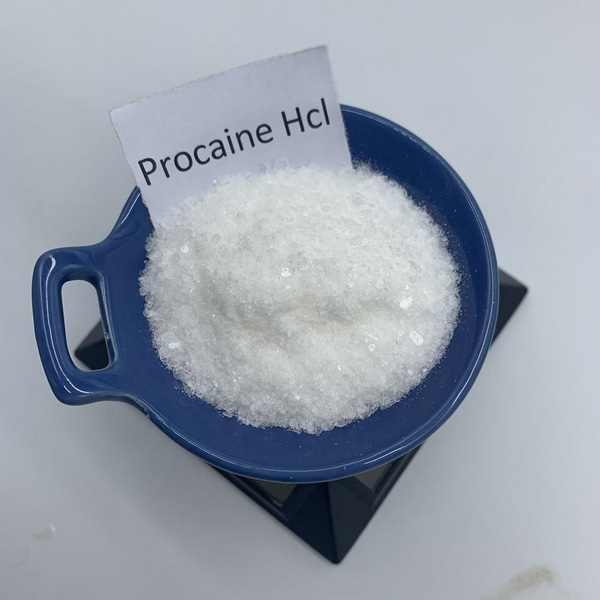
Procaine has been a cornerstone local anesthetic for more than a century, with diverse applications:
1. Dentistry: It is used to provide local anesthesia for fillings, tooth extractions, root canals, and other dental surgeries.
2. Minor Surgical Procedures: Procaine numbs skin and underlying tissues for small surgical interventions such as skin lesion removals, suturing, and biopsies.
3. Veterinary Medicine: The drug is widely used to anesthetize animals during procedures.
4. Pain Management: In some cases, procaine injections are used to treat certain chronic pain conditions and neuralgias.
5. Adjunct in Medical Procedures: Often administered with epinephrine to enhance and extend anesthesia while minimizing bleeding.
Given these uses, healthcare professionals depend on procaine's reliable anesthetic properties for a wide array of routine and specialized treatments.
Administering procaine requires professional expertise. The injection technique involves carefully placing the anesthetic near nerves to achieve optimal numbness with minimal discomfort or complications. Proper injection technique also reduces the risk of side effects and ensures maximum efficacy.
Most side effects of procaine are mild and transient:
- Localized redness, swelling, or irritation at the injection site.
- Temporary numbness and sometimes mild discomfort during injection.
More serious side effects are rare but can include:
- Allergic reactions due to the PABA metabolite, ranging from rash to anaphylaxis.
- Cardiovascular effects such as hypotension or arrhythmias if administered in excessive doses.
- Central nervous system symptoms like dizziness, tremors, or seizures, though these are extremely uncommon with typical doses.
- Patients with known allergies to ester-type anesthetics should not receive procaine.
- Dose adjustments are recommended for elderly patients or those with impaired kidney or liver function, as metabolism and clearance may be slower.
- Procaine should not be used in combination with sulfonamide antibiotics because of potential chemical interactions that impair metabolism.
- It is critical that administration is conducted by trained medical professionals who can monitor patient response and manage any adverse effects promptly.
Though procaine was once the primary local anesthetic, newer drugs like lidocaine and articaine have largely supplanted it in many countries due to their longer duration and lower allergy rates. However, procaine remains an important option in specific situations:
- Hypersensitivity Cases: Patients allergic to amide anesthetics may tolerate procaine.
- Short Procedures: Its rapid onset and short duration are ideal when brief anesthesia is needed.
- Cost-Effectiveness: In many regions, procaine is less expensive and more readily available.
- Complementary Therapies: In integrative medicine, procaine injections are sometimes used in neural therapy to treat chronic pain, though such uses require further scientific validation.
Research continues into developing improved formulations of procaine and its derivatives, combining efficacy with safety and tolerability.
Procaine remains a significant local anesthetic in the medical and dental fields due to its specific mechanism of action — blocking sodium channels to prevent nerve signal transmission and thus pain sensation. Its rapid onset and relatively short duration make it suitable for many procedures where temporary numbing is needed without systemic effects or deep sedation.
Though largely replaced by newer anesthetics, procaine's unique characteristics and historical importance ensure it remains relevant in clinical practices, especially where allergy concerns or cost are factors. Proper administration and patient screening are key to maximizing its safety and effectiveness.
If you are a manufacturer, medical supplier, or healthcare provider looking for high-purity procaine or customized anesthetic formulations, our Chinese factory specializes in OEM production tailored to your needs. Reach out to us today to discuss product specifications, request samples, or explore partnership opportunities to bring reliable anesthetics to the global market.
Procaine typically produces numbness within 2 to 5 minutes after injection. Full anesthetic effect is achieved as the drug saturates sodium channels in nerve membranes. The numbness usually lasts from 30 minutes to an hour or slightly longer if combined with vasoconstrictors like epinephrine.
No. Procaine is ineffective when taken orally because it is poorly absorbed through the digestive tract. Moreover, it needs to be injected near nerve fibers to block sodium channels locally. Oral ingestion does not provide localized anesthesia and is not medically recommended.
Yes. When administered by trained healthcare practitioners in appropriate doses, procaine is generally safe for children, adults, and veterinary patients. Allergic reactions must be ruled out beforehand, and dosing carefully tailored to body weight and clinical needs.
Patients allergic to procaine and other ester anesthetics can usually tolerate amide-type local anesthetics such as lidocaine or bupivacaine. These drugs have distinct chemical structures and lower rates of allergic reactions. Clinical judgment and allergy testing help guide the choice.
Procaine is an ester local anesthetic with a relatively short duration and a higher risk of allergic reactions due to PABA metabolites. Lidocaine, an amide anesthetic, has a faster onset, longer duration, and fewer allergic complications, making it more popular in modern practice. Nevertheless, procaine maintains niche uses where its pharmacological profile offers benefits.