Content Menu
● What is Procaine Penicillin G?
● Pharmacokinetics and Duration of Action
● Clinical Uses and Indications
● Frequently Asked Questions (FAQ)
>> 1. How long does a single injection of Procaine Penicillin G remain active in the body?
>> 2. Is it safe to administer Procaine Penicillin G intravenously?
>> 3. What are the main side effects of Procaine Penicillin G?
>> 4. Can Procaine Penicillin G be used in children?
>> 5. How should patients be monitored during Procaine Penicillin G treatment?
Procaine Penicillin G is a unique antibiotic formulation combining the powerful bactericidal effects of penicillin G with the local anesthetic properties of procaine. This formulation is widely used for treating moderate to severe bacterial infections via deep intramuscular injection. Understanding how long Procaine Penicillin G lasts in the human body is pivotal for optimizing dosing schedules and ensuring effective treatment outcomes.
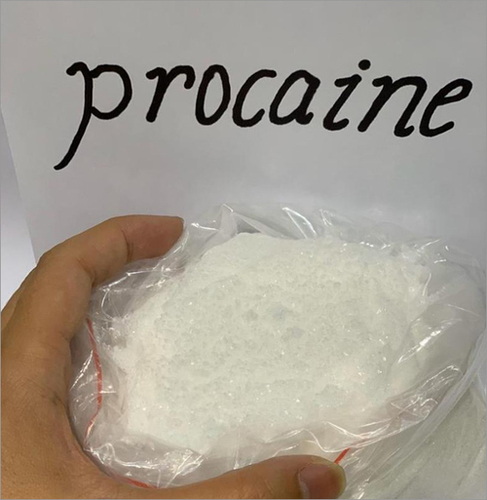
Procaine Penicillin G, also called penicillin G procaine, is an intramuscular injectable antibiotic composed of penicillin G and procaine. Penicillin G is the active antibacterial agent, effective against a broad range of susceptible bacteria, while procaine acts as a local anesthetic to reduce injection site pain. The combination results in a suspension that slowly dissolves after injection, allowing prolonged release of penicillin into the bloodstream to maintain therapeutic levels over an extended period.[1][4]
The drug is manufactured as a sterile aqueous suspension with typical doses containing 600,000 or 1.2 million units per milliliter. It is especially useful in infections where oral treatment compliance is unlikely or where sustained antibiotic exposure is required.[4]
Penicillin G exerts its bactericidal effect by targeting penicillin-binding proteins (PBPs) crucial to bacterial cell wall synthesis. Specifically, penicillin binds to PBPs, inhibiting the transpeptidation enzyme that crosslinks peptide chains in peptidoglycan, a vital component of the bacterial cell wall. This inhibition weakens the cell wall, rendering bacteria osmotically unstable and leading to cell lysis during growth phases.[5][1]
Procaine itself does not have antibacterial properties; its role is to provide local anesthesia at the injection site, thereby reducing the discomfort associated with intramuscular injections of penicillin G.[4]
After intramuscular administration, Procaine Penicillin G dissolves slowly at the injection site due to the poor solubility of the procaine salt. Therapeutic penicillin blood levels typically peak around 4 hours post-injection, followed by a slow decline over the subsequent 15 to 20 hours, providing a prolonged antimicrobial effect.[1][4]
Approximately 60% of penicillin G in plasma binds to serum proteins, which influences its distribution and half-life. The drug distributes widely across body tissues, especially the kidneys, liver, skin, and intestines. Penicillin G demonstrates limited penetration into cerebrospinal fluid under normal conditions.[4]
The elimination half-life for penicillin G after Procaine Penicillin administration ranges between 12 and 25 hours, depending significantly on kidney function and individual metabolic factors. In patients with normal renal function, 60 to 90 percent of the antibiotic is excreted renally within 24 to 36 hours.[11][4]
Overall, the antibiotic effect of a single Procaine Penicillin G intramuscular dose lasts between 12 and 24 hours, allowing for convenient once-daily dosing regimens in many clinical situations.[12]
Procaine Penicillin G is indicated for the treatment of moderately severe infections caused by penicillin-susceptible organisms. Common clinical indications include:
- Streptococcal infections such as tonsillitis, scarlet fever, erysipelas, and cellulitis
- Pneumococcal infections of moderate severity
- Syphilis (except early or complicated cases)
- Anthrax (cutaneous and inhalational prophylaxis)
- Diphtheria adjunct therapy
- Certain animal bites and rat-bite fever
- Respiratory tract infections when oral therapy adherence is uncertain[3][4]
Procaine Penicillin G should only be given by deep intramuscular injection, which permits slow absorption and sustained drug release. Recommended injection sites include the upper outer quadrant of the buttock and the ventrogluteal site. In neonates and infants, the midlateral thigh is preferred to avoid nerve injury.[13][4]
Injection should be administered slowly and carefully to avoid needle blockage by the viscous suspension. Intravenous or subcutaneous administration is contraindicated due to the risk of severe adverse reactions, including fatal events.[4]
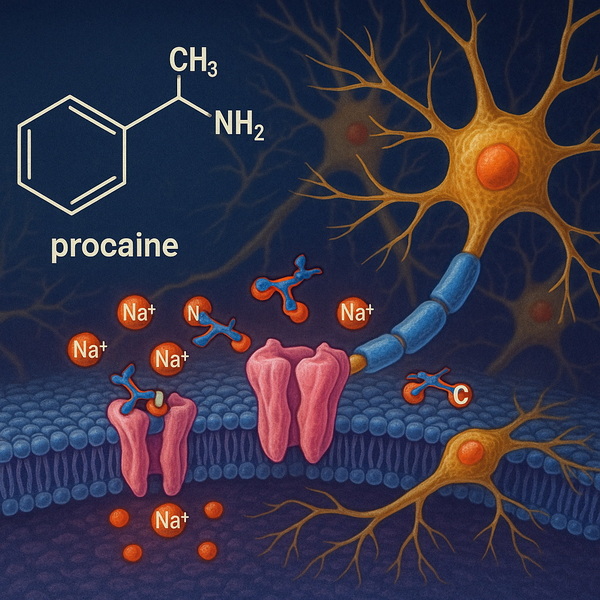
Common side effects focus on local injection site reactions, including pain and inflammation. Allergic reactions can range from mild skin rashes to severe anaphylaxis, necessitating immediate medical intervention. Rarely, patients may experience neuropsychiatric symptoms such as anxiety, hallucinations, or seizures from procaine toxicity (Hoigne's syndrome).[6][4]
Patients allergic to penicillin or procaine should not receive this medication. Close monitoring of renal function is advised in patients with kidney impairment to avoid drug accumulation.[4]
Dosing varies based on age, weight, and infection severity:
- Adults typically receive 600,000 to 1,200,000 units intramuscularly once daily.
- Pediatric dosing is weight-based, generally 300,000 units once daily for children under 60 pounds.
- For syphilis treatment, a daily dose of 600,000 units for 8 to 15 days is common.
- Anthrax post-exposure treatment may require 1.2 million units every 12 hours for up to two weeks, followed by oral antibiotics.[13][4]
Penicillin-resistant bacteria usually produce penicillinase enzymes or have PBPs modified to prevent drug binding. Procaine Penicillin G is ineffective against penicillinase-producing bacteria and beta-lactam-resistant organisms. Resistance among streptococci, particularly Streptococcus pyogenes, remains uncommon.[4]
Procaine Penicillin G remains an essential long-acting antibiotic choice for clinicians globally, offering sustained antibacterial effects from a single intramuscular injection. Its unique formulation combining penicillin G with procaine prolongs therapeutic drug levels and minimizes injection discomfort. This enables effective treatment regimens for various moderate to severe infections, ensuring patient compliance with once-daily dosing.
For healthcare providers and pharmaceutical partners, our facility specializes in the OEM production of high-quality Procaine Penicillin G under stringent manufacturing controls, tailored for international markets. Contact us today to explore business opportunities and supply solutions that meet your unique requirements.
A typical dose maintains effective antibacterial concentrations for approximately 12 to 24 hours, supporting once-daily administration in most infections.[12][4]
No, intravenous administration is strictly contraindicated due to severe adverse reaction risks; it must be given by deep intramuscular injection only.[4]
Common side effects include pain at the injection site, allergic reactions ranging from mild rash to anaphylaxis, and rare neuropsychiatric symptoms related to procaine.[6][4]
Yes, but dosing must be carefully adjusted for weight and age, with appropriate injection site selection to minimize complications.[13][4]
Monitoring includes watching for allergic reactions, ensuring renal function is adequate, and verifying clinical improvement and infection resolution.[4]
[1](https://go.drugbank.com/drugs/DB09320)
[2](https://synapse.patsnap.com/blog/an-in-depth-analysis-of-penicillin-g-procaines-randd-progress)
[3](https://en.wikipedia.org/wiki/Procaine_benzylpenicillin)
[4](https://www.drugs.com/pro/penicillin-g-procaine.html)
[5](https://www.ncbi.nlm.nih.gov/books/NBK554560/)
[6](https://medlineplus.gov/druginfo/meds/a615052.html)
[7](https://www.sciencedirect.com/topics/pharmacology-toxicology-and-pharmaceutical-science/procaine-penicillin)
[8](https://www.ncbi.nlm.nih.gov/books/NBK501079/)
[9](https://labeling.pfizer.com/showlabeling.aspx?id=718)
[10](https://my.clevelandclinic.org/health/drugs/18945-penicillin-g-benzathine-penicillin-g-procaine-injection)
[11](https://madbarn.com/research/pharmacokinetics-of-penicillin-g-procaine-versus-penicillin-g-potassium-and-procaine-hydrochloride-in-horses/)
[12](https://www.sciencedirect.com/topics/nursing-and-health-professions/penicillin-g)
[13](https://www.drugs.com/dosage/penicillin-g-procaine.html)
Hot tags: Procaine Penicillin Duration, Antibiotic Efficacy, Treatment Length, Dosage Information, Injection Frequency, Procaine Penicillin G, Pharmacokinetics, Serum Levels, Infection Treatment, Medical Guidelines