Content Menu
● What is Procaine? An Overview
● Pharmacokinetics of Procaine: Absorption, Distribution, Metabolism, and Excretion
● How Long Does Procaine's Effect Last?
● Factors Affecting Procaine Duration and Clearance
>> Dosage and Injection Technique
>> Patient Metabolic Variability
● Safety Profile and Side Effects of Procaine
● Clinical and Therapeutic Applications of Procaine
● Comparisons to Other Local Anesthetics
● Summary of Procaine's Duration in Body
● Frequently Asked Questions (FAQ)
>> 1. How quickly does procaine take effect?
>> 2. How long will the numbing sensation last?
>> 3. Are allergic reactions common with procaine?
>> 4. What affects how fast procaine is metabolized?
>> 5. How is procaine eliminated from the body?
Procaine, commonly known by its brand name Novocaine, is a local anesthetic widely used in dental and minor surgical procedures to numb specific body areas and alleviate pain. Understanding how long procaine stays in the system is important for patients, healthcare providers, and manufacturers in biotech and pharmaceutical industries. This article delves into the pharmacokinetics of procaine, factors influencing its duration, metabolism, and safety considerations to provide a comprehensive understanding of this widely used anesthetic.
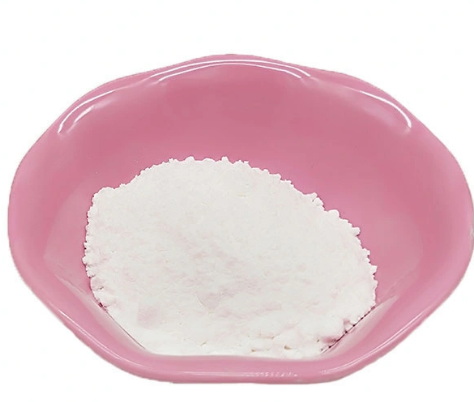
Procaine is a synthetic local anesthetic developed in 1905 and was the first widely used injectable local anesthetic in the United States. It works by blocking nerve signals in the body that transmit pain sensations to the brain. Unlike general anesthesia, procaine does not cause loss of consciousness but numbs the targeted area.
Primarily, procaine is used in dental procedures such as tooth extraction and cavity fillings, as well as in minor medical procedures like mole or wart removal, eye surgeries, biopsies, and pacemaker insertions. It belongs to the aminoester class of local anesthetics and is known for its relatively short duration of action and rapid metabolism.
Procaine works by penetrating nerve membranes and inhibiting sodium ion channels essential for nerve impulse conduction. This blockage prevents the nerves from sending pain signals to the brain, leading to localized numbness.
The drug reversibly binds to the voltage-gated sodium channels located on the cytoplasmic side of nerve cells. This selective inhibition of sodium influx disables the generation and propagation of action potentials along the nerve fiber, leading to loss of pain sensation. Procaine preferentially blocks smaller nerve fibers responsible for dull and sharp pain while sparing larger motor nerves initially.
Upon administration, procaine exhibits rapid absorption when injected locally, with plasma concentrations peaking within minutes depending on the injection site and dose. Its volume of distribution is limited, reflecting its primary presence in extracellular fluid and limited tissue uptake.
Procaine is rapidly metabolized by the enzyme pseudocholinesterase found in the blood plasma into its major metabolites diethylaminoethanol (DEAE) and para-aminobenzoic acid (PABA). This hydrolysis occurs within seconds to minutes post-injection, significantly shortening the drug's half-life. The distribution half-life (time taken for blood concentration to halve due to distribution) is approximately 2.5 minutes, while the elimination half-life (time taken to reduce drug amount by half via metabolism and excretion) is about 7.7 to 8 minutes.
Metabolites are primarily excreted via the kidneys. Notably, DEAE retains some local anesthetic properties and may have other pharmacologic effects, such as mild antispasmodic actions.
The rapid metabolism means that procaine itself does not accumulate in the body, reducing toxicity risk when used appropriately.
The numbing effect of procaine usually begins within 5 to 10 minutes after injection and lasts between 30 and 60 minutes. When combined with epinephrine (an additive that constricts blood vessels), the duration can be extended up to 90 minutes or slightly longer. Epinephrine slows the absorption of procaine into the bloodstream by decreasing blood flow in the injected area, effectively prolonging local anesthetic action.
The overall duration depends on dosage, injection site, and individual patient factors such as metabolism rate.
Higher doses and more widespread injections result in longer-lasting numbness. Administering procaine closer to nerves allows more effective and prolonged nerve blockade.
The addition of vasoconstrictors like epinephrine significantly prolongs duration by reducing systemic absorption, keeping the anesthetic localized longer.
Some individuals have genetically slower pseudocholinesterase enzyme activity, leading to reduced metabolism and prolonged procaine effects. This is rare but important to consider for safety.
Inflamed or infected tissues have altered pH, which reduces procaine's effectiveness and hastens its metabolism. Highly vascular tissues may also clear the drug faster.
Areas with high blood flow (e.g., face) clear procaine faster compared to less vascular areas (e.g., fingers), influencing duration of action.
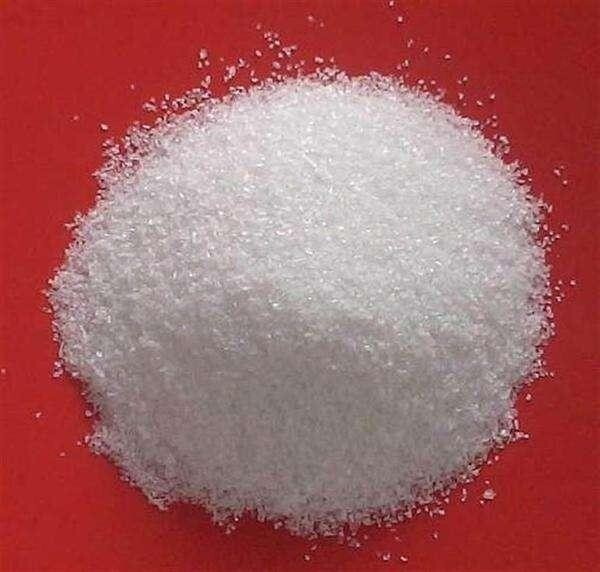
Procaine is generally safe when administered by trained professionals. Minor side effects include localized pain at the injection site, tingling, dizziness, and headache. Allergic reactions, although rare, may range from mild skin reactions to anaphylaxis.
Overdose is uncommon but may cause systemic toxicity such as cardiovascular depression or seizures. Proper dosing and monitoring minimize these risks.
Beyond dental anesthesia, procaine has found specialized uses including temporary nerve blocks, treatment of peripheral vascular diseases due to its vasodilatory effects, and anti-inflammatory applications. Its metabolites have potential antioxidant properties that are being studied for age-related diseases and neuroprotective effects.
Although newer anesthetics like lidocaine have replaced procaine for many uses due to longer duration and fewer allergic reactions, procaine remains a valuable agent in specific contexts requiring short-acting local anesthesia.
Procaine's rapid metabolism and short duration contrast with longer-lasting agents like lidocaine or bupivacaine. For procedures requiring extended pain relief, lidocaine is often preferred; however, procaine's quick clearance can be advantageous when brief anesthesia is sufficient.
|
Characteristic |
Description |
|
Onset of action |
5–10 minutes after injection |
|
Duration of numbness |
30–60 minutes (up to 90 minutes with epinephrine) |
|
Metabolism |
Rapid hydrolysis by pseudocholinesterase to DEAE and PABA |
|
Elimination half-life |
Approximately 7.7 to 8 minutes |
|
Excretion |
Primarily renal clearance of metabolites |
Procaine is a locally acting anesthetic that provides effective pain relief for short procedures, with numbness typically lasting between 30 and 90 minutes depending on dosage and adjunct vasoconstrictors. Its rapid metabolism by plasma esterases ensures that it clears the system in a brief period, limiting toxicity risk. Individual factors such as metabolism rate and injection site influence procaine's duration and effects.
For manufacturers, suppliers, and OEM partners seeking high-quality procaine or related local anesthetics for biotech, pharmaceutical, and medical device production, partnering with a reliable supplier is crucial. Our factory provides expert OEM services and high-standard products compliant with international regulations.
Contact us at supplybenzocaine.co.uk for customized solutions, competitive pricing, and professional support tailored to your brand's needs.
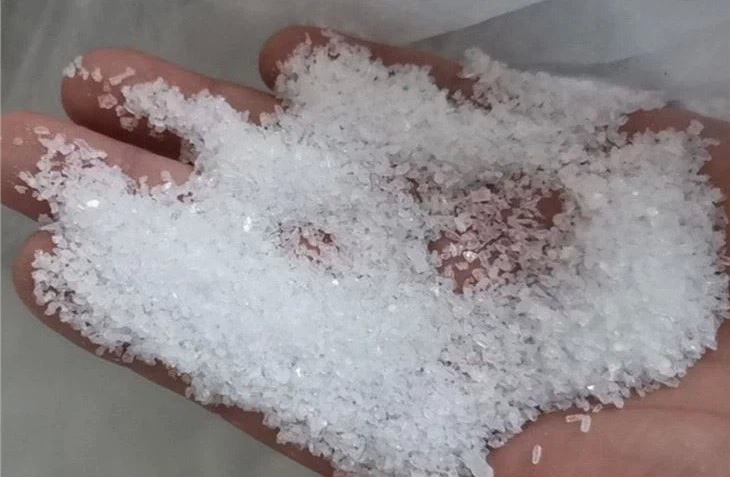
Procaine usually takes effect within 5 to 10 minutes after injection, producing localized numbness in the targeted area.
The numbing effect generally lasts from 30 to 60 minutes, but usage with epinephrine can extend this up to 90 minutes.
Allergic reactions to procaine are rare but can happen. Symptoms such as rash, itching, or breathing difficulty require immediate medical attention.
Genetic differences in the enzyme pseudocholinesterase primarily affect procaine metabolism speed. Also, tissue blood flow and presence of inflammation influence metabolism.
Procaine is metabolized to inactive compounds and then excreted mainly through the kidneys as metabolites like PABA and DEAE.
[1](https://www.chemicalbook.com/article/procaine-pharmacokinetics-and-clinical-applications.htm)
[2](https://www.ncbi.nlm.nih.gov/books/NBK551556/)
[3](https://go.drugbank.com/drugs/DB00721)
[4](https://uknowledge.uky.edu/cgi/viewcontent.cgi?article=1079&context=gerc_facpub)
[5](https://pmc.ncbi.nlm.nih.gov/articles/PMC1859703/)
[6](https://www.ema.europa.eu/en/documents/mrl-report/procaine-summary-report-committee-veterinary-medicinal-products_en.pdf)
[7](https://www.sciencedirect.com/topics/pharmacology-toxicology-and-pharmaceutical-science/procaine)
[8](https://ontosight.ai/glossary/term/procaine-pharmacokinetics-pathway--67a137256c3593987a548e48)
[9](https://en.wikipedia.org/wiki/Procaine)
[10](https://www.sciencedirect.com/science/article/pii/S0022354915427571)
Hot tags: Procaine Half-Life, Drug Metabolism, Systemic Effects, Detection Time, Urine Excretion, Pharmacokinetics, Procaine Clearance, Blood Levels, Drug Testing, Anesthetic Duration