Content Menu
● How Benzocaine Works: The Science Behind the Numbing
● Safe Dosages: Guidelines by Age and Application
● Factors Influencing Benzocaine Safety
● Potential Risks and Side Effects
● Understanding Methemoglobinemia in Depth
● Regulatory Standards and Warnings
● Safer Alternatives to Benzocaine
● High-Quality Manufacturing for Safety
● Prevention, Monitoring, and Emergency Response
● FAQ
>> 1. What is the maximum safe daily dose of benzocaine for adults?
>> 2. Can benzocaine be used on children under 2 years old?
>> 3. What are the early signs of benzocaine overdose or methemoglobinemia?
>> 4. Is benzocaine safe for use during pregnancy or breastfeeding?
>> 5. How can I verify the quality of benzocaine in OEM products?
Benzocaine is a widely used local anesthetic found in many over-the-counter products for pain relief, but its safety depends heavily on proper dosage, application method, and individual factors. Understanding the right amount to use is crucial to avoid serious risks like methemoglobinemia, a potentially life-threatening condition.
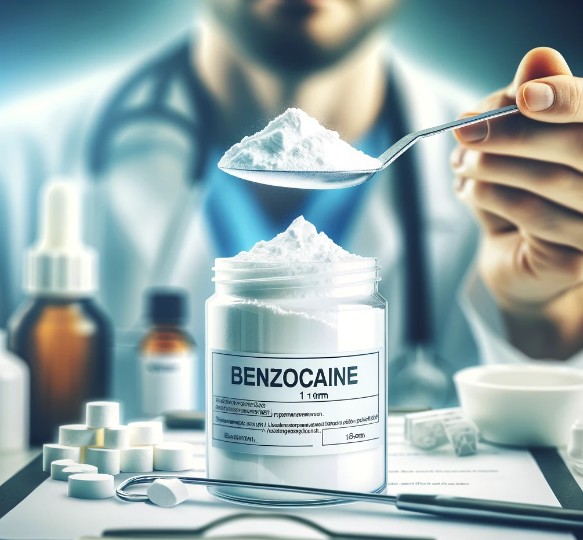
Benzocaine belongs to the ester-type local anesthetics family, commonly appearing as a fine white powder that's odorless and slightly bitter. It's highly soluble in fats and alcohol but less so in water, making it ideal for topical formulations like gels, sprays, ointments, and lozenges. Developed in the early 1900s, it has been a staple in dental and medical applications for over a century due to its rapid onset of action, typically numbing tissues within 15-30 seconds of application.
Unlike injectable anesthetics, benzocaine works purely on the surface, penetrating the skin or mucous membranes to block nerve signals without entering the bloodstream in significant amounts under normal use. Its chemical structure, derived from para-aminobenzoic acid (PABA), allows it to diffuse easily into nerve cells. In pharmaceutical manufacturing, high-purity benzocaine (often USP or EP grade, exceeding 99% purity) is essential for consistent efficacy and safety. As a Chinese factory specializing in biotechnology, pharmaceuticals, and medical devices (supplybenzocaine.co.uk), we provide OEM services to international brands, wholesalers, and producers, ensuring GMP-compliant production of benzocaine powders and finished products tailored to global standards.
This powder form is versatile for custom formulations, from oral pain gels to skin numbing creams, always prioritizing precise concentration control to maintain safety profiles.
Benzocaine shines in treating minor ailments where quick, localized numbing is needed. For oral health, it's a go-to ingredient in products for toothaches, canker sores, gum inflammation, and sore throats, often combined with antiseptics like menthol for added relief. Throat sprays deliver a fine mist for instant soothing during colds or allergies, while lozenges provide prolonged numbing as they dissolve.
Dermatologically, it's used for sunburns, minor burns, insect bites, and hemorrhoidal discomfort, where low-concentration ointments (5-10%) reduce itching and pain. In medical procedures, higher-strength sprays (20%) numb the throat or esophagus before endoscopies or dental work, facilitating patient comfort without systemic effects. Some over-the-counter delay sprays or wipes for premature ejaculation incorporate benzocaine at 3-7.5% to desensitize sensitive areas temporarily.
Beyond consumer products, benzocaine features in veterinary applications for animal wound care and even in fishing as a fish-stunning agent, though that's outside medical use. Importantly, it's not suitable for deep wounds, large body areas, or internal consumption, as excessive absorption can lead to toxicity. Our OEM expertise allows brands to develop innovative delivery systems, like aerosol foams or stick applicators, ensuring user-friendly and safe products.
At the molecular level, benzocaine exerts its anesthetic effect by binding to voltage-gated sodium channels in nerve cell membranes. These channels are responsible for propagating pain signals via electrical impulses. By stabilizing the inactive state of the channels, benzocaine prevents sodium influx, halting depolarization and thus blocking pain transmission to the brain.
This reversible action occurs primarily in the free nerve endings of the dermis or mucosa, with peak effect in 1-5 minutes and duration of 10-30 minutes, depending on concentration and site. Unlike amide anesthetics like lidocaine, benzocaine doesn't require hydrolysis for activation, making it stable in non-aqueous bases. However, its metabolism involves esterases in the liver and plasma, producing PABA, which rarely triggers allergies in those sensitive to sulfa drugs or PABA sunscreens.
In production, understanding this mechanism guides formulation: lipophilic vehicles enhance penetration, while stabilizers prevent degradation. Safe manufacturing involves controlled synthesis via esterification of PABA with ethanol, followed by purification to remove impurities that could heighten risks.
Determining a safe amount starts with product labeling, as concentrations range from 5% in gels for kids to 20% in adult sprays. Always apply the thinnest effective layer—no more than a pea-sized amount for localized spots—and space applications at least 2 hours apart.
For oral or throat use, one spray (delivering 10-20 mg benzocaine) or a thin film of 20% gel up to four times daily suffices for most pains. For skin applications like burns or hemorrhoids, 5-10% ointments can be used sparingly up to six times a day, covering no more than 100 cm². Total daily intake should not exceed 200 mg to minimize systemic absorption risks.
Lower concentrations (5-10%) are key; apply a small dab (rice-grain size) to affected gums or skin up to four times daily. Lozenges are suitable for ages 5+, limited to one every 2 hours, not exceeding four per day. Avoid sprays in young children due to choking hazards and overdose potential.
Infants under 2 years should never use benzocaine products; even teething gels at 7.5% have caused fatal methemoglobinemia cases. Pregnant or breastfeeding individuals require medical advice, as data is limited—opt for minimal topical use if essential. Those with liver impairment or on oxidizing drugs (e.g., dapsone) must avoid it.
| Age Group | Recommended Concentration | Max Applications/Day | Typical Amount |
|---|---|---|---|
| Adults | 5-20% gel/spray/ointment | 4-6 | 1 spray or thin layer |
| Children 2-12 | 5-10% gel/lozenge | 4 | Small dab |
| Under 2 Years | None | Avoid | N/A |
| Pregnant/Breastfeeding | Consult doctor | Minimal | As advised |
Adhering to these prevents cumulative buildup, especially with repeated use over broken skin.

Safety isn't one-size-fits-all. Body weight matters: smaller individuals absorb proportionally more. Application site affects absorption—mucosa (mouth, genitals) is 3-4 times more permeable than intact skin. Damaged tissue or occlusion (covering with bandages) accelerates uptake.
Health conditions exacerbate risks: G6PD deficiency impairs methemoglobin reduction; anemia, heart disease, or lung issues lower oxygen reserves. Smokers or those on nitrates face heightened vulnerability. Drug interactions with sulfonamides or local anesthetics amplify effects. Environmental factors like high temperatures increase absorption via vasodilation.
Monitoring involves patch-testing for allergies and limiting use to 1-2 days unless advised otherwise.
Most users experience no issues, but mild reactions include transient stinging, erythema, or dryness at the site. Rare allergies manifest as urticaria, edema, or anaphylaxis.
The paramount concern is methemoglobinemia, occurring in 1/10,000 to 1/1,000 exposures, unpredictably even at first use or low doses. Overdose mimics this, with seizures, coma, or cardiac arrest from profound numbness or aspiration.
This condition arises when benzocaine oxidizes ferrous iron (Fe²⁺) in hemoglobin to ferric (Fe³⁺), forming methemoglobin (MetHb) incapable of oxygen transport. Normal levels are <1%; 10-20% causes cyanosis; >30% symptoms like headache, tachycardia; >50% life-threatening acidosis and shock.
Infants are prone due to low NADH-methemoglobin reductase and fetal hemoglobin. Procedural use (e.g., 20% sprays) reports 0.067% incidence from 28,000 cases. Symptoms onset 20-60 minutes post-exposure: slate-gray skin, chocolate-brown blood, dyspnea despite oxygen.
Diagnosis uses co-oximetry; treatment halts exposure, provides oxygen, and administers IV methylene blue (1-2 mg/kg), which recycles MetHb enzymatically. Hyperbaric oxygen aids severe cases; ascorbic acid is adjunctive but slower.
The FDA has issued multiple alerts since 2011, banning teething products under 2 years and mandating black-box warnings on sprays. Labels must state "Stop use and seek help if signs of allergy or blue skin occur." EU agencies like HSA echo this, restricting pediatric sprays.
Pharmaceutical-grade benzocaine demands GMP facilities with rigorous testing for heavy metals, residuals, and microbial contaminants. USP monographs specify assay limits, melting point (88-92°C), and residue on ignition (<0.1%).
Lidocaine (2-5%) offers comparable numbing with lower MetHb risk (1/100,000). Pramoxine in hemorrhoid creams or dyclonine in lozenges are non-ester options. Natural remedies like clove oil (eugenol), chamomile gels, or cold therapy provide relief without chemicals. For OEM clients, we formulate hybrid products blending anesthetics with soothers.
| Feature | Benzocaine | Lidocaine | Natural Options |
|---|---|---|---|
| MetHb Risk | High | Low | None |
| Onset | Very fast | Fast | Moderate |
| Concentration | 5-20% | 2-5% | Varies |
| Best For | Quick oral numbing | Skin, mucosa | Mild irritation |
Premium benzocaine starts in GMP-certified plants with isolated synthesis suites to prevent cross-contamination. Processes include acetylation, hydrolysis, recrystallization, and HPLC purity checks (>99.5%). Each batch ships with Certificates of Analysis detailing specs.
Our factory (supplybenzocaine.co.uk) excels in scalable OEM: from 1kg powder trials to ton-scale production, private labeling, and stability testing under ICH guidelines. We comply with FDA, EMA, and USP, exporting to UK, EU, US markets with full documentation.
Storage best practices: airtight containers at 15-30°C, away from light/moisture to preserve potency.
Educate users: read labels, dose precisely, avoid combos with other numbing agents. Post-application, watch for 1 hour. In overdose, induce vomiting if conscious, rush to ER for blood gases and antidote.
Long-term, research favors concentration caps and better screening for at-risk patients.
Navigating benzocaine safety means respecting dose limits, recognizing risks like methemoglobinemia, and choosing quality sources—essential for effective pain relief without harm. As your trusted OEM partner at supplybenzocaine.co.uk, we deliver ultra-pure, compliant benzocaine for superior products that protect your brand and customers.
Ready to elevate your lineup? Contact [email protected] today for samples, quotes, or custom formulations—let's create safe, innovative solutions together! Contact us to get more information!
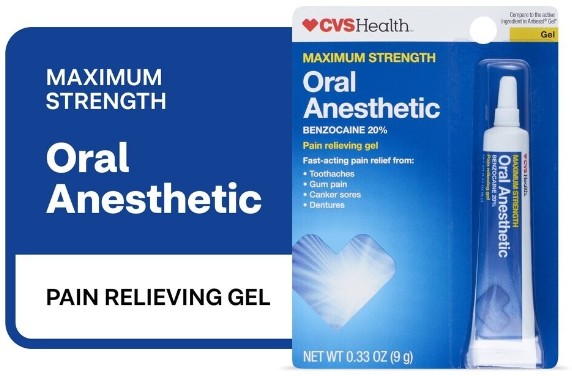
For adults, limit to thin applications of 20% gels or sprays up to four times daily, totaling under 200 mg, focusing on small areas to prevent excessive absorption.
No, it's strictly contraindicated due to severe methemoglobinemia risks, even with minimal amounts—opt for physical comfort methods like teething rings instead.
Look for blue-gray skin (cyanosis), rapid breathing, dizziness, headache, or fatigue shortly after use; seek immediate medical attention.
Use only under medical supervision with the smallest effective amount, as human studies are limited—discuss alternatives with your healthcare provider.
Select GMP-certified suppliers providing CoA, USP/EP compliance, and third-party testing for purity, impurities, and stability.
1. https://www.mayoclinic.org/drugs-supplements/benzocaine-topical-application-route/description/drg-20072913
2. https://www.hsa.gov.sg/announcements/safety-alert/benzocaine-and-the-risk-of-methaemoglobinaemia
3. https://www.goodrx.com/benzocaine/side-effects
4. https://jamanetwork.com/journals/jamainternalmedicine/fullarticle/413202
5. https://www.fda.gov/files/drugs/published/FDA-Letter-Regarding-Benzocaine.pdf
6. https://www.ncbi.nlm.nih.gov/pmc/articles/PMC9321682/
7. https://www.fda.gov/drugs/drug-safety-and-availability/fda-drug-safety-communication-reports-rare-serious-and-potentially-fatal-...
8. https://pmc.ncbi.nlm.nih.gov/articles/PMC4771088/
9. https://www.hims.com/blog/benzocaine-side-effects
10. https://pmc.ncbi.nlm.nih.gov/articles/PMC1586795/
11. https://www.rxlist.com/benzocaine_topical/generic-drug.htm
12. https://www.droracle.ai/articles/644163/what-is-the-concentration-of-benzocaine-in-orajel-benzocaine
13. https://recalls-rappels.canada.ca/en/alert-recall/benzocaine-products-should-not-be-used-children-under-two-years-age
14. https://www.medicoverhospitals.in/articles/benzocaine
15. https://www.supplybenzocaine.co.uk/top-5-trusted-benzocaine-suppliers-in-the-uk-quality-and-reliability.html
16. https://www.spectrumrx.com/media/sd/BE130_SD.pdf
17. https://www.mayoclinic.org/drugs-supplements/benzocaine-oral-route-oromucosal-route/description/drg-20072824
18. https://www.aafp.org/news/health-of-the-public/20180530fdabenzocaine.html
19. https://www.hmpgloballearningnetwork.com/site/thederm/article/8192
Hot tags: Benzocaine Dosage, Safe Benzocaine Use, Benzocaine Side Effects, Benzocaine Recommendations, Benzocaine Safety Guidelines, Benzocaine for Children, Benzocaine Methemoglobinemia, Benzocaine Overdose Risks, Benzocaine Application Instructions, Benzocaine Oral Products