Content Menu
● Understanding Lidocaine Powder: What Is It?
● Pricing Factors of Lidocaine Powder
● Applications of Lidocaine Powder
● Safety and Quality Compliance
● Challenges Impacting Pricing and Supply
● How to Source Lidocaine Powder Wisely
● Frequently Asked Questions (FAQs)
>> 1. What factors influence the cost of lidocaine powder?
>> 2. Is lidocaine powder toxic?
>> 3. What purity grade is typical for pharmaceutical lidocaine powder?
>> 4. Can I get customized lidocaine powder for my brand?
>> 5. How should lidocaine powder be stored?
Lidocaine powder is a vital compound widely used as a local anesthetic and antiarrhythmic agent in the biotechnological, pharmaceutical, and medical device industries. It plays a critical role in both clinical applications and pharmaceutical manufacturing, making it a commonly sought ingredient in laboratories and production lines worldwide. Understanding the cost of lidocaine powder is essential for businesses involved in research, manufacturing, and medical supply, as the price directly impacts production budgets and product pricing strategies.
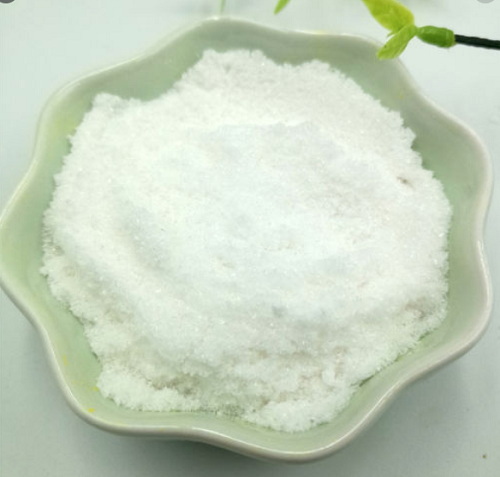
Lidocaine powder typically comes in two forms: the base powder and its hydrochloride salt. The base form has the molecular formula C14H22N2O, whereas the hydrochloride monohydrate form is represented as C14H22N2O·HCl·H2O. Pharmaceutical-grade lidocaine powder usually has a purity of 98% to 99%, making it suitable for medical usage. This powder is an active pharmaceutical ingredient (API) used to numb tissues during surgical, dental, or skin procedures and to correct irregular heart rhythms by blocking sodium channels in cardiac cells.
The powder form provides flexibility for manufacturers to develop various formulations, including injectable solutions, topical creams, dental gels, and medical device coatings. Furthermore, lidocaine powder is utilized as an intermediate in producing other anesthetic compounds and is sometimes used in veterinary medicine. Given its broad applications, the demand for quality lidocaine powder remains steady at a global scale.
Several factors influence the cost of lidocaine powder significantly:
- Purity Level: Higher purity standards such as USP grade or EP (European Pharmacopoeia) typically cost more due to stricter manufacturing conditions and quality control.
- Quantity Ordered: Smaller quantities, such as 100 grams, command higher per-gram prices, while bulk orders of several kilograms see a steep reduction in unit cost.
- Packaging: Packaging options vary from sealed aluminum bags for small quantities to large drums for bulk orders, with costs differing based on packaging materials and handling requirements.
- Supplier Location and Certification: Reputable suppliers, especially those compliant with international pharmaceutical standards and located in key manufacturing hubs like China or the USA, may set prices reflecting their manufacturing quality and certification.
- Regulatory Compliance: Compliance with testing specifications such as USP, EP, or GMP (Good Manufacturing Practice) often results in higher costs but ensures safety and reliability.
Lidocaine powder may cost approximately $30 for 100 grams and ranges from $90 to $150 per kilogram for smaller bulk quantities like 1 kilogram. Pricing for quantities between 3 to 5 kilograms can reach $300 to $450, depending on purity and supplier. In very large volumes, such as bulk drum shipments, prices may fall between $28 and $72.5 per kilogram. This wide price variance mainly depends on volume, purity, and supplier terms.
Chinese suppliers often provide competitive prices, offering OEM services to international brands, wholesalers, and producers. They can supply custom formulations and packaging tailored to client needs, which may be particularly valuable for businesses looking to develop unique product lines or private labels.
The versatile uses of lidocaine powder extend across numerous sectors:
- Pharmaceutical Manufacturing: Used as a base ingredient in local anesthetic drugs, topical gels, and injectable medicines.
- Medical Devices: Incorporated into coatings for devices that require localized numbing.
- Veterinary Medicine: Commonly included in anesthetic protocols for animal care.
- Dental Products: Integral in dental pastes and gels for numbing oral tissues during procedures.
- Research & Development: Used in pharmaceutical research and formulation development.
This extensive use ensures a stable demand for lidocaine powder, making it an essential product for factories supplying pharmaceutical and health-related industries worldwide.
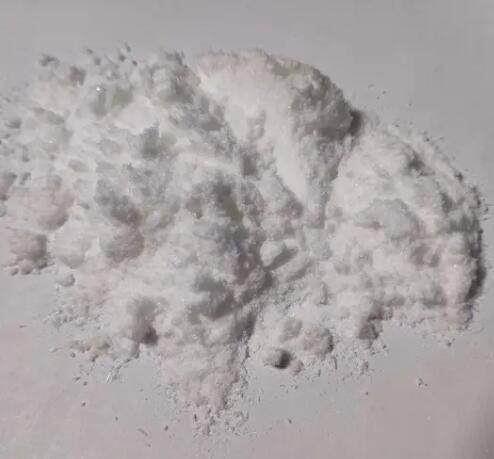
Safety is paramount when handling and utilizing lidocaine powder. The compound must comply with rigorous pharmaceutical standards, such as USP monographs, to ensure it is safe for human consumption within prescribed applications. Purity checks include monitoring for residual solvents, heavy metals, and other contaminants.
Due to its potent pharmacological effects, lidocaine powder is toxic if used improperly. Strict handling procedures must be followed, including the use of personal protective equipment (PPE) such as gloves, masks, and eye protection. Proper storage conditions—dry, cool, and shielded from light—are necessary to maintain powder stability and prevent degradation.
The lidocaine powder market faces challenges that affect pricing and availability:
- Global Supply Chains: Disruptions in manufacturing or transport can cause pricing fluctuations.
- Regulatory Changes: New or tighter regulations on pharmaceutical ingredients may increase production costs.
- Raw Material Costs: Fluctuations in raw chemical prices impact overall production expenses.
- Competition: Increasing numbers of suppliers, especially from China and India, can drive prices down but also require buyers to carefully assess supplier credibility and quality.
Considering these factors helps businesses effectively navigate procurement strategies to secure both competitive pricing and high product quality.
Selecting the right supplier and product quality for lidocaine powder is critical. Here are essential tips:
- Request certificates of analysis (COA) to verify purity specifications.
- Ensure that the supplier operates in a certified manufacturing environment compliant with GMP or equivalent standards.
- Ask for safety data sheets (SDS) and documentation proving compliance with USP or EP standards.
- Compare multiple quotations considering the landed cost, including shipping and import fees.
- Discuss options for customization if your product requires specific purity levels or packaging configurations.
- Choose suppliers with proven OEM experience to assist with branding and formulation needs.
This approach minimizes the risks and maximizes the value of your lidocaine powder procurement.
The cost of lidocaine powder varies widely and depends largely on purity, order quantity, packaging, regulatory compliance, and supplier reputation. While small quantities may cost around $30 per 100 grams, prices per kilogram can drop significantly with bulk purchases, reaching as low as $28 per kilogram in some cases. Quality assurance and proper certification are indispensable for pharmaceutical-grade lidocaine suitable for medical and health applications.
As an experienced Chinese manufacturer specializing in biotechnology, pharmaceuticals, and medical devices, we offer competitive OEM lidocaine powder solutions customized to your brand's needs. Whether you require high-purity pharmaceutical-grade lidocaine or a bulk supply for manufacturing, our factory ensures quality, compliance, and reliable delivery. Contact us today to discuss your specific requirements and receive a personalized quote.

The cost is influenced by purity grade, quantity ordered, packaging type, supplier location, compliance with pharmaceutical standards, and market demand. Bulk orders and lower purity grades typically lower the per-unit price.
Lidocaine powder can be toxic if ingested or handled improperly. It is essential to follow safety protocols, including wearing protective equipment and using the powder only for prescribed pharmaceutical or research purposes.
Pharmaceutical grade lidocaine powder commonly has a purity of 98% to 99%, meeting USP or EP monographs suitable for medical and pharmaceutical use.
Yes, many manufacturers provide OEM services, allowing customization of purity levels, packaging, and formulations to meet your specific branding and production requirements.
Lidocaine powder should be stored in airtight, sealed containers away from moisture, heat, and direct sunlight, in a cool, dry environment to maintain its stability and effectiveness.