Content Menu
● Understanding Lidocaine Powder
● Applications and Uses of Lidocaine Powder
● How to Use Lidocaine Powder in Formulations
● Detailed Step-by-Step Guide to Using Lidocaine Products
>> For Mouth or Throat Application
● Safety and Dosage Considerations
● Manufacturing and Quality Control of Lidocaine Powder
● Enhancing Formulation Quality and Efficacy
● Environmental and Regulatory Considerations
● Frequently Asked Questions (FAQs)
>> 1. What is lidocaine powder used for?
>> 2. How do you apply lidocaine topical products safely?
>> 3. Can lidocaine powder be applied directly to the skin?
>> 4. What is the maximum safe dosage of lidocaine for adults?
>> 5. How should lidocaine powder be stored?
Lidocaine powder is a versatile local anesthetic widely used in medical, dental, and cosmetic applications to provide rapid pain relief by numbing targeted areas. It works by blocking nerve signals in the body, thereby preventing the sensation of pain. As a Chinese manufacturer specializing in biotechnological and pharmaceutical products such as lidocaine, you can provide high-purity lidocaine powder to overseas brands and wholesalers for various OEM formulations including topical gels, sprays, ointments, and injectable lidocaine products.
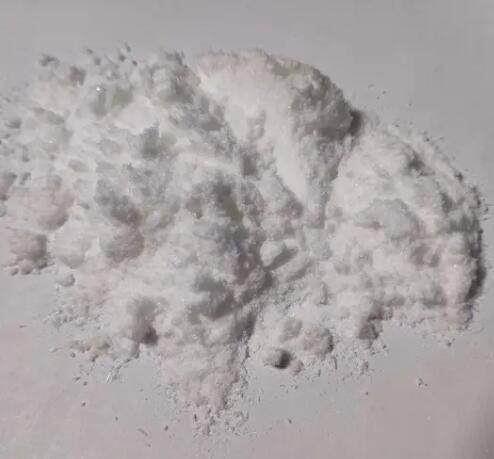
Lidocaine, chemically known as 2-(diethylamino)-N-(2,6-dimethylphenyl)acetamide, typically appears as a white crystalline powder with a molecular weight of approximately 234.3 g/mol. It is the base form used to produce lidocaine hydrochloride, a water-soluble salt commonly utilized in injectable and topical solutions. The raw lidocaine powder serves as the essential starting material in manufacturing pharmaceutical-grade products designed to produce a rapid onset and moderate duration of numbing action.
As a local anesthetic, lidocaine works by inhibiting voltage-gated sodium channels within nerve membranes, preventing the initiation and propagation of nerve impulses. This selective blockage of sodium influx results in the interruption of pain signal transmission to the central nervous system, thereby reducing discomfort during medical or cosmetic procedures.
Lidocaine powder is foundational to a variety of pharmaceutical and medical formulations and finds uses across several fields, including:
- Topical anesthetics: Products such as gels, creams, ointments, sprays, and liquids that are applied externally on the skin or mucous membranes to relieve pain, itching, or burning sensations.
- Dental anesthesia: Lidocaine-based anesthetics are widely utilized in dentistry to numb oral tissues before procedures like fillings, extractions, or root canals.
- Minor surgical procedures: Utilized to numb small, localized areas before performing biopsies, sutures, or minor skin surgeries.
- Medical procedures: Lidocaine solutions are commonly used to reduce injection pain during venipuncture or intravenous cannulation.
- Cosmetic procedures: Lidocaine formulations are included in tattoo numbing creams, microneedling preparations, hair removal treatments, and other dermatological applications to improve patient comfort.
Lidocaine powder is highly potent and insoluble in water, so it is typically processed into various pharmaceutical dosage forms rather than being applied directly. The use of lidocaine powder involves careful formulation to ensure effective and safe drug delivery:
1. Preparation: The powder is accurately weighed and dissolved in appropriate solvents such as saline or sterile water for injectable solutions. For topical preparations, it is blended with carriers such as ointment bases, gels, or creams to ensure even distribution and skin permeability.
2. Concentration: The concentration of lidocaine varies depending on the intended use:
- Topical gels and creams typically contain 0.5% to 5% lidocaine to provide surface numbing.
- Injectable anesthetics range from 0.5% to 2% lidocaine hydrochloride with or without additives like epinephrine to prolong effect.
3. Application Methods:
- For topical applications, a thin layer of lidocaine-containing product is applied onto intact skin or mucous membranes.
- Injectable forms are administered by trained healthcare professionals under sterile conditions.
4. Monitoring and Dosage Control: Dosing should be carefully managed to avoid systemic toxicity. Patients need to be informed about the timing and frequency of application or injections to ensure safety.
- Thoroughly wash your hands before handling the product.
- Apply a small, even layer of lidocaine gel or cream to the targeted skin area.
- Gently rub until evenly spread for optimal absorption.
- Allow 10 to 15 minutes for the anesthetic effect to fully develop before beginning the procedure or exposure.
- Reapply up to three to four times daily if necessary, but avoid continuous excessive use.
- Use a clean cotton swab or fingertip to apply a small amount of lidocaine gel or ointment directly to ulcers, sore spots, or inflamed mucous membranes.
- Avoid swallowing or ingesting the product and keep applications to a minimum to reduce systemic absorption.
- Maintain an interval of at least 3 hours between applications to ensure safe dosing.
- Shake the spray bottle well before use.
- Spray the recommended number of puffs (usually three to four) evenly onto the skin, oral mucosa, or the treatment area.
- Follow instructions for repeat applications and observe recommended waiting periods between sprays.

Lidocaine powder must be handled with care due to its potency and potential for toxicity if overdosed. Observing the following precautions ensures effective and safe use:
- The maximum recommended dose for adult patients is generally 4.5 mg/kg body weight within a 24-hour period, with an absolute maximum of 300 mg to avoid systemic toxicity.
- Avoid application over large, broken, or extensively damaged skin areas to minimize absorption and risk of overdose.
- Pediatric use requires special medical supervision and dosing adjustments.
- Lidocaine should never be applied near the eyes, ears, or large mucous surfaces without professional direction.
- Patients with allergies to amide anesthetics should avoid lidocaine.
- Systemic toxicity symptoms include dizziness, tinnitus, confusion, muscle twitching, seizures, or cardiac disturbances; immediate medical attention is required if these occur.
As a manufacturer of lidocaine powder, rigorous quality control processes are paramount to ensure the highest standards in purity and consistency:
- Lidocaine powder should have a purity level exceeding 99%, confirmed through standardized assay methods such as HPLC.
- The powder must be crystalline, free from contamination, and stored in a cool, dry environment away from direct sunlight to maintain stability.
- Packaging should be airtight and moisture-proof to prevent degradation.
- OEM clients can benefit from customized packaging, labeling, and compliance with international regulatory standards such as GMP and ISO certification.
- Batch testing commonly includes checking melting point, pH, residual solvents, microbial limits, and heavy metal content.
- Stability testing ensures long shelf life under recommended storage conditions.
Proper formulation techniques help improve the efficacy and patient experience of lidocaine-based products:
- Use of permeation enhancers in topical gels to increase lidocaine skin penetration.
- Incorporation of suitable emulsifiers and stabilizers to maintain homogeneity.
- Use of buffering agents to adjust pH for increased stability and reduced skin irritation.
- Microencapsulation technology in certain formulations to offer prolonged anesthetic effect.
- Innovations such as liposomal lidocaine improve delivery and reduce systemic exposure.
Manufacturing and exporting lidocaine powder require adherence to environmental and regulatory guidelines:
- Proper disposal of chemical waste and solvent residues must comply with environmental protection laws.
- Export documentation and compliance with international pharmacopeias such as USP and EP are essential for global market access.
- Suppliers must provide material safety data sheets (MSDS) and certificates of analysis (COA) to assure clients of product safety.
- Continuous monitoring and adaptation to changing regulations in pharmaceutical raw materials trade is necessary for smooth business operations.
Lidocaine powder is a fundamental raw material enabling the development of a wide range of local anesthetics used globally in medicine, dentistry, cosmetics, and minor surgical applications. The efficacy and safety of lidocaine-based products rely heavily on proper formulation, quality control, and adherence to dosage guidelines. As a reliable Chinese manufacturer and supplier, we offer high-purity lidocaine powder and fully customizable OEM services tailored to meet the diverse needs of international pharmaceutical and cosmetic brands. Partner with us for consistent quality, regulatory compliance, and timely delivery that support your business growth and customer satisfaction.
Feel free to contact us today for inquiries about lidocaine powder supply, OEM manufacturing, or to discuss your specific formulation requirements. Experience excellence in bioscience innovation and pharmaceutical production with a trusted partner.
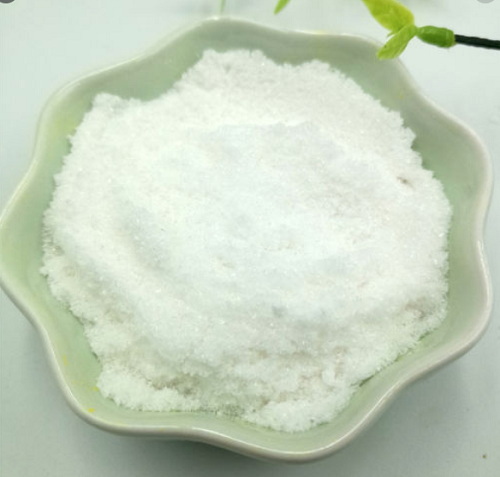
Lidocaine powder is a raw material used primarily to manufacture local anesthetic products for topical, dental, injectable, and minor surgical pain relief applications. It helps numb targeted areas by blocking nerve signals.
Apply a thin and even layer to the intact skin or mucous membrane area 2 to 4 times per day as needed. Avoid applying to broken skin or large areas, and follow professional dosing instructions to prevent overdose.
No, lidocaine powder itself must be formulated into creams, gels, sprays, or injectable solutions. Direct application of raw powder to skin is unsafe and ineffective.
The recommended maximum dose is generally 4.5 mg/kg body weight or a total of 300 mg per day to avoid potential toxicity and side effects.
Store in a sealed container in a cool, dry place away from direct sunlight and moisture to preserve purity and maintain efficacy over time.
Hot tags: Using Lidocaine Powder, Lidocaine Powder Applications, Lidocaine Powder Instructions, How to Apply Lidocaine, Lidocaine Powder Dosage, Lidocaine Powder for Pain Relief, Lidocaine Powder Guidelines, Lidocaine Powder Usage, Lidocaine Powder Benefits, Lidocaine Powder Safety