Content Menu
● Global Overview of Age Restrictions
● Rules in Other Key Countries
● Reasons Behind Age Restrictions
● Paracetamol for Children and Adolescents
● OEM Production and Supply Chain Insights
● Safe Purchasing and Usage Tips
● Health Risks and Overdose Management
● Recent Regulatory Changes (2025-2026)
● Frequently Asked Questions (FAQ)
>> 1. Is there a legal age to buy paracetamol in the UK?
>> 2. Can children under 16 take paracetamol?
>> 3. Do you need a prescription for paracetamol?
>> 4. What are the risks of buying from unverified suppliers?
>> 5. How can I verify the quality of Chinese OEM paracetamol?
Paracetamol, widely known as acetaminophen in regions like the United States, stands as one of the most commonly used over-the-counter medications for relieving pain and reducing fever. Its accessibility makes it a staple in households worldwide, but questions about age restrictions for purchasing it arise frequently due to concerns over safety, misuse, and overdose risks. This comprehensive guide explores the global landscape of age limits for buying paracetamol, delving into regulations, historical context, health implications, production insights, and practical advice to ensure safe usage.
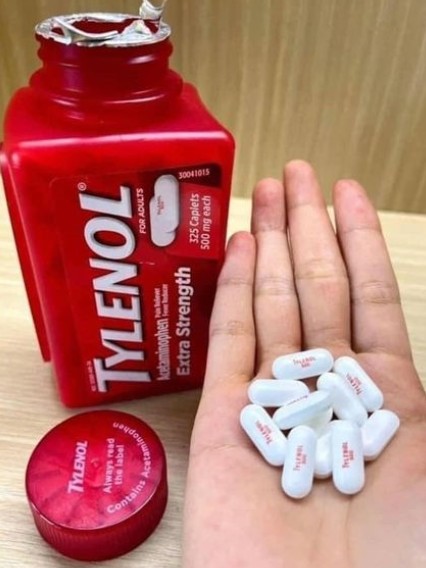
Paracetamol has a rich history dating back to the late 19th century when it was first synthesized, though it gained prominence in the 1950s after being marketed by Sterling-Winthrop as a safer alternative to aspirin. Today, it serves millions daily for headaches, muscle aches, colds, and flu symptoms. Chemically, it acts primarily as a COX inhibitor in the central nervous system, blocking pain signals and lowering fever without significant anti-inflammatory effects like ibuprofen. Unlike stronger opioids, paracetamol offers mild relief suitable for everyday use, but its narrow therapeutic index—meaning the gap between effective and toxic doses is small—necessitates strict guidelines.
Globally, annual consumption exceeds billions of doses, with the market valued at over $10 billion, led by producers in Asia. China dominates API (active pharmaceutical ingredient) manufacturing, supplying 40% or more of the world's paracetamol powder and tablets. This production prowess supports OEM services for international brands, ensuring consistent quality through GMP-certified facilities. Understanding who can buy it requires examining country-specific rules shaped by public health data on overdoses, which account for over 150,000 emergency visits yearly, many accidental or intentional among youth.
Age limits for purchasing paracetamol vary significantly across borders, reflecting diverse approaches to balancing accessibility with harm prevention. In many places, no universal legal minimum exists, but retailer policies and pharmacy oversight fill the gap. These restrictions evolved from evidence linking unsupervised youth access to self-poisoning incidents, prompting governments to tighten controls without fully restricting OTC status.
The rationale ties to paracetamol's role in 10-15% of poisoning cases in developed nations, with adolescents particularly at risk due to impulsive behaviors. Policies often include pack size limits, sales hours, or ID requirements to deter bulk buys for misuse. For instance, while adults face few barriers, minors encounter practical hurdles designed to encourage parental involvement.
The United Kingdom exemplifies nuanced rules where paracetamol is classified as a Pharmacy (P) medicine. No statutory minimum age applies under law, allowing sales to anyone, but major retailers like supermarkets and pharmacies enforce a 16+ policy. Chains such as Sainsbury's, Tesco, and Boots limit transactions to two packs at a time for those 16 and older, requiring pharmacist consultation for larger quantities. Online platforms like UK Meds often stipulate 18+ verification to comply with MHRA guidelines aimed at curbing self-harm.
Children under 16 can still access it through parents or guardians, with NHS dosing charts providing clear instructions: for ages 12-15, 10-15mL of syrup or 500-750mg tablets up to four times daily; younger children need weight-based calculations, typically 15mg/kg per dose. These measures stem from data showing liver damage as the primary overdose outcome, with symptoms like nausea and jaundice appearing hours after ingestion. High street pharmacies play a gatekeeping role, questioning buyers on symptoms to prevent inappropriate use.
Recent monitoring by UK health authorities continues, influenced by European trends toward smaller pack sizes. During the COVID-19 era, temporary sales boosts highlighted the need for education, as fever cases surged without proportional misuse spikes.
Australia updated its paracetamol scheduling in early 2025, mandating behind-the-counter sales for packs over 16 tablets in supermarkets, though no formal age limit exists. Pharmacists frequently advise or refuse sales to young children, emphasizing household storage to prevent adolescent access. This followed studies linking larger packs to higher overdose rates.
In the United States, acetaminophen enjoys unrestricted OTC availability regardless of age, but some states require ID for minors at certain pharmacies, and the FDA mandates child-resistant packaging and clear warnings. Canada mirrors this lax approach nationally, relying on pharmacist discretion.
European variations abound: France and Germany permit sales to all ages but cap pack sizes at 8-10 tablets without supervision. In Asia, China's OTC market imposes no age barriers, focusing on licensed bulk distribution, while Japan requires pharmacist involvement for minors. India's pharmacies often sell freely, though urban chains adopt 18+ policies amid rising awareness of liver toxicity cases.
Developing nations like Brazil prioritize affordability, with minimal restrictions, but public campaigns educate on dosing. These differences underscore how economic factors, overdose epidemiology, and cultural attitudes shape policy.
Public health drives these limits, rooted in paracetamol's toxicity profile. Exceeding 4g daily risks acute liver failure, treatable only with N-acetylcysteine if caught early. Youth are vulnerable: UK statistics reveal self-poisoning peaks at ages 15-19, often with paracetamol due to its ubiquity. Globally, half of overdoses are accidental, from misreading labels or combining with alcohol.
Restrictions mitigate this by promoting supervised purchases. Retailers train staff to spot red flags like large-quantity requests, while education campaigns stress maximums: 8x500mg tablets daily for adults. Special populations—those with liver disease, malnutrition, or on medications like warfarin—face heightened risks, requiring medical oversight.
Pregnancy and breastfeeding pose minimal concerns if dosed correctly, making paracetamol a first-line choice. Comparisons to alternatives like ibuprofen highlight paracetamol's gentler stomach profile, though neither suits chronic pain without advice.
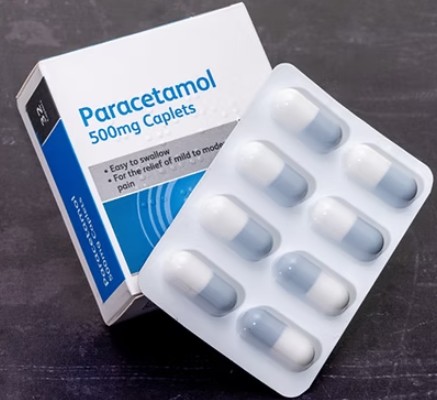
Pediatric use demands precision. NHS guidelines tailor doses by age and weight: infants under 2 months need medical approval; ages 2-3 months get 0.6mL/kg four times daily. Teens mirror adult doses but must heed limits. Parents play a crucial role, storing medications securely and using measuring devices over teaspoons.
Studies affirm safety when guidelines are followed, with rare allergic reactions. Schools and camps stock it for emergencies, administered by trained staff. Long-term, educating youth on risks fosters responsible habits, reducing future misuse.
China's factories, including those like supplybenzocaine.co.uk, excel in paracetamol OEM for global wholesalers and brands. Specializing in biotech, pharma, and medical devices, they offer tablets (500mg standard), capsules, powders, and custom formulations under GMP, ISO, and FDA-equivalent standards. Services span R&D, production, and packaging, with scalable batches from 1,000 to millions of units.
Advantages include 30-50% cost savings versus Western manufacturing, rapid turnaround (4-6 weeks), and export compliance for EU/US markets. Quality controls feature HPLC purity testing (>99.5%), stability studies, and third-party audits. Bulk API from producers like Anhui BBCA ensures reliability, while private labeling allows brands to maintain identity.
Logistics streamline via sea/air freight, with MOQs as low as 100kg. This model supports private labels for paracetamol variants, including effervescent or combo packs with caffeine. As demand grows post-2025 regulatory shifts, OEM partnerships offer stability amid supply chain volatility.
Buy from reputable sources: check expiry dates, seals, and holograms. Online, verify site credentials and age gates. For bulk, OEM direct cuts intermediaries. Usage maxims: space doses 4-6 hours apart, never exceed recommended amounts, and avoid alcohol.
Storage matters—cool, dry places away from children. If symptoms persist beyond 3 days, seek medical help. Mixing with other meds? Cross-check active ingredients to avoid doubling up.
Overdose manifests in stages: phase 1 (0-24 hours) with nausea; phase 2 (24-72 hours) right abdominal pain; phase 3 (72-96 hours) liver failure. Seek immediate care—hospitals monitor ALT levels and administer antidotes. Chronic low-dose excess also harms, common in pain management.
Interactions include enhanced effects with metoclopramide or reduced efficacy with codeine. Vulnerable groups like the elderly adjust downward.
Australia's February 2025 reforms slashed supermarket packs to 16 tablets, boosting pharmacy sales 20%. The UK debates similar tweaks amid self-harm data. Globally, WHO pushes harmonized warnings, influencing API exporters.
Navigating age restrictions for buying paracetamol reveals a thoughtful global framework prioritizing safety without sacrificing access. From UK retail policies favoring 16+ buyers to unrestricted markets and robust Chinese OEM production, informed decisions empower users and businesses alike.
Ready to elevate your brand with premium paracetamol OEM services? Partner with supplybenzocaine.co.uk, your trusted Chinese factory for biotech, pharma, and device solutions. Contact us today for custom quotes, samples, and seamless global supply!
Contact us to get more information!
No strict legal minimum exists, but most retailers enforce a 16+ policy, with online sales often requiring 18+ verification to align with safety guidelines.
Yes, under parental supervision with precise age- and weight-based dosing; consult a doctor or pharmacist for children under 12 months.
Generally no, as it's over-the-counter, but prescriptions may apply for high doses or specific formulations in certain scenarios.
Unverified sources risk contaminated or substandard products leading to inefficacy or harm; opt for GMP-certified OEM manufacturers.
Request certificates (GMP, COA), third-party lab reports, and factory audits; reputable suppliers like supplybenzocaine.co.uk provide full transparency.
1. https://www.oreateai.com/blog/the-age-requirement-for-buying-paracetamol-what-you-need-to-know/30e8b7742bd09e2ef7a8cde7660217f0
2. https://cn.b2brazil.com/hotsite/anhuibbca/paracetamol-tablets-acetaminophenol-tabl
3. https://www.ukmeds.co.uk/blog/how-old-do-you-have-to-be-to-buy-paracetamol
4. https://www.supplybenzocaine.co.uk/where-can-i-buy-paracetamol-500mg.html
5. https://www.nhs.uk/medicines/paracetamol-for-adults/who-can-and-cannot-take-paracetamol-for-adults/
6. https://pharmaoffer.com/zh-CN/api-excipient-supplier/analgesics/paracetamol
7. https://creakyjoints.org.au/news-and-features/new-paracetamol-access-rules-what-they-mean-for-people-with-chronic-conditions/
8. https://www.weibangbio.com/oem-ibuprofen-paracetamol-exporter/
9. https://www.psa.org.au/changes-to-paracetamol-scheduling-will-reduce-risk-of-harm-to-children-and-adolescents/
10. https://www.weibangbio.com/oem-paracetamol-powder-manufacturer/
Hot tags: Paracetamol Age Limit, Buy Paracetamol Age Requirement, Paracetamol Purchase Age, Minimum Age Paracetamol, Paracetamol Legal Age, Age Restrictions Paracetamol, Paracetamol Sale Age Policy, Can Minors Buy Paracetamol, Paracetamol ID Requirements, Paracetamol Purchase Guidelines