Content Menu
● Understanding Age Restrictions for Paracetamol Purchases
● Paracetamol in the United Kingdom: Detailed Retailer Policies
● Global Variations: Age Limits Around the World
● Safe Usage Ages: From Infants to Adults
● Reasons Behind Age and Pack Restrictions
● Online Sales: Stricter Verification Protocols
● Implications for Pharmaceutical Brands and OEM Sourcing
● Risks of Overdose and Prevention Strategies
● Historical Context and Evolving Regulations
● FAQ
>> 1. How old do you have to be to buy paracetamol in the UK?
>> 2. Can children under 16 safely take paracetamol?
>> 3. Why are pack limits imposed on paracetamol sales?
>> 4. Is there a worldwide legal age for buying paracetamol?
>> 5. How can brands ensure paracetamol products meet global age rules?
Paracetamol, widely known as acetaminophen in regions like the United States, stands as one of the most commonly used over-the-counter medications for relieving pain and reducing fever. Its accessibility makes it a staple in households worldwide, but questions about age restrictions for purchasing it arise frequently due to concerns over safety, misuse, and overdose risks. This comprehensive guide explores the global landscape of age limits for buying paracetamol, delving into regulations, retailer policies, safe usage guidelines, and implications for international brands seeking OEM manufacturing solutions.
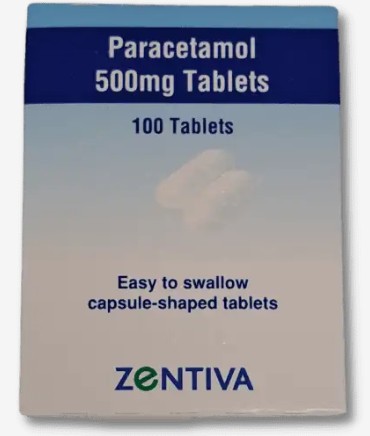
The phrase "how old to buy paracetamol" often sparks confusion because it blends legal regulations, retailer practices, and medical safety guidelines. In essence, there is no universal legal minimum age for purchasing paracetamol across the world; instead, policies vary by country, region, and even individual stores. Retailers frequently impose their own age thresholds, typically around 16 years or older, to mitigate risks associated with misuse, particularly among young people.
This variability stems from paracetamol's dual role as a safe, everyday remedy when used correctly and a potential hazard in cases of overdose, which can lead to severe liver damage. Governments and health authorities implement controls not just on age but also on pack sizes and quantities per transaction to promote responsible sales. For families, this means younger children rely on adults for purchases, while teenagers may face scrutiny at checkout.
Beyond consumer access, these rules have significant implications for pharmaceutical brands, wholesalers, and manufacturers. Companies developing paracetamol products must design packaging, labeling, and formulations that align with diverse international standards, making partnerships with experienced OEM factories crucial for compliance and market success.
In the UK, paracetamol enjoys general sales list status, meaning it can be sold without a prescription in supermarkets, convenience stores, and pharmacies, but with strict limitations. There is no explicit legal minimum age enshrined in medicines legislation for buying paracetamol tablets or liquids. However, major retailers like Tesco, Boots, and Superdrug universally enforce a policy of selling only to individuals aged 16 and over.
This retailer-led restriction serves as a frontline defense against potential self-harm or accidental overuse, especially given statistics showing paracetamol as a common agent in poisoning incidents among adolescents. Staff are trained under "Think 25" protocols, challenging anyone appearing under 25 for ID such as a passport, driving license, or other proof of age. Online platforms often raise the bar further, requiring buyers to be 18 or older, with age verification during registration or at checkout.
Pack quantity limits reinforce these age checks: typically, no more than two packs (up to 32 tablets or 100 tablets total in some cases) per transaction in non-pharmacy settings. Larger purchases trigger pharmacist intervention, who may counsel the buyer or refuse the sale. For children under 16, parents or guardians are expected to handle purchases, ensuring products are stored safely and dosed appropriately at home.
These UK practices exemplify a balanced approach: broad availability for legitimate needs while layering safeguards to protect vulnerable groups. International observers note how such policies influence product design, from child-resistant caps to prominent warnings on labels.
Paracetamol age restrictions differ markedly worldwide, reflecting local health priorities, cultural norms, and regulatory frameworks. In the United States, marketed as acetaminophen, there is no federal minimum purchase age for over-the-counter sales. Pharmacies and stores sell it freely to consumers of all ages, though some chains like CVS or Walgreens may request ID for large quantities or suspicious purchases. Pediatric formulations dominate for younger users, with clear dosing instructions based on weight and age.
Across the European Union, directives harmonize some aspects but leave room for national discretion. In France and Germany, paracetamol is freely available in small packs from age 15 or with parental consent in some outlets, while pharmacies emphasize counseling for adolescents. Australia's Therapeutic Goods Administration imposes pack limits similar to the UK—maximum 24 tablets in general retail—and encourages age checks at 18, though not legally mandated.
In Canada, acetaminophen sales face no age barrier, but provinces like Ontario guide retailers to restrict unsupervised youth purchases. Developing markets like India and Brazil often have laxer rules, with paracetamol ubiquitous in corner shops without age verification, prompting WHO recommendations for tighter controls. In contrast, Japan requires pharmacy-only sales for higher strengths, effectively gatekeeping access through professional oversight.
These disparities challenge global brands: a product compliant in the US might violate UK pack rules or EU labeling standards. OEM partners help navigate this by offering region-specific variants, from low-dose children's syrups to adult extended-release tablets.
While purchase ages hover around 16-18 in many places, safe usage begins much earlier. Neonatal intensive care units administer paracetamol to newborns under medical supervision, transitioning to over-the-counter child suspensions from 2 months with precise weight-based dosing. For example, infants under 3 months receive 10-15 mg/kg every 6-8 hours, scaling up gradually.
By ages 6-12, chewable tablets or lower-strength 250 mg doses become suitable, always under adult oversight. Teenagers can manage standard 500 mg tablets from around 12 years, capped at 4 grams daily for adults but lower for youth. Exceeding these limits risks hepatotoxicity, with symptoms like nausea and jaundice appearing hours after ingestion.
Education plays a pivotal role: parents learn from pediatricians or package inserts, while schools incorporate overdose awareness in health curricula. Liquid measures with syringes prevent dosing errors, a common pediatric issue. For elderly users, reduced liver function necessitates dose adjustments, underscoring paracetamol's broad but cautious applicability.
Overdose prevention drives most restrictions. Paracetamol accounts for roughly 50% of acute liver failure cases in developed nations, often from intentional acts or cumulative dosing errors. By limiting retail packs to 16-32 tablets, authorities reduce the immediate availability for impulsive harm—studies show such measures cut suicide attempts by up to 43% in implemented regions.
Pharmacist gates for bulk buys catch at-risk individuals, offering counseling or referrals. Labeling mandates clear maximum daily intakes (4g for adults), time intervals (4-6 hours), and interactions with alcohol or fasting states. Campaigns like the UK's "Know Your Dose" amplify these messages via TV, social media, and point-of-sale posters.
Economic factors also interplay: unrestricted sales boost volume but heighten liability for retailers facing fines or lawsuits. Brands benefit from compliant designs, avoiding recalls that erode trust.
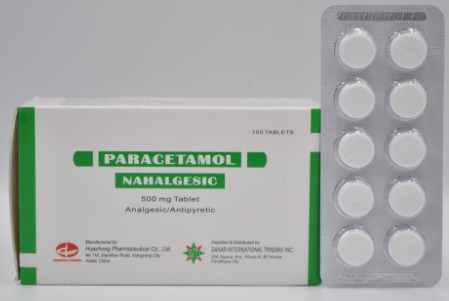
E-commerce amplifies challenges with anonymous transactions. UK online pharmacies mandate 18+ status, digital ID uploads, or "one-time passcode" age checks. Platforms like Amazon cross-reference accounts with birthdates, blocking underage orders. In the US, while looser, sites flag bulk buys for review.
Cross-border sales invoke additional hurdles: EU distance-selling rules demand licensed status, while customs seize non-compliant imports. For OEM clients, this means ensuring products ship with multilingual inserts and tamper-evident seals.
For overseas brands, wholesalers, and producers, paracetamol's regulatory mosaic demands strategic manufacturing. Key considerations include:
- Formulation tweaks: Effervescent tablets for Europe, caplets for the US.
- Pack compliance: Blister strips matching retail limits.
- Labeling: Age/dose icons, overdose hotlines in local languages.
Chinese OEM factories excel here, leveraging GMP-certified lines, API synthesis, and export dossiers. From powder blending to finished liquids, they customize for 16+ retail focus or pediatric markets, with COAs, stability data, and audits streamlining approvals. Bulk pricing, MOQs as low as 1 ton, and door-to-door logistics make them ideal for private-label launches.
Supplybenzocaine.co.uk exemplifies this capability, serving global clients with paracetamol powders, tablets, and devices under one roof.
Delving deeper, paracetamol toxicity follows a predictable path: Phase 1 nausea within hours, Phase 2 latent 24-72 hours, then potential liver failure. Acetylcysteine antidotes early cases, but delays prove fatal. Prevention hinges on awareness—apps track doses, smart bottles signal refills.
Public health initiatives target teens via TikTok reels and school programs, reducing ER visits. Brands embed QR codes linking to dose calculators, enhancing responsibility.
Paracetamol's journey began in 1893, OTC since the 1950s. UK pack curbs followed 1998 self-harm spikes; similar evolutions occurred elsewhere. Post-2020 pandemic surges prompted tighter online rules amid stockpiling.
Navigating "how old to buy paracetamol" reveals a nuanced system prioritizing safety through retailer policies (often 16+), pack limits, and dosing vigilance, rather than rigid laws. Children benefit from early access under supervision, while global variations underscore adaptive product strategies.
For brands eyeing paracetamol lines, partnering with a premier Chinese OEM like supplybenzocaine.co.uk unlocks compliant, cost-effective production—from R&D to global shipping. Contact our expert team today for quotes, samples, and tailored solutions to elevate your pharma portfolio. Let's collaborate for safer, smarter markets!
Contact us to get more information!
Most UK retailers sell paracetamol only to those aged 16 or older, despite no legal minimum age. Online services often require 18+, with ID verification common.
Yes, from infancy with age/weight-appropriate formulations under adult supervision. Liquids suit babies; tablets start around 6-12 years at reduced doses.
To curb overdose risks by limiting tablets available per purchase, proven to lower self-harm incidents significantly.
No universal law exists; countries rely on national regs, retailer policies (16-18+), and pharmacy oversight.
Via OEM partners customizing packs, labels, and docs for local retail/online compliance, speeding market entry.
1. https://www.theindependentpharmacy.co.uk/pain/guides/paracetamol-sale-restrictions-how-old-do-you-have-to-be-to-buy-paracetamol
2. https://www.ukmeds.co.uk/blog/how-old-do-you-have-to-be-to-buy-paracetamol
3. https://lead-academy.org/blog/how-old-do-you-have-to-be-to-buy-paracetamol/
4. https://nida.nih.gov/publications/drugfacts/over-counter-medicines
5. https://pmc.ncbi.nlm.nih.gov/articles/PMC4674926/
6. https://www.oneeducation.org.uk/how-old-must-you-be-to-buy-the-paracetamol/
7. https://cdn.acs.org.uk/public/downloads/acs-advice-age-restricted-sales-aw5-31.10.16-v3-hr-spreads.pdf
8. https://www.globalrescue.com/common/blog/detail/ban-over-the-counter-drugs-medication-international-travel/
Hot tags: Paracetamol Age Restrictions, Buy Paracetamol Online, Minimum Age Paracetamol Purchase, Paracetamol Legal Age, Can Minors Buy Paracetamol, Paracetamol Purchase Guidelines, Age Limit for Paracetamol, Paracetamol Over Counter Age, Paracetamol Buying Rules, Paracetamol Age Policy