Content Menu
● Understanding the Solubility of Benzocaine Powder
● Step-by-Step Guide to Completely Dissolve Benzocaine Powder
>> 1. Choose the Right Solvent
>> 2. Preparing the Benzocaine Solution
>> 3. Adjusting pH When Relevant
>> 4. Incorporation into Final Formulations
>> 5. Filtration and Quality Inspection
● Additional Practical Tips for Efficient Benzocaine Dissolution
● Safety Precautions When Handling Benzocaine and Solvents
● Applications Following Benzocaine Dissolution
● Frequently Asked Questions FAQ
>> 1. How long does it take to dissolve benzocaine powder completely?
>> 2. Can benzocaine be dissolved directly in water?
>> 3. Is applying heat necessary during dissolution?
>> 4. What solvents are safe for pharmaceutical benzocaine formulations?
>> 5. How should benzocaine solutions be stored to maintain efficacy?
Benzocaine is a topical anesthetic widely used in pharmaceutical, medical, and cosmetic applications to relieve pain and itching. For manufacturers, formulators, and researchers, understanding how to completely dissolve benzocaine powder is essential for producing stable, effective creams, gels, sprays, or solutions. Whether you are preparing an ointment base, formulating a pharmaceutical product, or conducting chemical research, mastering the dissolution of benzocaine powder is crucial.
In this comprehensive guide, we will cover benzocaine's solubility properties, the best solvents and methods for complete dissolution, safety precautions, and practical tips to get a clear, uniform solution. Alongside detailed instructions, we will also provide informative explanations to enhance your understanding.
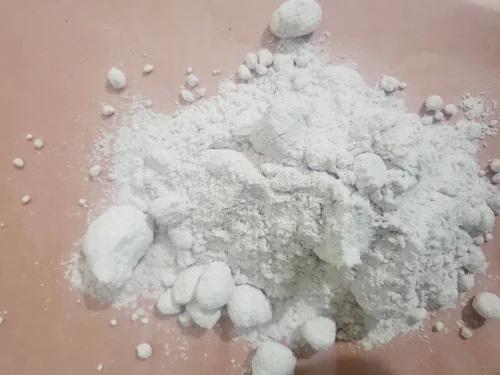
Benzocaine chemical formula C9H11NO2 is an ester local anesthetic commonly used in oral pain relief, topical pain management, and procedural anesthesia. It is sparingly soluble in water but dissolves well in organic solvents like ethanol and chloroform.
- Oral pain relief toothache, sore throat, mouth ulcers
- Topical pain relief from burns, insect bites, and skin irritations
- Component in ear drops for otic pain relief
- Ingredient in anti-itch preparations and condoms to delay ejaculation
To dissolve benzocaine powder fully, it is important to understand its solubility profile and chemical interactions.
- Water: Benzocaine is sparingly soluble in water, with solubility roughly around 1 part benzocaine to 2,500 parts water by weight. This makes direct dissolution in water inefficient and often incomplete.
- Ethanol: Benzocaine is freely soluble in ethanol and other alcohols, making ethanol the most practical solvent in many pharmaceutical and industrial applications.
- Chloroform and Ether: Benzocaine is very soluble in these organic solvents. However, due to their volatility, toxicity, and regulatory issues, they are less commonly used in production environments.
- Dilute Acids: Benzocaine dissolves better in acidic aqueous solutions by forming water-soluble salts, which enhances its bioavailability in certain formulations.
- Oils and Polyethylene Glycols PEG: For specialized non-aqueous topical formulations, benzocaine is routinely dissolved in PEG or suitable oils to provide sustained release and prolong anesthetic effects.
The solubility behavior of benzocaine strongly influences how it should be handled and formulated in industrial and research settings.
Selecting the appropriate solvent based on your application is paramount.
- Use ethanol 95% or another pharmaceutical-grade alcohol as the primary solvent for fast and complete dissolution.
- Avoid using water alone unless you intend to adjust the pH or prepare benzocaine salts for improved solubility.
- For ointments or creams, pre-dissolve benzocaine in ethanol or an appropriate oil before mixing it into the final base to ensure uniform distribution.
- Accurately weigh the desired amount of benzocaine powder using analytical balances to ensure formulation precision.
- Gradually add the benzocaine powder to the ethanol solvent while stirring continuously. This gradual addition prevents clumping and facilitates faster dissolution.
- Mild heating below the boiling point of ethanol, around 78°C can assist the dissolution process by increasing molecular movement but avoid overheating which can cause benzocaine degradation or solvent evaporation.
- Continue stirring for 10 to 30 minutes or until the solution becomes clear, indicating complete dissolution.
When preparing aqueous solutions or gels containing benzocaine, modifying the pH can further enhance solubility:
- Benzocaine is a weak base, and in a slightly acidic environment, it forms benzocaine salts e.g., benzocaine hydrochloride, which are more water-soluble.
- Use buffer solutions to stabilize pH at around 4.0–6.0, depending on formulation requirements.
- Avoid alkaline conditions as they reduce solubility and may cause benzocaine precipitation.
Once the benzocaine is fully dissolved in ethanol or oil:
- Slowly mix the benzocaine solution into the cream, gel, or ointment base under continuous stirring or homogenizing conditions.
- Use mechanical stirrers or homogenizers especially for larger batches to ensure uniform active ingredient distribution.
- Maintain temperature control to keep consistent viscosity and avoid phase separation.
- Filter the benzocaine solution through appropriate membrane filters 0.2 to 0.45 microns to remove any undissolved particles or impurities.
- Check the filtered solution visually for clarity and absence of cloudiness or visible particulates.
- Conduct stability testing under various storage conditions to confirm the formulation's lasting homogeneity and efficacy.
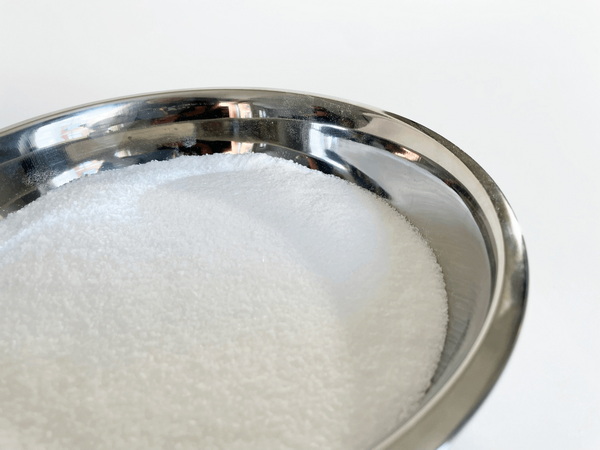
- Finely powdered benzocaine dissolves faster due to increased surface area. If crystal sizes are large, consider micronizing before dissolution.
- Avoid sudden temperature fluctuations during dissolution; consistent temperature aids steady solubility.
- Employ magnetic stirrers or overhead stirrers for laboratory batches and mechanical agitators for industrial batches to maintain continuous agitation.
- In laboratories or manufacturing setups, reflux systems help maintain solvent volume and temperature control for extended dissolving tasks.
- Use freshly opened bottles of solvents and benzocaine to avoid moisture contamination that can affect solubility.
Proper safety procedures minimize risk and ensure a safe working environment:
- Benzocaine powder can cause skin and respiratory tract irritation; always use personal protective equipment PPE such as gloves, lab coats, and safety goggles.
- Ethanol and other organic solvents are flammable. Operate in well-ventilated areas and keep sources of ignition away.
- Use fume hoods or adequate local exhaust ventilation to avoid inhalation of dust and vapors.
- Follow proper waste disposal guidelines for organic solvents and chemical residues to prevent environmental contamination.
- Store benzocaine and solvents in tightly sealed containers, away from heat sources, direct sunlight, and incompatible chemicals such as strong oxidizers.
Successfully dissolved benzocaine powder is foundational to numerous products and uses:
- Pharmaceutical topical gels and sprays with consistent anesthetic potency.
- Ointments and creams providing localized pain and itch relief.
- Oral lozenges and throat sprays designed for effective mucosal anesthesia.
- Ear drops for otic pain control.
- Research and development in medicinal chemistry and formulation science.
Mastering the complete dissolution of benzocaine powder in suitable solvents such as ethanol is essential to producing reliable and high-quality pharmaceutical and medical products. Following precise methods—choosing the correct solvent, using adequate stirring and mild heating, adjusting pH when needed, and applying suitable filtration—will help achieve a clear, uniform solution. This is crucial for ensuring consistent product efficacy and safety in both industrial manufacturing and research environments.
If you are looking for reliable OEM services specializing in benzocaine powder dissolution and formulation, our expertise in biotechnology, pharmaceuticals, and medical device manufacturing can support your brand's success. Contact us today to discuss your custom requirements and benefit from top-tier product quality and technical support.
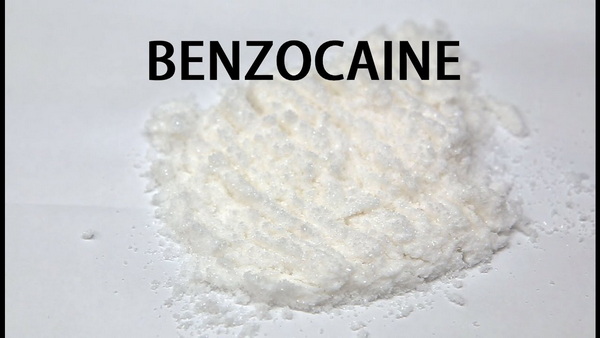
Typically, benzocaine takes between 10 and 30 minutes to fully dissolve in ethanol with continuous stirring and mild heat. The exact time varies depending on solvent volume, temperature, and powder particle size.
Benzocaine is sparingly soluble in water and does not dissolve efficiently by itself. It is better dissolved in alcohols or converted into water-soluble salts for aqueous applications.
Mild heating accelerates benzocaine dissolution by increasing molecular interactions. However, excessive heat should be avoided to prevent degradation of benzocaine and evaporation of volatile solvents.
Pharmaceutical-grade ethanol, polyethylene glycols, certain oils, and buffered acidic solutions are considered safe and commonly used solvents for benzocaine in topical and oral formulations.
Store benzocaine solutions in airtight, light-resistant containers at controlled room temperature, shielded from heat and direct sunlight to prevent degradation and maintain stability.
[1]https://www.youtube.com/watch?v=RiTN1EYB-rs
[2]https://www.mayoclinic.org/drugs-supplements/benzocaine-topical-application-route/description/drg-20072913
[3]https://en.wikipedia.org/wiki/Benzocaine
[4]https://www.drugwatch.com/benzocaine/
[5]https://cdn.caymanchem.com/cdn/msds/20132m.pdf
[6]https://patents.google.com/patent/US2457188A/en
[7]https://www.youtube.com/watch?v=cg6PJYp3qPM
[8]https://go.drugbank.com/drugs/DB01086
[9]https://www.ncbi.nlm.nih.gov/books/NBK541053/
[10]https://www.lewisu.edu/academics/biology/pdf/benzocaine.pdf
[11]https://www.uspharmacist.com/article/benzocaine-2-and-vitamins-a-and-d-ointment
[12]https://www.youtube.com/watch?v=4H2MSSJkclw
[13]https://pubchem.ncbi.nlm.nih.gov/compound/Benzocaine
[14]https://www.mayoclinic.org/drugs-supplements/benzocaine-oral-route-oromucosal-route/description/drg-20072824
[15]https://www.sigmaaldrich.com/sds/sigma/e1501
[16]https://www.supplybenzocaine.co.uk/how-to-dissolve-benzocaine-powder.html
[17]https://www.tiktok.com/@integral_chemistry/video/7263212175764802859
[18]https://www.selleckchem.com/datasheet/benzocaine-S421001-DataSheet.html
[19]https://www.drugs.com/mtm/benzocaine-topical.html
[20]https://sds.edqm.eu/pdf/SDS/EDQM_201600099_2.0_SDS_EN.pdf
Hot tags: Dissolve Benzocaine Powder, Benzocaine Solubility Tips, How to Mix Benzocaine, Benzocaine Powder Solutions, Benzocaine Dissolution Methods, Benzocaine in Alcohol, Benzocaine Solvent Guide, Benzocaine Powder Preparation, Benzocaine Mixing Techniques, Benzocaine Solubility in Water