Content Menu
● What is Procaine G Penicillin?
● Why Use Procaine G Penicillin for Rabbits?
● Safety Precautions and Warnings
● Step-by-Step Guide to Diluting and Administering Procaine G Penicillin for Rabbits
>> Step 1: Preparation of the Antibiotic Suspension
>> Step 3: Drawing the Medication
>> Step 4: Injection Site Preparation
>> Step 5: Administering the Injection
>> Step 6: Aftercare and Monitoring
● Additional Tips and Best Practices for Injection Safety
● Visual and Video Resources to Enhance Your Technique
● Troubleshooting and What to Avoid
● Storage and Handling Guidelines
● FAQ
>> 1. Can Procaine G Penicillin be given orally to rabbits?
>> 2. What is the appropriate dosage of Procaine G Penicillin for rabbits?
>> 3. How frequently should injections be administered?
>> 4. What should I do if the rabbit has an allergic reaction to the injection?
>> 5. How should leftover Procaine G Penicillin be stored?
Procaine G Penicillin is a widely used antibiotic in veterinary medicine, especially effective in treating bacterial infections in rabbits. Due to the delicate physiology of rabbits and their sensitivity to certain drugs, it is critical to properly dilute and administer Procaine G Penicillin to avoid adverse effects and ensure efficient treatment. This detailed guide will help veterinary professionals, animal caregivers, and pharmaceutical personnel understand the best practices for dilution, dosage calculation, injection techniques, and safety measures when using Procaine G Penicillin for rabbit injections.
Procaine G Penicillin combines penicillin G, a powerful bactericidal antibiotic, with procaine, an anesthetic that slows the release of penicillin into the bloodstream. This combination ensures prolonged antimicrobial effects, making it suitable for infections caused by susceptible bacteria such as certain strains of Gram-positive and some Gram-negative bacteria. The slow absorption helps maintain effective blood concentrations over a more extended period compared to regular penicillin, reducing the frequency of administration needed.
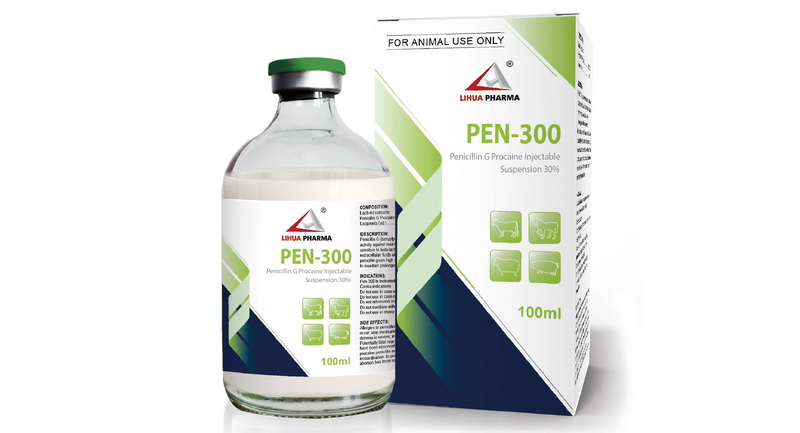
Rabbits commonly suffer from respiratory, abscess-related, and systemic bacterial infections. Procaine G Penicillin is favored for its:
- Effectiveness against the bacteria commonly infecting rabbits.
- Extended therapeutic action, enabling less frequent dosing.
- Injectable formulation ensuring the antibiotic reaches the bloodstream directly and efficiently.
- Suitability for intramuscular and subcutaneous injections, both appropriate for rabbits.
Using it correctly is essential to avoid overdosing or underdosing, which could lead to treatment failure or toxicity.
While Procaine G Penicillin is effective, it must be administered with caution:
- Oral administration is strictly contraindicated as it can be toxic to rabbits.
- Avoid intravenous injection since it can cause immediate adverse reactions.
- Use sterile needles and syringes, and avoid reusing the same injection site within the treatment period to minimize tissue damage.
- Monitor rabbits closely for allergic or hypersensitivity reactions such as swelling, difficulty breathing, lethargy, or hives.
- Consult a veterinarian before use to tailor dosage and duration to the specific infection.
Before dilution, shake the vial containing Procaine G Penicillin injectable suspension vigorously to resuspend any settled particles. In cases where the antibiotic is supplied as a powder, reconstitute following the manufacturer's guidelines using sterile water for injection or a manufacturer-approved diluent. Use aseptic techniques throughout preparation to avoid contamination.
Determine the precise dose based on the rabbit's body weight. Typical dosing is around 30 mg of penicillin G per kilogram of body weight. For example, a 2 kg rabbit needs 60 mg of the antibiotic. Confirm the concentration of penicillin G in your product (noted in international units or mg/ml) to calculate the correct volume for injection.
Using a sterile syringe and needle, shake the bottle again then carefully withdraw the calculated volume. Expel any air bubbles by tapping the syringe and gently pushing the plunger. This ensures accurate dosing and prevents air embolism.
Common sites for injection in rabbits are the scruff of the neck for subcutaneous injections or the thigh muscles for intramuscular injections. Clean the injection site with an alcohol swab to minimize infection risk.
For subcutaneous injection, gently lift the skin to “tent” it and insert the needle into the created space beneath the skin; this method is less stressful for rabbits. For intramuscular injections, insert the needle into the muscle, usually the thigh. Before injecting, pull back slightly on the plunger to check that no blood vessel has been punctured. Inject the medicine slowly to prevent tissue trauma. After withdrawal, apply gentle pressure or a clean cotton ball on the site to reduce bleeding.
Monitor the rabbit post-injection for at least 30 minutes for any adverse effects. Signs of allergic reaction or discomfort should prompt immediate veterinary consultation. Continue injections as prescribed, usually once every 24 hours for 3 to 5 days, depending on the severity of the infection and veterinary advice. Store any leftover medication under refrigeration, following the product-specific storage instructions.
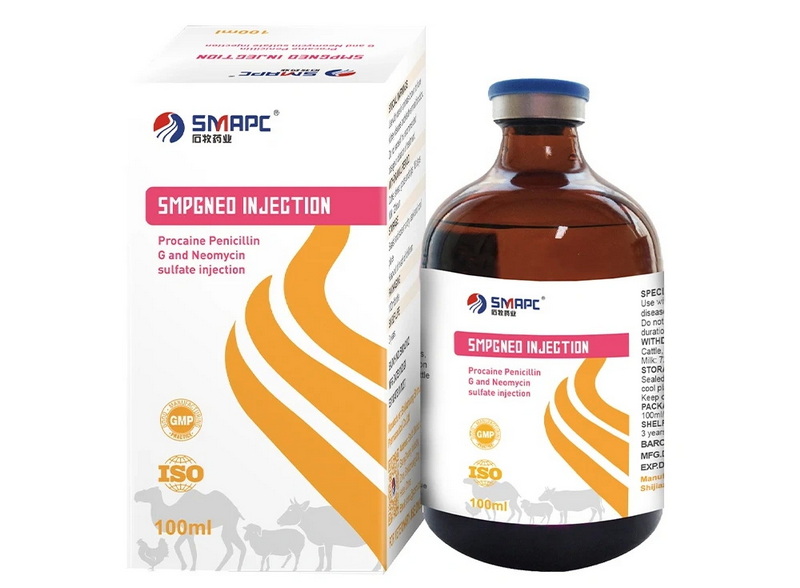
- Rotate injection sites to prevent tissue irritation or damage from repeated injections in the same area.
- Use the smallest gauge needle possible to reduce discomfort and tissue trauma.
- Always verify the expiration date and appearance of the penicillin suspension before use to ensure efficacy and safety.
- Dispose of needles and syringes safely to prevent contamination and needle-stick injuries.
- Keep detailed records of the dosage, injection site, and timing for each treatment session.
Visual learning can reinforce the correct injection technique for rabbits. The following videos provide step-by-step demonstrations that help improve confidence and accuracy:
- “Penicillin Injections for Rabbits” by All Creatures Animal Clinic demonstrates proper handling and subcutaneous injection technique, emphasizing gentle restraint and correct medication measurement.
- “Subcutaneous Injections for Rabbits” offers a clear guide on performing subcutaneous injections, highlighting how to tent the skin and avoid complications.
These resources complement this guide by showing practical applications in real settings, which is especially helpful for those new to treating rabbits or administering injections.
- Do not administer Procaine G Penicillin orally due to rabbit sensitivity.
- Never skip shaking the vial; the medication is a suspension and needs thorough mixing.
- Avoid intravenous injection or overly rapid administration; these can cause serious reactions.
- Never use expired or discolored medication as it may be ineffective or harmful.
- Watch carefully for signs of allergic reactions or injection site issues, and seek veterinary advice promptly if conditions worsen.
Proper storage maintains the medication's potency and safety:
- Keep unopened vials in a cool (usually below 30°C), dark place.
- Reconstituted or diluted medication should be refrigerated and used within the timeframe specified by the manufacturer, typically within 7 days.
- Protect the medication from contamination by always using sterile needles and avoiding repeated vial entries if possible.
- Discard unused medication safely following local regulations to prevent environmental contamination.
Effectively diluting and administering Procaine G Penicillin to rabbits requires precision, aseptic technique, and veterinary guidance. Following the outlined steps ensures safe, effective treatment, reducing the risk of adverse effects and promoting recovery from bacterial infections. This guide, supported by instructional videos and best practices, equips veterinary professionals and caregivers with essential knowledge to handle rabbit penicillin injections confidently. For customized veterinary pharmaceutical solutions or OEM services, contact our specialized manufacturing team to meet your global brand needs.
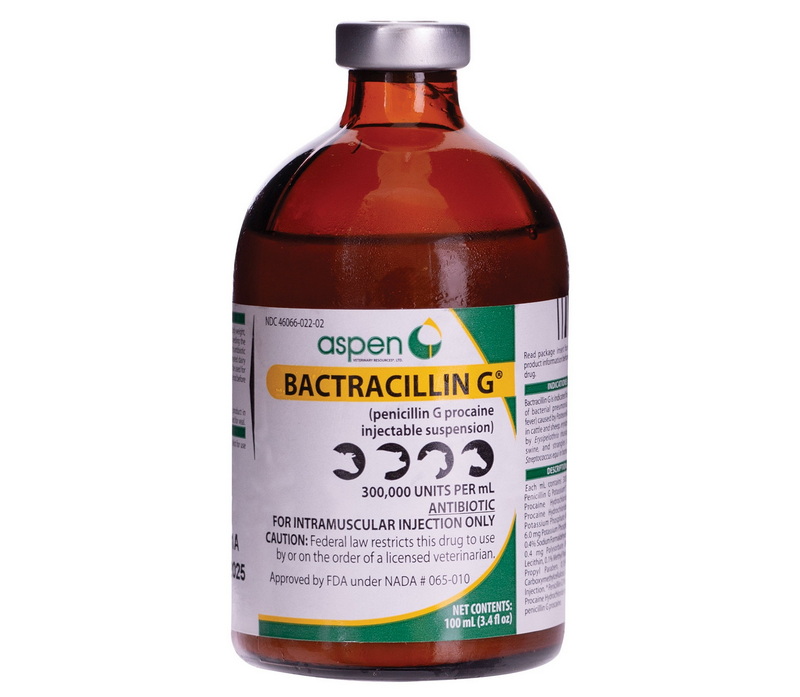
No. Oral administration of Procaine G Penicillin is toxic to rabbits and should never be done. The antibiotic must be given via intramuscular or subcutaneous injection only.[1]
The typical dose is approximately 30 mg per kg of the rabbit's body weight. However, this may vary with specific cases, so veterinary professional advice is essential.[2]
Injections are usually given once every 24 hours for a period of 3 to 5 days, depending on the infection severity and veterinary prescription.[2]
Immediately stop the treatment and seek emergency veterinary care if signs of allergy such as swelling, breathing difficulty, or hives appear.[2]
Store unopened vials at or below 30°C, away from direct light. After dilution, keep refrigerated and use within the manufacturer's recommended timeframe, generally seven days.[3][2]
[1](https://www.youtube.com/watch?v=-a3IVHV5O4Q)
[2](https://www.lihuapharma.com/penicillin-g-procaine-injectable-suspension-30-product/)
[3](https://labeling.pfizer.com/showlabeling.aspx?id=718)
[4](https://www.msdvetmanual.com/pharmacology/antibacterial-agents/penicillins-use-in-animals)
[5](https://www.youtube.com/watch?v=9ANvqFeS0B0)
Hot tags: Procaine G Penicillin, Rabbit Injection Techniques, Diluting Penicillin for Rabbits, Veterinary Antibiotics for Rabbits, Safe Injection Practices for Rabbits, Penicillin Dosage for Rabbits, Procaine G Preparation, Injectable Antibiotics for Rabbits, Rabbit Health Care, Veterinary Medicine Guidelines