Content Menu
● What Is Procaine G Penicillin?
● Clinical Indications and Administration Routes
● Can Procaine G Penicillin Be Administered Subcutaneously?
● Dilution Procedures for Subcutaneous Use
>> Step 2: Reconstitution (if applicable)
>> Step 3: Dilution for Subcutaneous Injection
>> Step 4: Mixing and Inspection
● Subcutaneous Injection Technique
● Safety and Adverse Reactions
● Regulatory and Manufacturing Considerations
● FAQ
>> 1. What diluents are recommended for diluting Procaine G Penicillin?
>> 2. Can Procaine G Penicillin be administered subcutaneously?
>> 3. How should I calculate the dose after dilution?
>> 4. What precautions should I take before injecting Procaine G Penicillin?
>> 5. How should injection site reactions be managed?
Procaine G Penicillin is a widely used antibiotic formulation combining penicillin G with procaine, designed to provide prolonged therapeutic blood levels following intramuscular administration. While primarily indicated for deep intramuscular injection, there are clinical and logistical scenarios where subcutaneous administration may be considered, particularly in outpatient or home-care settings. This comprehensive guide details the proper dilution, preparation, and administration techniques for Procaine G Penicillin when used via the subcutaneous route. It also covers essential safety considerations, regulatory guidelines, and practical recommendations for healthcare professionals and pharmaceutical manufacturers providing OEM services.
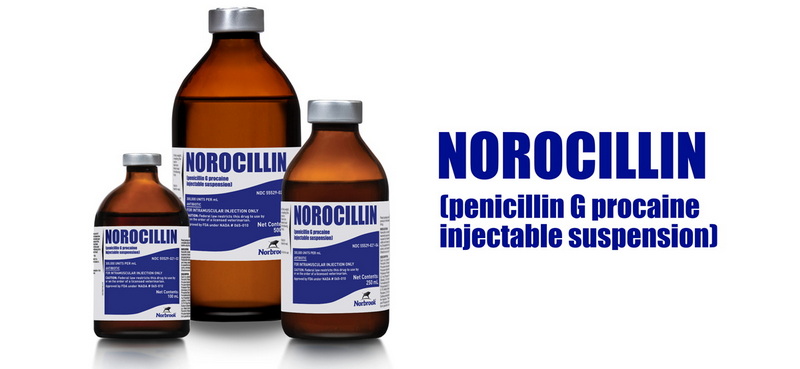
Procaine G Penicillin is a long-acting penicillin formulation composed of penicillin G potassium and procaine hydrochloride. It is formulated as a sterile aqueous suspension intended for parenteral administration. The procaine component acts as a local anesthetic, reducing pain upon injection, while the suspension matrix allows for slow release of penicillin G into the systemic circulation. This results in sustained therapeutic levels over 12 to 24 hours, making it suitable for treating moderately severe infections such as streptococcal pharyngitis, pneumococcal pneumonia, and syphilis.
The formulation typically contains stabilizing agents such as sodium citrate, lecithin, carboxymethylcellulose, povidone, and preservatives like methylparaben and propylparaben to maintain suspension homogeneity and sterility. Due to its viscosity and particulate nature, it is generally not recommended for intravenous use and must be administered with care to avoid neurovascular injury.[1]
Procaine G Penicillin is primarily indicated for intramuscular (IM) injection in the treatment of susceptible bacterial infections. The recommended injection sites include the upper outer quadrant of the gluteus maximus or the ventrogluteal site in adults, and the mid-lateral thigh in neonates and young children. The deep IM route ensures optimal absorption and minimizes local tissue irritation.[1]
However, subcutaneous (SC) administration has been explored in specific clinical contexts, particularly in outpatient antimicrobial therapy (OSCAT) programs. Studies have shown that certain antibiotics, including ertapenem and ceftriaxone, can be effectively administered subcutaneously with proper dilution and infusion techniques. While Procaine G Penicillin is not routinely labeled for SC use, off-label administration may occur in resource-limited settings or when IM access is contraindicated.[2]
The official labeling for Procaine G Penicillin specifies intramuscular injection only, and administration into or near nerves or arteries is strongly discouraged due to the risk of permanent neurologic damage. However, veterinary guidelines indicate that procaine penicillin G can be administered subcutaneously in certain species, such as cattle, at doses ranging from 22,000 to 66,000 units/kg body weight once daily.[3][1]
In human medicine, subcutaneous administration of high-dose procaine penicillin G is not recommended due to the risk of tissue irritation, delayed absorption, and visible drug deposits at the injection site. A study in beef steers found that subcutaneous injection of high-dose procaine penicillin G resulted in visible drug deposits and increased inflammation compared to intramuscular administration, suggesting that SC delivery may not be suitable for high-dose regimens.[4]
Despite these concerns, in cases where IM injection is not feasible, diluted Procaine G Penicillin may be administered subcutaneously using slow injection techniques and appropriate dilution volumes to enhance dispersion and absorption.
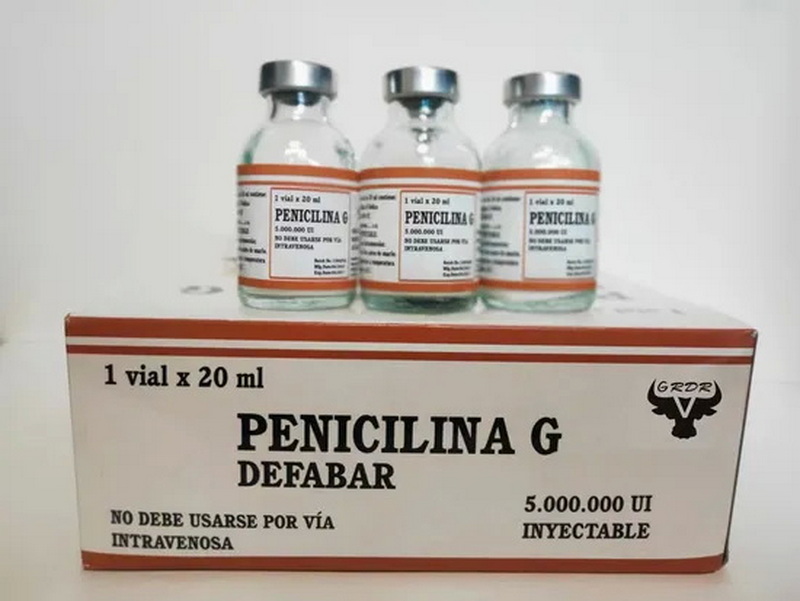
When preparing Procaine G Penicillin for subcutaneous administration, the goal is to reduce viscosity and concentration to minimize tissue trauma and ensure even distribution. The following steps outline a safe and effective dilution protocol:
- Procaine G Penicillin vial or syringe
- Sterile diluent (Sterile Water for Injection or 0.9% Sodium Chloride)
- Sterile syringes and needles (21–25 gauge)
- Alcohol swabs
- Gloves and personal protective equipment
Some formulations may require reconstitution. For example, Pencilline 6M requires 15 mL of sterile water for injection to reconstitute the powder. Gently swirl the vial to dissolve the powder—do not shake vigorously to avoid foaming.[5]
For SC administration, dilute the suspension in a larger volume of diluent to reduce concentration. A common approach is to dilute 1.2 million units of Procaine G Penicillin in 10–20 mL of sterile saline or water. This reduces the concentration to 60,000–120,000 units/mL, which is more suitable for subcutaneous delivery.
Gently invert the syringe several times to ensure uniform suspension. Inspect for particulate matter or discoloration. Do not use if the solution appears cloudy or contains foreign particles.
Proper technique is essential to ensure patient safety and therapeutic efficacy:
1. Site Selection: Common SC sites include the abdomen (avoiding a 2-inch circle around the navel), upper arms, thighs, and flanks. Rotate sites with repeated injections to prevent lipohypertrophy and tissue damage.[6]
2. Skin Preparation: Clean the injection site with an alcohol swab and allow it to dry.
3. Needle Insertion: Pinch a fold of skin and insert the needle at a 45-degree angle for longer needles (≥1 inch) or a 90-degree angle for shorter needles (5/8 inch).[6]
4. Injection: Inject the diluted solution slowly over 2–5 minutes to minimize discomfort and allow for gradual dispersion.
5. Post-Injection Care: Apply gentle pressure with sterile gauze. Monitor for signs of local reaction, such as erythema, swelling, or induration.
Procaine G Penicillin carries several risks, including:
- Hypersensitivity Reactions: Penicillin allergy is common. Always assess patient history and consider a skin test if sensitivity is suspected.[7]
- Procaine Toxicity: Hoigne's syndrome, characterized by transient psychosis and hallucinations, can occur due to procaine absorption.[1]
- Local Reactions: Pain, inflammation, and sterile abscess formation may occur, especially with high-concentration or undiluted injections.[4]
- Neurovascular Injury: Never inject near nerves or arteries. Aspirate before injection to avoid intravascular administration.[1]
For pharmaceutical manufacturers, ensuring product stability and sterility is paramount. The manufacturing process for Procaine G Penicillin involves sterile filtration (0.2-micron filters), homogenization under nitrogen, and filling under controlled conditions to prevent contamination. OEM partners must adhere to Good Manufacturing Practices (GMP) and comply with regulatory standards from agencies such as the FDA, EMA, and WHO.[8]
Labeling must clearly indicate the intended route of administration and include warnings about off-label use. While subcutaneous administration may be practiced in certain settings, it should be considered off-label and used only when justified by clinical need and supported by institutional protocols.
While Procaine G Penicillin is primarily designed for deep intramuscular injection, there are circumstances where subcutaneous administration may be considered. Proper dilution, slow injection, and site rotation are critical to minimizing adverse effects and ensuring therapeutic efficacy. Healthcare providers must weigh the benefits against the risks and follow evidence-based guidelines when deviating from labeled use.
As a biotechnology and pharmaceutical OEM manufacturer, we understand the importance of producing high-quality, stable antibiotic formulations that meet global regulatory standards. Our facility specializes in sterile injectable products, including penicillin-based suspensions, with full compliance to international pharmacopeial requirements.
Are you seeking a reliable OEM partner for sterile antibiotic formulations? Our Chinese factory offers end-to-end solutions for biotech, pharmaceutical, and medical device products, tailored to international brands and wholesalers. From formulation development to packaging and regulatory support, we ensure quality, scalability, and compliance. Contact us today to discuss your project and how we can support your market success.
Sterile Water for Injection and 0.9% Sodium Chloride Injection (normal saline) are recommended to maintain drug stability and patient safety.[1]
While labeled for intramuscular use only, subcutaneous administration may be considered off-label in specific clinical settings, particularly with proper dilution and slow injection techniques.[4]
Calculate the total units required based on patient weight and clinical indication, then adjust the injection volume accordingly to deliver the correct dose.[3]
Always perform a sensitivity test for procaine allergy, use aseptic technique, avoid intravascular injection, and monitor for adverse reactions such as Hoigne's syndrome.[7][1]
Apply gentle pressure post-injection, rotate injection sites, and monitor for redness or swelling. Consult healthcare professionals for persistent or severe reactions.[6]
[1](https://labeling.pfizer.com/showlabeling.aspx?id=718)
[2](https://www.frontiersin.org/journals/medicine/articles/10.3389/fmed.2020.585658/full)
[3](https://www.msdvetmanual.com/multimedia/table/dosages-of-penicillins)
[4](https://pmc.ncbi.nlm.nih.gov/articles/PMC1263632/)
[5](https://richmondvet.com.ar/en/producto/pencilline-6m-2/)
[6](https://www.ncbi.nlm.nih.gov/books/NBK568677/)
[7](https://www.accessdata.fda.gov/drugsatfda_docs/label/2014/050138s235,050141s232lbl.pdf)
[8](https://patents.google.com/patent/US20060058280A1/en)
[9](https://admin.greenbook.nafdac.gov.ng/uploadImage/smpc_files/2023/10/09/20231009305b132c-d84c-5db4-bb69-bebeb3f2f59d.pdf)
[10](https://medicalguidelines.msf.org/en/viewport/EssDr/english/benzylpenicillin-penicillin-g-injectable-16682499.html)
[11](https://www.mims.com/indonesia/drug/info/procaine-penicillin-g-meiji?type=full)
[12](https://oskar-bordeaux.fr/bitstream/handle/20.500.12278/26117/Hern%C3%A1ndez-Ruiz%20et%20al.%20-%202021%20-%20Subcutaneous%20Antibiotic%20Therapy%20The%20Why,%20How,%20Whi.pdf?sequence=1&isAllowed=y)
[13](https://jamanetwork.com/journals/jamadermatology/fullarticle/522730)
[14](https://www.advacarepharma.com/en/veterinary/penicillin-g-procaine-penicillin-sodium-streptomycin-sulfate-for-injection)
[15](https://www.rch.org.au/rchcpg/hospital_clinical_guideline_index/Subcutaneous_injections_and_device_management/)
[16](https://reference.medscape.com/drug/penicillin-g-procaine-999572)
[17](https://pdf.hres.ca/dpd_pm/00051997.PDF)
[18](https://pubmed.ncbi.nlm.nih.gov/32674952/)
[19](https://www.ema.europa.eu/en/documents/referral/procaine-benzylpenicillin-article-82-referral-annexes-i-ii-iii_en.pdf)
[20](https://www.youtube.com/watch?v=jt7SYhALtPk)
Hot tags: Procaine G Penicillin Dilution, Subcutaneous Injection Techniques, Penicillin Injection Guidelines, How to Prepare Procaine Penicillin, Safe Injection Practices, Veterinary Penicillin Dosage, Procaine G Injection Instructions, Penicillin G Procaine Use, Subcutaneous Injection Methods, Procaine Penicillin Administration Tips